



Argentina’s 2025/26 harvest surpassed 163 million tonnes, marking one of the most significant grain production milestones in the country’s history.




 03 Jun 2026
Argentina achieved a total grain production exceeding 163 million tonnes during the 2025/26 crop season thanks to the outstanding performance of corn, soybeans, and sunflower, supported by favorable weather conditions, the adoption of modern technologies, and efficient agronomic management.
The figure was released through official agricultural sector reports and represents a year-over-year increase of more than 21% compared with the previous season, establishing a new historical record for the country.
This record production has direct implications for feed ingredient supply chains supporting animal nutrition and the broader livestock sector.
Argentina’s 2025/26 harvest surpassed 163 million tonnes, marking one of the most significant grain production milestones in the country’s history.

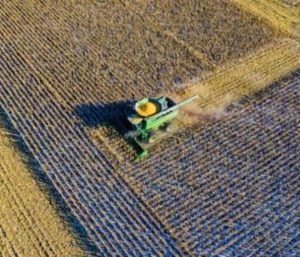
Production growth was driven by widespread improvements across major grain and oilseed crops in the country’s principal agricultural regions. Corn and soybeans led total output, while sunflower also recorded significant gains compared with previous seasons.
The combination of strong yields, expanded planted area, and favorable moisture conditions contributed to an unprecedented harvest volume in modern Argentine agriculture.
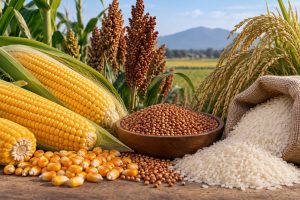
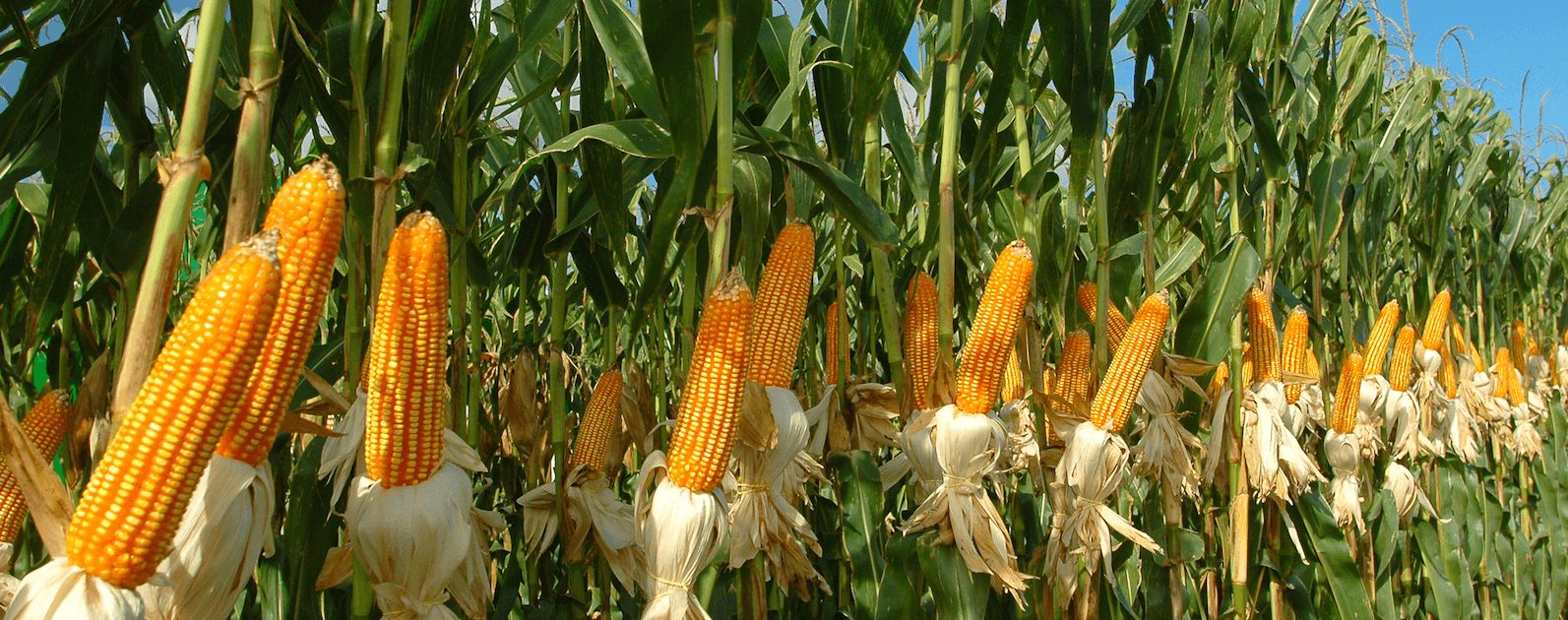
Among the crops contributing most significantly to the total of 163.2 million tonnes were corn and soybeans, two commodities that are critically important for both exports and animal feeding programs.



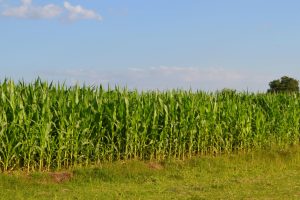
Corn, a fundamental ingredient in diets for ruminants, swine, and poultry, delivered yields that exceeded previous expectations while maintaining excellent crop conditions throughout key stages of development.
The crop benefited from favorable rainfall patterns and agronomic management practices that helped sustain productivity despite market uncertainty and production challenges experienced in previous years.
Corn remains one of the most strategic crops for global animal nutrition due to its role as a primary energy source in livestock feeds.
Soybeans also maintained their central role within Argentine agriculture, generating substantial grain volumes destined both for export markets and domestic crushing operations.
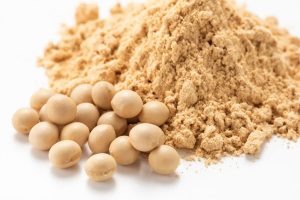
Soybean processing supports the production of key feed ingredients such as soybean meal, one of the world’s most important protein sources for livestock, poultry, and aquaculture nutrition.
Sunflower was another major contributor during the season, posting strong growth and becoming one of the crops with the most significant year-over-year improvements.
Its performance not only increased total grain production but also expanded opportunities within the vegetable oil and oilseed by-product markets, reinforcing the diversity and resilience of Argentina’s agricultural sector.
Sunflower meal and sunflower oil continue to play important roles in both animal nutrition and food industries, providing additional value beyond grain production alone.
The combination of corn, soybeans, and sunflower provides a diversified supply of high-quality raw materials for feed manufacturers and livestock producers.
Together, these crops have generated not only greater grain volumes but also a strong supply of high-quality feed ingredients for the animal nutrition industry, which depends heavily on cereals and oilseeds to formulate efficient and cost-effective diets.

The record grain harvest carries multiple implications for Argentina’s agricultural and livestock sectors.
First, it improves the availability of key ingredients used in compound feed manufacturing, potentially reducing cost pressures for producers of cattle, pigs, poultry, and other livestock species.
Increased grain availability can also enhance supply chain stability while supporting more competitive feed prices across the production chain.
Greater grain production strengthens feed security and improves access to essential energy and protein ingredients for livestock production.
From an economic perspective, larger harvest volumes increase Argentina’s export capacity and contribute to foreign exchange earnings for both the agricultural and agro-industrial sectors.
The record harvest also highlights the importance of maintaining efficient agronomic practices, adopting precision agriculture technologies, and implementing sound climate-risk management strategies to sustain productivity gains over the long term.
As global demand for food, feed, and renewable resources continues to increase, the ability to maintain high levels of agricultural productivity while improving sustainability will remain a critical challenge for producers worldwide.
Argentina’s record grain harvest reinforces its position as one of the world’s leading suppliers of feed ingredients, supporting both global food security and animal nutrition industries.
Source: Agritotal – “With corn, soybeans and sunflower leading the way, Argentina surpassed 163 million tonnes.”



Subscribe now to the technical magazine of animal nutrition
AUTHORS
From 2025 Data to 2026 Decisions: Managing Mycotoxin Risk in a Changing Climate
Alterion® NE Celebrates 10 Years of Poultry Gut Health Innovation
The Science Behind Kolin Plus: Beyond Choline Replacement

Summer Infertility in Sows: Managing Heat Stress and Reproductive Performance
AO-Biotics® Amaferm®: Supporting Livestock Digestion and Performance

Interview with Güner Gövenç
Güner Gövenç,
Net Energy and Precision Feeding Shape the Future of Poultry Nutrition
Edgar Oviedo
Mycotoxins in Swine: Health Risks and Nutritional Solutions
Giuseppe Carcò
Mycotoxins and Piglet Ear Necrosis: Cause, Cofactor or Coincidence?
Alberto Morillo
How Mycotoxins Affect Intestinal Health in Pigs and Poultry
Marcos Rostagno
From Antibiotics to Functional Feeds in Aquaculture
Babatunde Saliu
Peas as an Alternative to Soybean Meal in Beef Cattle Finishing Diets
Daniel Villalba Mata,
Improving Egg Yolk Pigmentation Through Better Nutrient Transport

Aquaculture and Aquaponics Nutrition: How Fish Shape the Growth of Greens
Trenton Corby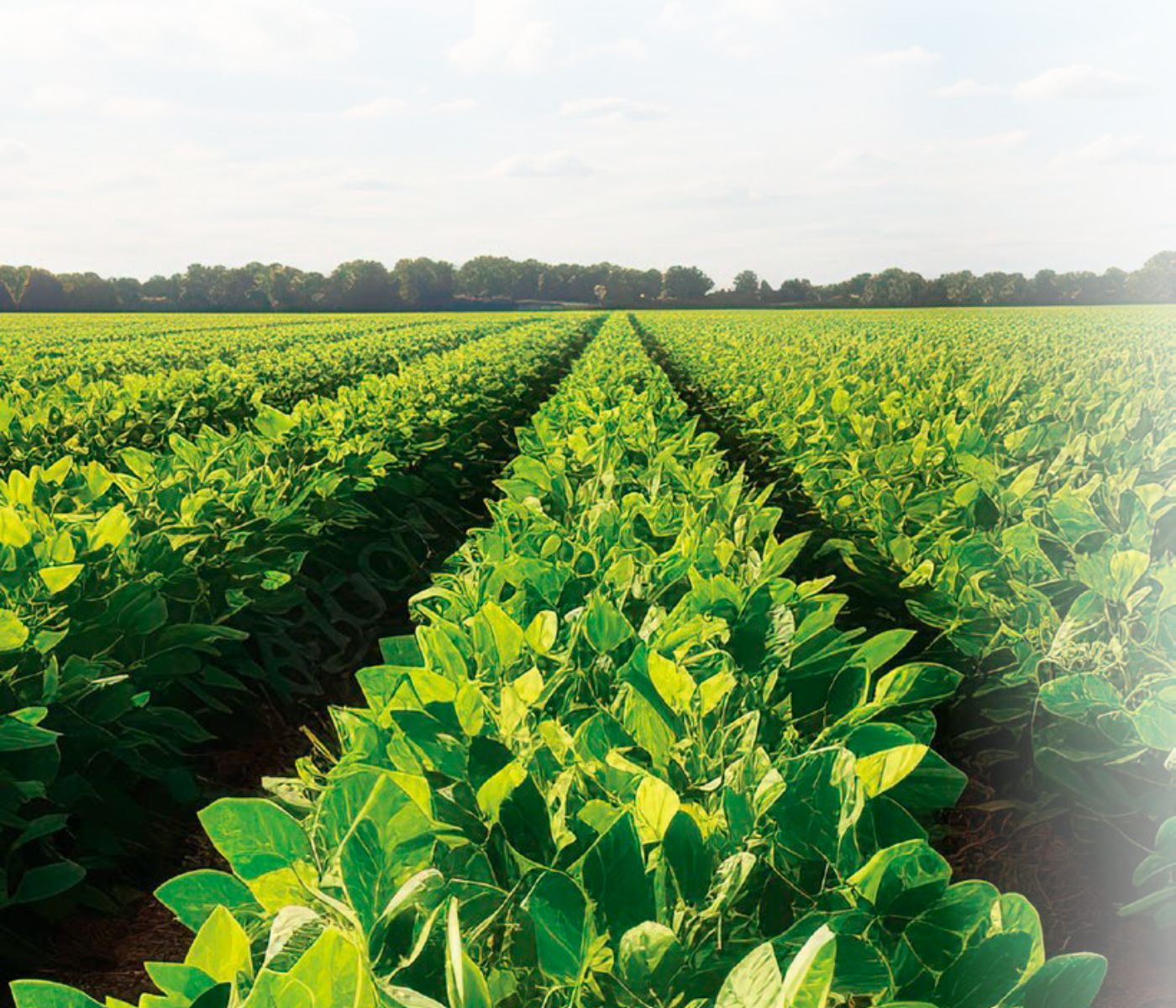
Consistency in Soybean Meal Drives Performance and Sustainability