 29 Aug 2026
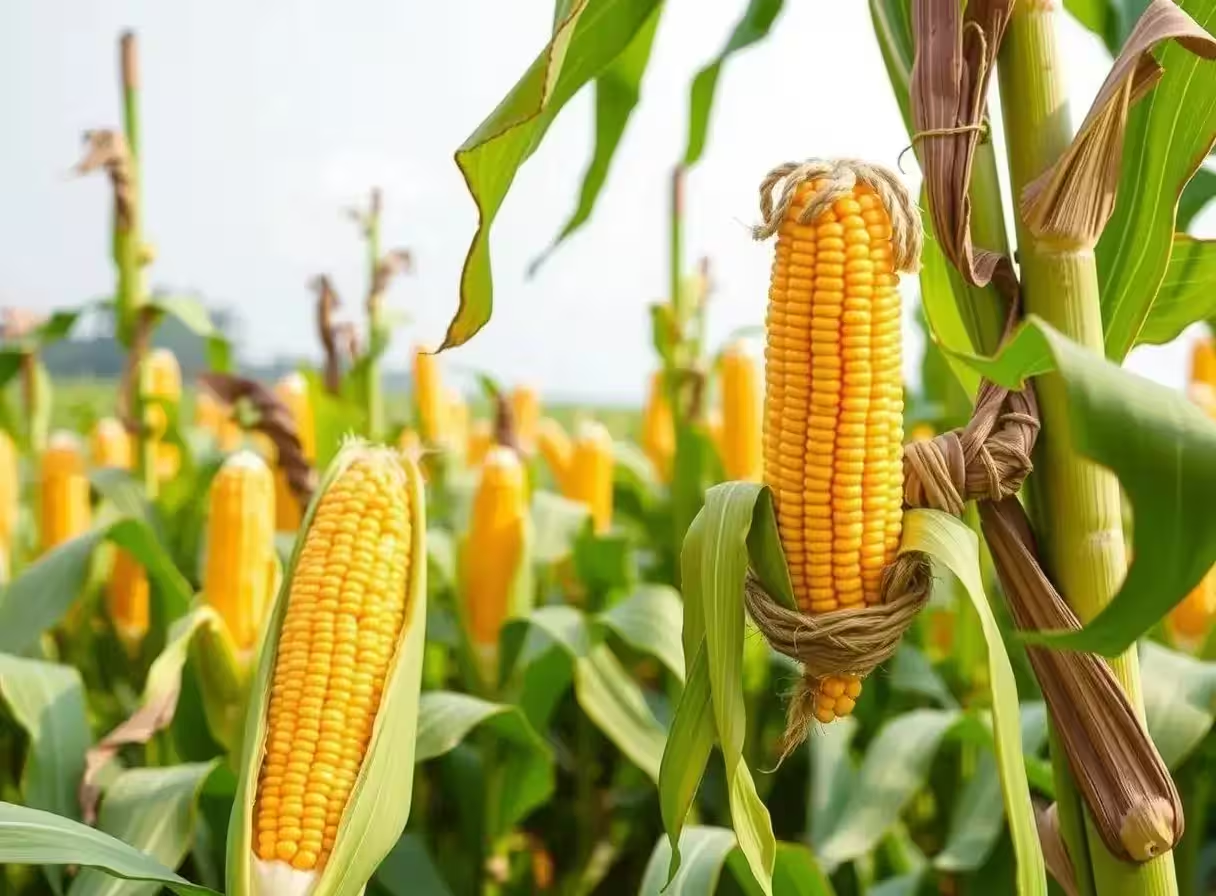
The growing use of corn for ethanol production in India is raising poultry feed costs and adding to the pressure on egg prices, which have increased by around 35-40% over the past year, according to the country’s National Egg Co-ordination Committee (NECC).
Eggs are currently selling at about USD 0.080 each at the farm gate, while retail prices have reached USD 0.097-0.103.
Poultry industry executives expect prices to remain firm and possibly rise further as winter approaches, when demand for eggs usually increases.
“Roughly 37% of the total corn production is now going to ethanol distilleries. In the past one year, egg prices have gone up by nearly 40% and are likely to rise further,” a senior NECC official said.


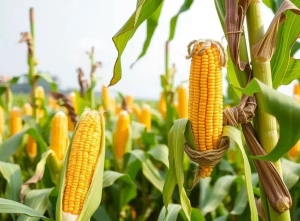
The increase in corn demand is linked partly to the government’s ethanol blending program, under which oil companies mix ethanol with petrol. With the blending level reaching 20%, more sugarcane and corn are being used to produce ethanol, affecting their availability for sugar production and animal feed.
Corn prices have risen sharply amid tighter supplies. They have increased to nearly USD 303/ton from around USD 160/ton three years ago and have risen almost 20% in the past five months.
“Corn is the biggest cost for poultry farmers, accounting for 65-70% of total poultry production costs. Any sustained rise in corn prices is particularly painful for the industry,” the NECC official said.



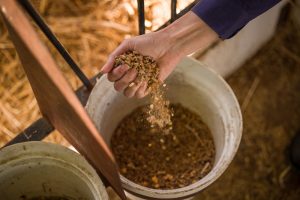
Another senior industry executive said corn and soybean prices directly affect poultry feed costs, with higher feed prices eventually increasing the cost of producing eggs and chicken.
However, the executive said ethanol demand was not the only factor affecting poultry prices. Heat stress, bird mortality, weather disruptions and the availability and cost of imported feed ingredients can also influence production costs and market prices.
Corn-based ethanol production has expanded rapidly, rising from about 1 million tons in 2022 to more than 6 million tons in 2024 and around 17 million tons currently. Experts expect production to reach 25 million tons by 2030.
The poultry industry uses about 60% of India’s corn, putting it in direct competition with ethanol producers for the crop.
The rising demand has also changed India’s position in the global corn market. India was earlier an exporter to countries such as Bangladesh and Vietnam, but stronger domestic demand from poultry producers and greater use of corn for ethanol have reduced the surplus available for exports.
Industry executives said this has contributed to India turning to imports. Corn imports reached a record 1 million tons in financial year 2025, with India bypassing its usual trade quotas to source non-GM corn from Myanmar and Ukraine.
India is currently importing around 500,000 tons of corn, and industry players expect imports to increase if domestic production does not grow quickly enough to meet rising demand.



Subscribe now to the technical magazine of animal nutrition
AUTHORS
From 2025 Data to 2026 Decisions: Managing Mycotoxin Risk in a Changing Climate
Alterion® NE Celebrates 10 Years of Poultry Gut Health Innovation
The Science Behind Kolin Plus: Beyond Choline Replacement
Summer Infertility in Sows: Managing Heat Stress and Reproductive Performance
AO-Biotics® Amaferm®: Supporting Livestock Digestion and Performance

Interview with Güner Gövenç
Güner Gövenç,
Net Energy and Precision Feeding Shape the Future of Poultry Nutrition
Edgar Oviedo
Mycotoxins in Swine: Health Risks and Nutritional Solutions
Giuseppe Carcò
Mycotoxins and Piglet Ear Necrosis: Cause, Cofactor or Coincidence?
Alberto Morillo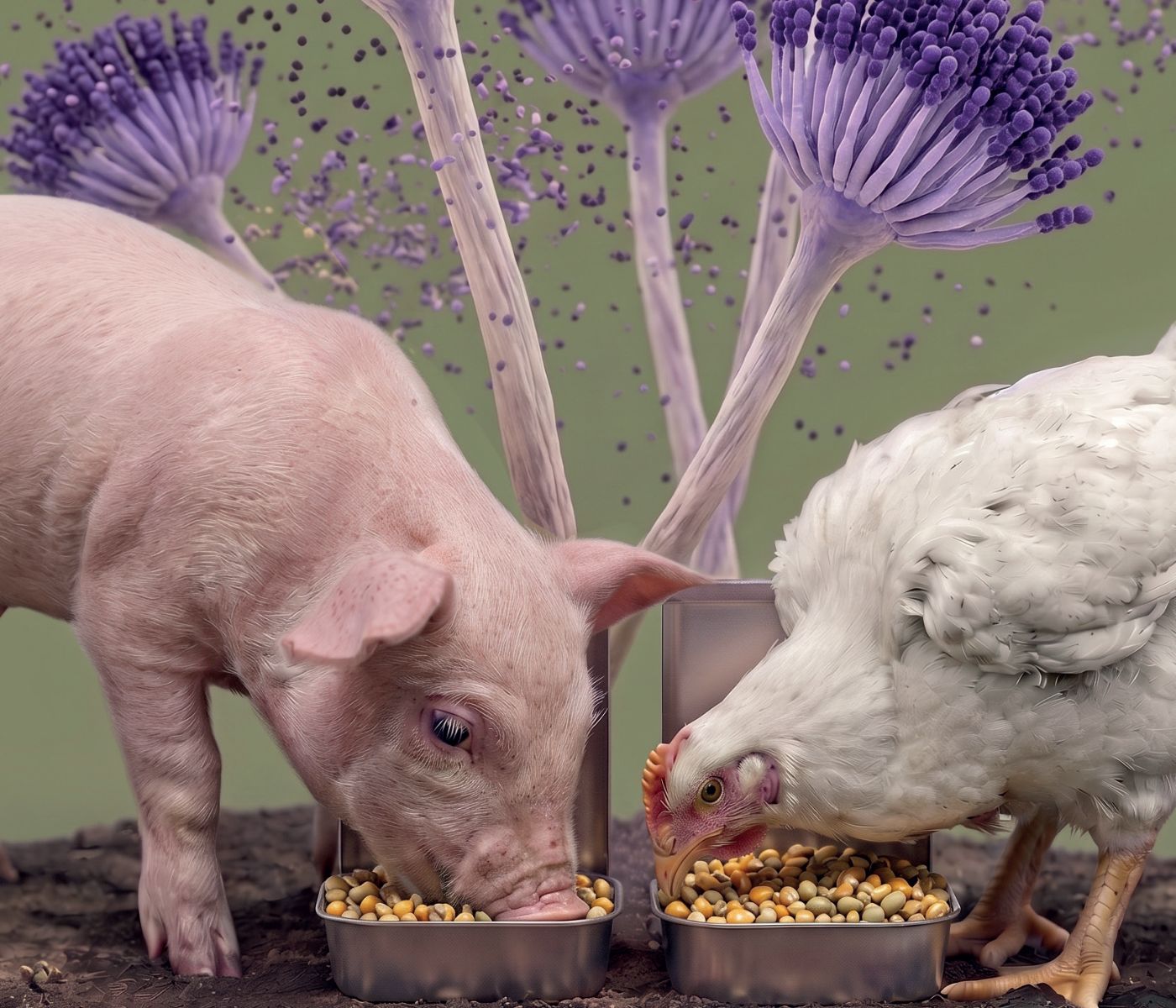
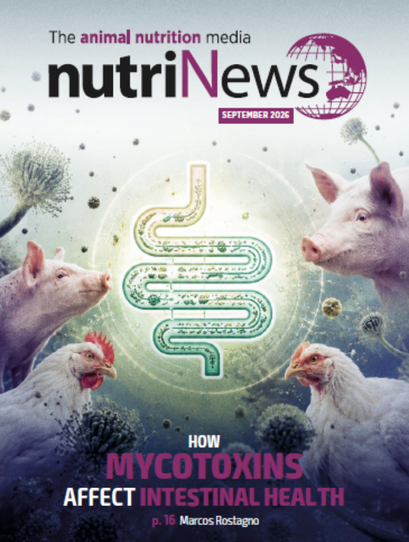
How Mycotoxins Affect Intestinal Health in Pigs and Poultry
Marcos Rostagno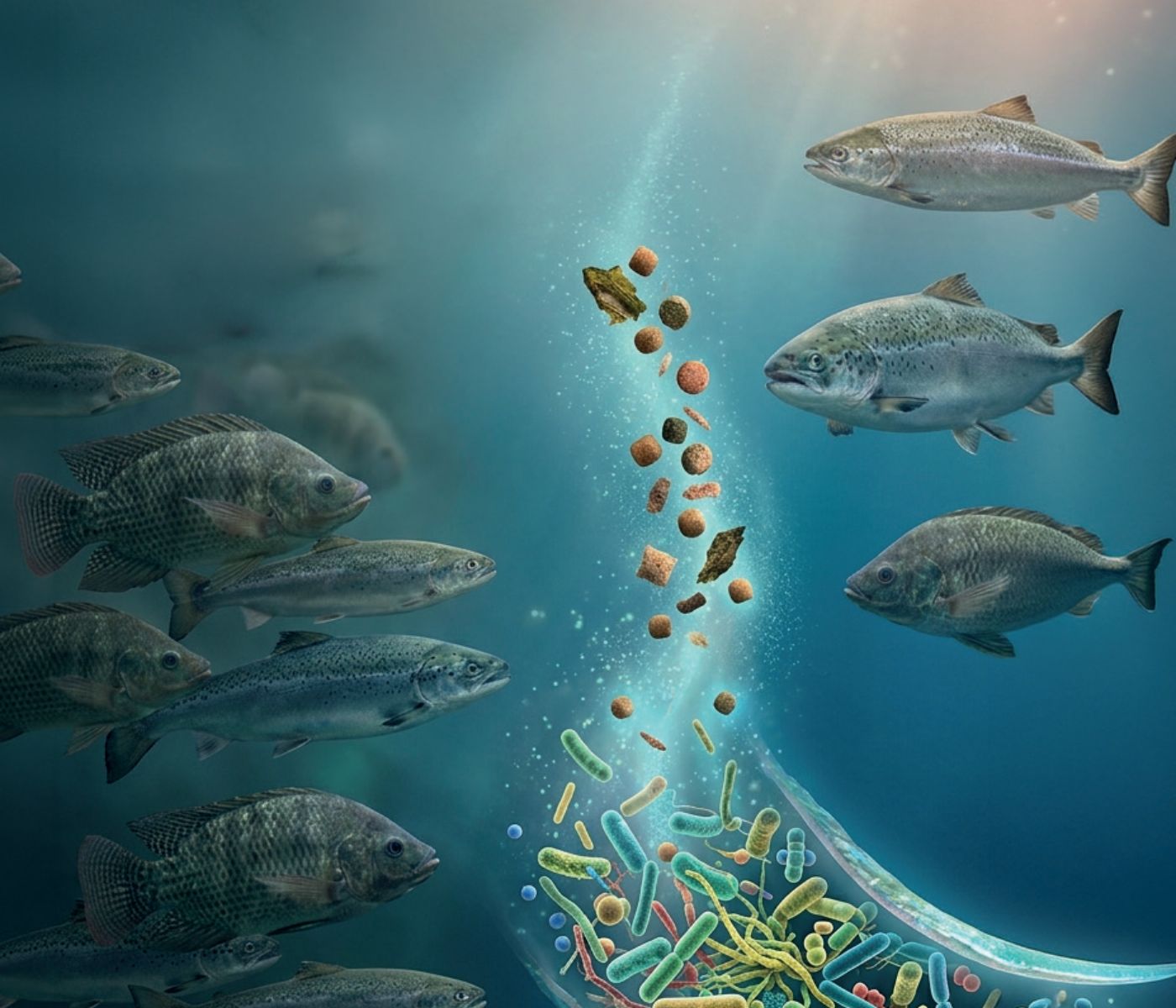
From Antibiotics to Functional Feeds in Aquaculture
Babatunde Saliu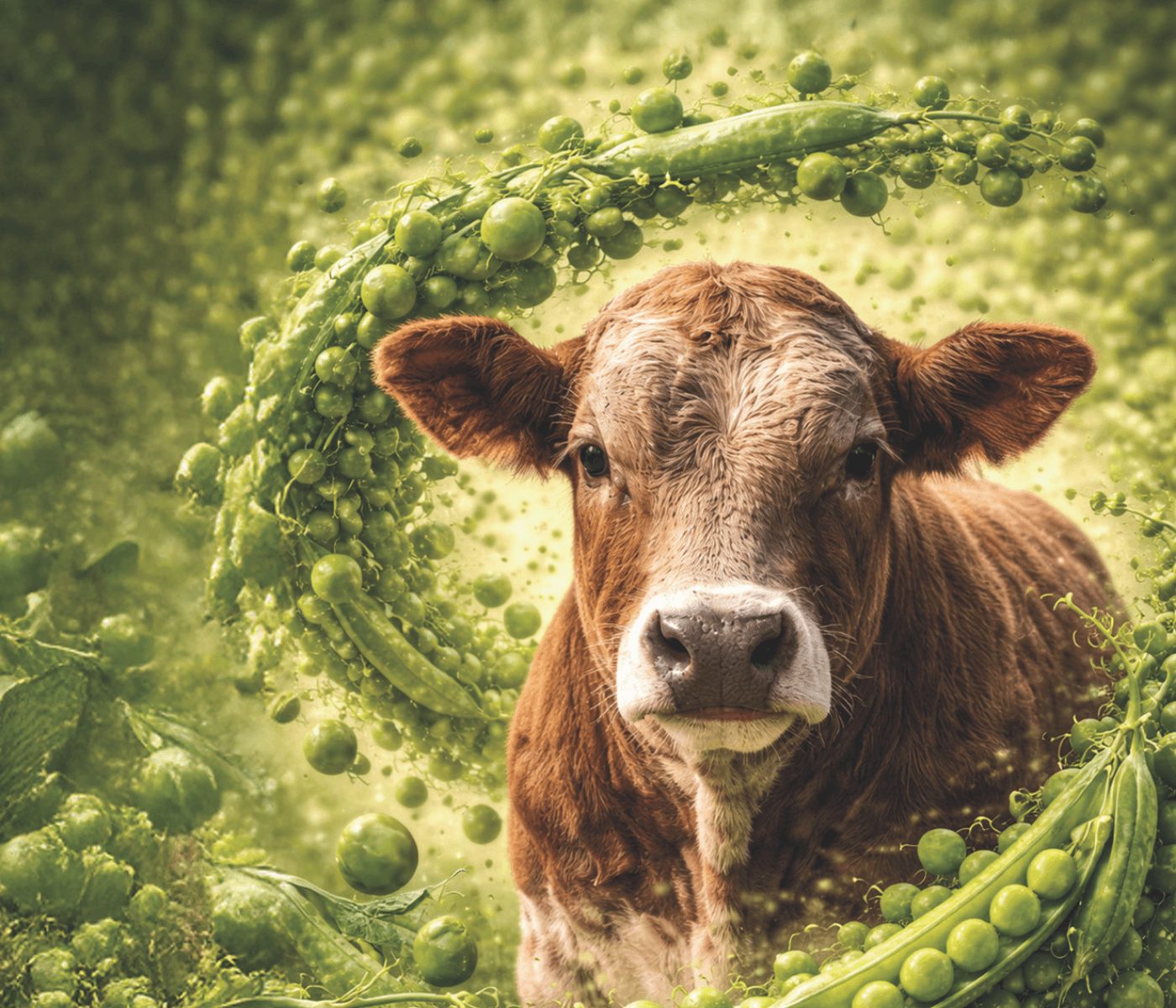
Peas as an Alternative to Soybean Meal in Beef Cattle Finishing Diets
Daniel Villalba Mata,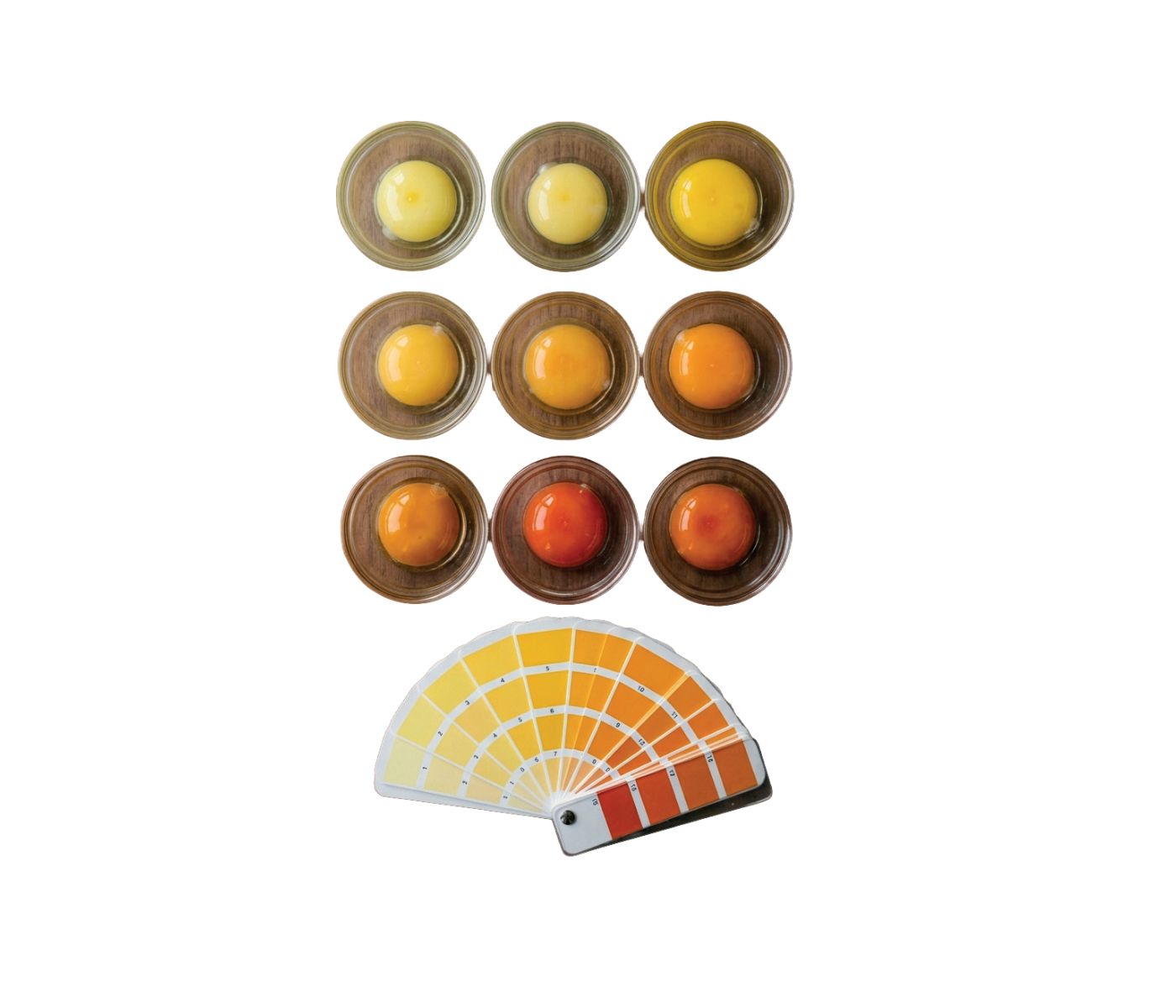
Improving Egg Yolk Pigmentation Through Better Nutrient Transport

Aquaculture and Aquaponics Nutrition: How Fish Shape the Growth of Greens
Trenton Corby
Consistency in Soybean Meal Drives Performance and Sustainability