 15 Aug 2022
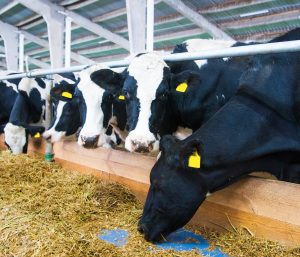
Calves’ artificial breeding and feeding is a common practice within the dairy industry, but it must be done properly in order to take advantage of its benefits.
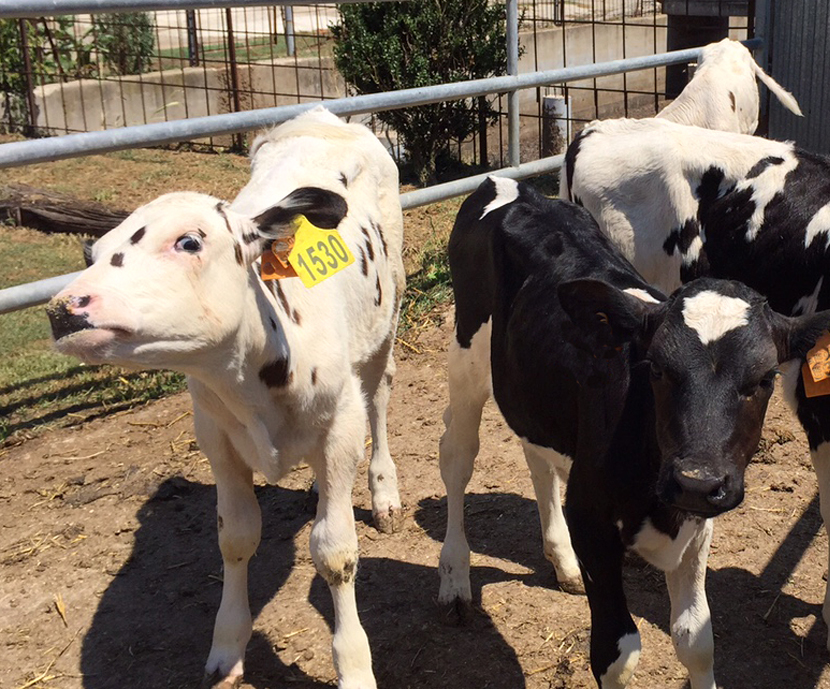
The period comprised from birth to weaning is extremely important in dairy cattle. This is due to the the strong correlation that exists between weight gain during this period and the future production levels of calves.
Ruminants have three forestomachs: rumen, reticulum and omasum; and a true stomach which is the abomasum. At birth, the abomasum is the most developed and functional portion of the calf’s digestive tract (the digestive physiology is similar to that of monogastrics during this period).
The objective of feeding during this stage is to achieve an adequate growth in calves, which allows optimal daily weight gains and a rapid development of the forestomachs, especially that of the rumen. As a result, they will transition from lactating calves to ruminants, and soon they will be able to feed on raw materials (such as fodder or feed) which have lower costs compared to milk.

Colostrum intake
Calves are usually separated from their mothers between 24 and 72 hours after birth due to management, health and economic reasons. During this period the bond between the mother and the calf is essential for ensuring their survival.
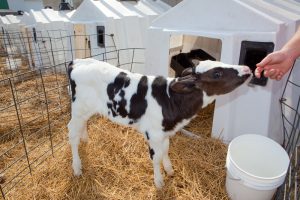
Colostrum is the the mammary gland’s first secretion after birth. It fundamental to ensure good health status in newborn calves. The first colostrum intake should occur within the first 6 hours of life.
Adequate colostrum intake allows to reduce disease onset during the productive life of the calf as a mature cow. As it is through colostrum that the calf will receive antibodies (immunoglobulins) to develop its immunity. Since the calf’s intestinal wall loses its absorption capacity for colostrum, becoming null after 24 hours post birth, it is key that colostrum intake occurs as soon as possible. This will allow the calf to absorb a greater amount of immunoglobulins.



Subscribe now to the technical magazine of animal nutrition
AUTHORS
From 2025 Data to 2026 Decisions: Managing Mycotoxin Risk in a Changing Climate
Alterion® NE Celebrates 10 Years of Poultry Gut Health Innovation
The Science Behind Kolin Plus: Beyond Choline Replacement
Summer Infertility in Sows: Managing Heat Stress and Reproductive Performance
AO-Biotics® Amaferm®: Supporting Livestock Digestion and Performance

Interview with Güner Gövenç
Güner Gövenç,
Net Energy and Precision Feeding Shape the Future of Poultry Nutrition
Edgar Oviedo
Mycotoxins in Swine: Health Risks and Nutritional Solutions
Giuseppe Carcò
Mycotoxins and Piglet Ear Necrosis: Cause, Cofactor or Coincidence?
Alberto Morillo
How Mycotoxins Affect Intestinal Health in Pigs and Poultry
Marcos Rostagno
From Antibiotics to Functional Feeds in Aquaculture
Babatunde Saliu
Peas as an Alternative to Soybean Meal in Beef Cattle Finishing Diets
Daniel Villalba Mata,
Improving Egg Yolk Pigmentation Through Better Nutrient Transport

Aquaculture and Aquaponics Nutrition: How Fish Shape the Growth of Greens
Trenton Corby
Consistency in Soybean Meal Drives Performance and Sustainability