 17 Jun 2026
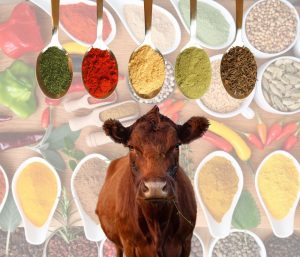
Europe’s ruminant feed additive market is being shaped by regulation, nutrition science, and the push for more efficient livestock production.
Ruminant feed additives are becoming an increasingly important component of European livestock production as producers seek tools that improve nutrition, feed efficiency, animal performance, and sustainability. Across both dairy and beef sectors, feed additives are playing a growing role in helping producers address productivity challenges while meeting increasingly demanding regulatory and environmental expectations.
Unlike many agricultural inputs, however, feed additives in the European Union operate within one of the world’s most rigorous authorization frameworks. Before a product can be marketed and used in animal feed, it must undergo extensive scientific evaluation to demonstrate its safety, efficacy, and suitability for its intended use.
This regulatory approach has helped establish a market environment where scientific validation, transparency, and product performance are increasingly important competitive advantages.
The European feed additive sector is governed primarily by Regulation (EC) No 1831/2003, commonly known as the Feed Additives Regulation.
The European Commission states that this legislation establishes the common procedure for authorizing feed additives and defines the rules governing their placement on the market, labeling, and use in animal feed.
Under the regulation, additives are classified into several categories:

Only products that successfully complete the authorization process may be legally marketed and used within the European Union.
This framework provides consistency across member states while supporting confidence throughout the livestock production chain.
The European Food Safety Authority (EFSA) plays a central role in evaluating feed additive applications.
Manufacturers seeking authorization must submit extensive scientific data covering safety, efficacy, toxicology, target species performance, user exposure, and environmental considerations.
Recent EFSA assessments provide practical examples of how the authorization process works.
One notable case involved 25-hydroxycholecalciferol monohydrate for use in all ruminant species. EFSA concluded that the additive was safe for cattle and that this conclusion could be extended to other ruminant species under the proposed conditions of use.
In addition, EFSA determined that the additive represented an effective source of vitamin D3 activity for ruminants.
These assessments illustrate how nutritional technologies continue to evolve while operating within the EU’s evidence-based regulatory framework.
The strict authorization process influences innovation throughout the feed additive industry.
For manufacturers, successful product development requires substantial investment in:
Although these requirements can extend development timelines, they also create confidence among producers, nutritionists, veterinarians, regulators, and consumers.
For livestock producers, the result is access to feed additives that have undergone independent scientific review and have demonstrated value under defined conditions of use.
Among all additive categories, nutritional additives remain one of the most active areas of development.
As dairy and beef producers seek greater efficiency from every kilogram of feed, interest is growing in technologies that support nutrient utilization, mineral balance, metabolic function, and overall productivity.
Modern nutritional additives are increasingly designed to address specific physiological needs while improving production efficiency.
Areas attracting particular attention include:
Advances in nutritional science continue to expand opportunities for targeted supplementation strategies across both dairy and beef systems.
The broader market trend is toward additives that support productivity while contributing to sustainability objectives.
European livestock production faces increasing pressure to improve resource efficiency, reduce nutrient losses, and lower environmental impacts.
Feed additives are increasingly viewed as part of the solution because they can help improve nutrient utilization and production efficiency.
Current areas of interest include technologies that support:
This trend aligns closely with broader European agricultural strategies focused on sustainable food production and efficient resource use.
Beyond traditional nutritional supplementation, interest is growing in technologies designed to support rumen function and optimize feed utilization.
Researchers and nutritionists continue to explore approaches that improve digestion, nutrient availability, and metabolic efficiency while maintaining animal health and productivity.
These innovations reflect a broader shift toward precision nutrition strategies that seek to maximize biological efficiency and overall farm profitability.
As feed costs remain one of the largest expenses in livestock production, technologies that improve feed utilization continue to attract considerable attention from producers and nutritionists alike.
The European ruminant feed additive sector is expected to remain highly innovation-driven.
Continued advances in nutritional science, animal physiology, microbiology, and feed technology are likely to generate new opportunities for additive development.
At the same time, the regulatory framework will continue to ensure that innovation is supported by robust scientific evidence and clear demonstrations of safety and efficacy.
Companies capable of combining scientific research, regulatory expertise, and practical performance benefits will likely be best positioned for success in the European market.
Ruminant feed additives in Europe are no longer a niche segment of animal nutrition. They are becoming an increasingly important component of strategies aimed at improving productivity, feed efficiency, animal performance, and sustainability.
The combination of scientific innovation, strict regulatory oversight, and evolving producer expectations is creating a market where evidence-based solutions are gaining prominence.
As European livestock systems continue to evolve, feed additives will remain a key tool for helping producers meet production, economic, and environmental objectives while maintaining high standards of safety and compliance.


Subscribe now to the technical magazine of animal nutrition
AUTHORS
Rumen microorganisms and metabolizable amino acid balance
Fernando Bacha Baz
Broiler nutrition during the first feeding phase

Genetic improvement in corn strengthens its strategic role in animal nutrition
Insect biorefineries and the future of sustainable animal nutrition
Ari Riihimaa
LivoLiv supplementation improves liver health and broiler performance
Mycotoxin binders explained: why one size never fits all
Rui A. Gonçalves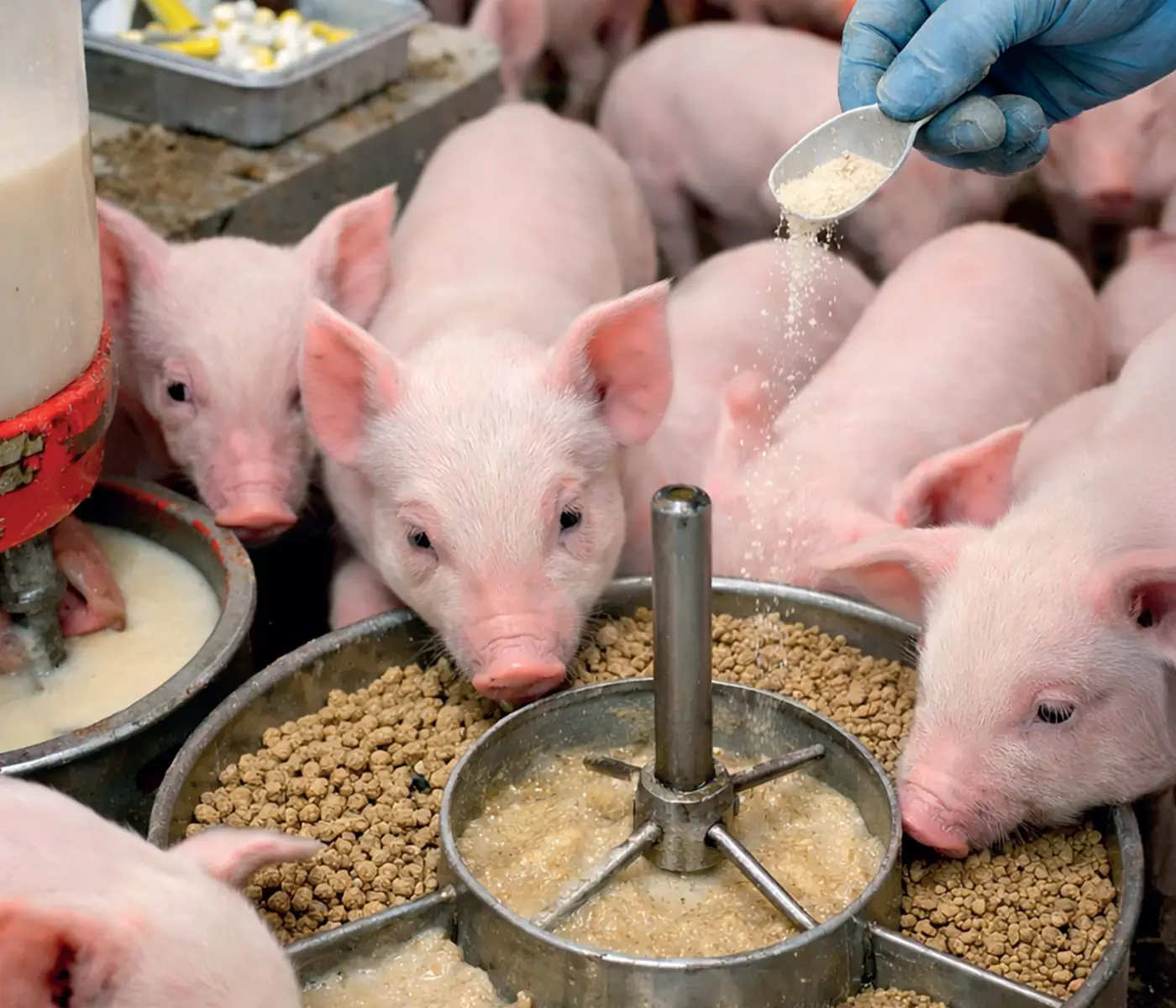
Active Feeding strategy for PRRS-positive weaned piglets
Alberto Morillo Alujas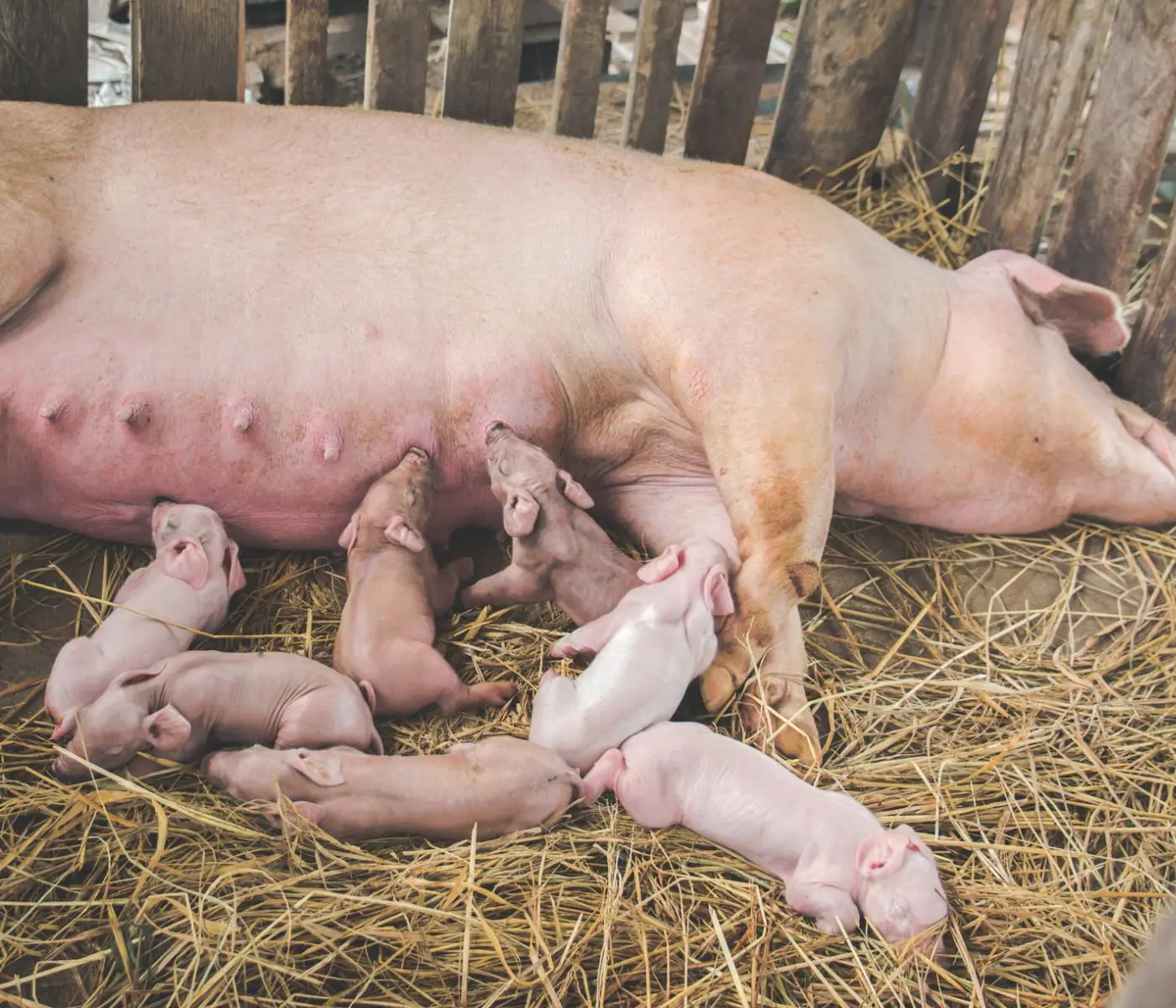
Sow colostrum and its strategic impact on piglet survival and growth
Marianna Altieri
Bacillus probiotics help support intestinal health in cats
Lorenna Nicole Araújo Santos