 03 Mar 2023
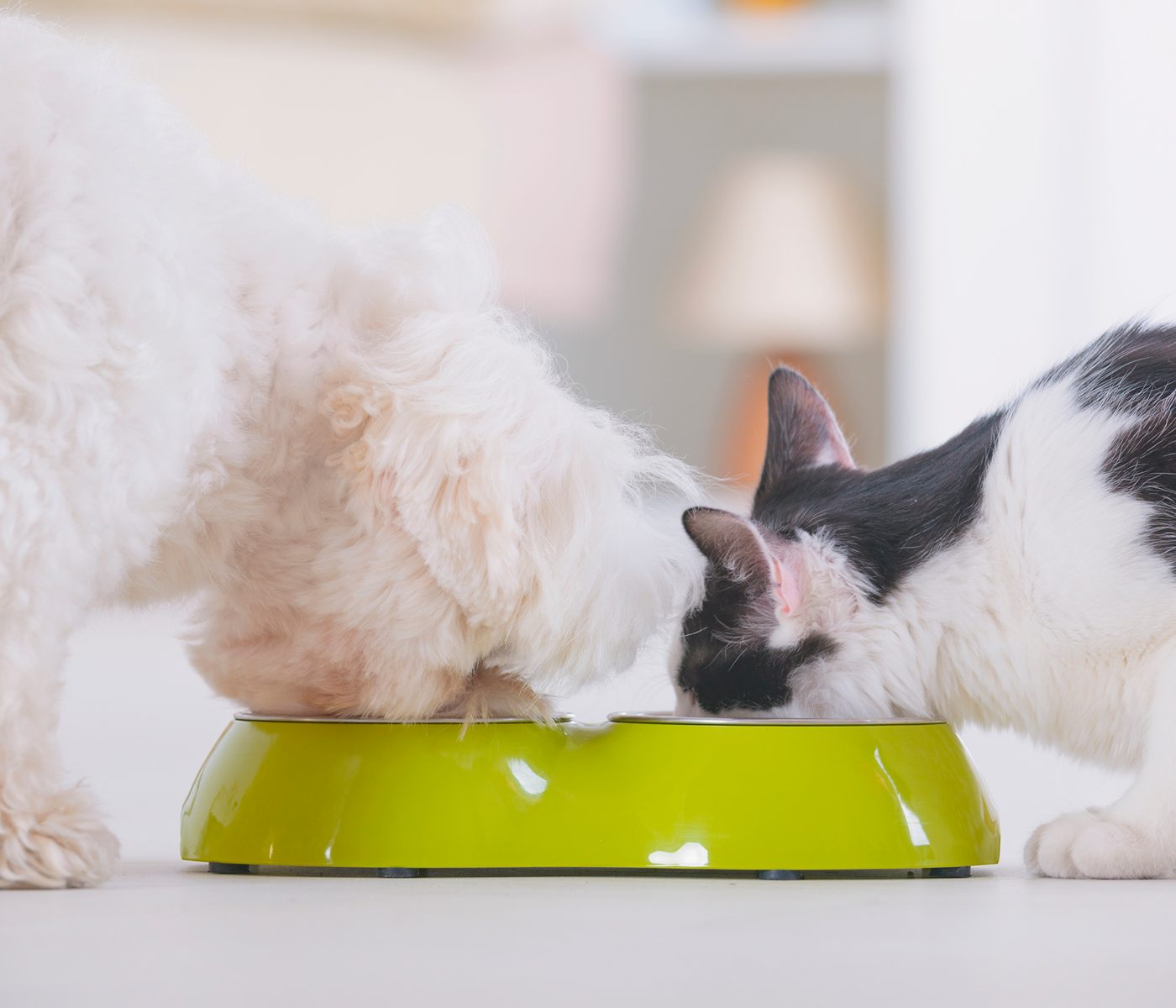
Functional pet foods have become a growing trend, with important benefits for companion animals.
Dogs and cats amongst other pets, present significant differences in processes related to digestion. While cats are considered strict carnivores, dogs appear to be omnivores like humans.
| Novel foods and feed components have been labeled as “functional foods” because they provide other health benefits besides the provision of essential nutrients, such as vitamins, minerals, water, protein, carbohydrates, and fats. |
Dogs share some carnivore traits with cats, as both lack salivary amylase, have a short gastrointestinal tract, and cannot synthesize vitamin D (National Research Council, 2006).


On the other hand, through their evolution and domestication process, dogs developed 3 specific genes which are involved in starch digestion and glucose uptake. These are: : AMY2B, MGAM and SGLT1.
Another characteristic of dogs’ digestive system is that they can synthesize several essential nutrients such as niacin, taurine and arginine (Bosch et al., 2015).
As far as cats are concerned, they can catabolize and use amino acids as an energy source for gluconeogenesis (Morris, 2002).


| Cat diets are composed by 52% protein, 36% fat, and 12% carbohydrates. |
Most functional foods can improve satiety and reduce postprandial glucose and insulin concentrations, thereby reducing diabetes-related comorbidities.
Inulin and oligofructose, two functional foods, can modify the intestinal microflora of dogs, cats and humans.
Ingredients found in pet foods
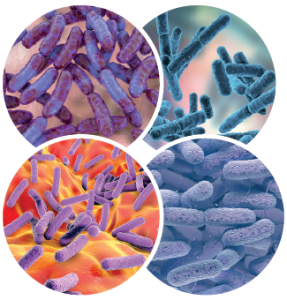
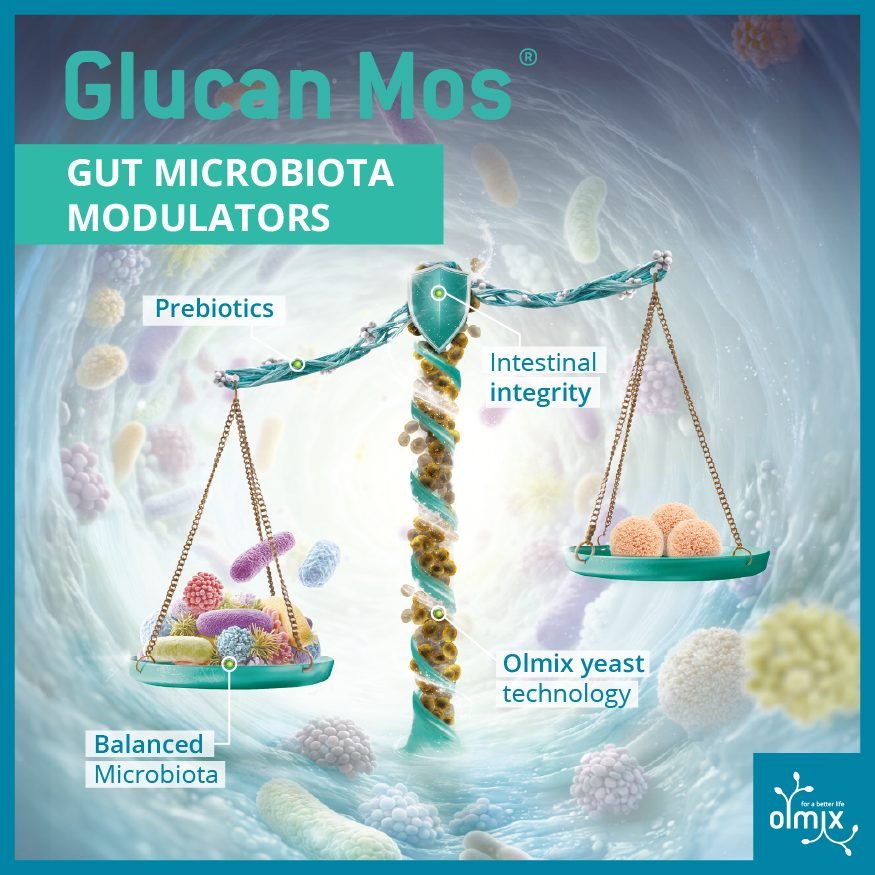
Dietary fibers, commonly found in pet foods, can modify gut microflora by promoting the growth of commensal bacteria.

Subscribe now to the technical magazine of animal nutrition
AUTHORS
From 2025 Data to 2026 Decisions: Managing Mycotoxin Risk in a Changing Climate
Alterion® NE Celebrates 10 Years of Poultry Gut Health Innovation
The Science Behind Kolin Plus: Beyond Choline Replacement
Summer Infertility in Sows: Managing Heat Stress and Reproductive Performance
AO-Biotics® Amaferm®: Supporting Livestock Digestion and Performance

Interview with Güner Gövenç
Güner Gövenç,
Net Energy and Precision Feeding Shape the Future of Poultry Nutrition
Edgar Oviedo
Mycotoxins in Swine: Health Risks and Nutritional Solutions
Giuseppe Carcò
Mycotoxins and Piglet Ear Necrosis: Cause, Cofactor or Coincidence?
Alberto Morillo
How Mycotoxins Affect Intestinal Health in Pigs and Poultry
Marcos Rostagno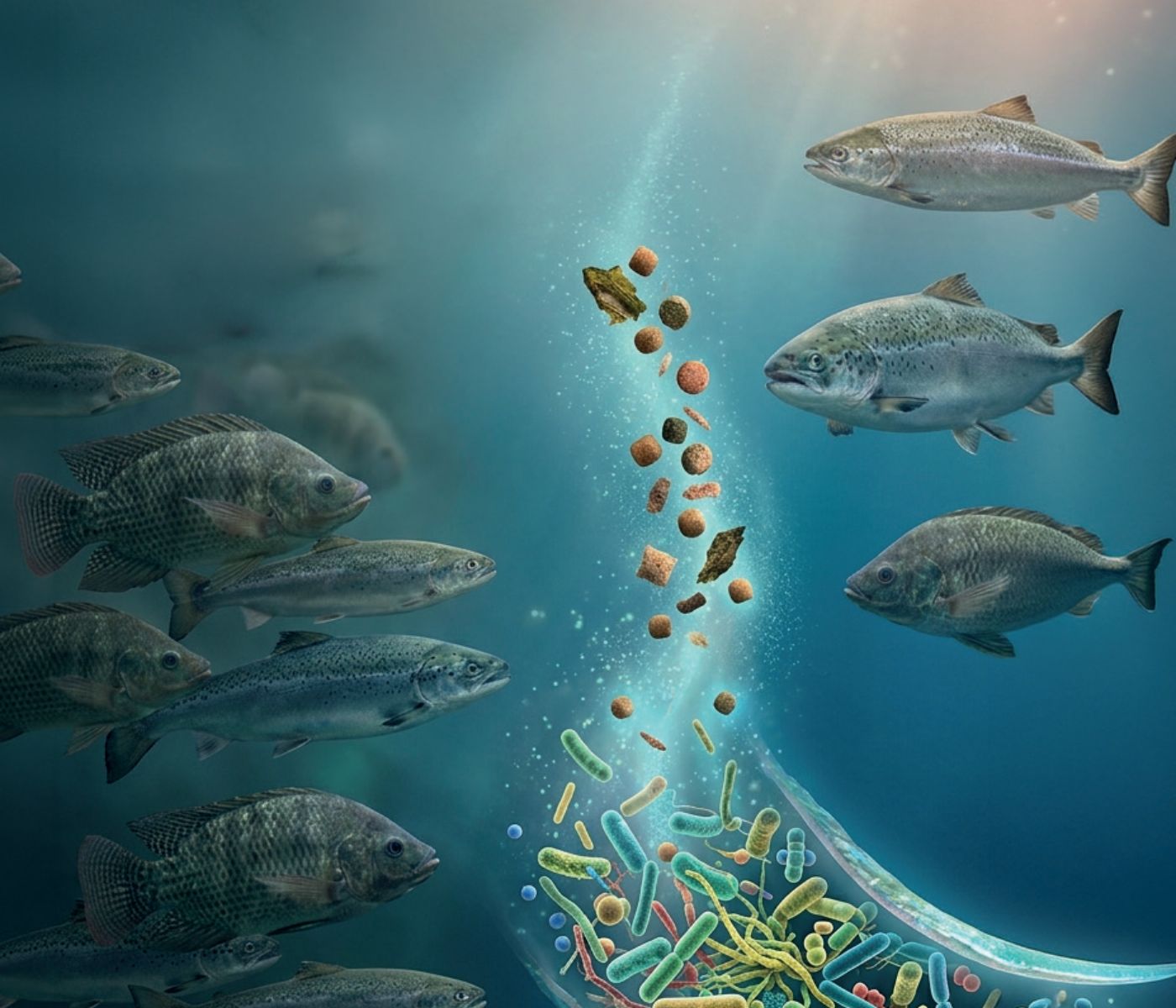
From Antibiotics to Functional Feeds in Aquaculture
Babatunde Saliu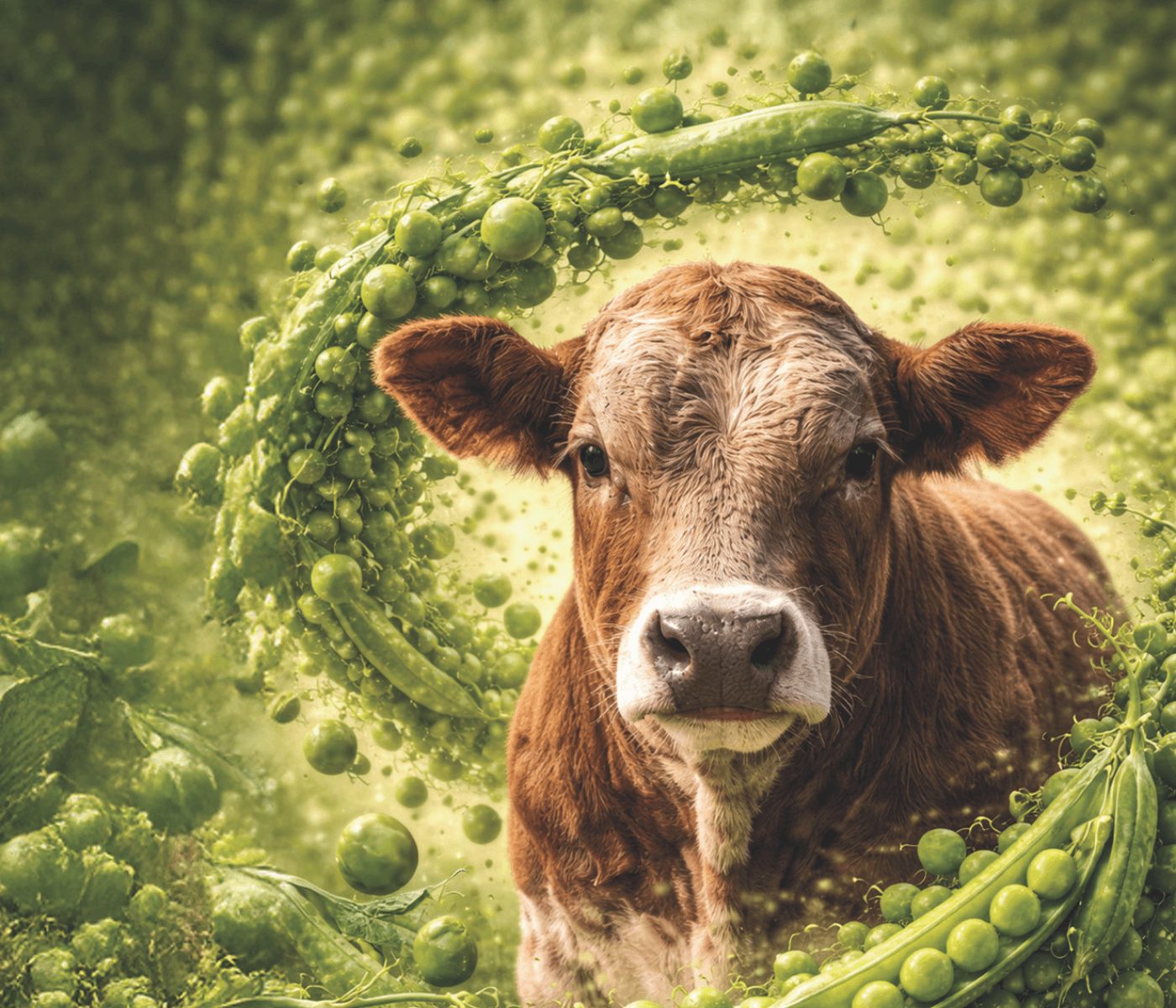
Peas as an Alternative to Soybean Meal in Beef Cattle Finishing Diets
Daniel Villalba Mata,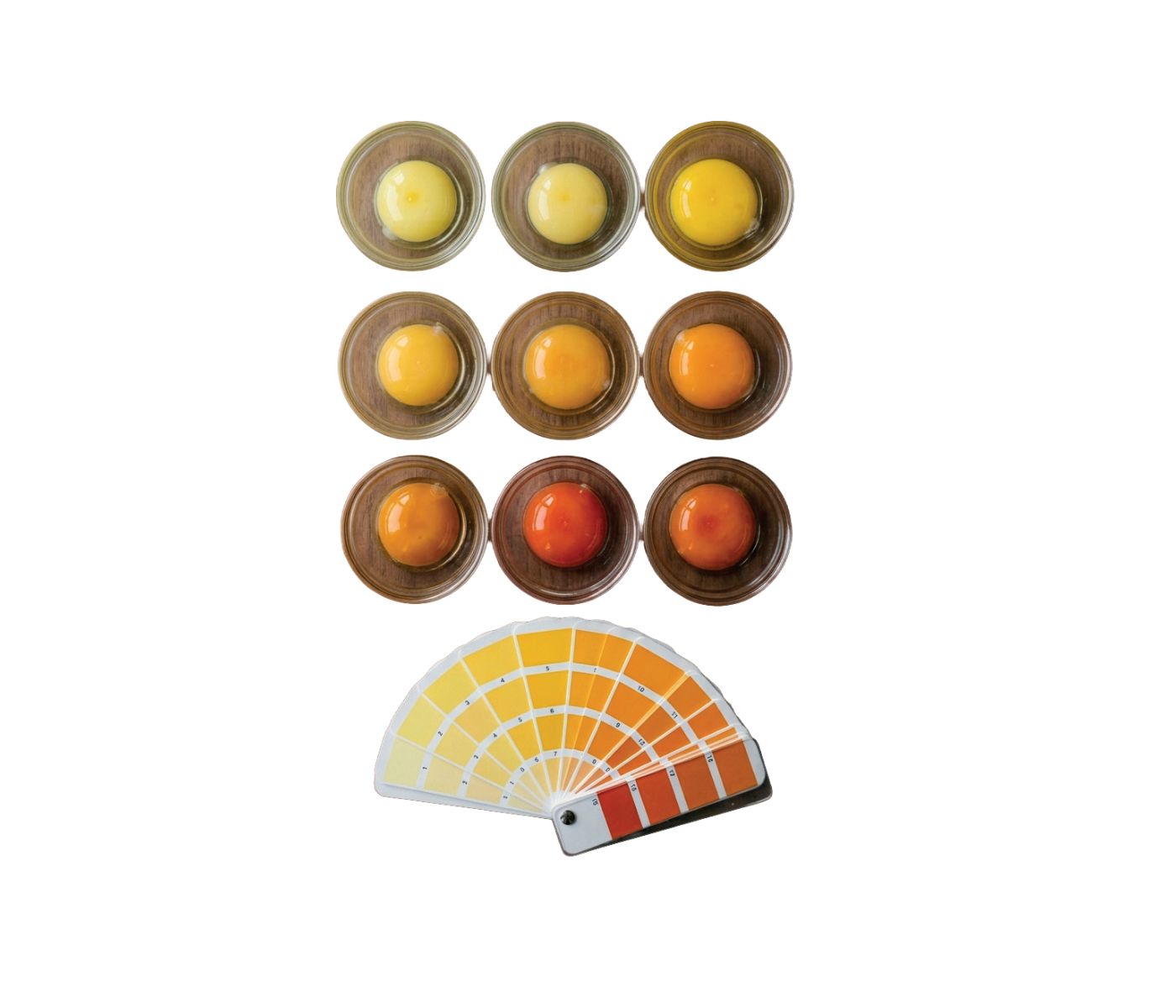
Improving Egg Yolk Pigmentation Through Better Nutrient Transport

Aquaculture and Aquaponics Nutrition: How Fish Shape the Growth of Greens
Trenton Corby
Consistency in Soybean Meal Drives Performance and Sustainability