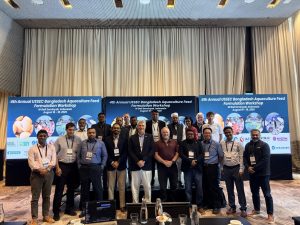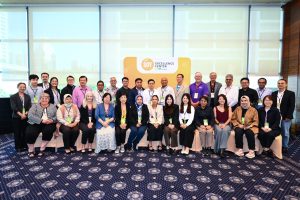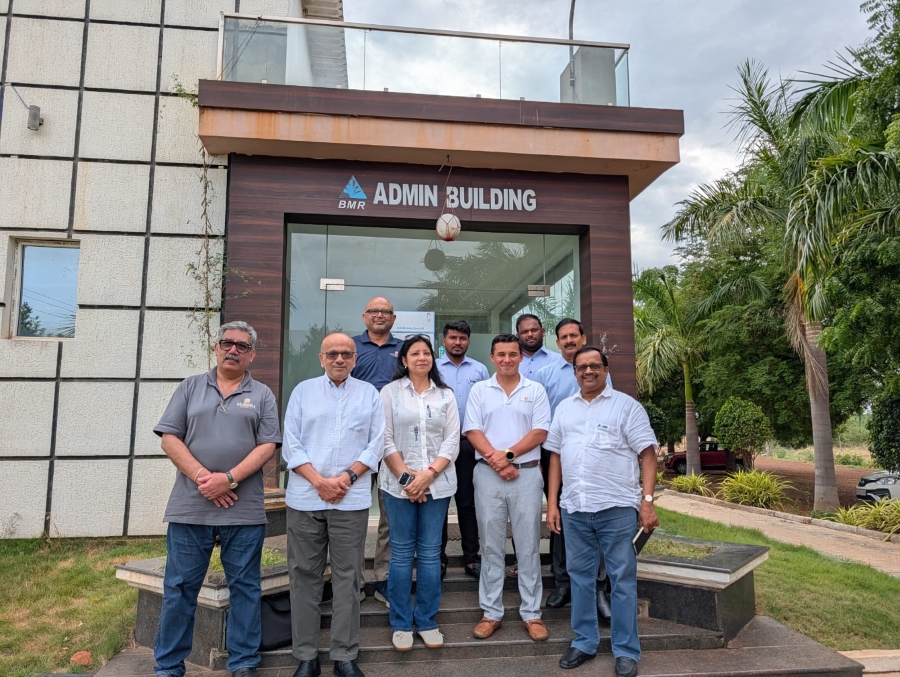
US Grains & BioProducts Council (USGBC) Director of Global Sustainability, Carlos F Suárez recently traveled to India to join the Council’s South Asia team in promoting US distiller’s dried grains with solubles (DDGS) to aquaculture producers.
The group’s goal was positioning the sustainability attributes of US-origin products and related tools the Council has developed to support US market access to the world’s second largest global shrimp exporter.
Mr Suárez joined USGBC Deputy Regional Director for South Asia Arup Mitra, USGBC Regional Consultant Amit Sachdev and USGBC Program Manager Monika Madan for the program.
“The Indian aquaculture industry is facing the same challenges we are seeing across other regions like Southeast Asia and the Americas, in terms of needing to provide sustainability assurances for plant-based ingredients, in line with the different standards that determine market access into lucrative markets such as the European Union,” Mr Suárez said.
The Council’s team met with seven aquaculture producers across India to share how US DDGS provide considerable nutritional advantages in shrimp diets and can reduce the environmental impacts of feed manufacturing and aquaculture operations.
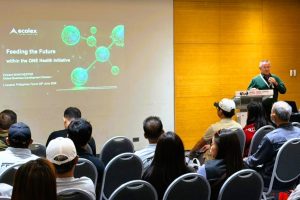
Mr Suárez presented details of the Council’s Sustainable Grain Exports (SGE) platform and its related Corn Sustainability Assurance Protocol (CSAP) and Sorghum Sustainability Assurance Protocol (SSAP), explaining how they help importers and end-users make their products more competitive in mature markets.
As a result of the meetings, several companies registered with the SGE platform, strengthening their relationship with US feed grains.
Each company expressed interest in US DDGS because of their consistent quality, competitive pricing and the records of sustainability created by the CSAP that can provide the required sustainability documentation at no extra cost.
“Increasing the Council’s technical and commercial footprint in the Indian aquaculture sector is an important step in increasing demand for US corn co-products in the near future,” Mr Mitra said.
“These meetings also help identify domestic partners and end-users that can be invited to future conferences and networking events that further expose them to the quality and benefits of US feed grains.”

Subscribe now to the technical magazine of animal nutrition
AUTHORS
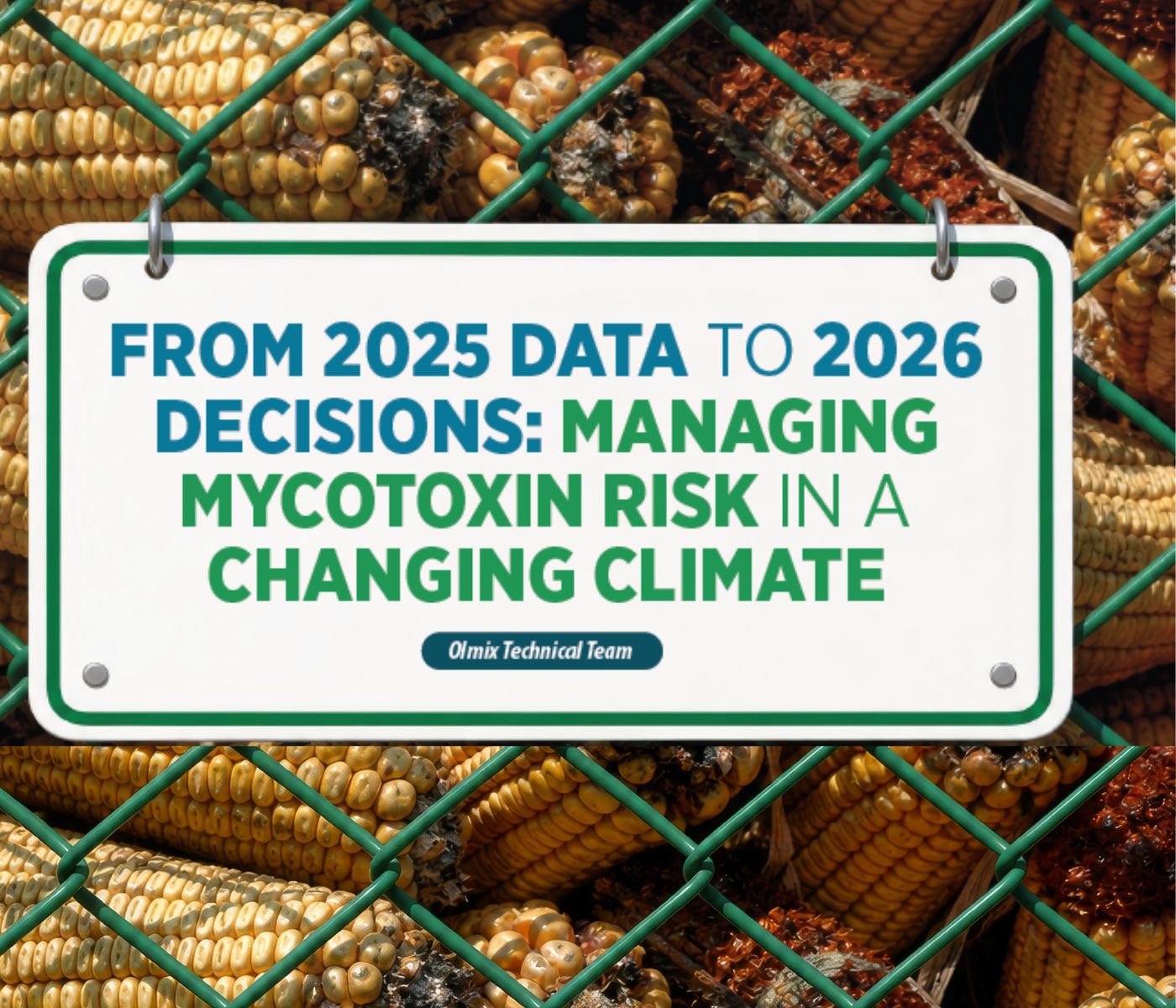
From 2025 Data to 2026 Decisions: Managing Mycotoxin Risk in a Changing Climate
Alterion® NE Celebrates 10 Years of Poultry Gut Health Innovation
The Science Behind Kolin Plus: Beyond Choline Replacement
Summer Infertility in Sows: Managing Heat Stress and Reproductive Performance
AO-Biotics® Amaferm®: Supporting Livestock Digestion and Performance

Interview with Güner Gövenç
Güner Gövenç,
Net Energy and Precision Feeding Shape the Future of Poultry Nutrition
Edgar Oviedo
Mycotoxins in Swine: Health Risks and Nutritional Solutions
Giuseppe Carcò
Mycotoxins and Piglet Ear Necrosis: Cause, Cofactor or Coincidence?
Alberto Morillo
How Mycotoxins Affect Intestinal Health in Pigs and Poultry
Marcos Rostagno
From Antibiotics to Functional Feeds in Aquaculture
Babatunde Saliu
Peas as an Alternative to Soybean Meal in Beef Cattle Finishing Diets
Daniel Villalba Mata,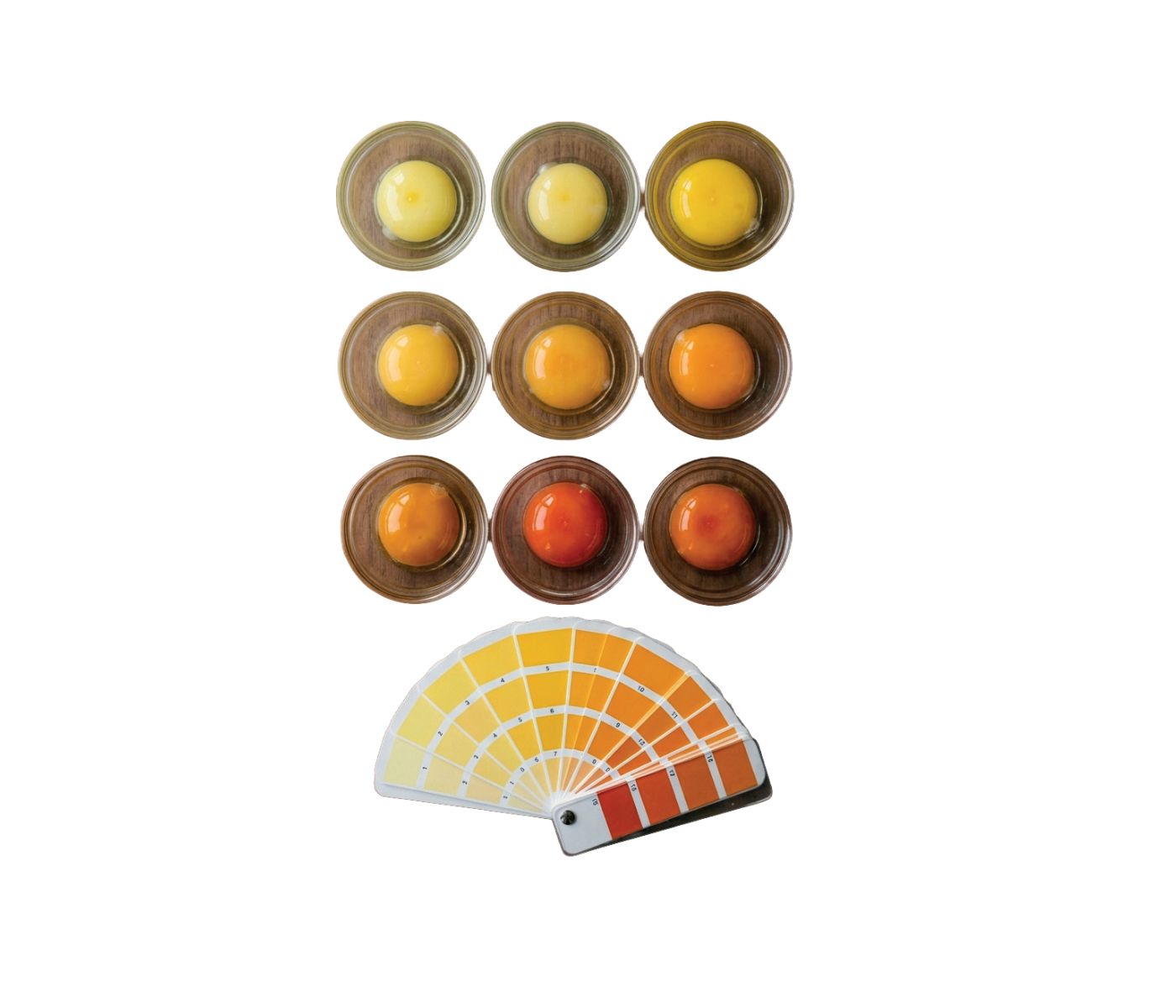
Improving Egg Yolk Pigmentation Through Better Nutrient Transport
Aquaculture and Aquaponics Nutrition: How Fish Shape the Growth of Greens
Trenton Corby
Consistency in Soybean Meal Drives Performance and Sustainability