
Press release 11 Oct


Ergot alkaloids, derived from fungi of the genus Claviceps and often found in contaminated feed, pose a formidable challenge to cattle...
Understanding Ergot Alkaloid Toxicosis
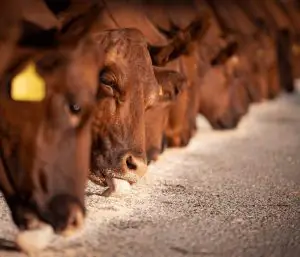
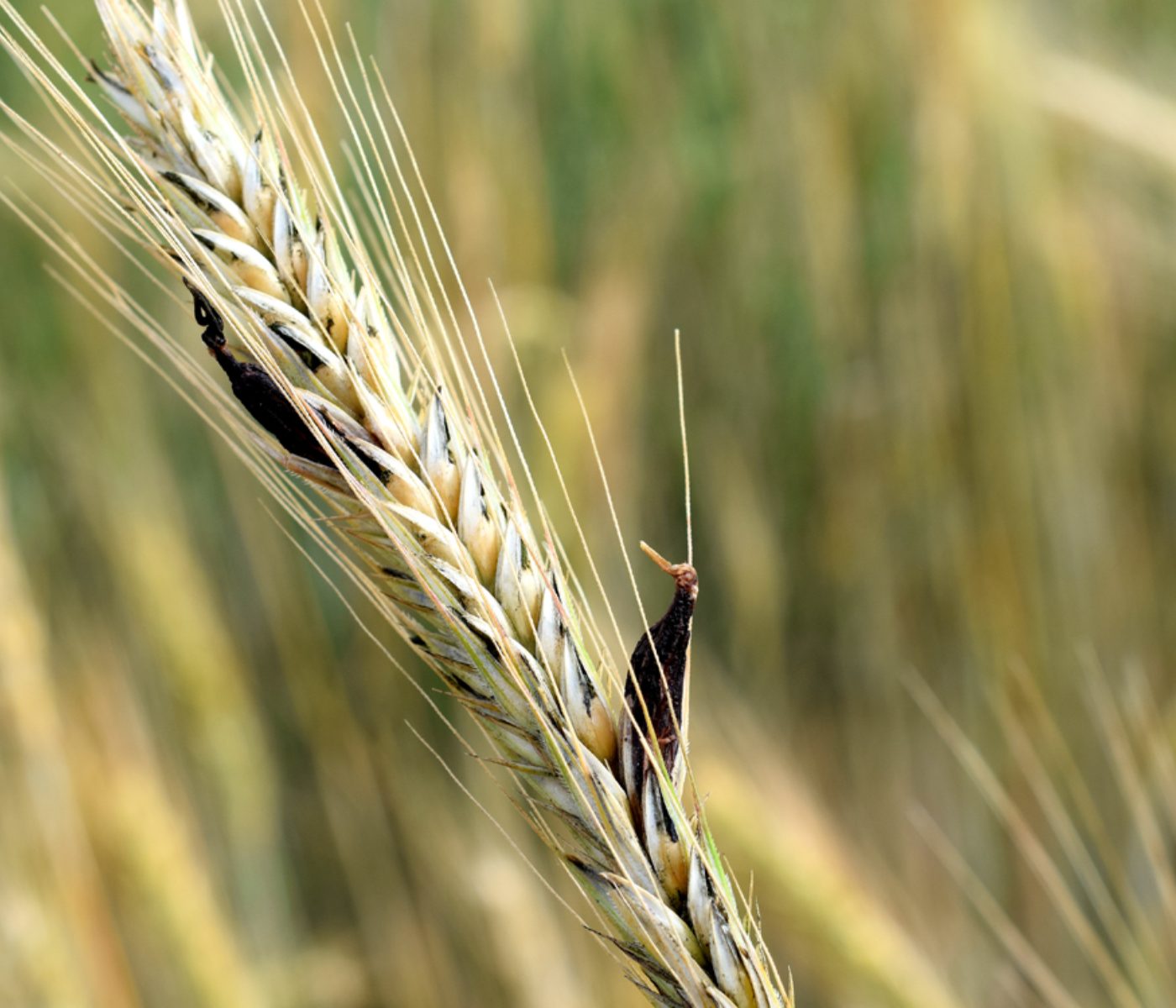
Ergot alkaloids, derived from fungi of the genus Claviceps and often found in contaminated feed, pose a formidable challenge to cattle health and productivity. These compounds disrupt various physiological functions, primarily through interference with serotonin pathways. The consequences include diminished feed intake, vasoconstriction, and gangrenous ergotism. The disruption of serotonin function emerges as a focal point for therapeutic intervention due to its pivotal role in mediating the adverse effects of ergot alkaloids on cattle health.
Investigating 5-HTP Supplementation
A pioneering study conducted at the University of Kentucky examined the effectiveness of 5-hydroxy-L-tryptophan (5-HTP) supplementation as a therapeutic strategy to alleviate the effects of ergot alkaloid toxicosis in cattle. By serving as a precursor to serotonin, 5-HTP bypasses the enzymatic barrier induced by ergot alkaloids, thereby boosting serotonin levels in the bloodstream. The primary goal of 5-HTP supplementation is to restore normal physiological functions, including feed intake and vascular regulation, in cattle affected by ergotism.
Experimental Design and Findings
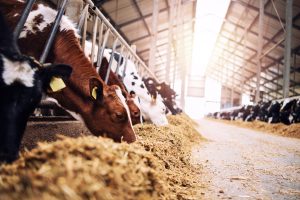
The study employed a meticulously designed experiment utilizing a balanced Latin Square design and eight Holstein steers. These animals were subjected to various combinations of ergovaline (an ergot alkaloid) and 5-HTP treatments. Through rigorous monitoring of crucial parameters such as feed intake, serotonin metabolism, and blood metabolites, the study elucidated a significant decrease in these measures following ergot alkaloid exposure. Remarkably, supplementation with 5-HTP effectively countered these effects, leading to elevated blood serotonin concentrations and restored feed intake levels in ergot-exposed cattle.
Implications and Future Directions

The findings underscore the potential of 5-HTP supplementation as a groundbreaking therapeutic approach for addressing ergotism in livestock. Beyond its immediate effects on feed intake and serotonin levels, further research is imperative to explore the long-term efficacy of 5-HTP supplementation under diverse environmental conditions and extended durations. Additionally, optimizing the dosage and delivery methods of 5-HTP supplementation will be pivotal for maximizing its therapeutic benefits in mitigating ergot alkaloid toxicity in cattle.
Conclusions
This study unveils a promising avenue for combating ergot alkaloid toxicity in cattle through 5-HTP supplementation. By restoring serotonin levels and normalizing physiological functions, 5-HTP supplementation holds immense potential for enhancing livestock health and productivity. Continued research endeavors are indispensable to validate and refine this innovative therapeutic approach, thereby fostering cattle welfare and agricultural sustainability.
You may also like to read: “Pondering Mycotoxins in Swine Farming: Key Insights”
Subscribe now to the technical magazine of animal nutrition
AUTHORS
From 2025 Data to 2026 Decisions: Managing Mycotoxin Risk in a Changing Climate
Alterion® NE Celebrates 10 Years of Poultry Gut Health Innovation
The Science Behind Kolin Plus: Beyond Choline Replacement

Summer Infertility in Sows: Managing Heat Stress and Reproductive Performance
AO-Biotics® Amaferm®: Supporting Livestock Digestion and Performance

Interview with Güner Gövenç
Güner Gövenç,
Net Energy and Precision Feeding Shape the Future of Poultry Nutrition
Edgar Oviedo
Mycotoxins in Swine: Health Risks and Nutritional Solutions
Giuseppe Carcò
Mycotoxins and Piglet Ear Necrosis: Cause, Cofactor or Coincidence?
Alberto Morillo
How Mycotoxins Affect Intestinal Health in Pigs and Poultry
Marcos Rostagno
From Antibiotics to Functional Feeds in Aquaculture
Babatunde Saliu
Peas as an Alternative to Soybean Meal in Beef Cattle Finishing Diets
Daniel Villalba Mata,
Improving Egg Yolk Pigmentation Through Better Nutrient Transport

Aquaculture and Aquaponics Nutrition: How Fish Shape the Growth of Greens
Trenton Corby
Consistency in Soybean Meal Drives Performance and Sustainability