



PET NUTRITION IS MOVING BEYOND BASIC NUTRIENT SUPPLY
Microbiome science, human-inspired functional ingredients, and sustainability and transparency are increasingly shaping how products are formulated, positioned and evaluated.
 15 Sep 2026
Pet food is no longer just about “complete and balanced.” In 2026, the category is being redefined by owners who treat their dogs and cats as family members and expect food to actively support health, longevity and quality of life. At Fi Europe, one of the continent’s leading ingredients and innovation showcases for food, drink, pet food and supplements, industry experts highlighted three overarching trends that are now driving product development, ingredient choices and claims across pet nutrition.
PET NUTRITION IS MOVING BEYOND BASIC NUTRIENT SUPPLY
Microbiome science, human-inspired functional ingredients, and sustainability and transparency are increasingly shaping how products are formulated, positioned and evaluated.
Gut health has been a buzzword for years, but in 2026 it is becoming far more specific and evidence-based. The conversation is shifting from generic “digestive support” to targeted modulation of the gut microbiome, with clear links to immunity, skin health, metabolism, behavior and even healthy ageing.


Probiotic strains (e.g. Bacillus, Enterococcus, Lactobacillus, Saccharomyces) are being selected not just for survival through processing, but for documented effects on microbial balance, stool quality and immune markers.
Prebiotic fibers (FOS, MOS, inulin, beta-glucans) are used to feed beneficial bacteria, while postbiotics—inactivated microbial cells and metabolites—are gaining traction for their stability and targeted immune/gut benefits.
Recent surveys of pet food professionals indicate that functional ingredients for specific health benefits, especially gut health, are seen as the top trend for 2026.



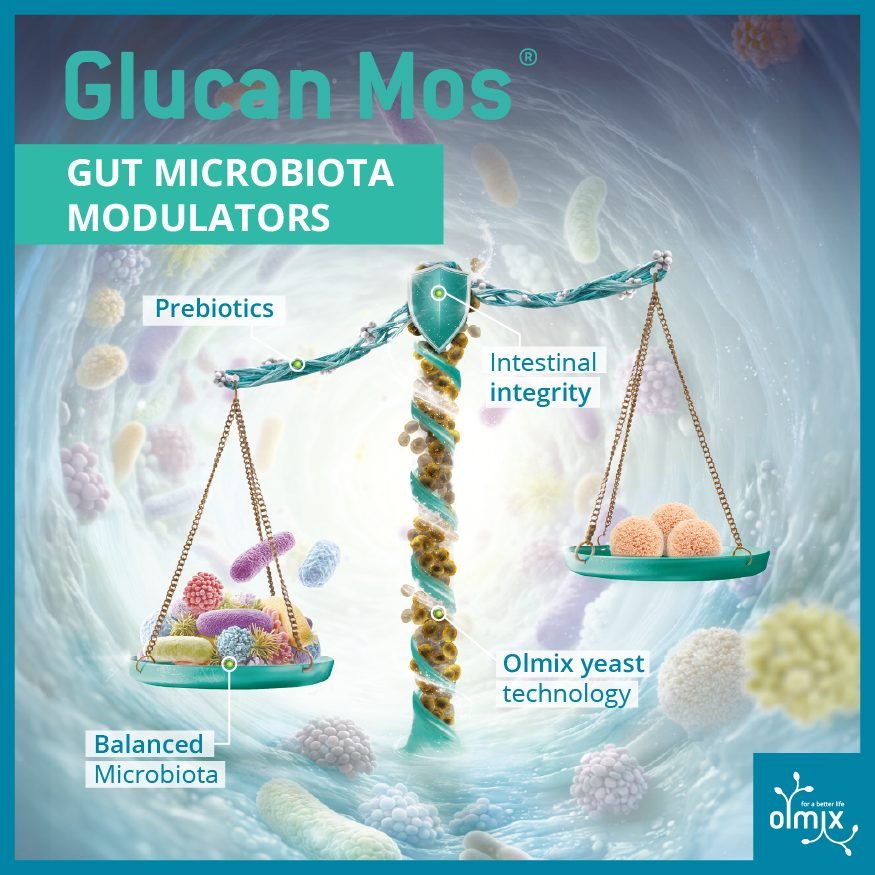
Brands are starting to design diets and treats around how different fibers, proteins and fats shape the microbiome. For example, diverse fermentable fibers from chicory root, oats, pumpkin, flax and leafy greens are promoted not just as “fiber,” but as tools to support microbial diversity and short-chain fatty acid production, which in turn influence immunity, inflammation and barrier function.
Emerging research in cats even suggests that specific probiotic combinations can favorably shift gut bacteria and improve markers linked to kidney function, hinting at future “gut–organ” axes in pet nutrition.
Instead of vague “supports digestion,” new products are positioned around observable outcomes: better stool consistency, reduced gas and odor, improved coat quality, fewer allergy flare-ups, or support during diet transitions and antibiotic courses.
This aligns with a broader move toward precision claims backed by trials measuring microbiota composition, fecal metabolites and immune parameters.
FROM “GUT HEALTH” TO MEASURABLE OUTCOMES
For formulators, gut health is no longer a “tick-box” probiotic inclusion. It requires thoughtful combinations of strains, fibers and functional actives, together with studies capable of substantiating specific and meaningful benefits for the pet.
What’s good enough for people is increasingly expected for pets. The second major trend is the rapid crossover of human nutraceutical and functional food ingredients into pet diets, treats and supplements.
Ingredients once confined to human supplements—mushroom extracts (beta-glucans, triterpenes), polyphenols (berry extracts, green tea, curcumin), carotenoids (lutein, astaxanthin), collagen peptides, specific omega-3 sources (algal DHA, krill oil)—are now appearing in pet formulas aimed at joint health, cognitive support, skin and coat, weight management and healthy ageing.
Industry analyses note that hip and joint supplements remain the largest segment in dog supplements, but gut health (probiotics/prebiotics) and calm/stress support are fast-growing categories, mirroring human wellness trends.
Owners are scrutinizing ingredient lists more than ever. There is strong demand for named protein sources, minimal processing, no artificial colors/flavors/preservatives, and formulas that resemble human meals, including fresh, gently cooked, air-dried and freeze-dried formats.
This has accelerated the growth of premium wet foods, fresh refrigerated diets and functional toppers that use recognizable ingredients while delivering targeted benefits.
In markets from Europe to China and India, premiumization and humanization are cited as primary growth drivers, with owners willing to pay more for products that align with their own food values and health goals.
Alongside traditional meats, there is growing interest in novel proteins (insect, duck, venison, single-cell proteins) and plant-forward blends designed for digestibility, low allergenicity and lower environmental impact.
These are often combined with functional lipids, fibers and phytochemicals to create “complete wellness” formulas rather than simple calorie sources.
FROM PET FOOD TO FUNCTIONAL NUTRITION
The pet food aisle increasingly resembles a functional food and supplement section, with products positioned around specific outcomes such as calm, focus, mobility, gut balance and weight control.
The third trend is less about a single ingredient and more about a values-driven framework for product development: sustainability, ethical sourcing and radical transparency.
Brands are exploring ingredients that reduce environmental footprint: upcycled by-products from human food processing, sustainably sourced fish oils, plant-based lipids, and proteins with lower land and water use.
The goal is to deliver high nutrition while aligning with owners’ concerns about climate, biodiversity and resource use.
In some segments, such as dog chews, single-ingredient, traceable, natural chews are growing fastest, with consumers willing to pay premiums for products that are both functional (e.g. dental health) and ethically sourced.
As functional claims multiply, so does skepticism. Owners and retailers want to know where ingredients come from, how they’re produced, and what evidence supports the claimed benefits.
QR codes linking to sourcing information, third-party certifications, and summaries of clinical or feeding trials are becoming common differentiators.
This is particularly important for high-value categories like supplements, functional treats and premium diets, where price points are higher and expectations are correspondingly elevated.
In Europe and other mature markets, regulators and major retailers are pushing for clearer labeling, stricter substantiation of health claims and more robust safety data for novel ingredients.
This is forcing brands to invest in better documentation, quality systems and long-term safety data, especially for functional actives borrowed from human nutrition.
SUSTAINABILITY BECOMES PART OF THE VALUE PROPOSITION
Sustainability is no longer simply a “nice to have” marketing angle. Ingredient sourcing, traceability, environmental impact and credible evidence are becoming increasingly important parts of how pet nutrition products earn consumer trust.
Taken together, these three trends point to a new playbook for pet nutrition in 2026 and beyond:
Instead of “supports overall health,” think “supports stool quality and microbial balance,” “supports calm behavior during stress,” or “supports joint comfort in active dogs.” Back these with targeted ingredient combinations and, where possible, measurable endpoints.
Leverage well-studied functional ingredients (biotics, polyphenols, mushrooms, specific fibers, omega-3s) but adapt doses, delivery formats and claims to the physiology and regulatory context of dogs and cats.
Avoid “copy-paste” formulations; what works in humans may need different levels or combinations in pets.
Consider ingredient sourcing, processing impacts and end-of-life (packaging) from the outset. Be prepared to explain not just what’s in the bag, but why it’s there, where it comes from and how you know it works.
THE NEW PET NUTRITION PLAYBOOK
Design for specific health outcomes. Borrow intelligently from human nutrition. Make sustainability and transparency part of the formula from the beginning.
Fi Europe’s 2026 snapshot aligns with broader market analyses: the global pet care market is projected to grow from around US$260 billion in 2026 to over US$360 billion by 2031, with pet humanization, premiumization and functional nutrition cited as primary drivers.
Within that, gut health, functional ingredients and sustainability are not passing fads; they are structural shifts that will shape which products win shelf space, loyalty and trust in the coming years.
For brands and ingredient suppliers, the opportunity is clear: move beyond generic “premium” positioning and build science-backed, outcome-focused, transparently sourced solutions that speak to how modern owners really think about their pets’ health.
Those that can combine credible research, compelling ingredient stories and genuine sustainability will be best placed to lead the next phase of pet nutrition.
Subscribe now to the technical magazine of animal nutrition
AUTHORS
From 2025 Data to 2026 Decisions: Managing Mycotoxin Risk in a Changing Climate
Alterion® NE Celebrates 10 Years of Poultry Gut Health Innovation

The Science Behind Kolin Plus: Beyond Choline Replacement

Summer Infertility in Sows: Managing Heat Stress and Reproductive Performance
AO-Biotics® Amaferm®: Supporting Livestock Digestion and Performance

Interview with Güner Gövenç
Güner Gövenç,
Net Energy and Precision Feeding Shape the Future of Poultry Nutrition
Edgar Oviedo
Mycotoxins in Swine: Health Risks and Nutritional Solutions
Giuseppe Carcò
Mycotoxins and Piglet Ear Necrosis: Cause, Cofactor or Coincidence?
Alberto Morillo
How Mycotoxins Affect Intestinal Health in Pigs and Poultry
Marcos Rostagno
From Antibiotics to Functional Feeds in Aquaculture
Babatunde Saliu
Peas as an Alternative to Soybean Meal in Beef Cattle Finishing Diets
Daniel Villalba Mata,
Improving Egg Yolk Pigmentation Through Better Nutrient Transport

Aquaculture and Aquaponics Nutrition: How Fish Shape the Growth of Greens
Trenton Corby
Consistency in Soybean Meal Drives Performance and Sustainability