 09 Jul 2026
The poultry industry continues to navigate a challenging economic landscape. Volatile feed ingredient prices, fluctuating grain quality, climate-related disruptions, and increasing production costs have collectively forced nutritionists and feed manufacturers to rethink traditional feeding strategies. Under these circumstances, enzymes have evolved from being optional feed additives into essential components of precision nutrition programs.
Today, feed enzymes are recognized as technologies capable of improving nutrient utilization, enhancing formulation flexibility, and ultimately protecting farm profitability. Rather than merely adding value to a diet, enzymes now help poultry producers maximize the nutritional potential of available raw materials while reducing dependence on expensive ingredients.
Since feed contributes approximately 65–75% of total poultry production costs, even modest improvements in feed efficiency can translate into significant economic returns. This explains why enzyme adoption continues to accelerate throughout Asia, particularly in countries with rapidly expanding poultry industries such as Indonesia, Vietnam, Thailand, India, and China.
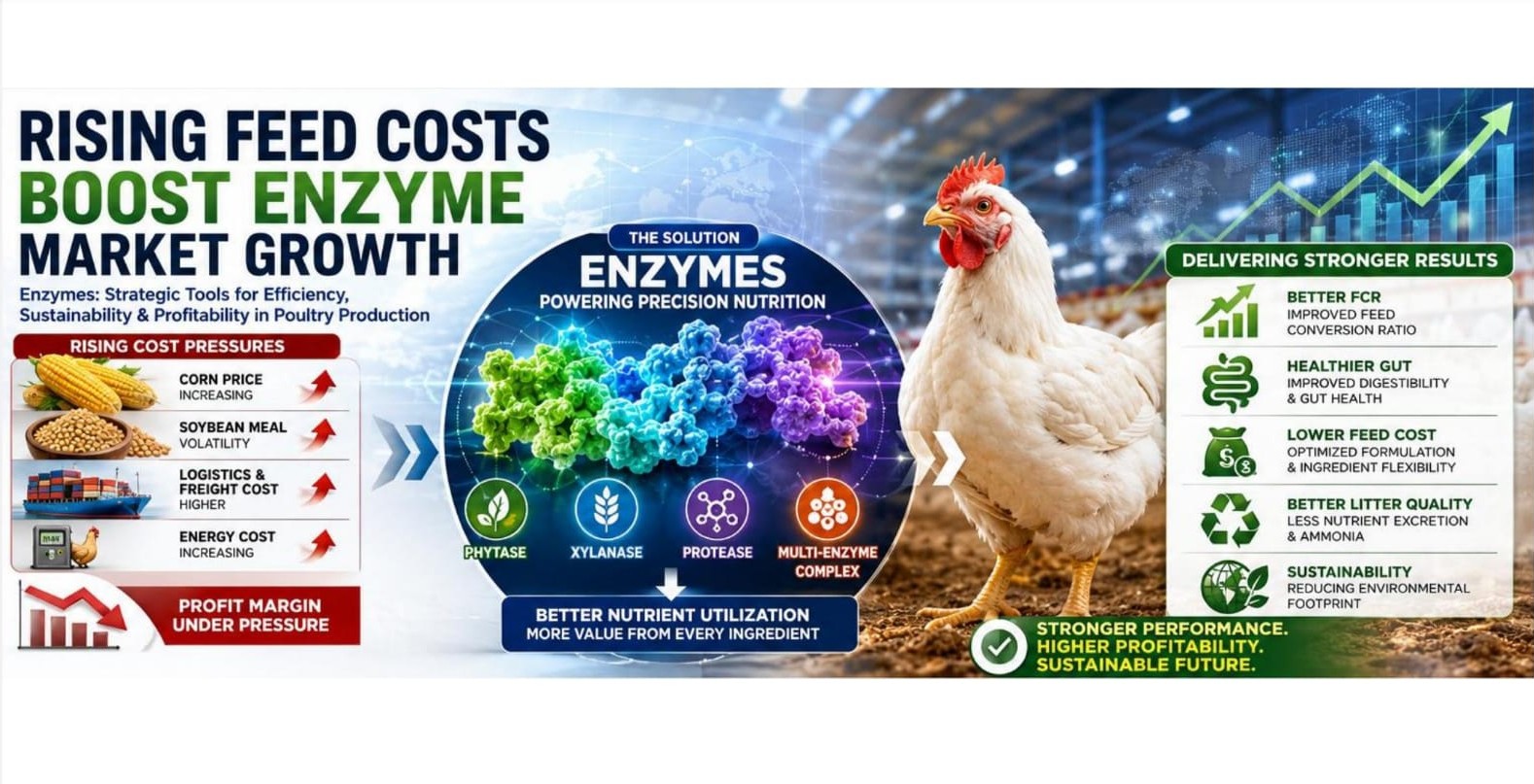


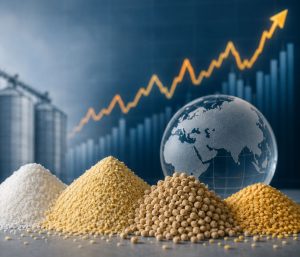
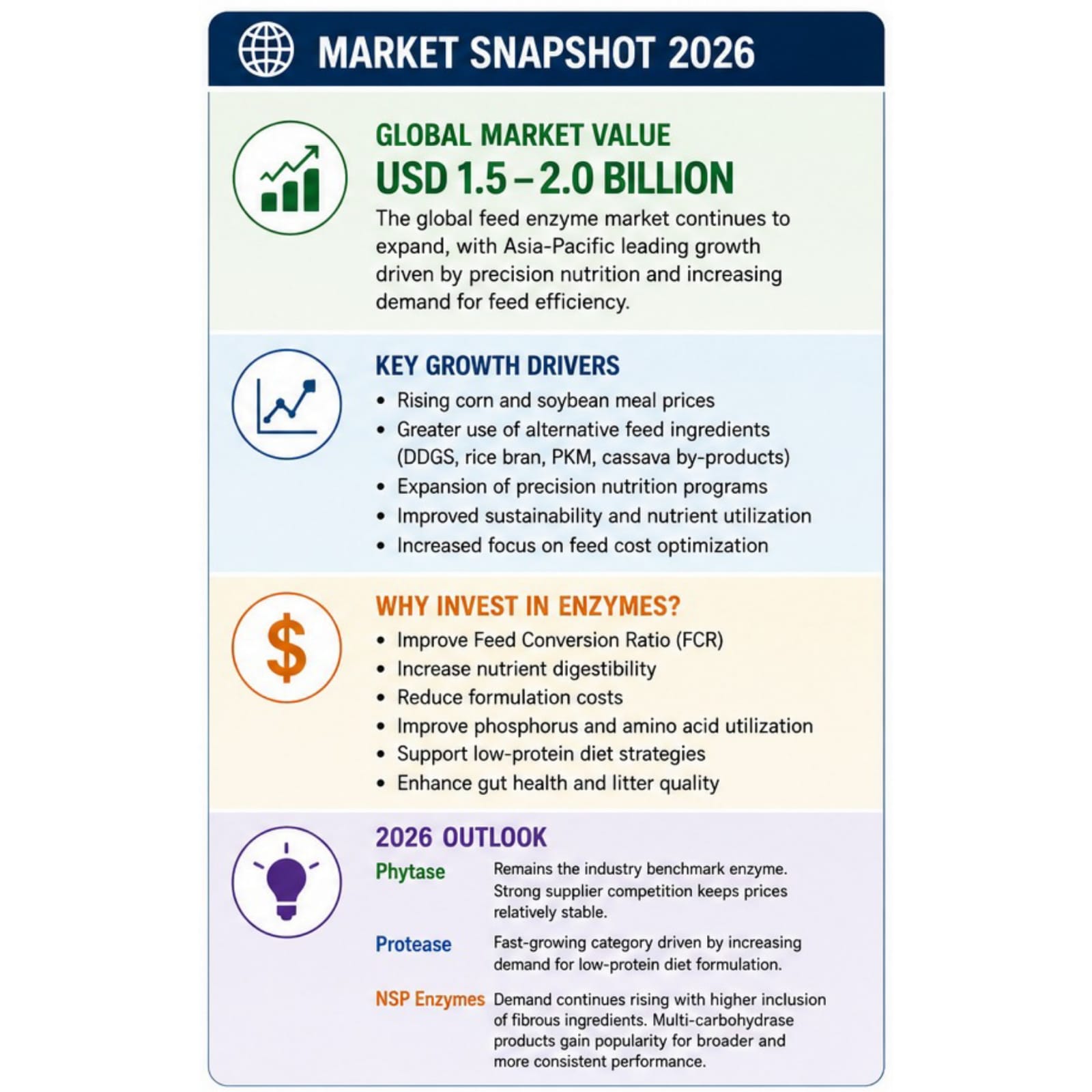
The global feed enzyme market has reflected this trend with consistent expansion over recent years. Industry estimates indicate that the market surpassed USD 1.5–2.0 billion in 2025, with the Asia-Pacific region remaining the primary growth engine. The increasing adoption of precision nutrition, together with the need to optimize feed costs, continues to create strong demand for enzyme technologies across commercial poultry production.
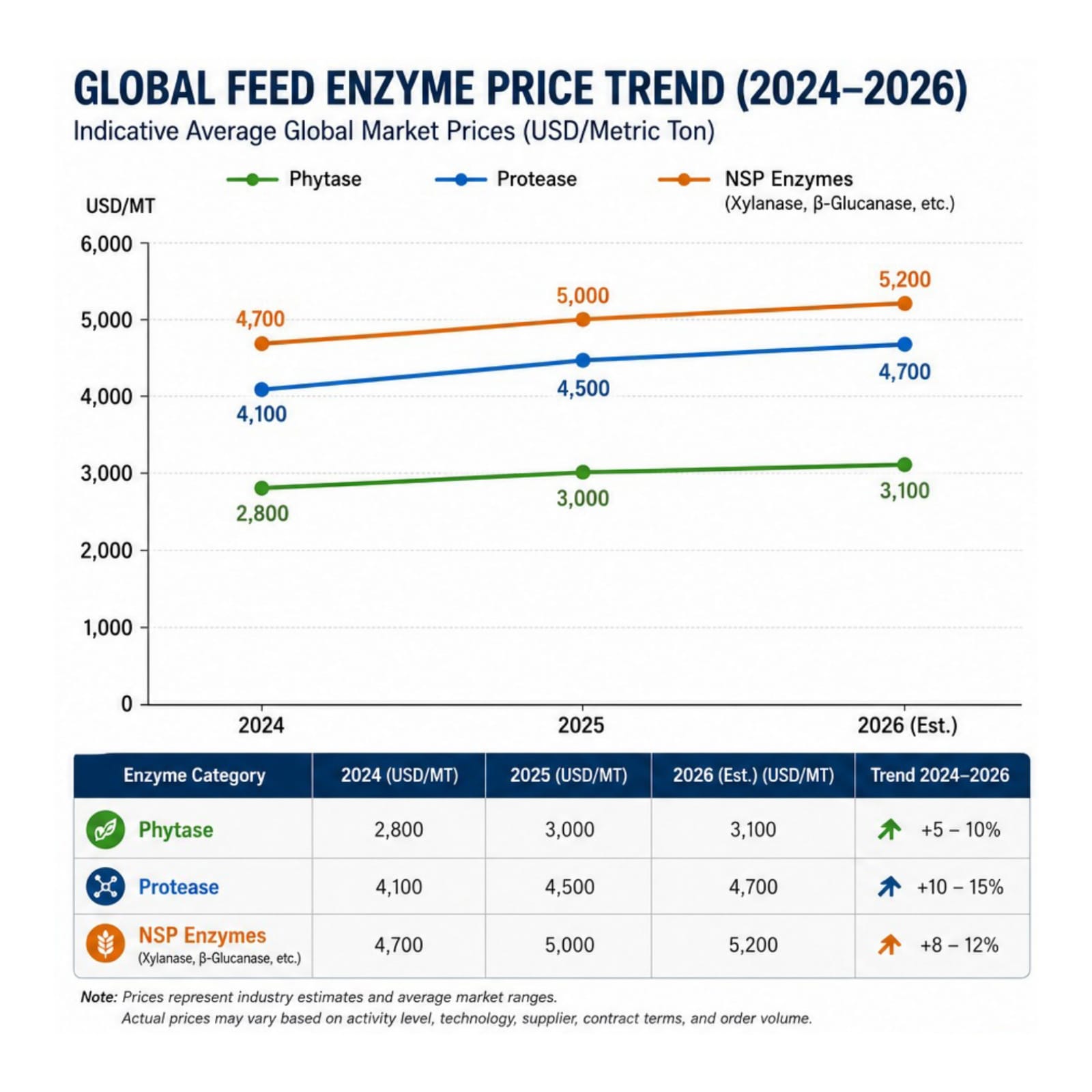
Interestingly, this growing demand has occurred alongside moderate increases in enzyme prices. Throughout 2024 and 2025, several enzyme categories—including phytase, xylanase, β-glucanase, protease, and multi-enzyme complexes—experienced price adjustments driven by higher fermentation costs, rising energy prices, logistics challenges, and stricter environmental regulations affecting industrial production.
As one of the world’s largest enzyme manufacturing centers, China has also experienced higher production expenses due to energy limitations, increased fermentation substrate prices, and transportation costs. Consequently, industry observations suggest that average feed enzyme prices increased by approximately 5–15%, depending on enzyme type and manufacturing technology.

Among the major enzyme categories, phytase remains relatively competitive because of its large production volume and broad commercial application. Meanwhile, more specialized products such as protease and advanced multi-enzyme systems continue to command higher prices due to increasing demand and greater manufacturing complexity.
Although enzyme prices have risen moderately, poultry producers generally continue to view them as profitable investments rather than additional production expenses. The improvement in feed conversion ratio, nutrient digestibility, and formulation flexibility often provides returns that substantially exceed the additional cost of enzyme inclusion.
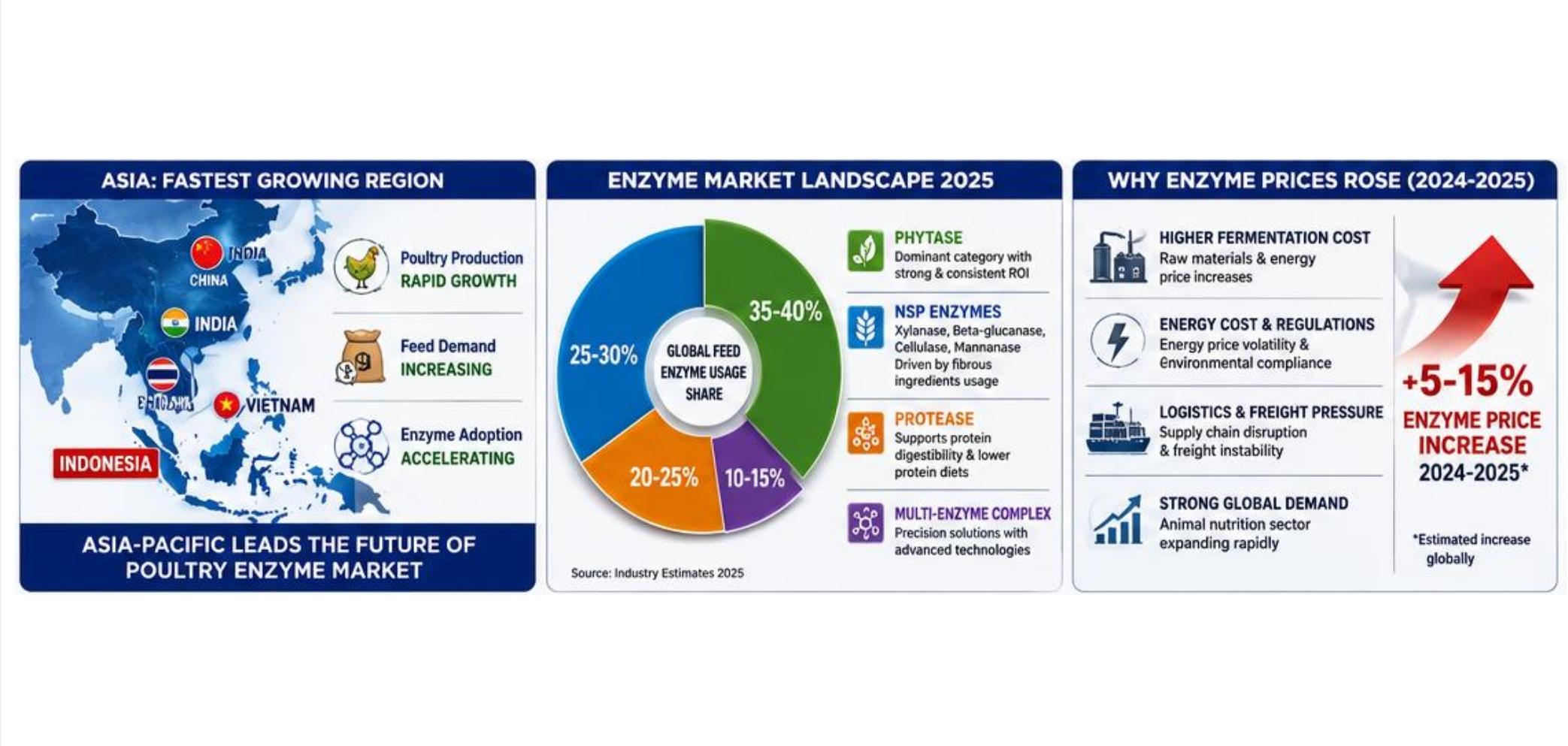
Indonesia’s poultry industry continues to drive enzyme adoption
Indonesia represents one of the most promising enzyme markets in Southeast Asia. Besides maintaining one of the region’s largest poultry populations, Indonesian feed manufacturers are becoming increasingly innovative in utilizing alternative feed ingredients to control formulation costs.
The prolonged volatility of imported soybean meal and corn prices has encouraged greater inclusion of locally available ingredients such as rice bran, palm kernel meal, wheat pollard, cassava by-products, dried distillers grains with solubles (DDGS), and copra meal. While economically attractive, these raw materials generally contain higher concentrations of fiber and anti-nutritional factors that can reduce nutrient availability if not properly managed.
This nutritional challenge has significantly increased the importance of non-starch polysaccharide (NSP) degrading enzymes. Products containing xylanase, β-glucanase, cellulase, and mannanase have become valuable tools for improving the digestibility of fiber-rich ingredients while minimizing their negative effects on gut function.
By degrading complex fiber structures, NSP enzymes reduce intestinal viscosity, improve nutrient absorption, enhance metabolizable energy utilization, and contribute to better litter quality. Their benefits become particularly evident when alternative ingredients replace conventional cereal grains within poultry diets.
Consequently, multi-carbohydrase formulations combining several NSP enzymes have become increasingly popular. Compared with single-enzyme products, these combinations offer broader substrate coverage and more consistent performance under varying feed ingredient compositions.
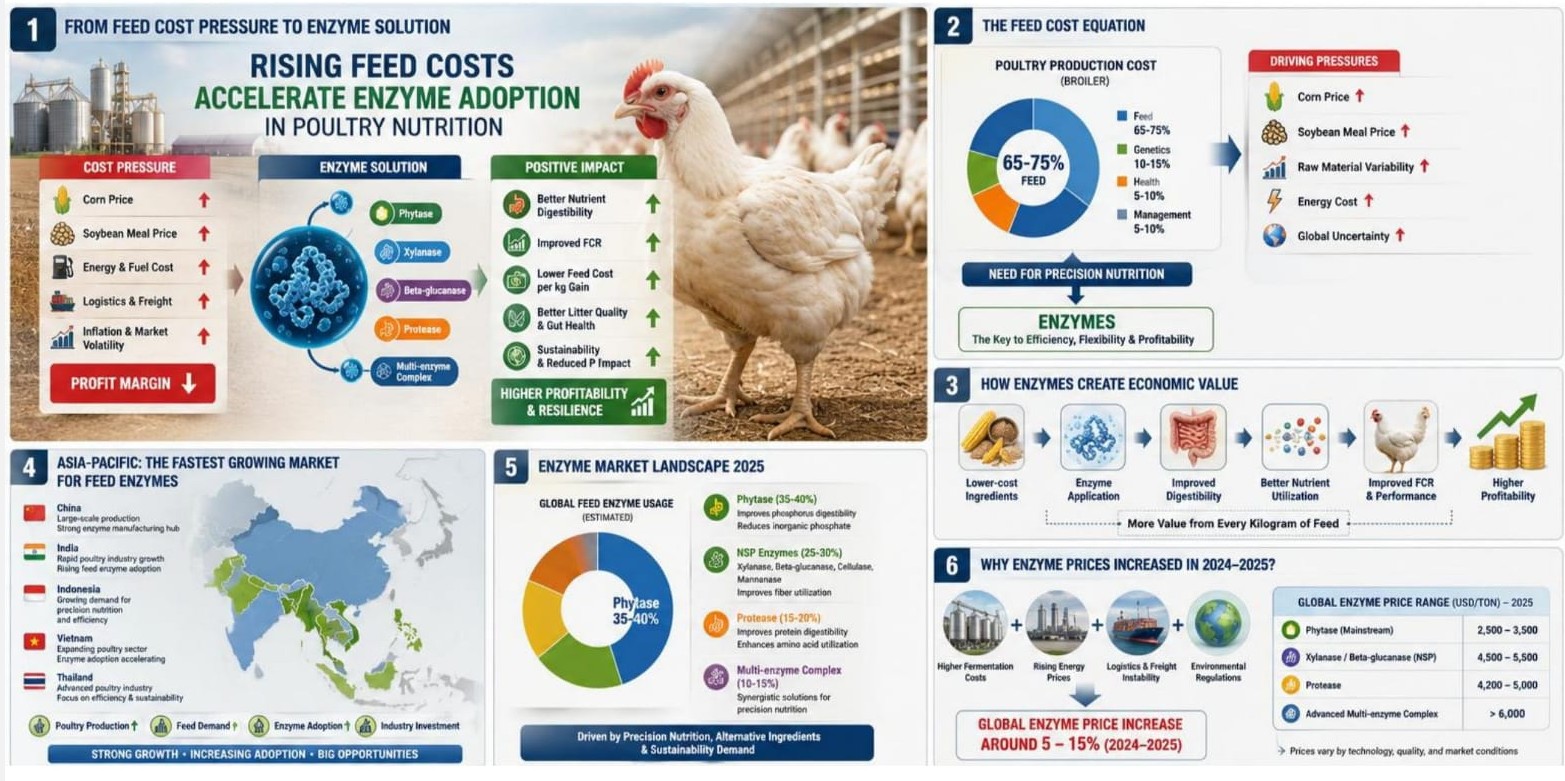
Despite the rapid growth of NSP enzymes, phytase remains the dominant enzyme used in poultry nutrition. Industry estimates indicate that phytase accounts for approximately 35–40% of global feed enzyme utilization, reflecting its outstanding economic value.
Its widespread adoption is largely attributed to its ability to release phosphorus bound within phytate molecules, thereby reducing the need for inorganic phosphate supplementation. In addition to improving phosphorus availability, modern phytase products also contribute to enhanced amino acid digestibility, increased energy utilization, and better overall nutrient efficiency.
Protease represents another enzyme category experiencing strong market expansion. As protein remains one of the most expensive nutritional components in poultry diets, maximizing protein utilization has become an increasingly important objective.
Protease supplementation helps improve protein digestion, increase amino acid availability, support intestinal health, and facilitate the implementation of lower crude protein diets without compromising bird performance. This characteristic aligns well with the growing industry movement toward precision amino acid nutrition.
From feed additives to strategic nutritional technologies
The commercial enzyme industry has changed considerably over the past decade. Purchasing decisions are no longer determined solely by product price or availability. Modern poultry companies increasingly evaluate enzyme suppliers based on scientific evidence, consistency of field performance, matrix value validation, thermostability, technical support, and measurable economic return.
In other words, nutritionists are no longer simply purchasing enzymes—they are investing in nutritional technologies supported by research and practical application.
This shift reflects the broader transformation occurring within poultry nutrition itself. Feed formulation has become increasingly data-driven, with greater emphasis placed on nutrient digestibility, ingredient variability, environmental sustainability, and production efficiency.
Enzymes fit naturally into this precision nutrition framework because they allow nutritionists to unlock nutrients that would otherwise remain unavailable to the bird. Their inclusion enables more flexible formulations while helping maintain production performance despite fluctuations in raw material quality.
Looking ahead, market fundamentals suggest that enzyme demand will remain strong throughout 2026 and beyond. Continued uncertainty surrounding global grain markets, energy prices, and feed ingredient availability is expected to reinforce the industry’s focus on nutritional efficiency.
Conventional enzyme products, particularly phytase, are likely to maintain relatively stable pricing due to expanding manufacturing capacity and increasing supplier competition. Conversely, premium technologies—including advanced NSP blends, coated protease systems, and next-generation multi-enzyme products—may continue to experience selective price increases because of higher production complexity and growing market demand.
Several long-term trends are expected to shape the future development of the poultry enzyme sector:
Despite ongoing economic uncertainty, the long-term outlook for the poultry enzyme industry remains highly encouraging. Enzymes have become indispensable tools for improving nutrient utilization, enhancing production efficiency, increasing formulation flexibility, and supporting sustainable poultry production.
As precision nutrition continues to evolve, enzyme technologies will play an increasingly strategic role in helping poultry producers remain competitive while maximizing both biological and economic performance.



Subscribe now to the technical magazine of animal nutrition
AUTHORS

Consistency in Soybean Meal Drives Performance and Sustainability
Anna Cotcho
Kolin Plus FC: greener choline nutrition for poultry

Middle East conflicts disrupt global feed markets
Edgar Oviedo
Optimizing nutrition for dairy goat and sheep productivity in Cyprus
Carolina Kyriacou
pHix-up improves rumen stability in dairy cows
Subacute ruminal acidosis

Net energy and growth: keys to better prediction in swine production
Gabriela Martínez
How starch structure & protein reduction shape gut health in weaned pigs
Diana Luise
Astaxanthin supplementation in aquaculture
Babatunde Saliu
What is intestinal health?
Marcos Rostagno
Calcium, phosphorus, and phytase optimization in broiler diets
Anna Cotcho