



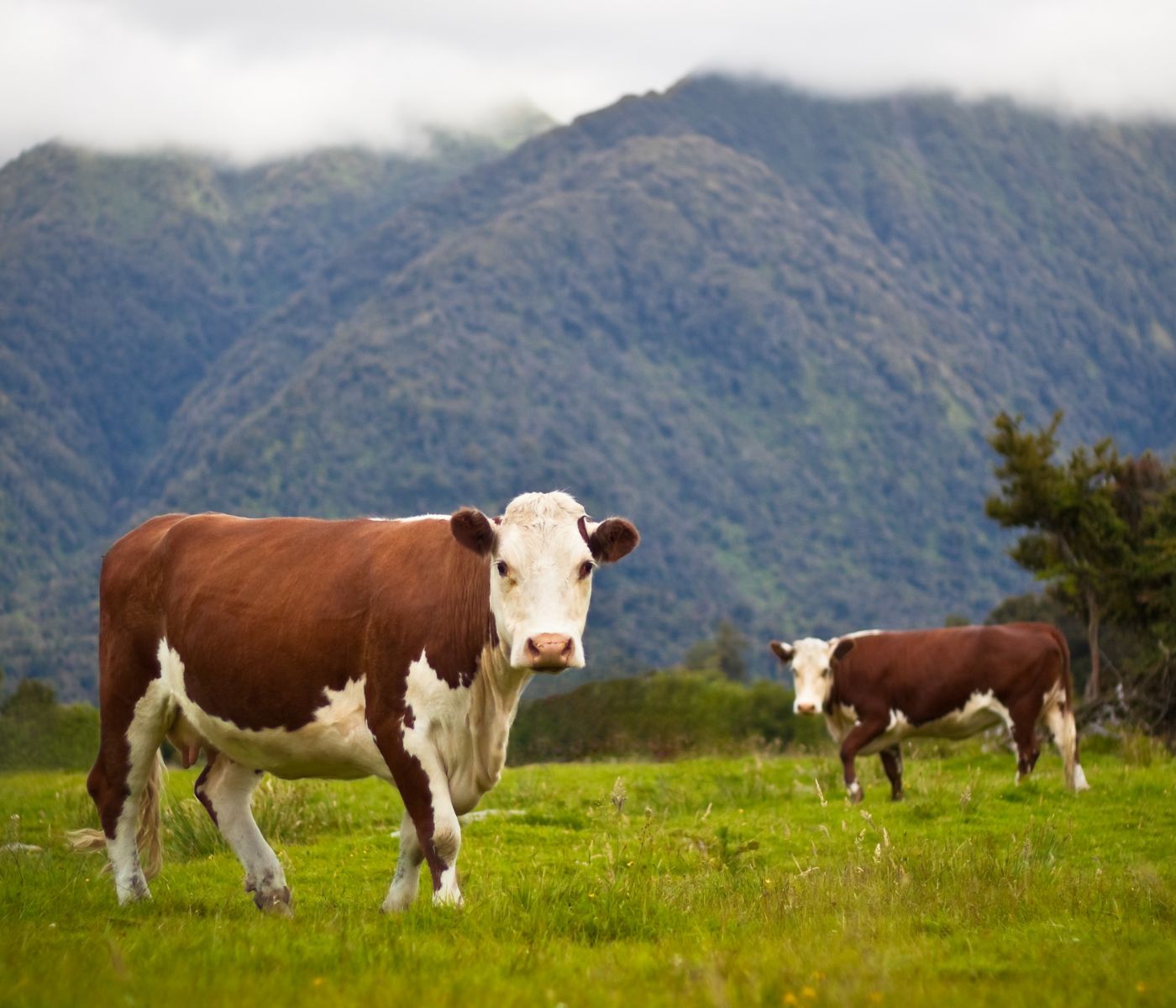
During heat stress and early lactation, dairy cows need nutritional strategies that help sustain nutrient availability, metabolic resilience, and milk production.




 20 May 2026
Heat stress and the start of lactation remain two of the most demanding periods in modern dairy production. Both strain the cow’s energy metabolism, reducing feed intake, limiting milk output, and compromising overall performance. :contentReference[oaicite:0]{index=0}
During heat stress and early lactation, dairy cows need nutritional strategies that help sustain nutrient availability, metabolic resilience, and milk production.
A lactating Holstein dairy cow may produce up to 45 kg of milk daily, or even more. Assuming a 5% lactose content, a 4% milk fat content and a 3.7% milk protein content, it means that this cow will excrete on average 2.25 kg of lactose, 1.8 kg of fat and close to 1.7 kg of protein daily.
This impressive production of essential nutrients for human consumption can only happen if the input of nutrients to the mammary gland is sufficient. To limit protein or fat mobilization from muscle or adipose tissue, the cow ideally gets the required nutrients from the feed.

High milk production depends on maintaining a continuous and sufficient nutrient supply to the mammary gland.
However, at the onset of lactation, when the cow is still recovering from calving and transitioning to the lactating diet, feed intake is usually not sufficient to cover the protein and energy required for milk production.
As a consequence, the cow enters a stage of negative energy and protein balance and starts mobilizing fat and protein from body tissues. Fatty acids mobilized from body reserves are transported to the liver as non-esterified fatty acids (NEFA).



When NEFA levels become excessive, hepatic metabolism shifts toward their oxidation into acetyl CoA within the mitochondria. Under conditions of high glucose demand, the liver then converts acetyl CoA into ketone bodies, which are released into the bloodstream and used by various tissues, including the mammary gland.
Excessive mobilization of fat and protein during early lactation can increase metabolic stress and weaken long-term health, fertility, and future milk production.
Although ketone bodies partially help meet the animal’s energy requirements, elevated concentrations have detrimental effects on overall metabolism. They contribute to systemic inflammation and increase the risk of disorders such as mastitis, metritis, and lameness.
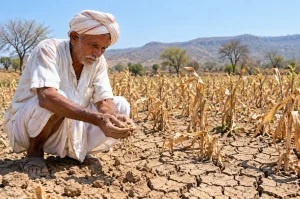
Heat stress is another challenge for dairy cows. During heat stress, characterized by an increase in the temperature and humidity index (THI), cows try to adapt by diverting energy toward thermoregulation. The first consequence is reduced intake.
A recent meta-analysis of 34 studies showed that, compared with thermoneutral conditions (THI around 63), heat stress (THI around 77) reduced dry matter intake from 21.3 to 17.3 kg/day and milk yield from 32.5 to 27.0 kg/day.
Heat stress reduces dry matter intake and milk yield, but reduced intake alone does not explain the full performance loss.
The direct negative effect of higher environmental temperature would only explain 35% of the reduced performance. Increased body temperature also negatively impacts several metabolic pathways.
Among others, the redirection of blood flow to the periphery to favor heat dissipation reduces the oxygen available for internal cells. Intestinal cells, which are highly sensitive to reduced oxygen availability, reduce their activity, leading to lower digestion and nutrient absorption.
Therefore, any management practice or nutritional solution that supports nutrient input to dairy cows during transition or heat stress can help maintain animal performance and health.
Capsaicin, the spicy bioactive compound in chili peppers, is a natural agonist of the TRPV1 receptor, a heat-sensitive ion channel expressed in the gastrointestinal tract of ruminants.
When capsaicin binds to TRPV1, it triggers calcium-dependent signaling pathways that stimulate the release of neuropeptides such as calcitonin gene-related peptide (CGRP).
Capsaicin supports a “glucose sparing” effect, helping redirect glucose toward insulin-independent tissues such as the mammary gland.
CGRP has systemic metabolic effects, including a reduction in pancreatic insulin secretion. Lower circulating insulin helps redirect glucose away from insulin-dependent tissues and toward insulin-independent tissues like the mammary gland.
This glucose sparing effect is especially advantageous during heat stress or early lactation, when insulin is naturally low and glucose demand for milk synthesis is high.
Activation of TRPV1 also appears to enhance digestive function. Studies in monogastric species show that capsaicin can stimulate digestive enzyme secretion, including bile and pancreatic enzymes, and lengthen microvilli.
Overall, TRPV1 activation by capsaicin supports more efficient energy partitioning, strengthens nutrient utilization, and helps maintain milk yield under metabolic stress.
Across more than 10 studies, two independent meta-analyses concluded that capsaicin supplementation increased milk yield by an average of 1.2 kg/day.
BoruCare® Capsin is produced from whole chili fruit. The fruit is ground, standardized for capsaicinoid content, and encapsulated in a fatty matrix to reduce pungency and improve handling.
This approach offers several advantages:
BoruCare® Capsin combines whole-fruit chili compounds with encapsulation technology for stability, handling safety, and feed-processing resilience.
Trials with BoruCare® Capsin show consistent gains:
These results highlight the value of targeting early lactation and high-temperature periods, when cows need the most metabolic support.
Capsaicin will not replace good heat stress or transition cow management, but it can meaningfully support cows when their energy metabolism is under strain.
From stabilizing nutrient availability to helping sustain milk output in the toughest weeks of lactation, BoruCare® Capsin offers a practical, research-supported solution.
With its solvent-free production, broad plant compound retention, and excellent stability, BoruCare® Capsin helps bridge the gap between scientific insight and on-farm performance.
For herds aiming to maintain resilience through hot summers and the metabolic demands of early lactation, BoruCare® Capsin offers targeted nutritional support when cows need it most.


Subscribe now to the technical magazine of animal nutrition
AUTHORS

From 2025 Data to 2026 Decisions: Managing Mycotoxin Risk in a Changing Climate
Alterion® NE Celebrates 10 Years of Poultry Gut Health Innovation
The Science Behind Kolin Plus: Beyond Choline Replacement

Summer Infertility in Sows: Managing Heat Stress and Reproductive Performance
AO-Biotics® Amaferm®: Supporting Livestock Digestion and Performance

Interview with Güner Gövenç
Güner Gövenç,
Net Energy and Precision Feeding Shape the Future of Poultry Nutrition
Edgar Oviedo
Mycotoxins in Swine: Health Risks and Nutritional Solutions
Giuseppe Carcò
Mycotoxins and Piglet Ear Necrosis: Cause, Cofactor or Coincidence?
Alberto Morillo
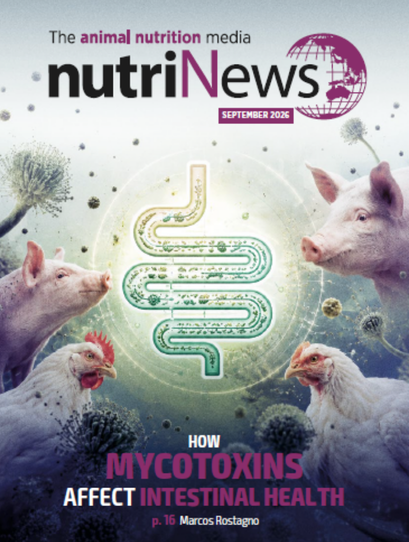
How Mycotoxins Affect Intestinal Health in Pigs and Poultry
Marcos Rostagno
From Antibiotics to Functional Feeds in Aquaculture
Babatunde Saliu
Peas as an Alternative to Soybean Meal in Beef Cattle Finishing Diets
Daniel Villalba Mata,
Improving Egg Yolk Pigmentation Through Better Nutrient Transport

Aquaculture and Aquaponics Nutrition: How Fish Shape the Growth of Greens
Trenton Corby
Consistency in Soybean Meal Drives Performance and Sustainability