 18 Apr 2023
The use of exogenous enzymes in monogastric nutrition requires special consideration:
Currently phytase is considered as a broadly used enzyme in animal production. This is partly due to its well known benefits: as it helps to release phosphorus contained in animal diets, which without the use of this enzyme would remain unavailable. Therefore, the use of phytase contributes to lowering inorganic phosphorus inclusion in diets, which in turn reduces phosphorus excretion into the environment.
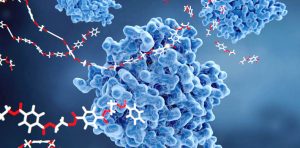
Carbohydrases, which will be the main topic addressed in this article, are enzymes that have gained great notoriety lately. This is growing interest in these enzymes, is related to their ability to degrade complex carbohydrates found in grains.


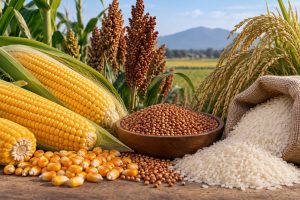
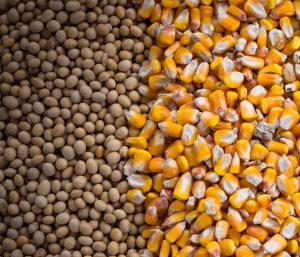
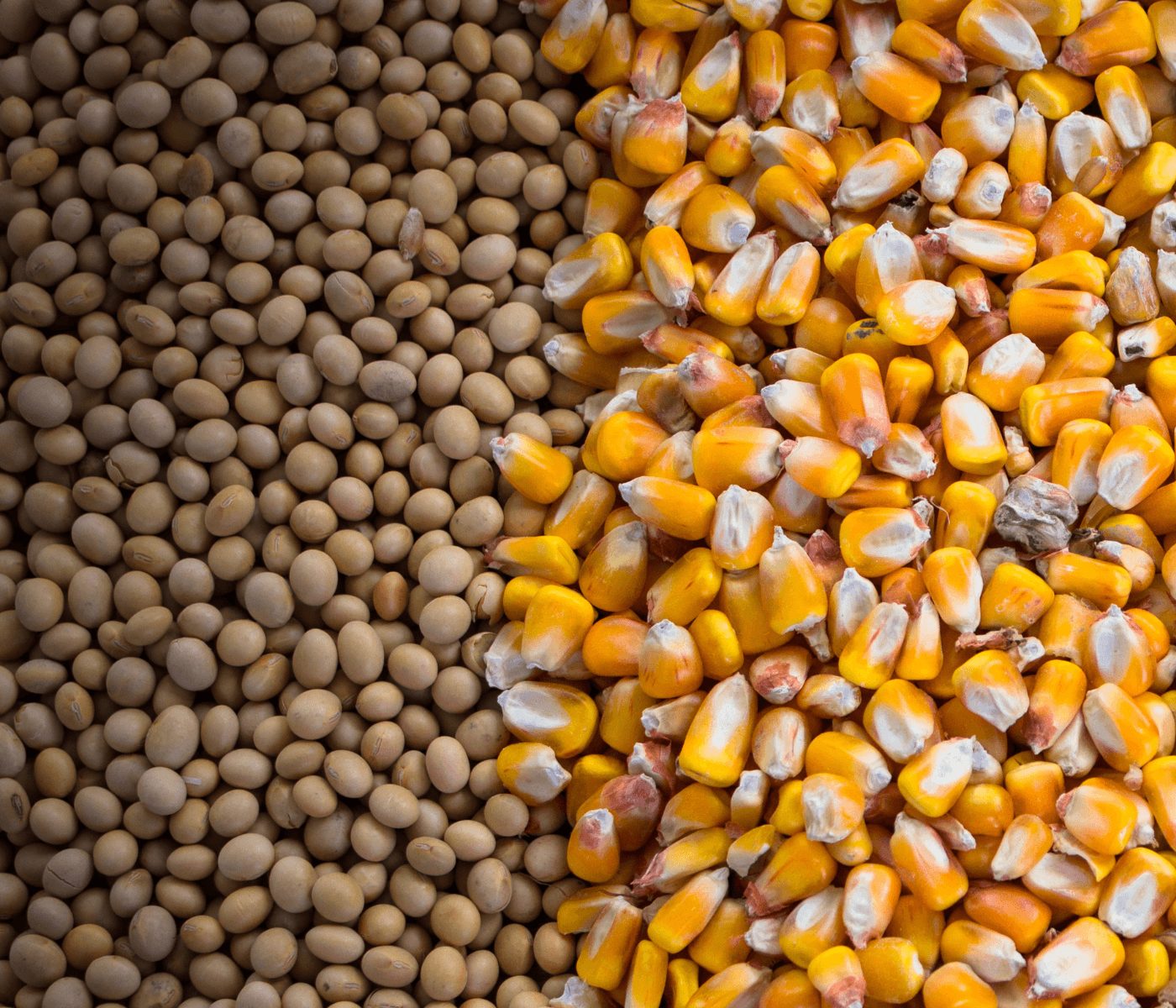
The search for alternatives that contribute to reducing the cost of feed without compromising performance in animal nutrition is a major priority. Thus, the use of exogenous enzymes in diets containing alternative grains, such as: wheat, oats, barley and rice bran,has become a well established practice. As this nutritional strategy contributes to improving feed digestibility, while minimizing antinutritional effects and favoring productive parameters.
These feedstuffs have a high concentration of non-starch polysaccharides, which are components of the cell wall of vegetables, which cannot be fully degraded by animal’s endogenous enzymes. This affects the digestibility of this type of ingredients and causes changes in the digestive tract’s viscosity.



Subscribe now to the technical magazine of animal nutrition
AUTHORS
From 2025 Data to 2026 Decisions: Managing Mycotoxin Risk in a Changing Climate
Alterion® NE Celebrates 10 Years of Poultry Gut Health Innovation
The Science Behind Kolin Plus: Beyond Choline Replacement
Summer Infertility in Sows: Managing Heat Stress and Reproductive Performance
AO-Biotics® Amaferm®: Supporting Livestock Digestion and Performance

Interview with Güner Gövenç
Güner Gövenç,
Net Energy and Precision Feeding Shape the Future of Poultry Nutrition
Edgar Oviedo
Mycotoxins in Swine: Health Risks and Nutritional Solutions
Giuseppe Carcò
Mycotoxins and Piglet Ear Necrosis: Cause, Cofactor or Coincidence?
Alberto Morillo
How Mycotoxins Affect Intestinal Health in Pigs and Poultry
Marcos Rostagno
From Antibiotics to Functional Feeds in Aquaculture
Babatunde Saliu
Peas as an Alternative to Soybean Meal in Beef Cattle Finishing Diets
Daniel Villalba Mata,
Improving Egg Yolk Pigmentation Through Better Nutrient Transport

Aquaculture and Aquaponics Nutrition: How Fish Shape the Growth of Greens
Trenton Corby
Consistency in Soybean Meal Drives Performance and Sustainability