 11 Feb 2022
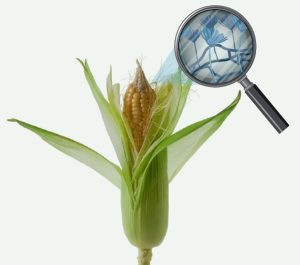
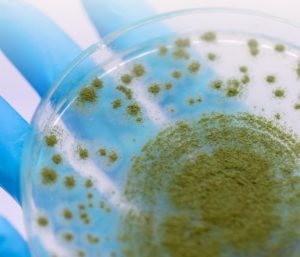
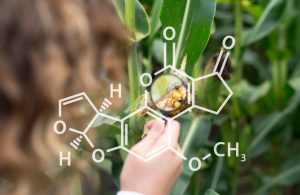
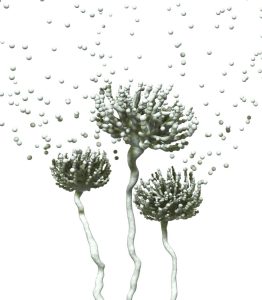
Aflatoxins constitute a family of secondary metabolites produced mainly by Aspergillus flavus and Aspergillus parasiticus. Aflatoxins are known to affect important foods, including oilseeds and cereals.
Aflatoxins comprise aflatoxin B1, B2, G1, G2, M1 and M2 in which AFB1 shows increased toxicity in addition to causing immunosuppression, carcinogenicity, teratogenicity and mutagenicity (Bhat et al., 2010).
The secretion of aflatoxin AFB1 depends on abiotic factors such as:
| The toxicity of AFB1 in animals varies by age, sex and species, as well as the dose and duration of exposure to this toxin (Dhanasekaran et al. , 2011). |
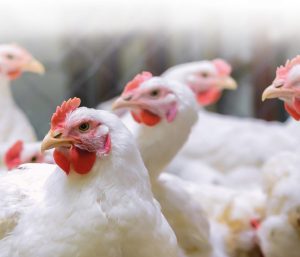
 In chickens, aflatoxicosis is usually characterized by weakness, decreased weight gain lower feed efficiency and egg production. Also including more severe symptoms involving hemorrhagic liver and death (Dalvi et al. , 1986).
 Feed contaminated with AFB1 in pigs creates symptoms similar to those of poultry. These involve reduced feed intake, impaired liver and immune functions, as well as altered serum biochemical parameters (Devreese et al., 2013).
Pierron et al. (2016) found that dietary exposure to AFB1 in pigs resulted in altered lymphocyte activation, a negative influence on vaccine efficacy, and a delayed cell-mediated immune response.
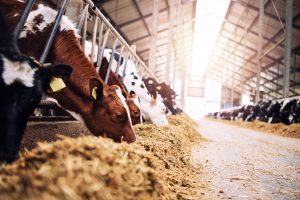
 Dairy cattle are relatively more resistant to mycotoxins including aflatoxins due to the ability of rumen microflora to biotransform toxins into less toxic metabolites upon ingestion (Fink-Gremmels et al., 2013).
 However, AFB1 can directly affect the metabolism of rumen microflora and consequently hinder rumen digestion (Gallo et al. , 2015).

The toxicity of AFB1 in dairy cows has a double importance, since it affects the anima’s performance and leads to milk contamination being of great concern for human food.
Prevention of aflatoxicosis with the use of dietary supplements
Subscribe now to the technical magazine of animal nutrition
AUTHORS
From 2025 Data to 2026 Decisions: Managing Mycotoxin Risk in a Changing Climate
Alterion® NE Celebrates 10 Years of Poultry Gut Health Innovation
The Science Behind Kolin Plus: Beyond Choline Replacement
Summer Infertility in Sows: Managing Heat Stress and Reproductive Performance
AO-Biotics® Amaferm®: Supporting Livestock Digestion and Performance

Interview with Güner Gövenç
Güner Gövenç,
Net Energy and Precision Feeding Shape the Future of Poultry Nutrition
Edgar Oviedo
Mycotoxins in Swine: Health Risks and Nutritional Solutions
Giuseppe Carcò
Mycotoxins and Piglet Ear Necrosis: Cause, Cofactor or Coincidence?
Alberto Morillo
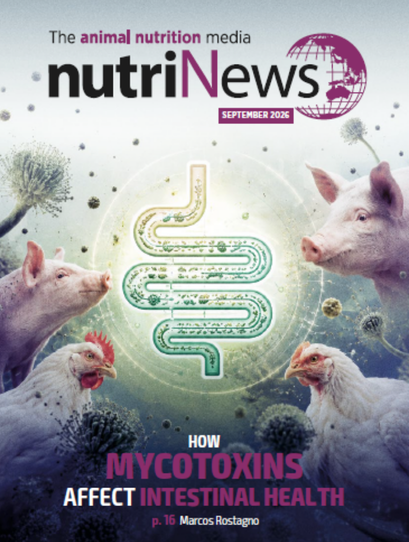
How Mycotoxins Affect Intestinal Health in Pigs and Poultry
Marcos Rostagno
From Antibiotics to Functional Feeds in Aquaculture
Babatunde Saliu
Peas as an Alternative to Soybean Meal in Beef Cattle Finishing Diets
Daniel Villalba Mata,
Improving Egg Yolk Pigmentation Through Better Nutrient Transport

Aquaculture and Aquaponics Nutrition: How Fish Shape the Growth of Greens
Trenton Corby
Consistency in Soybean Meal Drives Performance and Sustainability