 21 Jul 2026
Evonik has completed the backward integration of its world-scale MetAMINO (DL-methionine) production hub in Mobile, Alabama.
With on-site production of the key intermediate methyl mercaptan in Europe (Antwerp), Asia (Singapore), and now the Americas (Mobile), the company has fully integrated its global methionine production network, further strengthening efficiency, supply security, and sustainability.
Grow together in a sustainable way
“We are proud to have completed the backward integration of our Mobile hub, a complex and demanding project that marks an important step forward for our methionine asset strategy,” said Gaetano Blanda, Head of the Animal Nutrition business line at Evonik.
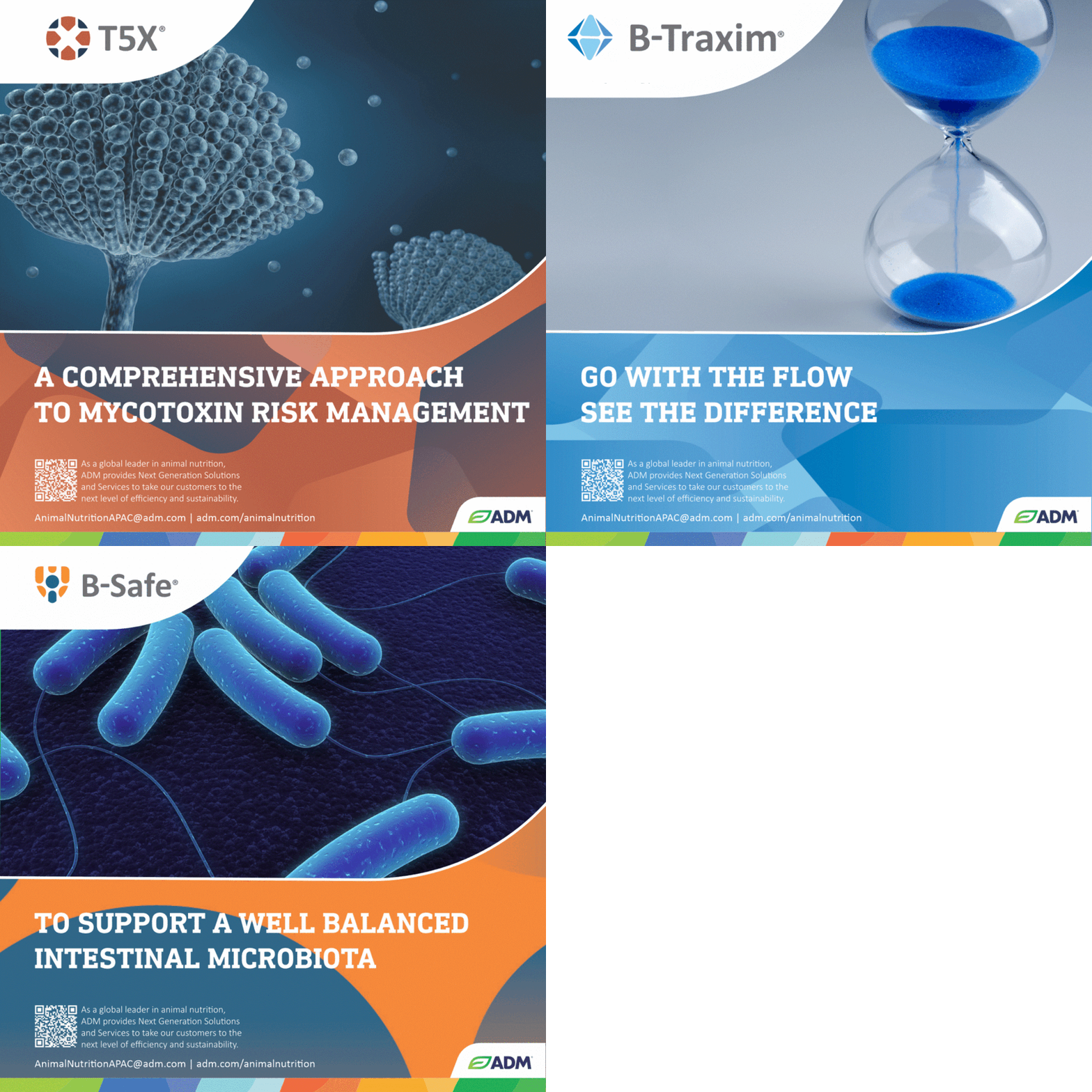
“It strengthens our global production network, reduces exposure to market volatility, and enhances our operational position, enabling us to grow together with our customers in a sustainable way.”
Reducing carbon footprint
The optimized production setup in Mobile reduces the carbon footprint of DL-methionine by around 7%, supporting Evonik’s high sustainability ambitions. It also reduces the need to transport hazardous intermediates, contributing to improved safety and lower logistical risks.
“For our MetAMINO customers in the Americas, a reliable regional supply is essential,” said Paulo Teixeira, Regional Vice President Americas at Evonik Animal Nutrition.
“By producing key intermediates on-site in Mobile, we are less exposed to global supply disruptions and can provide the stability our customers — and ultimately the end consumers of food products — need in an increasingly volatile environment.”
MetAMINO
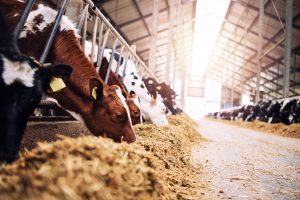
MetAMINO is used in livestock production to support efficient, healthy, and sustainable animal nutrition.
With its science-based approach, Evonik’s Animal Nutrition business line develops products, services, and system solutions that help provide a growing global population with safe, high-quality, and affordable animal protein.

Subscribe now to the technical magazine of animal nutrition
AUTHORS
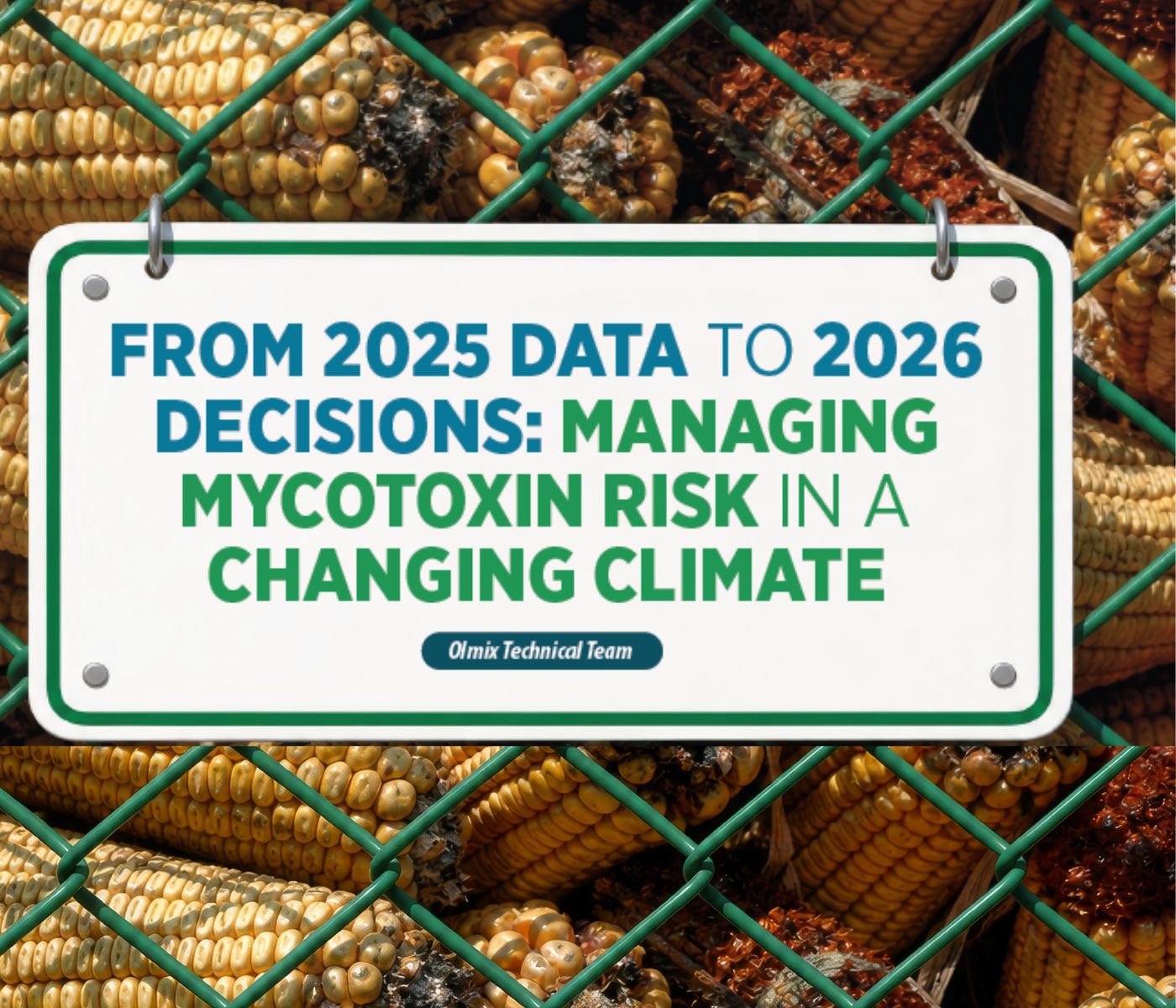
From 2025 Data to 2026 Decisions: Managing Mycotoxin Risk in a Changing Climate
Alterion® NE Celebrates 10 Years of Poultry Gut Health Innovation
The Science Behind Kolin Plus: Beyond Choline Replacement
Summer Infertility in Sows: Managing Heat Stress and Reproductive Performance
AO-Biotics® Amaferm®: Supporting Livestock Digestion and Performance

Interview with Güner Gövenç
Güner Gövenç,
Net Energy and Precision Feeding Shape the Future of Poultry Nutrition
Edgar Oviedo
Mycotoxins in Swine: Health Risks and Nutritional Solutions
Giuseppe Carcò
Mycotoxins and Piglet Ear Necrosis: Cause, Cofactor or Coincidence?
Alberto Morillo
How Mycotoxins Affect Intestinal Health in Pigs and Poultry
Marcos Rostagno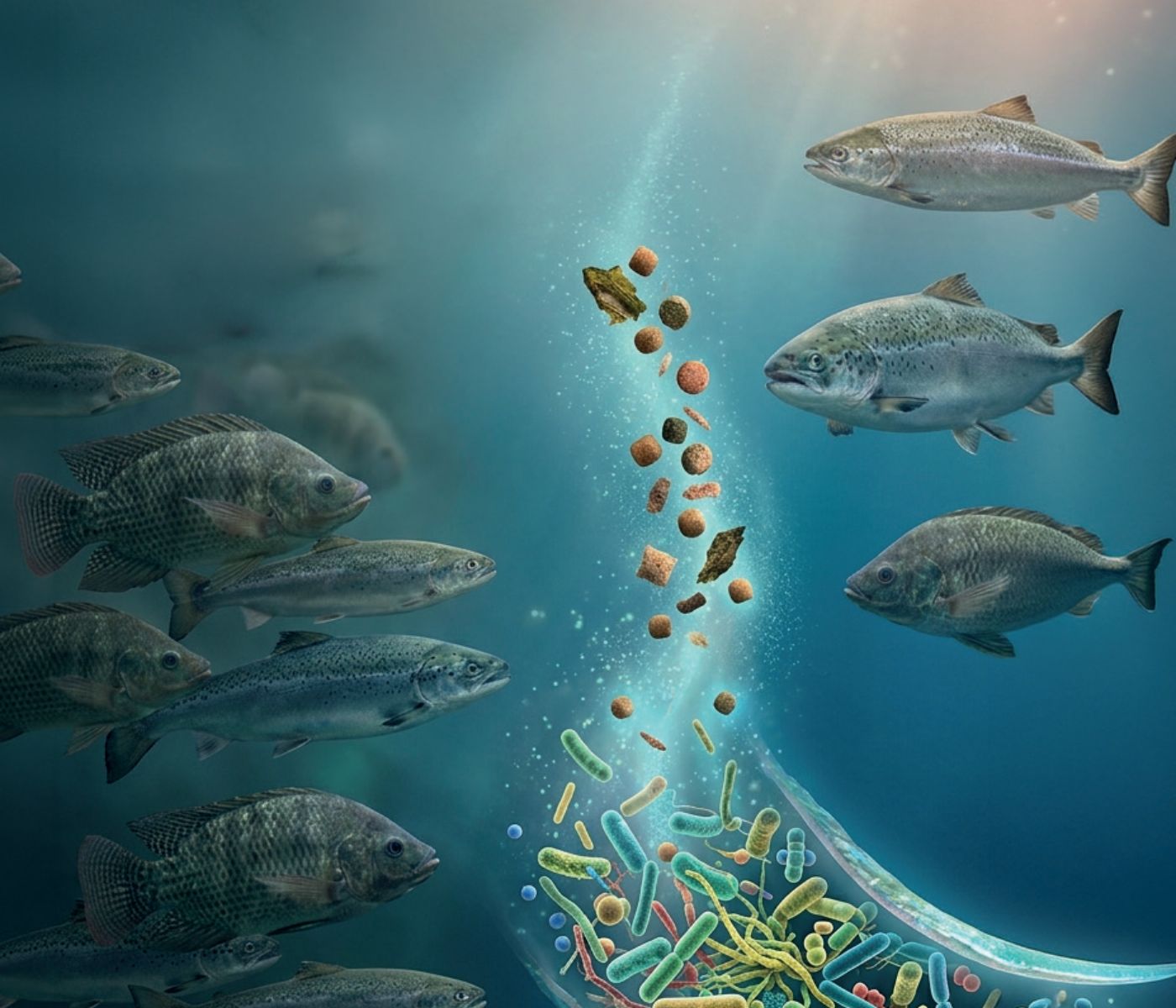
From Antibiotics to Functional Feeds in Aquaculture
Babatunde Saliu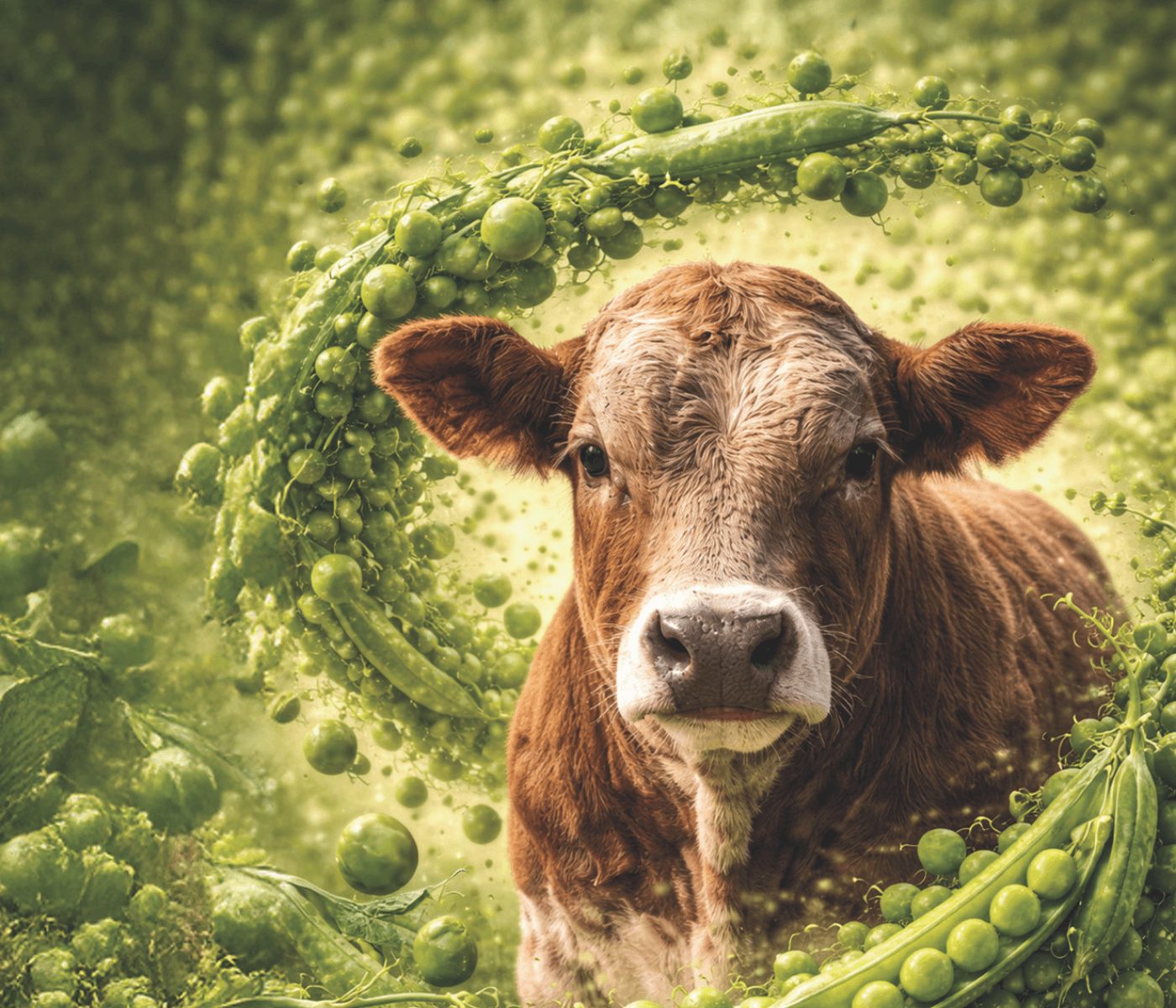
Peas as an Alternative to Soybean Meal in Beef Cattle Finishing Diets
Daniel Villalba Mata,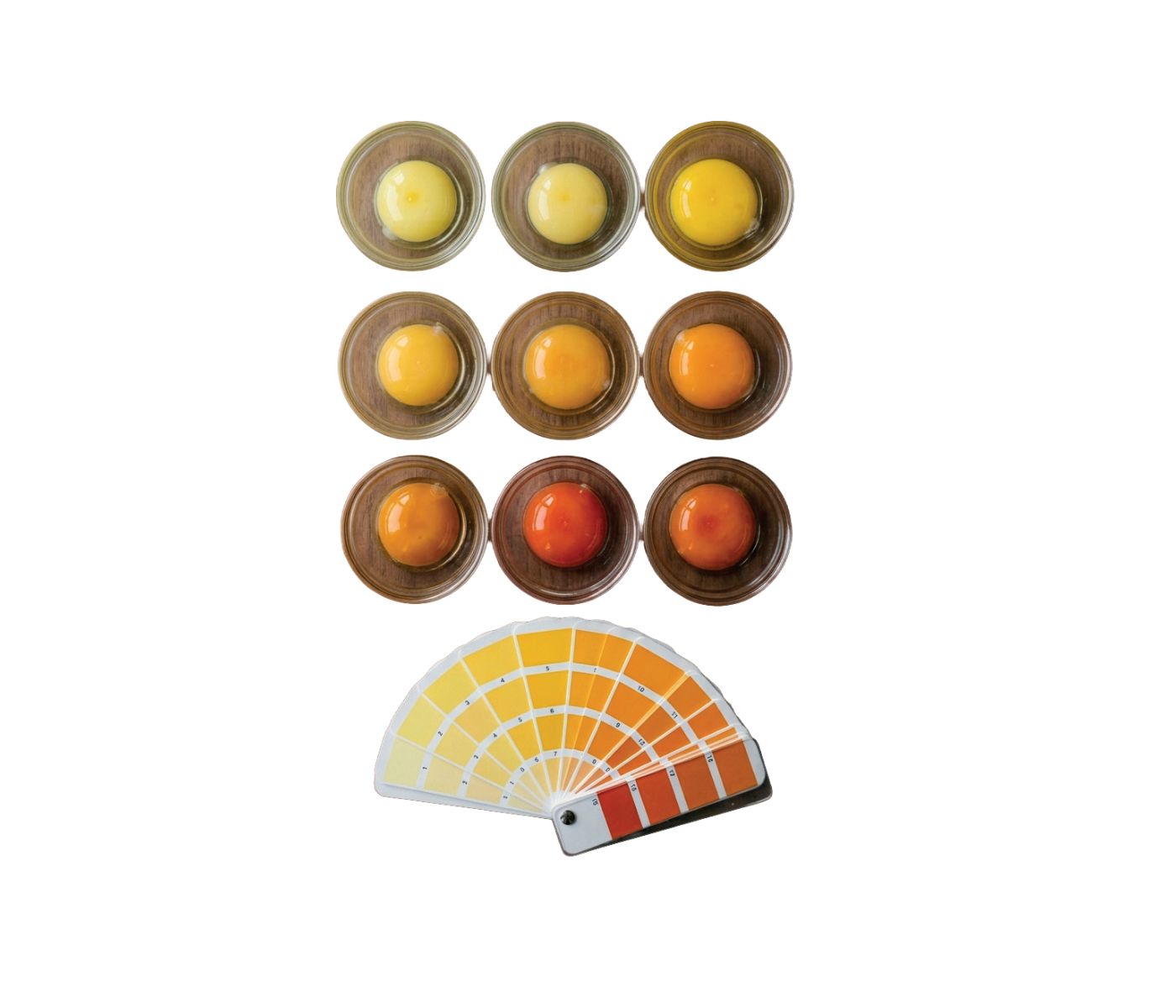
Improving Egg Yolk Pigmentation Through Better Nutrient Transport
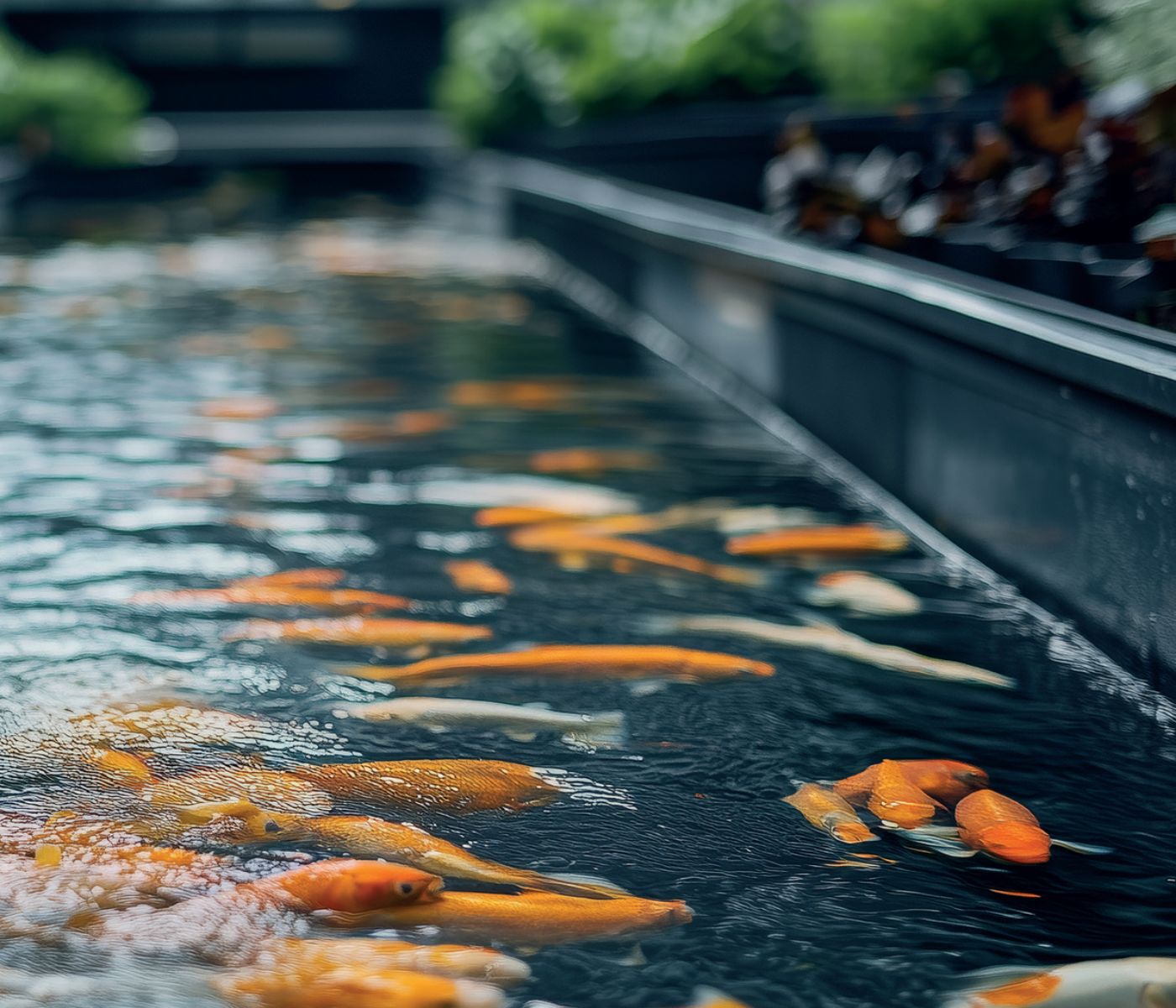
Aquaculture and Aquaponics Nutrition: How Fish Shape the Growth of Greens
Trenton Corby
Consistency in Soybean Meal Drives Performance and Sustainability