 17 Feb 2022
Protein quality for ruminants is a very important factor to take into account when formulating appropriate diets. Ruminant feed is mainly fermented in the rumen, where volatile fatty acids and microbial protein are produced.
Fermented digested content leaves the rumen along with microbial biomass and undergoes further digestion in the abomasum (true stomach) and intestines. This last process of digestion is similar to that of a monogastric animal. Microbial protein is digested and absorbed in the small intestine and supplies most of the absorbed amino acids.
The amino acid profile of this microbial protein has high quality. With methionine considered to be the first limiting amino acid for growing animals and lysine second(Storm and Ørskov, 1984).
Animals’ amino acid needs can be met up to a maintenance level just with microbial protein.
 For moderate and high production levels, the supply of microbial amino acids should be supplemented with dietary sources of protein or protected amino acids that can bypass rumen degradation. For moderate and high production levels, the supply of microbial amino acids should be supplemented with dietary sources of protein or protected amino acids that can bypass rumen degradation.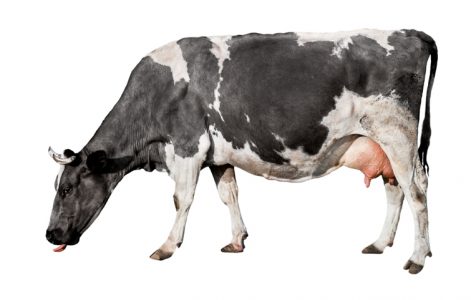 |
The rate of digestion of feed, particularly fodder, and the rate of passage for rumen residues, are important factors which influence voluntary feed intake and productivity.


Continue reading (spanish content) “Protein nutrition in ruminants: interview with Dr. Darío Colombatto”


Subscribe now to the technical magazine of animal nutrition
AUTHORS
Consistency in Soybean Meal Drives Performance and Sustainability
Anna Cotcho
Kolin Plus FC: greener choline nutrition for poultry

Middle East conflicts disrupt global feed markets
Edgar Oviedo
Optimizing nutrition for dairy goat and sheep productivity in Cyprus
Carolina Kyriacou
pHix-up improves rumen stability in dairy cows
Subacute ruminal acidosis

Net energy and growth: keys to better prediction in swine production
Gabriela Martínez
How starch structure & protein reduction shape gut health in weaned pigs
Diana Luise
Astaxanthin supplementation in aquaculture
Babatunde Saliu
What is intestinal health?
Marcos Rostagno
Calcium, phosphorus, and phytase optimization in broiler diets
Anna Cotcho