



Single-cell proteins offer aquafeed manufacturers a different way to think about protein sourcing: instead of producing feed from crops or harvested marine resources, protein can be generated through controlled microbial fermentation.
 30 Jul 2026
Single-cell proteins are moving closer to commercial aquafeed use as producers seek new protein sources that combine nutritional quality, lower resource use and greater supply resilience.
The search for sustainable protein sources is becoming one of the defining challenges of modern aquaculture. As feed demand grows, the sector is under increasing pressure to reduce its dependence on fishmeal, soy and other resource-intensive ingredients while maintaining growth performance, feed efficiency, animal health and product quality.
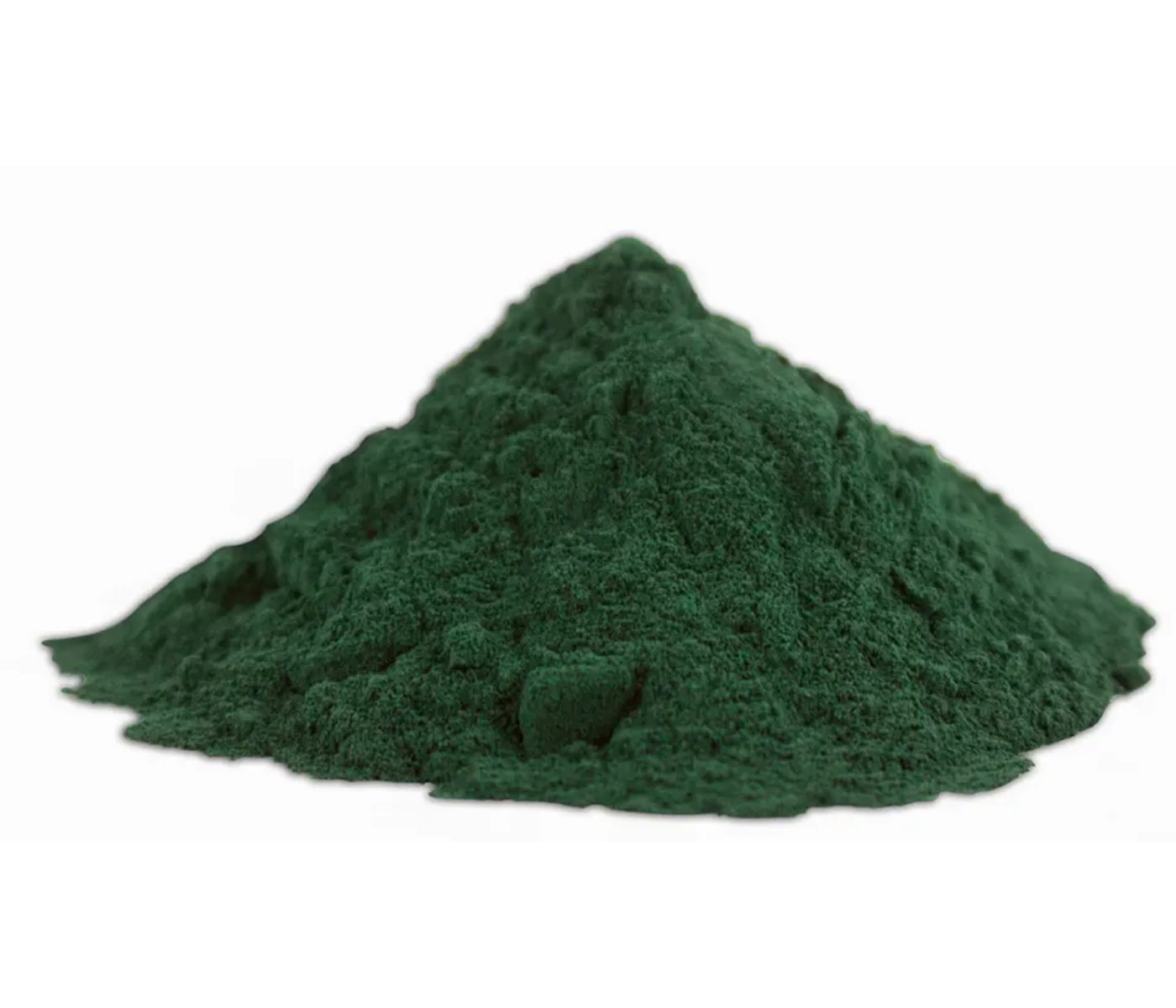
Against this backdrop, single-cell proteins (SCPs) are attracting growing interest. Produced from microorganisms including bacteria, yeasts, fungi and microalgae, SCPs can provide high levels of protein, favourable amino acid profiles and, depending on the organism and production process, additional functional compounds such as vitamins, phospholipids and bioactive molecules.
Their appeal goes beyond nutrition. Many SCP production systems require substantially less agricultural land than conventional feed crops and can use a range of substrates, including industrial side streams, agricultural residues and gases such as methane. This creates the possibility of producing feed protein independently of traditional farmland and, in some cases, turning low-value resources into higher-value ingredients.

Single-cell proteins offer aquafeed manufacturers a different way to think about protein sourcing: instead of producing feed from crops or harvested marine resources, protein can be generated through controlled microbial fermentation.
Aquaculture continues to expand its contribution to global seafood supply, but that growth also increases demand for formulated feeds. Fishmeal remains a highly valuable ingredient because of its digestibility, amino acid balance and palatability, yet its supply is constrained and prices can be volatile.
Plant proteins have helped reduce the sector’s dependence on marine ingredients, but they also present challenges. Depending on the ingredient, these can include anti-nutritional factors, amino acid limitations, competition for agricultural land and variation in digestibility.

SCPs therefore fit into a broader effort to diversify aquafeed formulations rather than simply replace one ingredient with another. Their value lies in creating a wider portfolio of protein sources that can be selected according to species, life stage, price, nutritional requirements and environmental objectives.
The future of aquafeed is unlikely to depend on a single substitute for fishmeal. More resilient formulations will probably combine multiple protein sources with complementary nutritional and functional characteristics.
The term single-cell protein describes microbial biomass produced primarily for its nutritional value. Although the microorganisms involved differ biologically, they share several characteristics that make them attractive for feed production.
Bacterial SCPs are particularly interesting because some products can contain protein levels approaching 60–80% of dry matter, together with an amino acid profile that can resemble fishmeal. Production is also relatively fast and can be less dependent on season and climate than conventional crop production.
SCPs are not one ingredient category with one nutritional profile. Their composition depends on the microorganism, the substrate used, cultivation conditions and downstream processing.
Bacterial SCPs have generated some of the most encouraging aquafeed results to date. Different products have been evaluated in salmonids, shrimp and marine fish, often as partial substitutes for fishmeal.
A 2023 rainbow trout study evaluated a methanotrophic bacterial SCP produced using methane as its carbon source. Researchers tested diets replacing 0%, 25%, 50%, 75% and 100% of fishmeal with the bacterial ingredient.
Growth remained broadly comparable to the control through moderate replacement levels, while the lowest feed conversion ratio was observed at 50% fishmeal replacement. The researchers estimated an optimal replacement level of approximately 42% based on body weight response. Importantly, fillet nutritional quality, liver and intestinal histology, oxidative stress markers and gut microbiota were not adversely affected at the tested moderate inclusion levels.
In rainbow trout, a methanotrophic bacterial SCP successfully replaced up to about half of the fishmeal without compromising growth or fillet quality and even improved feed conversion at the 50% replacement level.
One particularly interesting finding from the rainbow trout trial was that SCP supplementation appeared to provide benefits beyond basic nutrition.
After the feeding period, fish were challenged with Aeromonas salmonicida, the bacterial pathogen responsible for furunculosis. Trout receiving the diet with 50% fishmeal replacement showed greater resistance to disease than control fish. The study therefore described the tested SCP as not only a protein source but also a potentially functional ingredient, although the mechanisms behind the immune effect require further investigation.
This is an important distinction for ingredient developers. If an alternative protein can support growth while also contributing to gut or immune function, its commercial value may extend beyond its crude protein content alone.
Future aquafeed ingredients will increasingly be evaluated not only on how much protein they contain, but also on how they affect animal health, resilience, feed efficiency and product quality.
Yeasts and fungi represent another important category of SCPs. These ingredients have been evaluated in diets for fish and shrimp as alternatives to both fishmeal and soybean meal.
Their potential value can come from both their protein fraction and their cellular components. Yeast cell walls, for example, can contain compounds such as β-glucans and mannans, which are widely studied in animal nutrition for their effects on gut function and immune responses.
However, as with bacterial proteins, performance depends heavily on strain, processing and inclusion rate. Digestibility, palatability and amino acid balance must therefore be assessed under the conditions in which the ingredient will actually be used.
Microalgae occupy a particularly interesting position within the SCP category because they can provide more than protein. Depending on the species, algal biomass may also contain omega-3 fatty acids, carotenoids, pigments, vitamins and other bioactive compounds.
Studies have evaluated microalgal biomass in diets for carp, tilapia, catfish, shrimp and marine fish, with partial fishmeal replacement often possible when inclusion levels are carefully managed. The appropriate inclusion rate varies considerably by algal species, aquaculture species, processing method and overall diet formulation.
A major technical challenge is the cell wall. Some algal species have robust cell structures that limit access to intracellular nutrients. This has encouraged research into mechanical, enzymatic and other disruption technologies designed to improve digestibility and release more of the protein and lipid fraction.
For microalgae, processing can be as important as composition. A nutritionally rich biomass has limited value if fish cannot efficiently access and digest the nutrients trapped inside the cells.
One of the most attractive aspects of SCP technology is its potential role in a circular bioeconomy.
Some microorganisms can grow on substrates that would otherwise have limited economic value. Depending on the technology, these may include industrial side streams, agricultural residues, biogas-derived methane or nutrients recovered from other production processes.
Methanotrophic bacteria are a particularly striking example because they can use methane as a carbon source. The rainbow trout SCP evaluated in the 2023 study was produced in a closed fermentation system using methane derived from biogas together with ammonia as a nutrient source.
Other microbial production systems can potentially transform low-value biomass or industrial residues into feed ingredients. This creates an opportunity to reduce waste disposal while adding a new source of protein to the food system.
The sustainability potential of SCPs depends not only on replacing fishmeal or soy, but also on what energy, water and feedstocks are used to produce the microbial biomass.
For commercial feed manufacturers, crude protein alone is not enough to determine whether an SCP is competitive.
The real value of an ingredient depends on several factors:
This broader value assessment explains why collaboration between ingredient developers and feed formulators is so important. A product that performs well in a laboratory may behave differently when incorporated into a commercial extruded diet alongside other ingredients.
The commercial question is not simply “Can this SCP replace fishmeal?” but rather “At what inclusion level does it deliver the best nutritional, technical and economic value in a complete formulation?”
Despite promising research results, widespread use of SCPs is not guaranteed. The main barrier remains the ability to produce large quantities of consistent biomass at a price that makes sense for feed manufacturers.
Fermentation facilities require significant capital investment, energy and downstream processing. Drying alone can represent an important component of production cost, while different microbial products may require additional treatments to improve digestibility, reduce nucleic acid levels or optimise palatability.
Reliable access to feedstocks is equally important. Technologies that depend on low-cost side streams must ensure that those resources remain available at sufficient volume and with consistent quality as production scales.
A technically successful SCP will not become a mainstream aquafeed ingredient unless production can be scaled reliably while remaining competitive with established protein sources.
As microbial ingredients move toward wider adoption, feed safety and regulatory approval become increasingly important.
Manufacturers need to demonstrate the identity and safety of the microorganism, production substrate, fermentation process and final ingredient. Potential issues such as contaminants, unwanted metabolites and batch variability must be controlled.
Regulatory pathways also differ by country, meaning an SCP authorised in one market may require additional assessment before being commercialised elsewhere. This can slow international expansion even when nutritional performance has already been demonstrated.
The next stage for SCP technology is likely to depend on moving beyond experimental diets toward repeated validation under commercial farming conditions.
That process requires close collaboration between microbial ingredient producers, nutritionists, feed manufacturers and aquaculture companies. Initial laboratory studies can establish digestibility and safety, but pilot feed manufacture and farm-scale trials are needed to determine whether performance is maintained under real production conditions.
For feed companies, formulation flexibility may ultimately be one of the largest benefits. A reliable SCP source can diversify procurement and reduce exposure to shortages or price volatility in fishmeal and major crop proteins.
The route from promising microbial biomass to commercial feed requires repeated formulation, extrusion and farm testing—not just confirmation that the ingredient contains enough protein.
Current evidence does not suggest that SCPs will completely replace fishmeal, soybean meal or other conventional proteins. Instead, they are likely to become another increasingly valuable component of a more diversified aquafeed ingredient portfolio.
A recent review concluded that bacterial SCPs, including biofloc-derived microbial biomass, can provide high nutritional value and can partially replace fishmeal in several aquaculture applications. However, the optimal level remains species- and product-specific. :contentReference[oaicite:5]{index=5}
As fermentation technology improves, production facilities scale and manufacturers gain more experience formulating with microbial proteins, their cost and technical competitiveness could improve further.
For an aquaculture industry seeking to expand while reducing pressure on marine and terrestrial resources, that makes SCPs particularly relevant: they offer the possibility of producing high-quality protein through biological systems that require relatively little land and can potentially make use of resources currently treated as waste.
Single-cell proteins are unlikely to become a universal replacement for conventional aquafeed ingredients, but their combination of nutritional quality, production flexibility and sustainability potential positions them as an increasingly important tool for building more resilient aquaculture feed systems.

Subscribe now to the technical magazine of animal nutrition
AUTHORS
Consistency in Soybean Meal Drives Performance and Sustainability
Anna Cotcho
Kolin Plus FC: greener choline nutrition for poultry

Middle East conflicts disrupt global feed markets
Edgar Oviedo
Optimizing nutrition for dairy goat and sheep productivity in Cyprus
Carolina Kyriacou
pHix-up improves rumen stability in dairy cows
Subacute ruminal acidosis
Net energy and growth: keys to better prediction in swine production
Gabriela Martínez
How starch structure & protein reduction shape gut health in weaned pigs
Diana Luise
Astaxanthin supplementation in aquaculture
Babatunde Saliu
What is intestinal health?
Marcos Rostagno
Calcium, phosphorus, and phytase optimization in broiler diets
Anna Cotcho