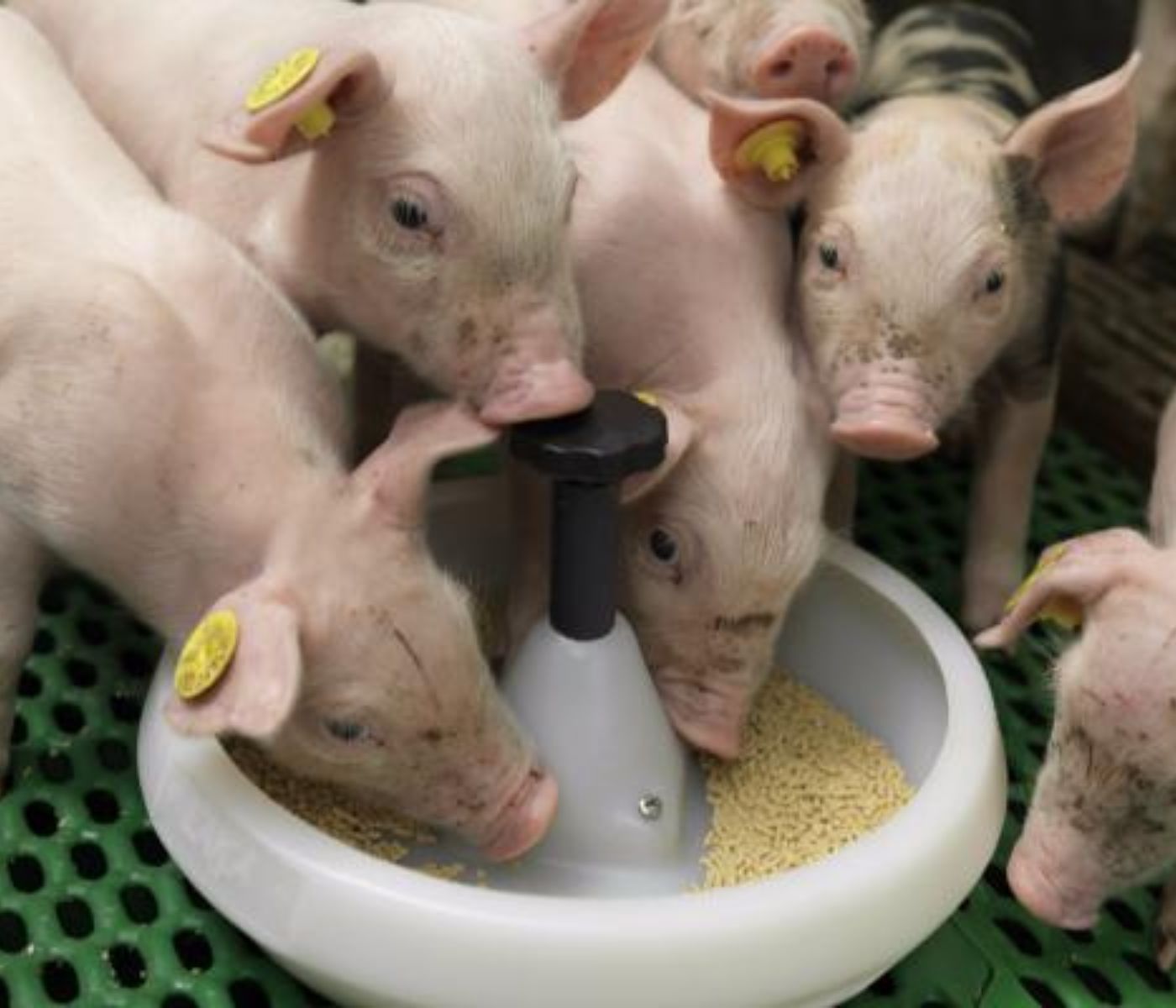
What’s New in Swine Nutrition? Smarter Feeding Strategies to Improve Pig Performance
Advances in pig genetics, changing nutrient requirements and pressure on production costs are encouraging swine nutritionists to rethink conventional feeding strategies. Recent research highlights opportunities to improve gut health, nutrient utilization and profitability throughout the production cycle.
Swine nutrition is evolving as producers seek to maximize growth performance while maintaining animal health and controlling feed costs.
Modern pig genetics continue to increase the potential for lean tissue growth and feed efficiency. However, these improvements also create new challenges for nutritionists, particularly when balancing dietary protein, amino acids, minerals and energy.
At Prairie Swine Centre’s 2026 Producer Meetings, Jean-Philippe Martineau of Nutrition Partners presented recent research findings and practical considerations for feeding nursery pigs, sows and finishing pigs.
The presentation, summarized by Hanna Burlet, M.Sc., in Prairie Swine Centre’s Summer 2026 publication Centred on Swine, explored how targeted nutritional interventions may support better animal performance and economic outcomes.
Among the key topics were reduced-crude-protein diets, synthetic amino acids, mineral supplementation, feed enzymes, sow iron status and alternative ingredients for finishing pigs.
Key Nutrition Trends
- Precision protein formulation: Meeting amino acid requirements while limiting excess dietary crude protein.
- Mineral optimization: Reconsidering zinc, copper and iron strategies.
- Enzyme supplementation: Improving nutrient availability and potentially reducing feed costs.
- Sow nutrition: Supporting farrowing outcomes through targeted interventions.
- Finisher diets: Evaluating alternative grains and strategies to maintain carcass quality.
Rethinking Protein Levels in Nursery Pig Diets
One of the central challenges in nursery pig nutrition is supplying sufficient amino acids to support rapid growth without creating unnecessary digestive stress.
As genetic improvements increase pigs’ growth potential, amino acid requirements must be carefully considered during diet formulation.
However, increasing dietary crude protein is not always the most effective solution.
Excess protein that escapes digestion in the small intestine can reach the hindgut, where microbial fermentation may contribute to intestinal disturbances and increase the risk of diarrhea.
The research discussed by Martineau emphasizes the potential benefits of reducing crude protein concentrations while using supplemental amino acids to meet essential nutritional requirements.
This approach allows nutritionists to formulate diets with a more precise amino acid profile without relying solely on higher inclusion rates of protein-rich ingredients.
In early nursery feeding, a modest reduction in growth performance may sometimes be an acceptable trade-off when the dietary strategy supports better intestinal health.
The Protein Balance
The goal is not simply to reduce protein. It is to provide the right amino acids in the right proportions while minimizing undigested protein entering the hindgut. This may support intestinal health and improve the efficiency of dietary nutrient utilization.
Zinc and Copper: Adjusting Mineral Supplementation Strategies
Mineral nutrition is another area receiving increased attention as producers adapt to evolving regulatory requirements and seek alternatives to traditional nursery feeding practices.
Zinc oxide has historically been used at elevated concentrations in some nursery diets to help manage post-weaning diarrhea.
However, changing restrictions and environmental concerns are encouraging the development of feeding programs that rely less heavily on high zinc supplementation.
According to the Prairie Swine Centre report, research into alternative nursery formulations has produced encouraging results, with some diets performing better than conventional zinc-containing comparisons.
Reducing high zinc concentrations may also help limit antagonistic interactions with other minerals, particularly copper.
Copper Supplementation and Growth Performance
The presentation highlighted research involving copper supplementation, including the use of copper sulfate and tribasic copper chloride.
Martineau discussed the Canadian Feeds Regulations’ increased maximum copper allowance of 225 ppm, as described in the Prairie Swine Centre article.
Research presented at the meeting suggested that supplementation with copper sulfate at the discussed level could improve average daily gain and generate a positive economic return under the conditions studied.
However, mineral source selection remains important. Copper sulfate may be less expensive than some alternatives, but its chemical properties can create unfavorable interactions with vitamins in feed formulations.
These findings reinforce the need to evaluate mineral concentration, chemical form, feed stability and overall dietary balance rather than focusing on supplementation levels alone.
Mineral inclusion rates should always be checked against current regulations, feed specifications and professional formulation guidance before implementation.
Iron Supplementation: Could a Second Dose Improve Piglet Performance?
Iron deficiency remains an important concern in neonatal piglets because their rapid growth creates substantial iron requirements.
Insufficient iron can lead to anemia, compromising health and potentially limiting subsequent performance.
During the presentation, Martineau discussed research comparing one and two injectable iron doses in piglets.
The results highlighted a substantial difference in the proportion of piglets classified as anemic following hemoglobin analysis.
Iron Supplementation: Reported Research Findings
| Treatment group | Piglets evaluated | Reported anemia prevalence |
|---|---|---|
| One iron injection | 342 | 14% |
| Two iron injections | 385 | 1.2% |
Source: Research findings presented by Jean-Philippe Martineau and summarized by Prairie Swine Centre (2026). The comparison reflects the study conditions.
In addition to reducing anemia prevalence, the study reportedly identified benefits in finishing weight.
The economic assessment presented estimated returns of approximately $2.90 per pig in a fixed-time marketing scenario and $1.25 per pig in a fixed-weight scenario.
Although these results are promising, the most appropriate iron supplementation program depends on piglet health, existing management practices and veterinary recommendations.
Injectable iron should be administered according to approved product instructions and appropriate veterinary protocols.
Feed Enzymes: Improving Nutrient Availability and Reducing Costs
Feed enzymes remain a major area of innovation in swine nutrition because of their potential to improve nutrient digestibility and reduce feed formulation costs.
The Prairie Swine Centre presentation highlighted three enzyme categories: phytase, xylanase and protease.
Phytase: Unlocking Phosphorus from Plant Ingredients
Phytate, naturally present in many plant-based feed ingredients, binds phosphorus and can reduce its availability to pigs.
Phytase breaks down phytate, improving phosphorus utilization and potentially reducing the need for supplemental inorganic phosphorus.
Its application can also contribute to more efficient nutrient use and lower phosphorus excretion when appropriately incorporated into feed formulations.
Xylanase: Improving Access to Dietary Energy
Xylanase targets certain non-starch polysaccharides found in cereal-based ingredients.
By breaking down these complex carbohydrate structures, xylanase may improve nutrient accessibility and energy utilization, depending on diet composition and substrate availability.
Protease: Supporting Protein Digestibility
Protease enzymes help break down dietary proteins and may improve amino acid availability.
Their inclusion can be particularly relevant when nutritionists are seeking to optimize protein utilization or formulate diets with lower crude protein concentrations.
Economic Opportunity: Enzyme Supplementation
The research summarized by Prairie Swine Centre reported potential savings of approximately $0.25 per pig associated with enzyme inclusion in the ration. Actual returns depend on ingredient costs, diet composition, enzyme activity and the nutritional matrix used in formulation.
Amino Acid Requirements Continue to Evolve
As pig genetics advance, nutritionists must regularly reassess the amino acid concentrations needed to support growth and feed efficiency.
Martineau highlighted research examining higher levels of standardized ileal digestible (SID) lysine during the late nursery stage.
Although diets with increased SID lysine were more expensive, the presentation reported favorable economic returns associated with improved performance.
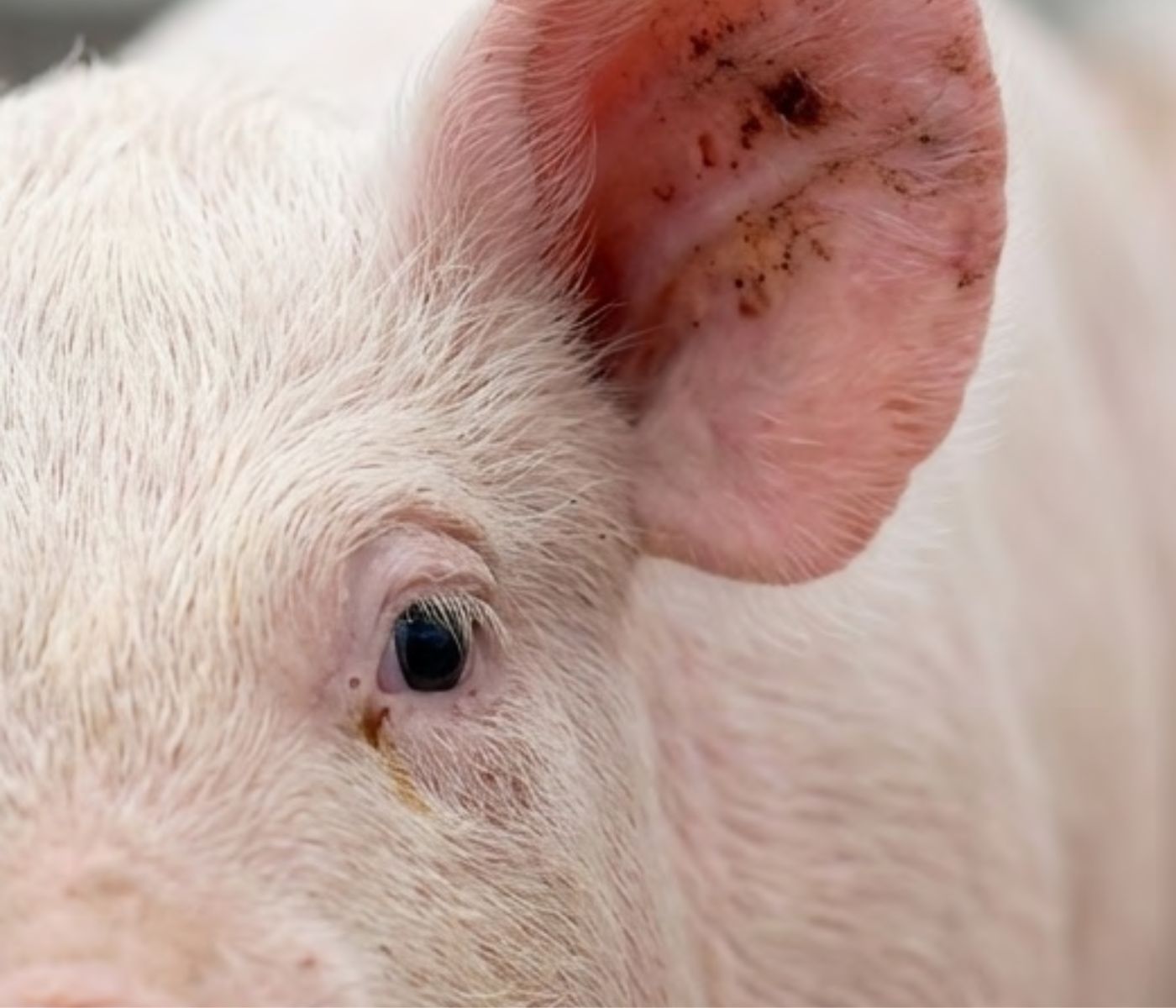
The study also observed a lower incidence of ear necrosis in pigs receiving the higher-lysine diets.
The presentation suggested that improved satiety and reduced ear biting could have contributed to this observation. However, this proposed explanation should be interpreted cautiously, as ear necrosis is multifactorial and the report does not establish a definitive causal mechanism.
These findings highlight the importance of matching dietary amino acid supply to the requirements of modern pigs while evaluating both biological and economic outcomes.
Sow Nutrition: New Approaches to Supporting Farrowing Outcomes
The presentation also addressed nutritional and management interventions aimed at improving sow reproductive performance.
One area of interest was the potential relationship between sow iron status and farrowing outcomes.
According to the report, research conducted on two Ontario farms by Demeter Veterinary Services, referenced as McClellan et al. (2025), investigated iron supplementation before farrowing.
The research reportedly found that administering two iron injections approximately 48 hours before farrowing was associated with a shorter farrowing duration and fewer stillborn piglets.
Before the intervention, approximately 60% of sows in the study population were classified as anemic.
Anemic sows also showed less favorable production indicators than their non-anemic counterparts, including more stillborn piglets and higher removal rates.
These findings suggest that evaluating sow iron status may be relevant to reproductive management, although the report does not provide sufficient methodological detail to establish that the intervention would produce similar results across all commercial herds.
Pre-Farrowing Nutritional Support
Another approach discussed was the use of a targeted nutritional top-dress before farrowing.
These supplements may provide additional energy, selected fiber sources and nutrients intended to support digestive function and the physiological demands of farrowing.
In the research summarized, sows receiving a pre-farrowing top-dress had fewer stillborn piglets than those fed a standard diet alone.
The presentation suggested that the additional cost could be offset by the value of more piglets weaned, particularly in older sows.
However, the source also emphasized that more research is needed to understand how different interventions interact and whether combined strategies provide additional benefits.
Sow Management: A Broader Perspective
Farrowing performance depends on multiple factors, including sow condition, nutrition, health and management. Targeted supplementation may offer benefits in specific circumstances, but routine use of injectable treatments or reproductive medications should be based on veterinary assessment and applicable product requirements.
Finishing Pig Nutrition: Reducing Feed Costs Without Sacrificing Performance
Feed efficiency remains a major economic priority during the finishing phase, when pigs consume substantial quantities of feed.
Research discussed during the presentation examined the use of non-starch polysaccharide-degrading enzymes to increase available dietary energy and potentially reduce feed costs.
According to the Prairie Swine Centre report, the strategy produced estimated net savings ranging from $1.25 to $2.20 per pig under the conditions evaluated.
These results suggest that appropriate enzyme supplementation may provide an opportunity to reduce feed costs while maintaining growth performance.
However, the financial return depends on ingredient composition, feed prices, enzyme selection and the extent to which nutrient values are adjusted during formulation.
Hybrid Rye as an Alternative Feed Ingredient
Martineau also discussed the potential use of newer hybrid rye varieties in finishing diets.
The report notes that research has evaluated inclusion rates as high as 50% without a reported loss of performance under the conditions studied.
Nevertheless, Martineau indicated that practical inclusion levels are generally much lower, often around 7–10%, depending on the feeding program.
Hybrid rye may offer additional formulation flexibility when ingredient prices or availability make alternative grains economically attractive.
As with other cereal ingredients, successful inclusion requires attention to energy value, fiber characteristics, digestibility and overall nutrient balance.
Dietary Fat and Pork Quality
The presentation also addressed iodine value, an indicator related to the degree of unsaturation of pork fat.
Some processors require pork with a lower iodine value to support firmer fat and desirable processing characteristics, particularly in pork bellies.
Consequently, dietary fat composition and ingredient selection may need to be considered alongside growth performance and feed cost.
This highlights an important principle in finishing pig nutrition: the least expensive diet is not necessarily the most profitable if it compromises carcass characteristics or market requirements.
Turning Nutrition Research Into Practical Decisions
The research discussed at Prairie Swine Centre’s 2026 Producer Meetings demonstrates that improving pig performance is not always about increasing nutrient concentrations or adding more supplements.
Instead, the greatest opportunities may come from improving the precision of dietary formulation and matching nutritional interventions to the needs of specific production stages.
For nursery pigs, this means balancing amino acid supply with intestinal health.
For growing and finishing pigs, the focus may shift toward nutrient digestibility, ingredient flexibility, feed conversion and carcass quality.
For breeding herds, evaluating mineral status and nutritional support around farrowing may help identify opportunities for improved reproductive performance.
The Bottom Line: Precision Nutrition Can Improve Production Economics
Recent swine nutrition research points toward a common objective: using nutrients more efficiently while protecting animal health and performance. From reduced-protein nursery diets and targeted mineral supplementation to feed enzymes and alternative ingredients, successful strategies must deliver measurable benefits that justify their cost.
The Future of Swine Nutrition
As the swine industry continues to evolve, nutritionists will need to adapt feeding programs to changing genetics, ingredient markets, regulatory requirements and production objectives.
The findings presented at Prairie Swine Centre illustrate how targeted adjustments can create opportunities for improved efficiency and economic returns.
However, no single nutritional strategy will be appropriate for every production system.
Feed formulation decisions should consider herd health, ingredient availability, current prices, farm-specific performance and the strength of the supporting research.
Ultimately, the future of swine nutrition lies in precision: supplying the right nutrients, at the right time, in formulations that support both biological performance and long-term profitability.
Source and Further Reading
Burlet, H. (2026). What’s New in Swine Nutrition. Centred on Swine, Summer 2026, pp. 8–9. Prairie Swine Centre. Summary of research presented by Jean-Philippe Martineau, Nutrition Partners, at the 2026 Producer Meetings.