 08 Oct 2026
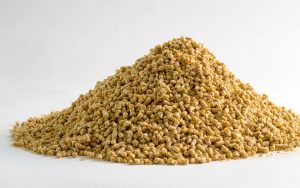
Less than a month after the sixth price adjustment in early September 2026, a number of major animal feed companies in Vietnam have once again announced price increases, effective October 1, 2026.
The latest increases, typically ranging from USD 0.01-0.02/kg, mark the seventh feed price hike in 2026 and add further pressure to livestock producers’ production costs.
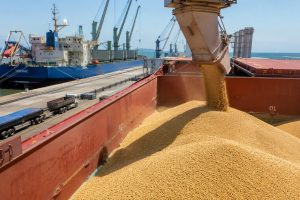
According to feed manufacturers, the main reason behind the latest adjustment is continued volatility in global feed ingredient markets, which has pushed input costs higher.
The price adjustment is considered an unavoidable measure to stabilize supply, maintain product quality and ensure operational continuity in the period ahead.

Details of the price increases announced by several major companies in Vietnam, effective October 1, 2026, are as follows:
Cargill Vietnam: Prices increased by USD 0.01/kg for all livestock and poultry feed, as well as goat and cattle feed, nationwide. The increase does not apply to aquaculture feed.
De Heus:

ViNaFeed Northern Vietnam: Prices increased by USD 0.02/kg for starter pig feed and concentrated feed products, while other products increased by USD 0.01/kg. The adjustment applies at the company’s Hai Phong and Ninh Binh plants.
Haid Hai Duong: Prices increased by USD 0.02/kg for fish feed, excluding snakehead and sturgeon feed.
Viet Phuong Ha Nam: Prices increased by USD 0.02/kg for fish feed, concentrated feed, HS 01, Microlacta and GT 02, while other product lines increased by USD 0.01/kg.
Notably, the latest increase comes very soon after the sixth adjustment in early September 2026, when prices generally rose by around USD 0.01/kg.
This indicates that feed price increases are becoming increasingly frequent.
For livestock households and commercial farms, the pressure is no longer simply the USD 0.01-0.02/kg increase in each individual adjustment, but the cumulative impact of seven consecutive price hikes.
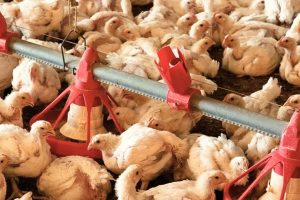
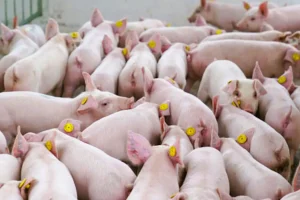
With feed accounting for approximately 65-70% of total livestock production costs, continued increases are leaving producers increasingly vulnerable and making it difficult to develop long-term production plans.
Against a backdrop of rapidly rising input costs, while farm-gate prices for pork, poultry, eggs, fish and other products remain highly dependent on market supply and demand, livestock producers are bearing the bulk of the risk.
If output prices fail to rise proportionately to offset higher feed costs, producers’ profit margins will continue to narrow significantly.
If the upward trend in feed ingredient prices persists, some producers could even face prolonged periods of break-even operations or losses.

Subscribe now to the technical magazine of animal nutrition
AUTHORS
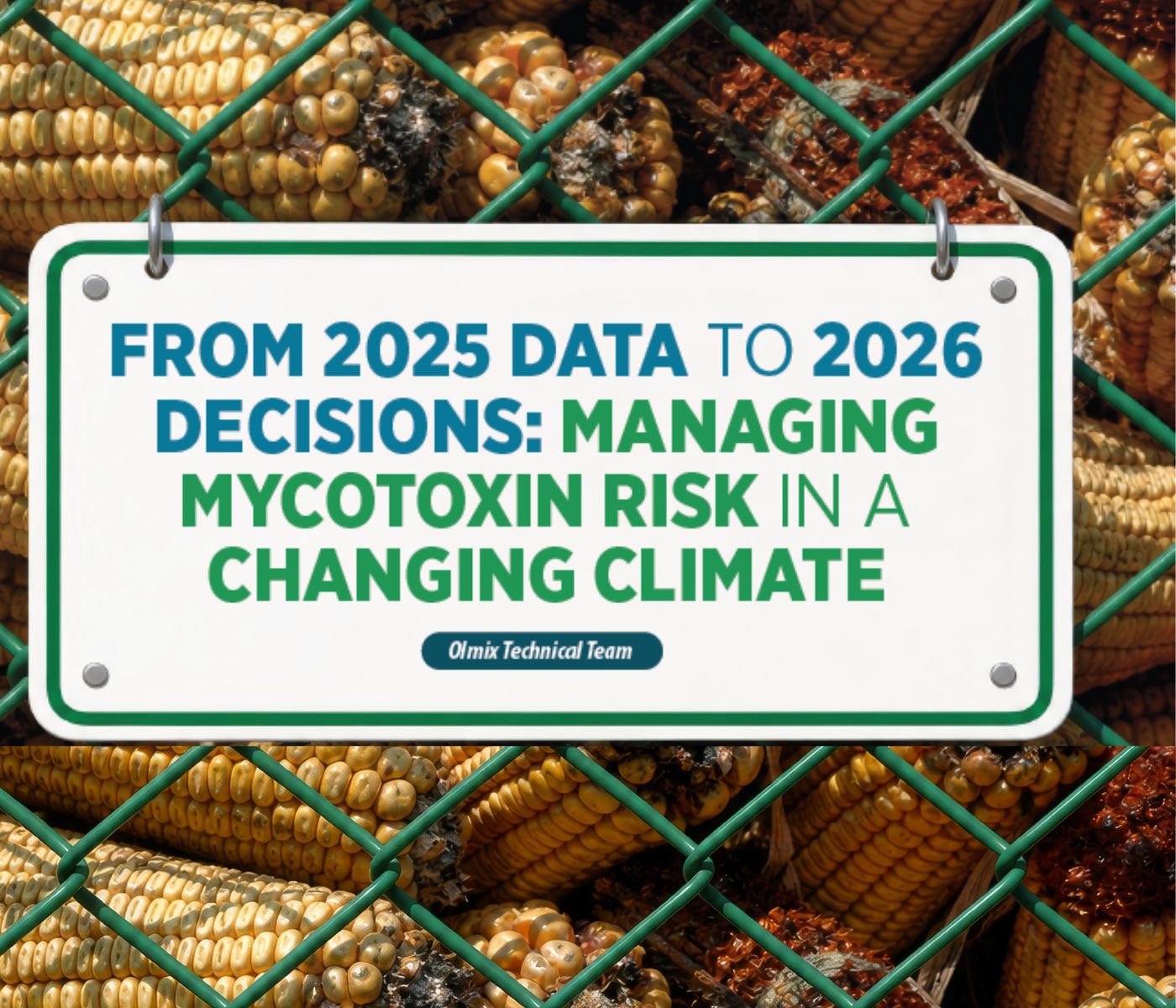
From 2025 Data to 2026 Decisions: Managing Mycotoxin Risk in a Changing Climate
Alterion® NE Celebrates 10 Years of Poultry Gut Health Innovation

The Science Behind Kolin Plus: Beyond Choline Replacement

Summer Infertility in Sows: Managing Heat Stress and Reproductive Performance
AO-Biotics® Amaferm®: Supporting Livestock Digestion and Performance

Interview with Güner Gövenç
Güner Gövenç,
Net Energy and Precision Feeding Shape the Future of Poultry Nutrition
Edgar Oviedo
Mycotoxins in Swine: Health Risks and Nutritional Solutions
Giuseppe Carcò
Mycotoxins and Piglet Ear Necrosis: Cause, Cofactor or Coincidence?
Alberto Morillo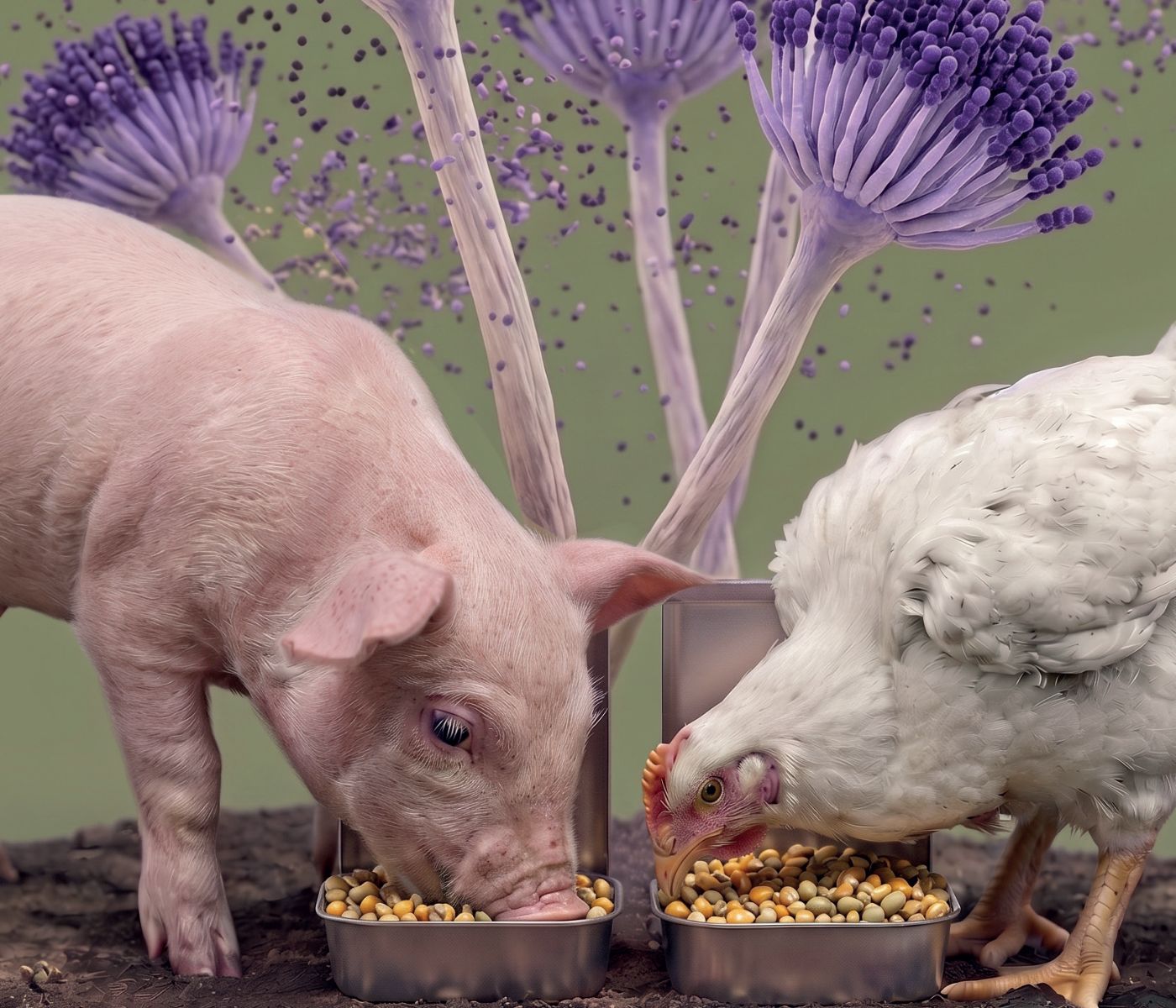
How Mycotoxins Affect Intestinal Health in Pigs and Poultry
Marcos Rostagno
From Antibiotics to Functional Feeds in Aquaculture
Babatunde Saliu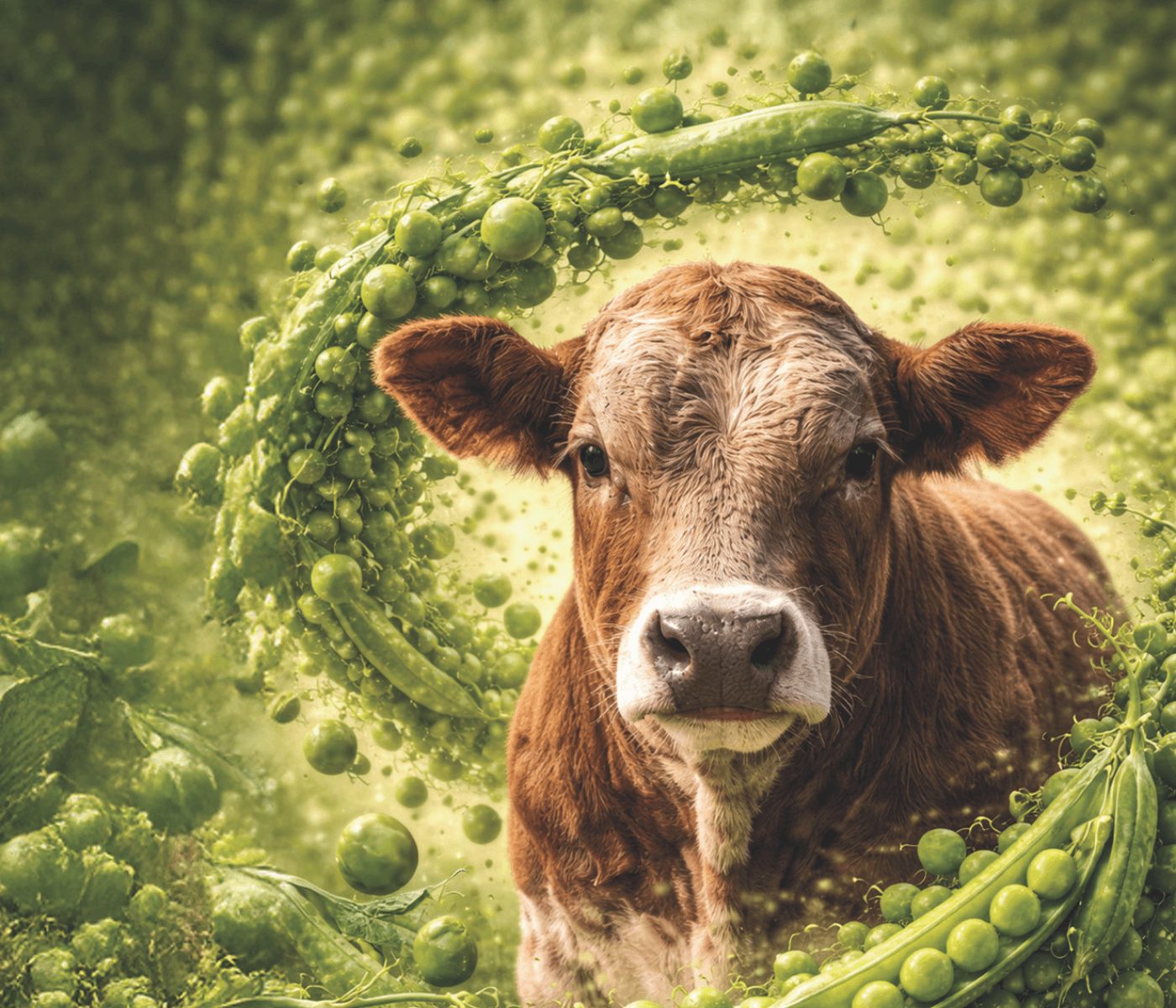
Peas as an Alternative to Soybean Meal in Beef Cattle Finishing Diets
Daniel Villalba Mata,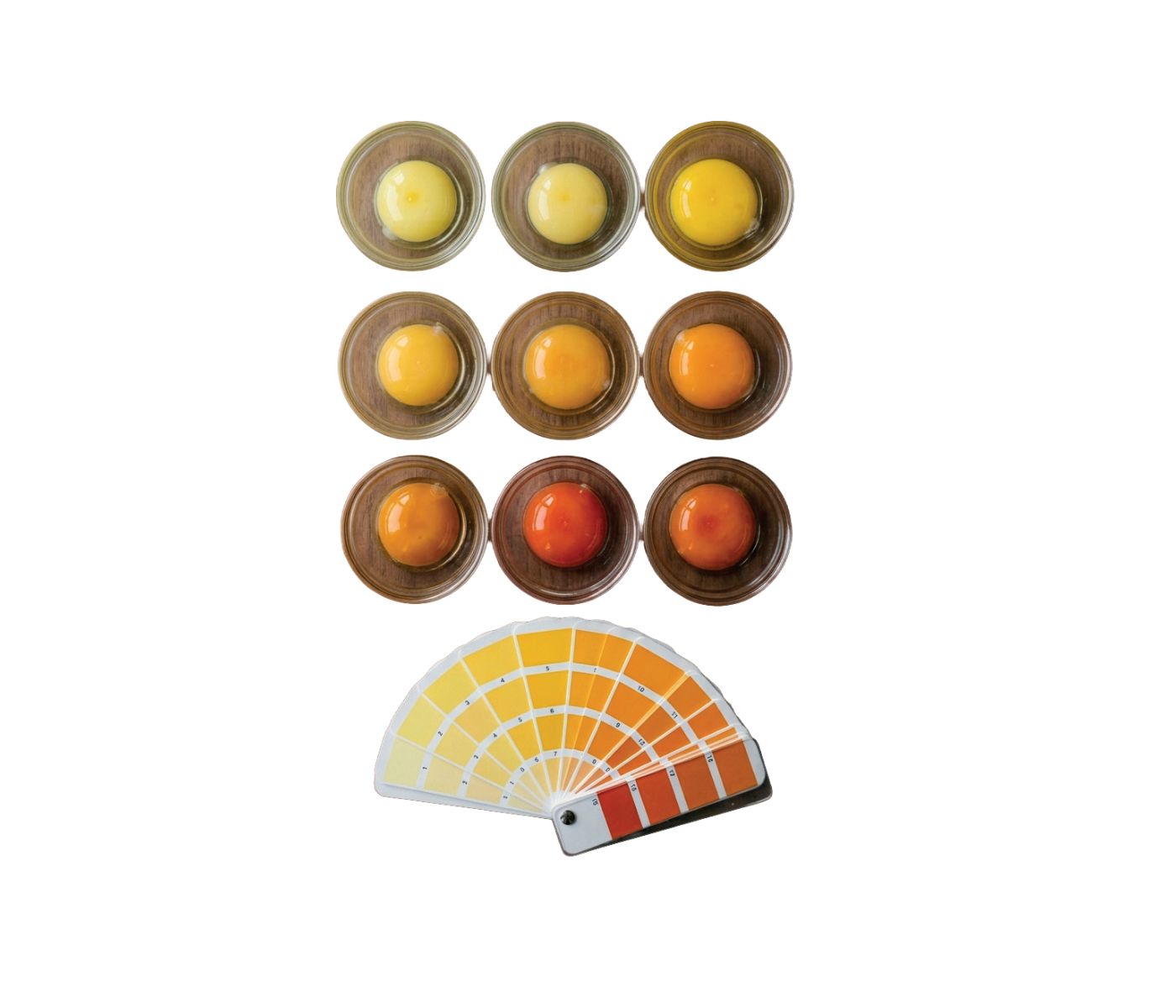
Improving Egg Yolk Pigmentation Through Better Nutrient Transport

Aquaculture and Aquaponics Nutrition: How Fish Shape the Growth of Greens
Trenton Corby
Consistency in Soybean Meal Drives Performance and Sustainability