 22 Jul 2026
Vietnam recorded a sharp increase in both the volume and value of breeding animal imports during the first five months of 2026.
Imports of breeding cattle and buffaloes rose particularly strongly, reflecting growing demand for herd expansion and investment in high-quality breeding stock to improve livestock productivity and efficiency.
According to data from the General Department of Vietnam Customs, the country imported more than 554,300 breeding animals in May 2026, with a total value of USD 69.6 million.
Compared with April 2026:
Compared with May 2025:
During the first five months of 2026, Vietnam imported approximately 2.5 million breeding animals worth USD 252.9 million, up 23.8% in volume and 176.9% in value compared with the same period last year.
The strong growth reflects rising demand from livestock enterprises and farms for high-quality breeding stock as the industry seeks to improve productivity, product quality, and competitiveness.


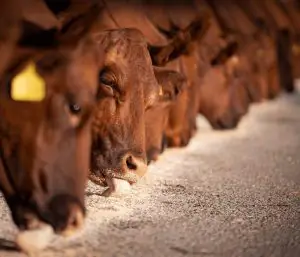
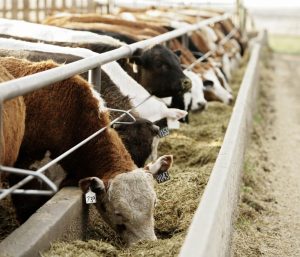
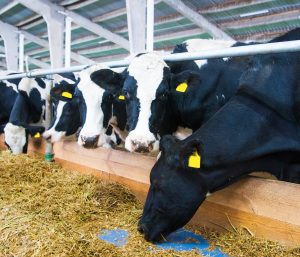
Breeding cattle remained Vietnam’s most valuable imported breeding livestock category. In May 2026, the country imported more than 59,800 breeding cattle worth USD 44.8 million.
Compared with the previous month:
Compared with May 2025:
The figures indicate growing demand for high-quality beef and breeding cattle as businesses and local authorities prioritize herd development.
Breeding buffaloes and other breeding livestock ranked second by import value, with more than 33,600 animals worth USD 21 million.
Compared with April 2026:
Compared with the same month last year:
These figures highlight strong investment in high-quality breeding livestock to support domestic livestock production.
In the poultry sector, Vietnam imported more than 459,200 day-old chicks in May 2026, valued at USD 3.4 million.
Compared with April 2026:
Compared with May 2025:
The continued growth suggests sustained demand for breeding stock to support both commercial poultry production and breeding operations as businesses and farmers expand production.
The sharp rise in breeding animal imports reflects not only herd rebuilding following recent market fluctuations but also an increasing focus on improving livestock genetics.
As Vietnam’s livestock industry faces higher requirements for productivity, disease control, and product quality, access to high-quality breeding stock is considered essential for improving production efficiency and strengthening competitiveness.
However, alongside increasing imports, experts recommend strengthening quarantine procedures and quality control for imported breeding animals while accelerating the development of Vietnam’s domestic breeding industry.
Expanding domestic breeding capacity is seen as a key strategy to gradually reduce reliance on imported genetics, secure a stable breeding stock supply, and support the long-term development of a modern and sustainable livestock sector.


Subscribe now to the technical magazine of animal nutrition
AUTHORS
From 2025 Data to 2026 Decisions: Managing Mycotoxin Risk in a Changing Climate
Alterion® NE Celebrates 10 Years of Poultry Gut Health Innovation

The Science Behind Kolin Plus: Beyond Choline Replacement
Summer Infertility in Sows: Managing Heat Stress and Reproductive Performance
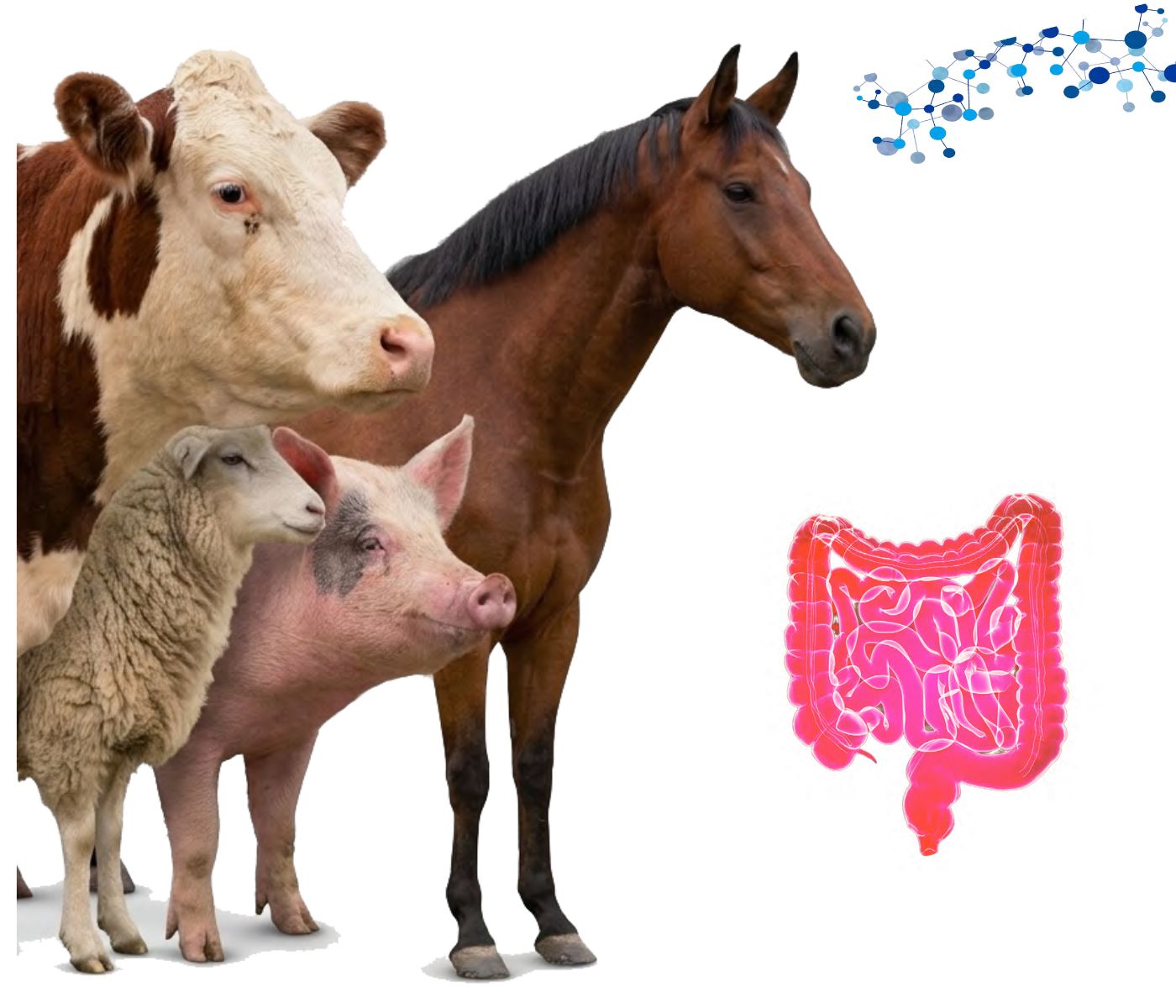
AO-Biotics® Amaferm®: Supporting Livestock Digestion and Performance

Interview with Güner Gövenç
Güner Gövenç,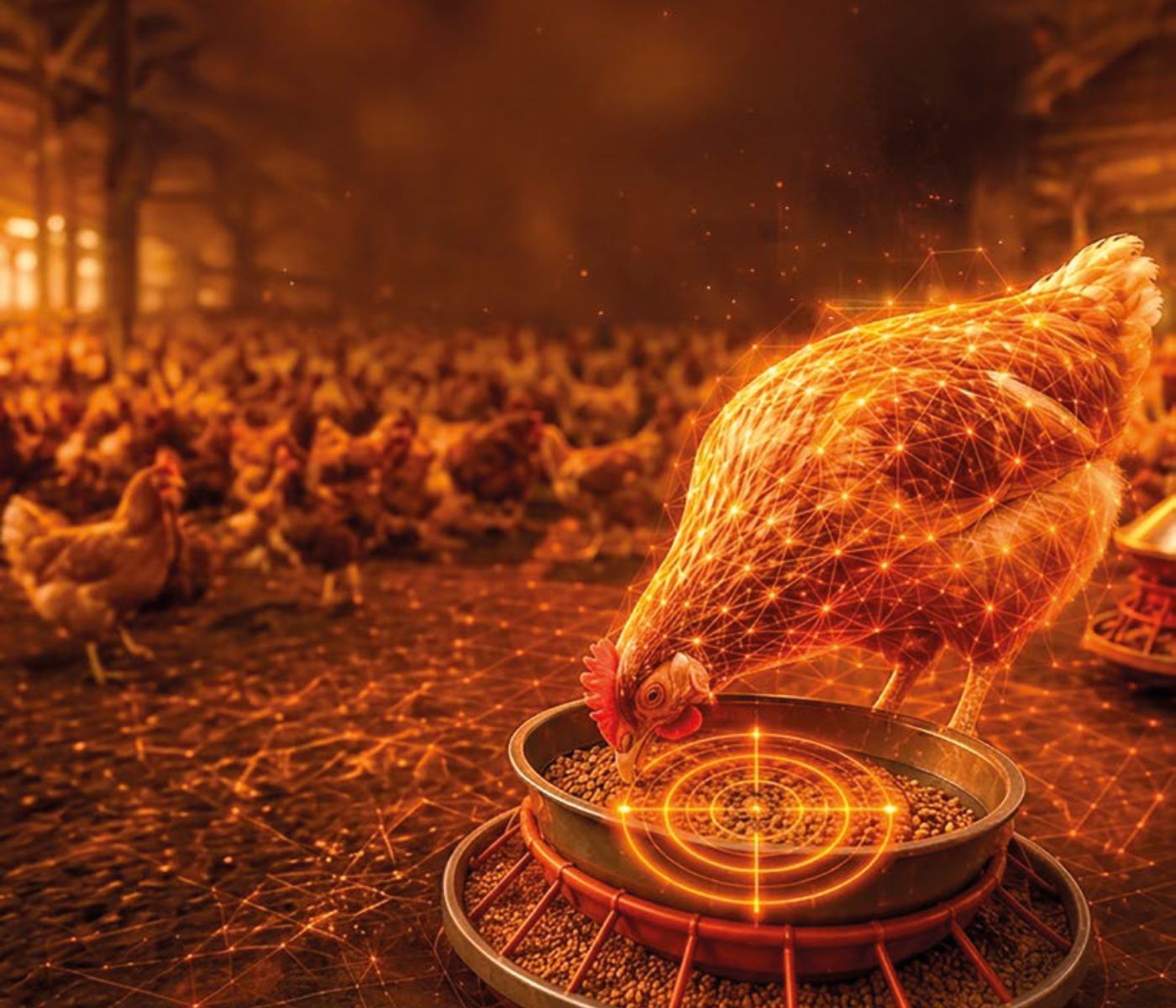
Net Energy and Precision Feeding Shape the Future of Poultry Nutrition
Edgar Oviedo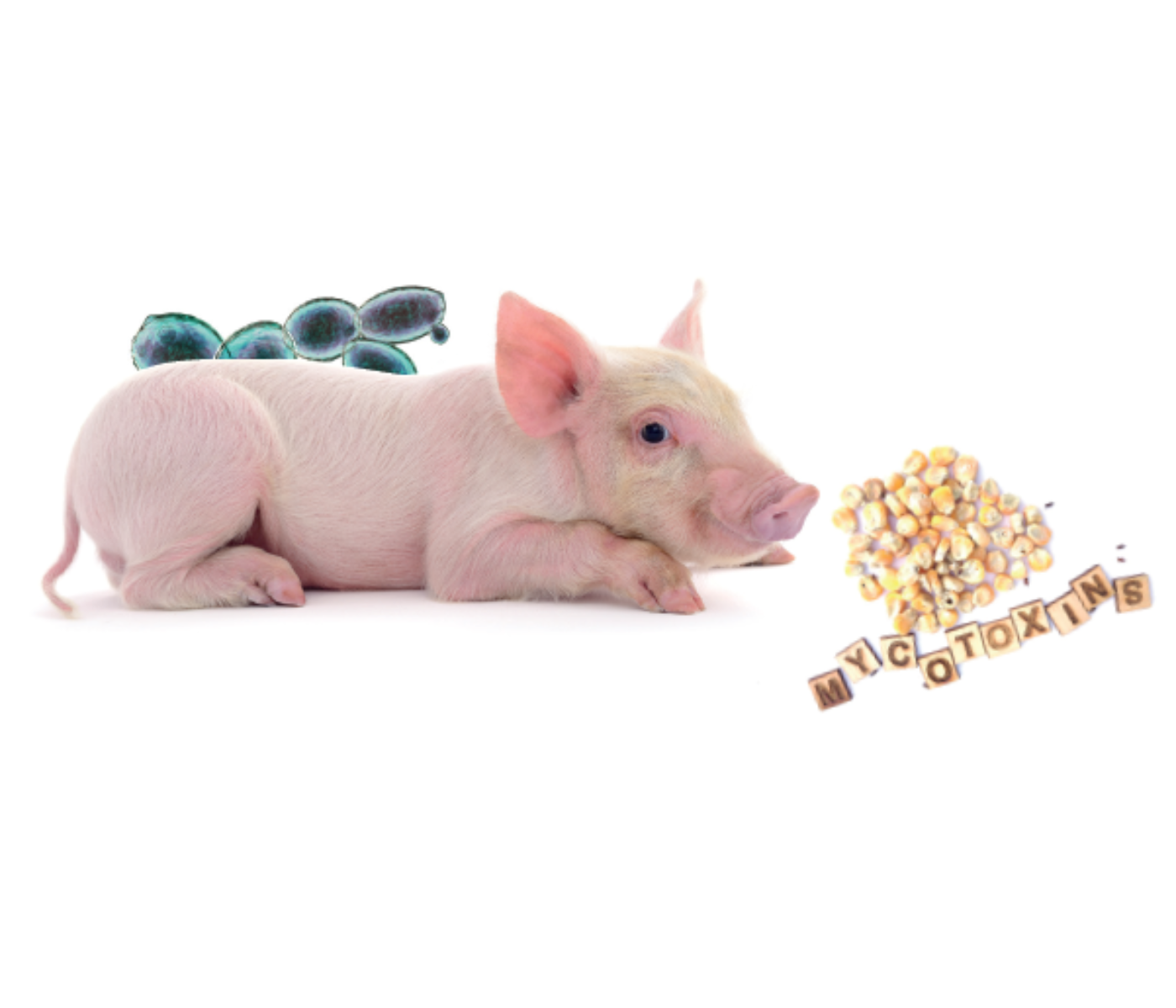
Mycotoxins in Swine: Health Risks and Nutritional Solutions
Giuseppe Carcò
Mycotoxins and Piglet Ear Necrosis: Cause, Cofactor or Coincidence?
Alberto Morillo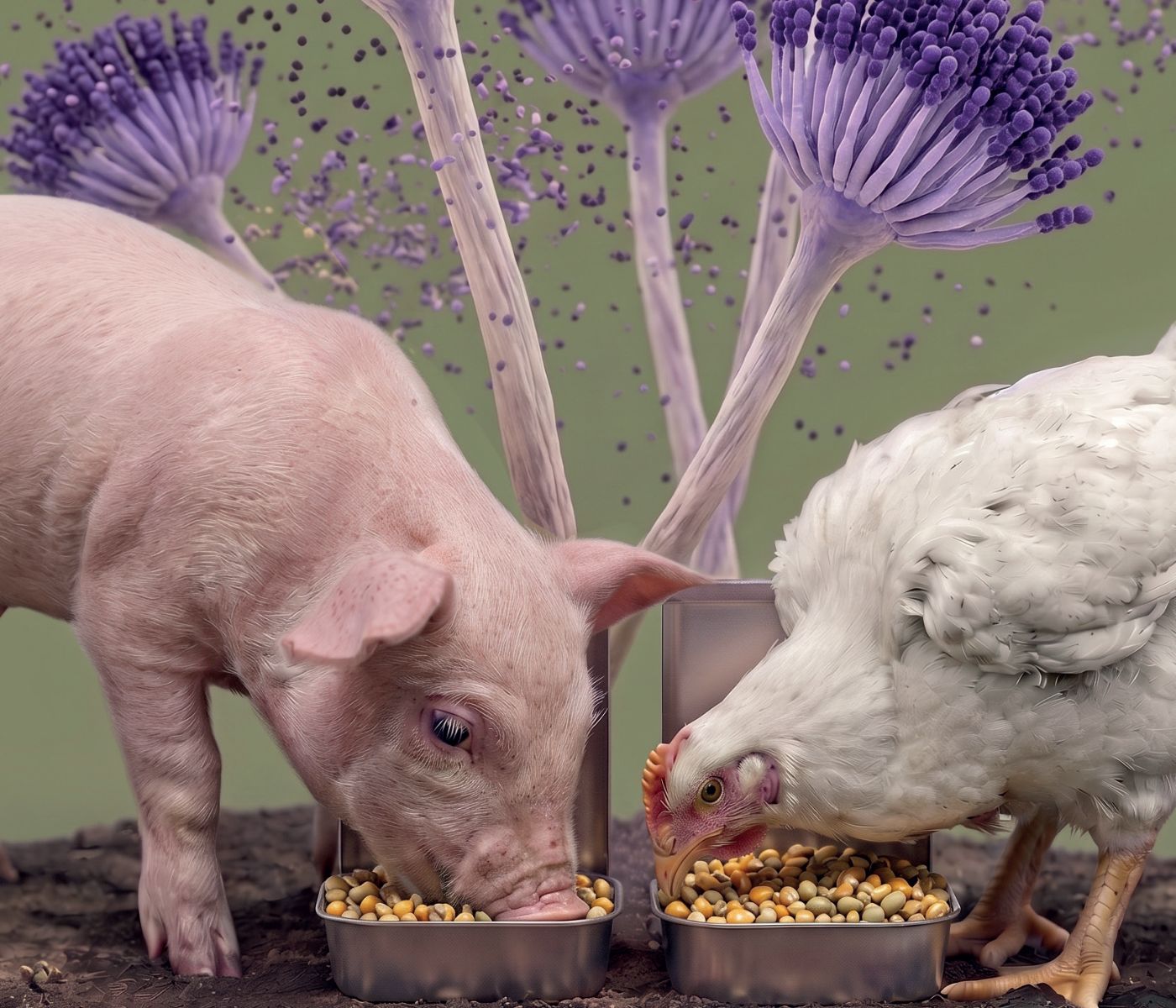
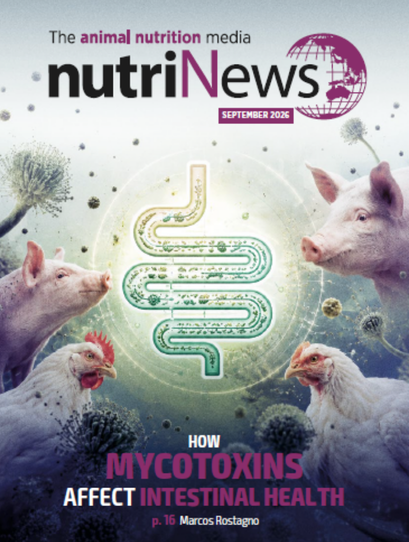
How Mycotoxins Affect Intestinal Health in Pigs and Poultry
Marcos Rostagno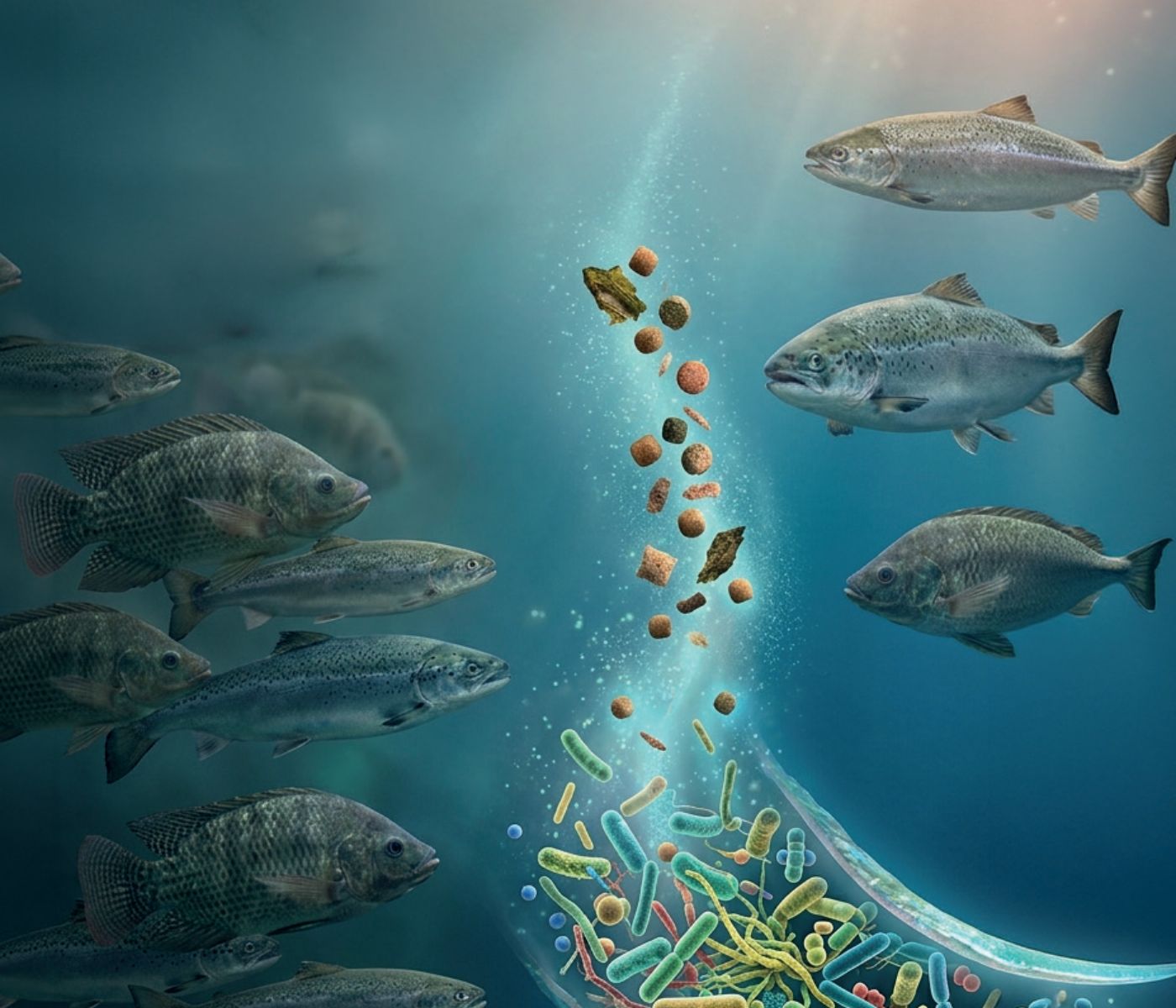
From Antibiotics to Functional Feeds in Aquaculture
Babatunde Saliu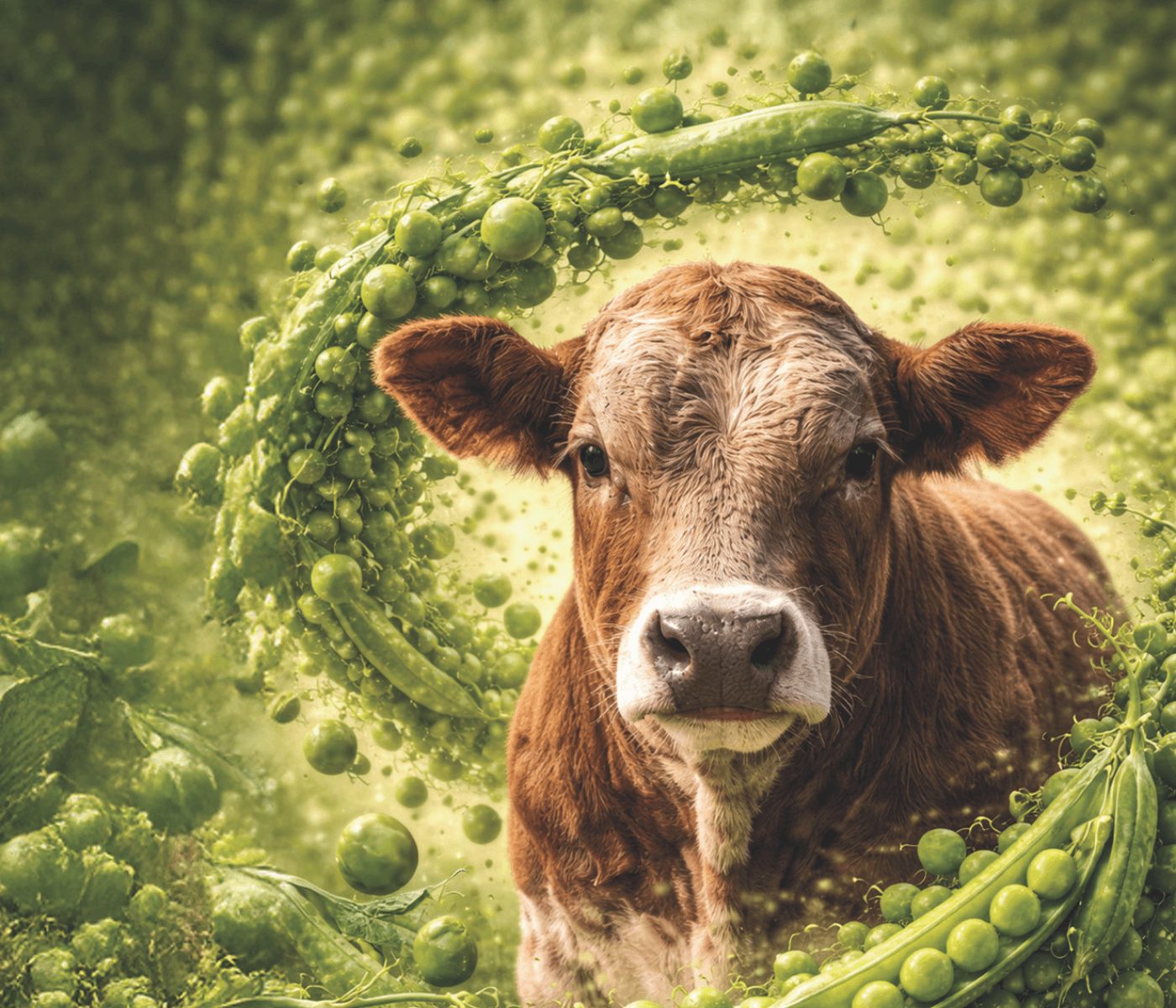
Peas as an Alternative to Soybean Meal in Beef Cattle Finishing Diets
Daniel Villalba Mata,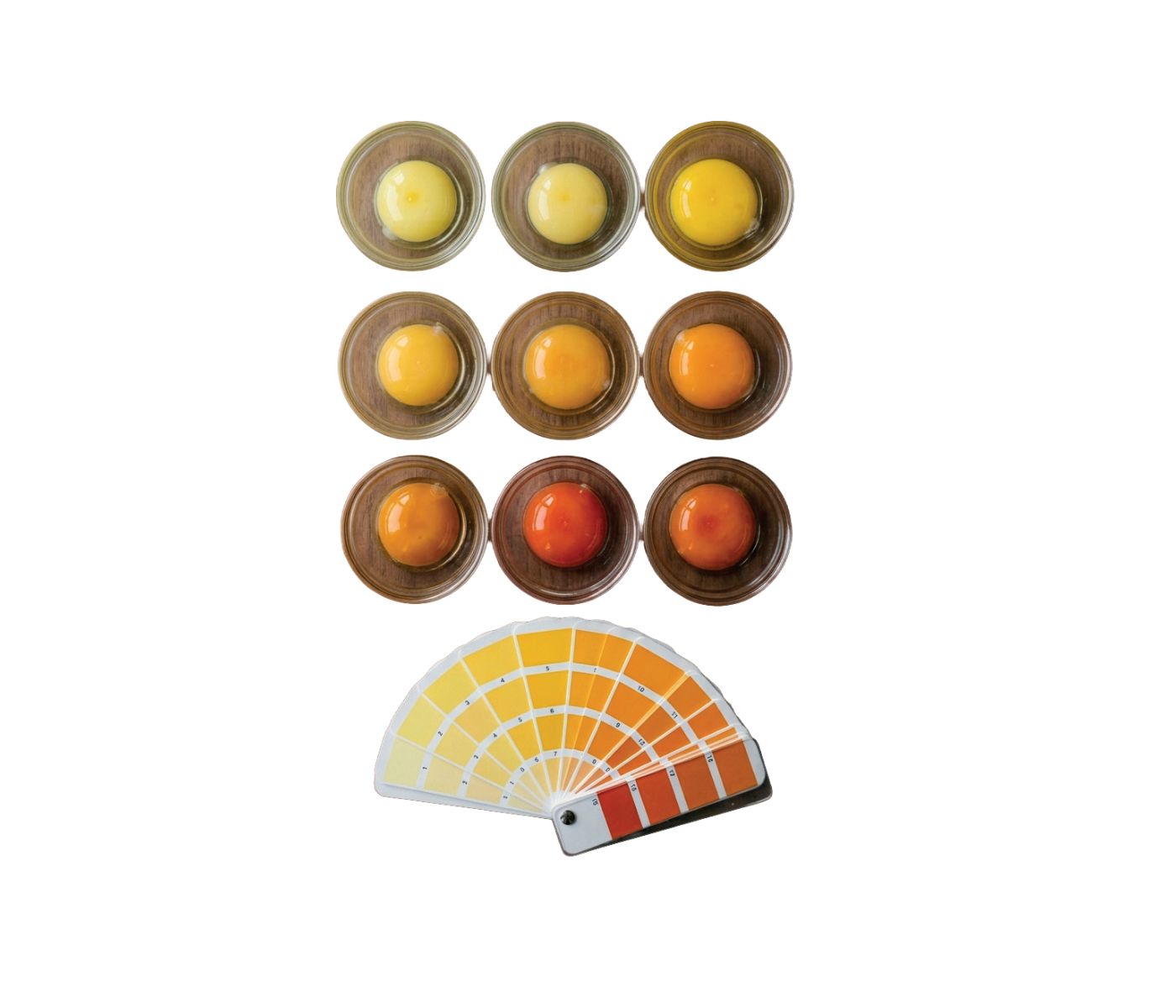
Improving Egg Yolk Pigmentation Through Better Nutrient Transport

Aquaculture and Aquaponics Nutrition: How Fish Shape the Growth of Greens
Trenton Corby
Consistency in Soybean Meal Drives Performance and Sustainability