 12 Oct 2022
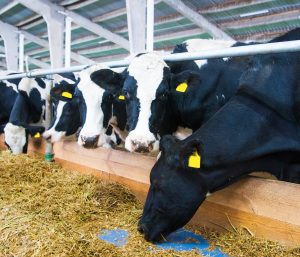
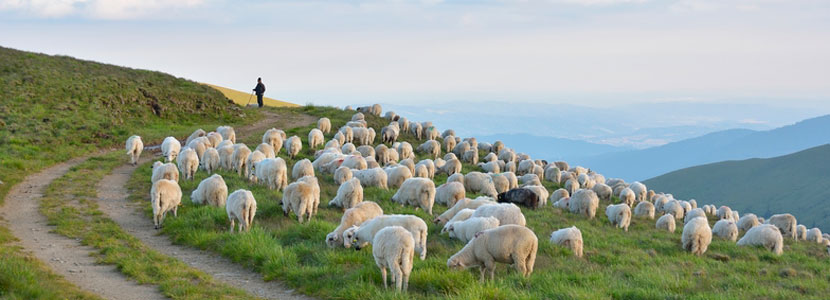
Cattle grazing is one of the the most widespread types of land use on Earth. However, this activity can alter both biodiversity and ecosystem functioning.
An international team of researchers, led by the Rey Juan Carlos University (URJC), carried out a study with the aim of identifying the role of cattle grazing within ecosystem dynamics. Where they have found that this activity represents a significant regulator of biodiversity and ecosystem functioning in the upcoming years.
This piece of research, which has been published in the journal ‘PNAS’, suggests that increasing the diversity of grazing herbivores in the field while maintaining similar levels of population density can enhance the biodiversity and functionality of grazing ecosystems.
Grazing is one of the most widespread methods of livestock production, affecting more than 25% of all land emerged, and plays a fundamental role in food production, especially important in developing countries.
Materials and Methods
To conduct this study, the researchers conducted a five-year field experiment in one of the largest and most grazed grasslands on earth, in northeastern China, in collaboration with Northeast China University.This long-term grazing experiment was initiated in 2008 with a randomized block design. Six sites (blocks) were selected. Each site was divided into four plots. Four grazing treatments were randomly administered amongst these:
The same livestock biomass per unit area was applied in all of the grazing treatments to control grazing intensity while testing the effects of livestock diversity on biodiversity and ecosystem function.


Researchers used DNA sequencing techniques and evaluated the effects of grazing from a single species (cows or sheep) and mixed species of cattle (cows and sheep) on the biodiversity of plants, insects, soil microbes and multiple ecosystem functions.
Results
To read full article follow the link below
Source : Abstract taken from “Diversifying livestock promotes multidiversity and multifunctionality in managed grasslands”
Subscribe now to the technical magazine of animal nutrition
AUTHORS
From 2025 Data to 2026 Decisions: Managing Mycotoxin Risk in a Changing Climate
Alterion® NE Celebrates 10 Years of Poultry Gut Health Innovation
The Science Behind Kolin Plus: Beyond Choline Replacement
Summer Infertility in Sows: Managing Heat Stress and Reproductive Performance
AO-Biotics® Amaferm®: Supporting Livestock Digestion and Performance

Interview with Güner Gövenç
Güner Gövenç,
Net Energy and Precision Feeding Shape the Future of Poultry Nutrition
Edgar Oviedo
Mycotoxins in Swine: Health Risks and Nutritional Solutions
Giuseppe Carcò
Mycotoxins and Piglet Ear Necrosis: Cause, Cofactor or Coincidence?
Alberto Morillo
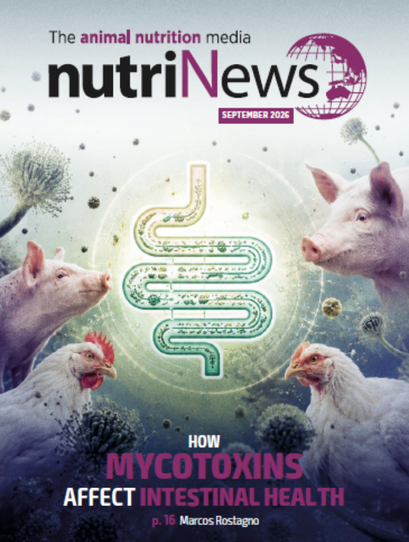
How Mycotoxins Affect Intestinal Health in Pigs and Poultry
Marcos Rostagno
From Antibiotics to Functional Feeds in Aquaculture
Babatunde Saliu
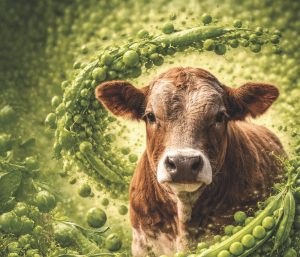
Peas as an Alternative to Soybean Meal in Beef Cattle Finishing Diets
Daniel Villalba Mata,
Improving Egg Yolk Pigmentation Through Better Nutrient Transport
Aquaculture and Aquaponics Nutrition: How Fish Shape the Growth of Greens
Trenton Corby
Consistency in Soybean Meal Drives Performance and Sustainability