 24 Jun 2026
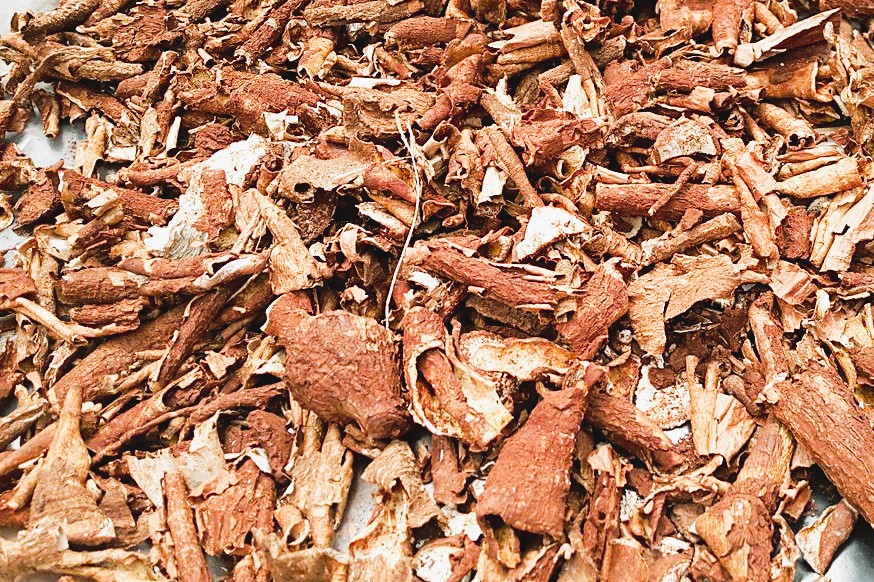
Cassava peel is a good alternative feed ingredient and is abundant in tropical regions like Southeast Asia. Its use, however, is limited by fiber and antinutritional compounds. Fermentation with Lentinus edodes reduces these barriers, improving nutrient accessibility and safety. A study conducted in Indonesia tested fermented cassava peel (FCP) in laying hen diets to measure performance, egg quality, and profitability.
The trial lasted 12 weeks and involved 200 Hy-Line Brown hens at 28 weeks of age. Diets contained 0%, 5%, 10%, or 15% FCP. Researchers measured egg production, hen-day production, egg weight, feed conversion ratio, yolk fatty acid profile, and income over feed cost. Fermentation lasted 10 days, followed by drying and milling. Diets were balanced to meet nutrient requirements.
Egg production peaked at 5% FCP, reaching 23.9 eggs per hen per period. This level significantly outperformed control and higher inclusion groups. Hen-day production mirrored egg output, highest at 5% and lowest at 15%. Egg weight and feed conversion ratio remained stable across treatments, showing efficiency was unaffected. Mortality was zero, confirming safety of FCP inclusion. Moderate inclusion improved laying rate, while higher levels reduced performance due to excess fiber.
Saturated and monounsaturated fatty acids remained stable across treatments. Omega-3 and omega-9 levels increased at 5% and 15% inclusion. Omega-6 peaked at 10% but dropped at 15%. These changes suggest fermentation influenced lipid metabolism, enhancing yolk nutritional quality without disrupting overall balance.


Income over feed cost peaked at 5% inclusion, reaching about 172% of the control group. Higher inclusion lowered profitability despite cheaper feed costs, because egg output declined. The study identified 5% FCP as the optimal level, balancing performance, egg quality, and farm economics.
Producers can safely integrate fermented cassava peel into laying hen diets. At 5% inclusion, it raises egg production, enriches yolk omega-3 and omega-9 content, and strengthens profitability. Higher inclusion reduces efficiency, underscoring the need for moderation. The findings position cassava peel fermentation as a sustainable feed strategy for tropical poultry production.




Subscribe now to the technical magazine of animal nutrition
AUTHORS
From 2025 Data to 2026 Decisions: Managing Mycotoxin Risk in a Changing Climate
Alterion® NE Celebrates 10 Years of Poultry Gut Health Innovation
The Science Behind Kolin Plus: Beyond Choline Replacement

Summer Infertility in Sows: Managing Heat Stress and Reproductive Performance
AO-Biotics® Amaferm®: Supporting Livestock Digestion and Performance

Interview with Güner Gövenç
Güner Gövenç,
Net Energy and Precision Feeding Shape the Future of Poultry Nutrition
Edgar Oviedo
Mycotoxins in Swine: Health Risks and Nutritional Solutions
Giuseppe Carcò
Mycotoxins and Piglet Ear Necrosis: Cause, Cofactor or Coincidence?
Alberto Morillo
How Mycotoxins Affect Intestinal Health in Pigs and Poultry
Marcos Rostagno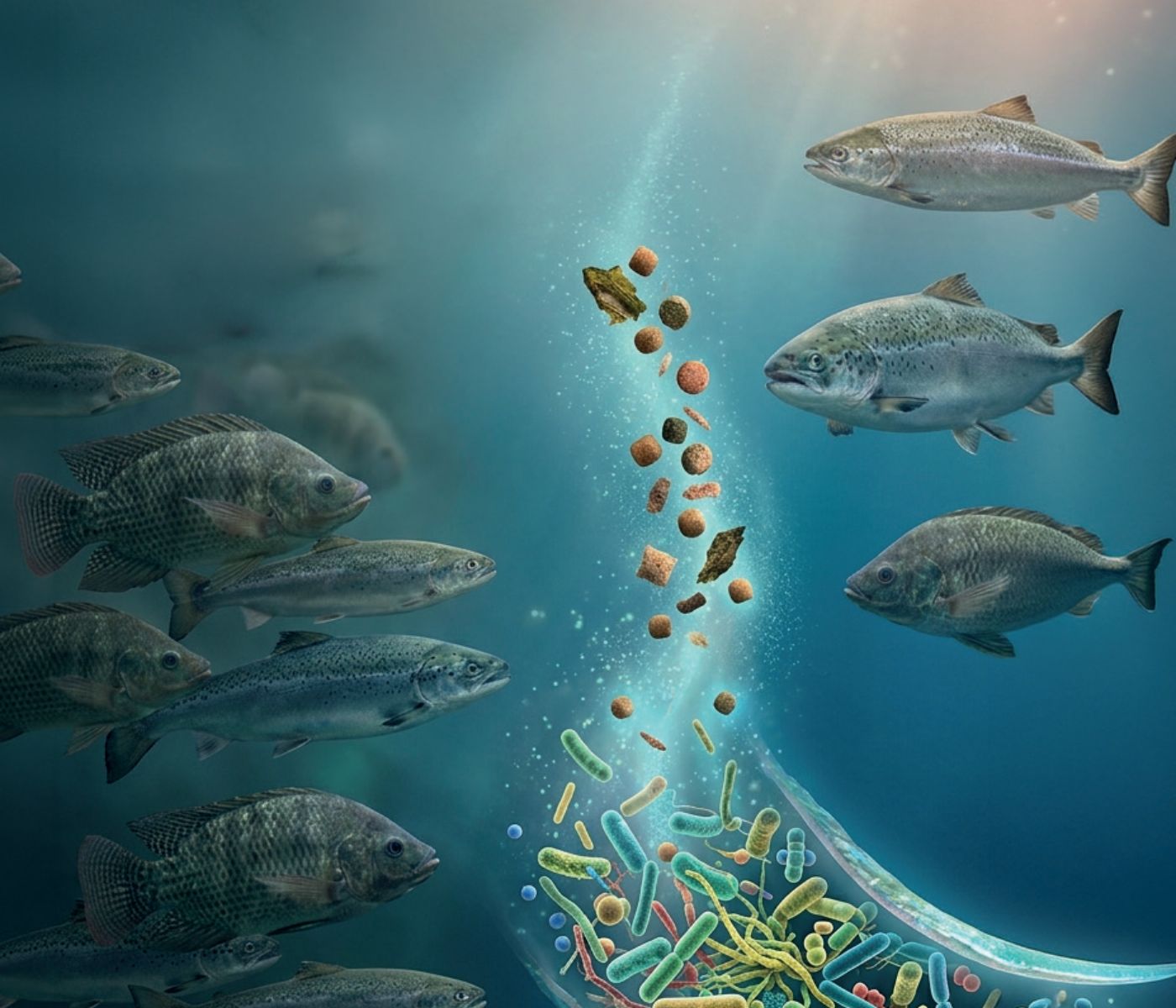
From Antibiotics to Functional Feeds in Aquaculture
Babatunde Saliu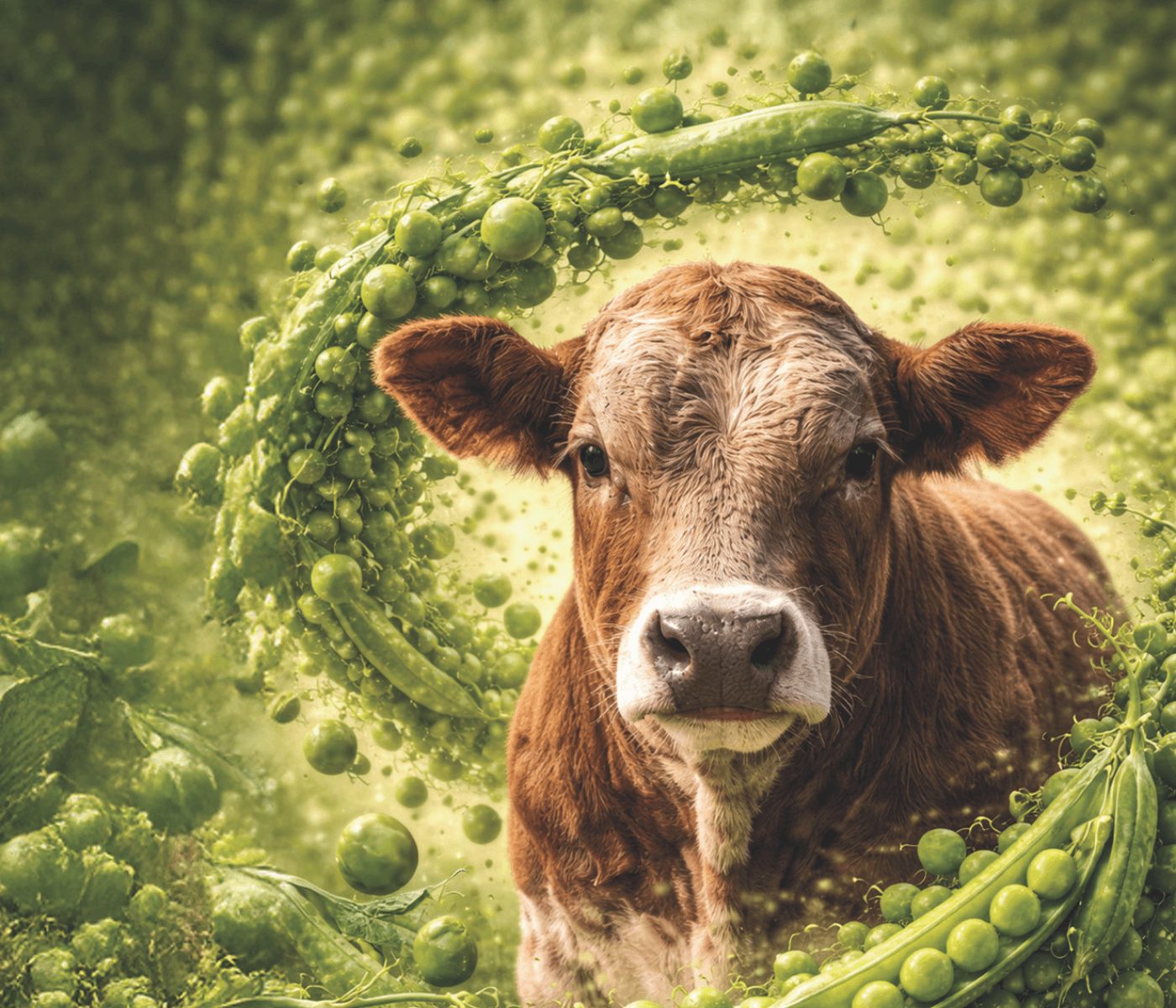
Peas as an Alternative to Soybean Meal in Beef Cattle Finishing Diets
Daniel Villalba Mata,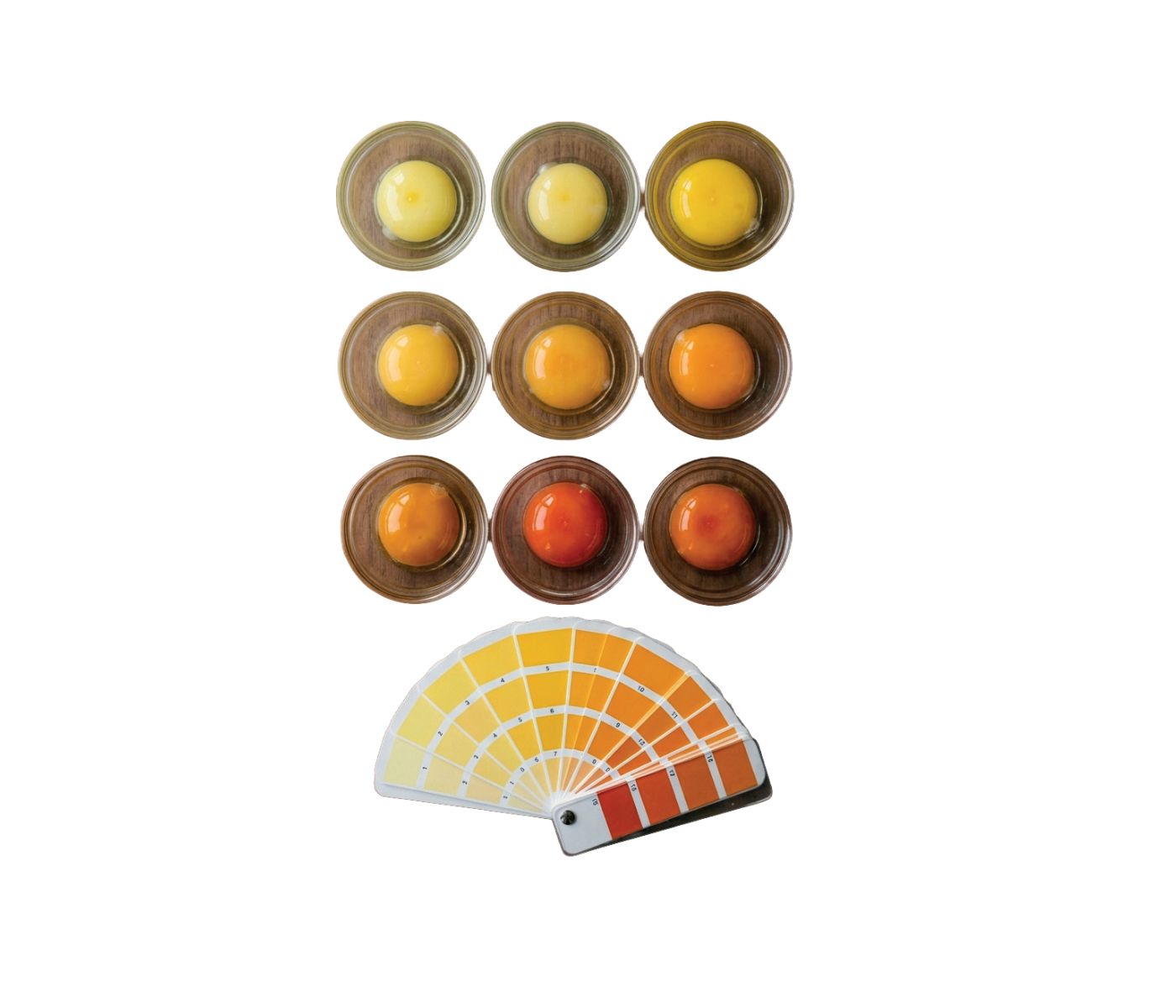
Improving Egg Yolk Pigmentation Through Better Nutrient Transport

Aquaculture and Aquaponics Nutrition: How Fish Shape the Growth of Greens
Trenton Corby
Consistency in Soybean Meal Drives Performance and Sustainability