 18 Oct 2024
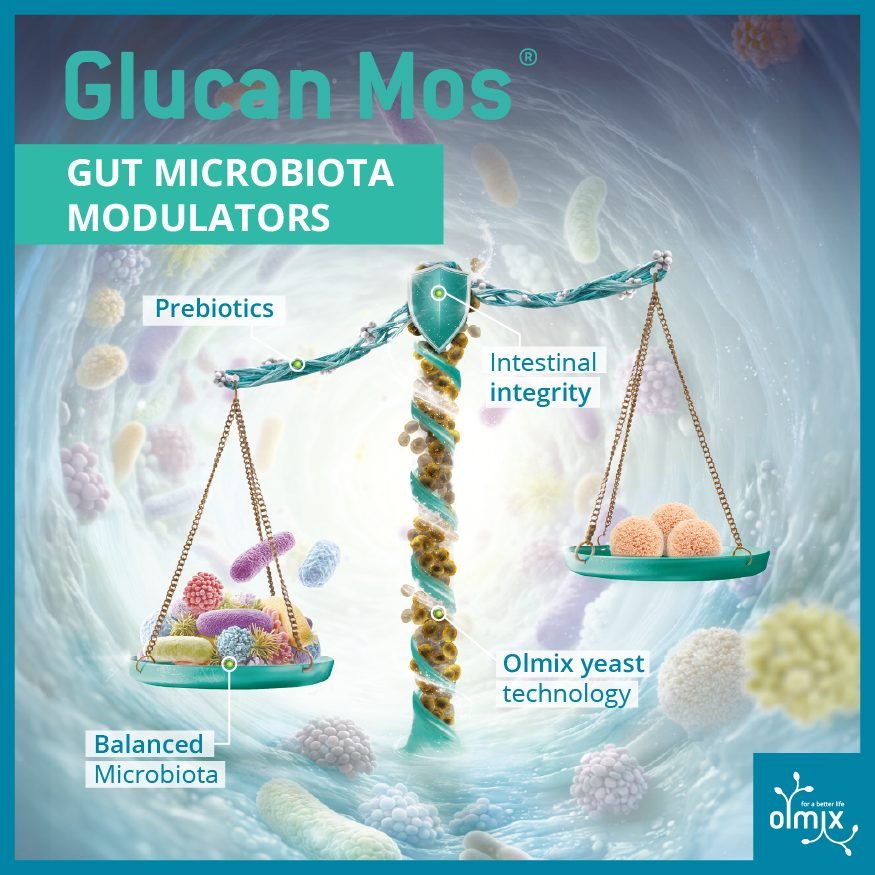
“The current raw milk price doesn’t even cover production costs,” said Zhang Ming, a production manager at a dairy farm in northern China. “The latest price is only 2.6 yuan per kilogram, but feeding costs alone average 2.2 yuan per kilogram. When you add fixed costs like land, the total cost climbs to around 3.2 to 3.5 yuan per kilogram.”
Xu Ping, a supplier to a leading dairy company, described a slightly better situation. “We’re still operating at a loss, but we can sell milk for over 3 yuan per kilogram. Recently, the company has honored its purchase contracts without rejecting any shipments. However, this could change after the Spring Festival, when we might see a drop in collection in the second quarter.”
Milk prices have been on a steady decline throughout 2024, with no signs of rebounding. The price of raw milk has fallen by more than 28% from a peak of 4.38 yuan per kilogram in 2021 to just 3.14 yuan by the end of September 2024.
The sustained decline in raw milk prices is evident in the financial results of major dairy companies. For the first half of 2024, only Youran Dairy reported an increase in revenue, while other listed companies, including Modern Dairy, AustAsia Group, and China Shengmu, posted revenue declines and net losses.
According to China Shengmu’s semi-annual report, oversupply remains a persistent issue. The dairy industry is struggling with weakened demand while production capacity remains high. Meanwhile, many small and medium-sized farms that supply smaller dairy firms face even greater challenges, with fluctuating milk prices and increased risk of milk rejections during market downturns.
The situation has been exacerbated by the rapid increase in milk yield per cow. Despite the elimination of about 1.2 million cows from 2023 to 2024, the average milk yield per cow has increased to over 12 tons, keeping total raw milk production high.
With consumption growth limited and significant milk powder reserves in storage, dairy farmers remain pessimistic about a near-term price recovery. Zhang Ming remarked, “We’re nearing the peak milk production season. If surplus milk remains an issue, dairy companies will continue to drive prices down.”
Yili Group and Mengniu Dairy, two of China’s largest dairy companies, anticipate that raw milk supply will outstrip demand well into 2025. While they foresee a slowdown in production growth and a possible easing of the price decline, a balance between supply and demand is unlikely before mid-2025.
The Chinese government has recently introduced measures to support the dairy industry, including the “Notice on Promoting the Stable Development of Beef and Dairy Cattle Production.” These measures include promoting dairy consumption, expanding the “Student Milk Program,” and offering credit and insurance support for struggling farms.
Industry expert Song Liang emphasized the importance of reducing production capacity to achieve market stability. He also recommended the implementation of a national breeding quota system and a comprehensive supply-demand forecasting mechanism to address the oversupply issue.
With the industry facing its second major downturn within a decade, dairy farms are bracing for tough times ahead as they prepare for winter feed storage amid ongoing cash flow challenges. As one dairy farmer put it, “Waiting for milk prices to rebound seems to be the only option. Exiting the business would be too costly. We just have to hold on.”
The outlook remains uncertain, with many farms grappling with whether they can afford to continue operations or will need to make further painful cuts.
Source: Reuters
Subscribe now to the technical magazine of animal nutrition
AUTHORS
Consistency in Soybean Meal Drives Performance and Sustainability
Anna Cotcho
Kolin Plus FC: greener choline nutrition for poultry

Middle East conflicts disrupt global feed markets
Edgar Oviedo
Optimizing nutrition for dairy goat and sheep productivity in Cyprus
Carolina Kyriacou
pHix-up improves rumen stability in dairy cows
Subacute ruminal acidosis
Net energy and growth: keys to better prediction in swine production
Gabriela Martínez
How starch structure & protein reduction shape gut health in weaned pigs
Diana Luise
Astaxanthin supplementation in aquaculture
Babatunde Saliu
What is intestinal health?
Marcos Rostagno
Calcium, phosphorus, and phytase optimization in broiler diets
Anna Cotcho