 nutriNews Asia
Press release 29 Oct



This standard sets stringent requirements for traceability of raw materials, social responsibility, environmental protection, and transparency throughout the entire production process.
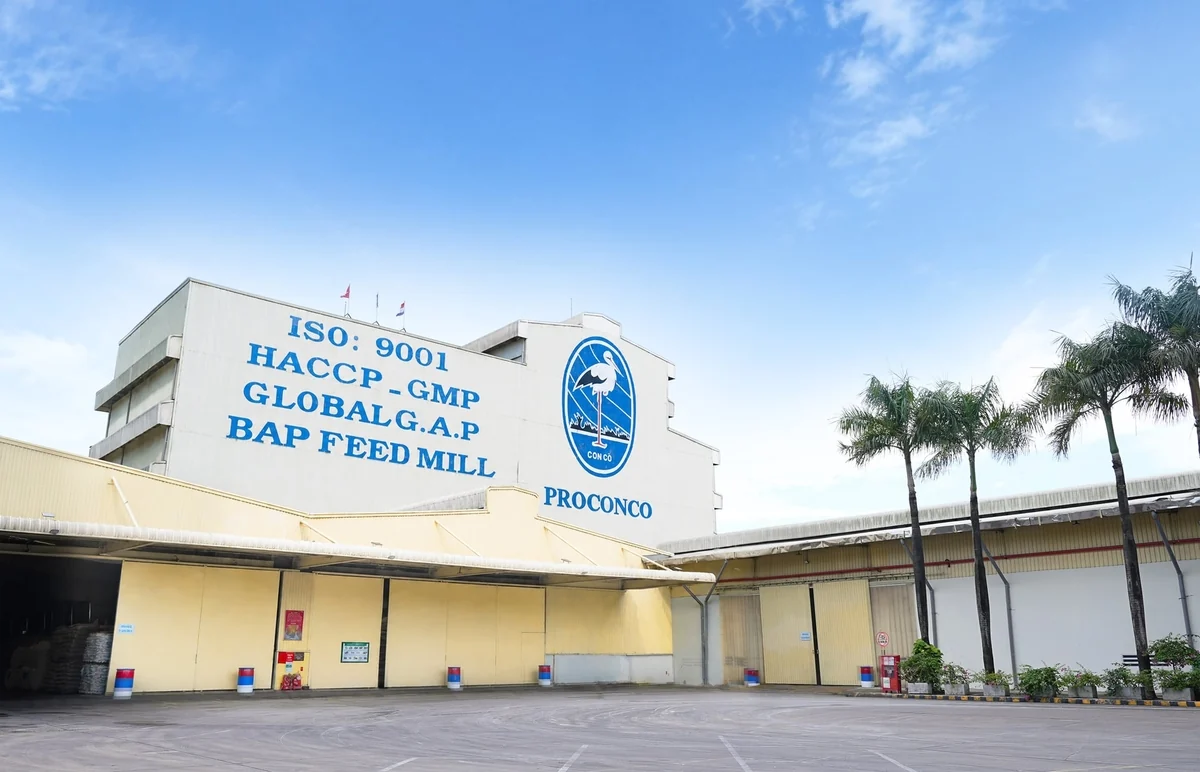
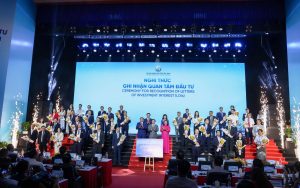
De Heus’s Proconco Can Tho plant has achieved ASC Feed Standard certification for its pangasius and tilapia feed product lines.
Following the ASC Feed certification for shrimp feed from De Heus Vinh Long 4 plant in 2025, this is the next step in expanding the aquaculture product portfolio to meet increasingly stringent requirements for traceability, transparency, and responsible production.
ASC Feed Standard certification: An increasingly important standard for Vietnamese seafood exports
The ASC Feed Standard is a set of standards developed by the Aquaculture Stewardship Council (ASC) to promote responsible aquaculture feed production.
This standard sets stringent requirements for traceability of raw materials, social responsibility, environmental protection, and transparency throughout the entire production process.
In recent years, major importing markets such as the EU, North America and Japan have increasingly focused on how products are made rather than just the quality of the final product.
Requirements related to traceability, environmental impact reduction, and transparency in the supply chain are gradually becoming crucial conditions for accessing high-value market segments.
With export revenue reaching nearly USD 2.2 billion in 2025, pangasius continues to be one of Vietnam’s key seafood export sectors. The expansion of international markets also places increasingly high demands on traceability, transparency, and sustainable development throughout the entire supply chain.
Besides pangasius, tilapia is currently considered one of the aquaculture species with rapid growth potential in Vietnam due to increasing demand from export markets.
In the context of markets increasingly focusing on traceability and sustainable development, the ASC Feed Standard certification for De Heus’ tilapia feed lines contributes to supporting farmers and businesses in better meeting international standards.
Therefore, the fact that De Heus’ pangasius and tilapia feed lines have ASC Feed Standard certification has significance beyond the scope of a single business.
Increasing the supply of certified feed will create more opportunities for farmers, processors, and exporters to participate in certified farming programs, while also better meeting the requirements of international retailers and importers.
Johan van den Ban, General Director of De Heus Vietnam and Asia, said, “The ASC Feed Standard certification for pangasius and tilapia feed products from Proconco Can Tho factory is not only a milestone for De Heus but also contributes to expanding options for farmers and businesses in meeting the increasingly stringent requirements of the export market. We believe that standards related to traceability, transparency, and responsible production will increasingly play a crucial role in the future of Vietnam’s aquaculture industry.”
From shrimp feed to catfish and tilapia feed: De Heus continues to expand its portfolio of ASC-certified feed products
In 2025, De Heus Vinh Long 4 factory became one of the pioneering units in Vietnam to achieve ASC Feed Standard certification for its shrimp feed lines.
This success lays the foundation for the company to further expand the application of the ASC Feed Standard to other aquaculture product groups, including pangasius and tilapia feed.
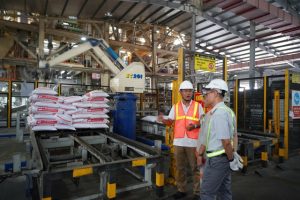
To meet the requirements of this standard, De Heus has standardized its entire process, from raw material selection and supplier management to production, quality control, and supply chain management.
Input materials are strictly controlled in terms of origin, legality, and compliance with environmental and social responsibility requirements.
In Vietnam, De Heus currently owns six aquaculture feed production plants and a global aquaculture research & development center located in Vinh Long.
Alongside investing in production and research capabilities, De Heus implements numerous technical support programs and collaborates with farmers to improve production efficiency, manage aquaculture health, and develop sustainable farming models.
These activities contribute to optimizing economic efficiency for farmers, while promoting more efficient resource utilization, reducing environmental impact, and meeting the increasing demands for traceability and transparency in the supply chain.
At its aquaculture feed production facilities, De Heus focuses on energy efficiency, greenhouse gas emission control, wastewater and waste management in accordance with regulations, and continuous improvement of operational efficiency to minimize environmental impact.
This is part of De Heus’ long-term commitment to developing a green, responsible, and sustainable aquaculture industry.
In the future, De Heus will continue to expand the scope of ASC Feed Standard certification to other aquaculture feed lines, remaining steadfast in its mission to support the aquaculture industry’s development towards transparency, responsibility, and sustainability.
As traceability, transparency, and responsibility in production become increasingly important criteria in global trade, platforms like ASC will play an increasingly significant role in enhancing the competitiveness and value of Vietnamese seafood.

Subscribe now to the technical magazine of animal nutrition
AUTHORS
From 2025 Data to 2026 Decisions: Managing Mycotoxin Risk in a Changing Climate
Alterion® NE Celebrates 10 Years of Poultry Gut Health Innovation
The Science Behind Kolin Plus: Beyond Choline Replacement
Summer Infertility in Sows: Managing Heat Stress and Reproductive Performance
AO-Biotics® Amaferm®: Supporting Livestock Digestion and Performance

Interview with Güner Gövenç
Güner Gövenç,
Net Energy and Precision Feeding Shape the Future of Poultry Nutrition
Edgar Oviedo
Mycotoxins in Swine: Health Risks and Nutritional Solutions
Giuseppe Carcò
Mycotoxins and Piglet Ear Necrosis: Cause, Cofactor or Coincidence?
Alberto Morillo
How Mycotoxins Affect Intestinal Health in Pigs and Poultry
Marcos Rostagno
From Antibiotics to Functional Feeds in Aquaculture
Babatunde Saliu
Peas as an Alternative to Soybean Meal in Beef Cattle Finishing Diets
Daniel Villalba Mata,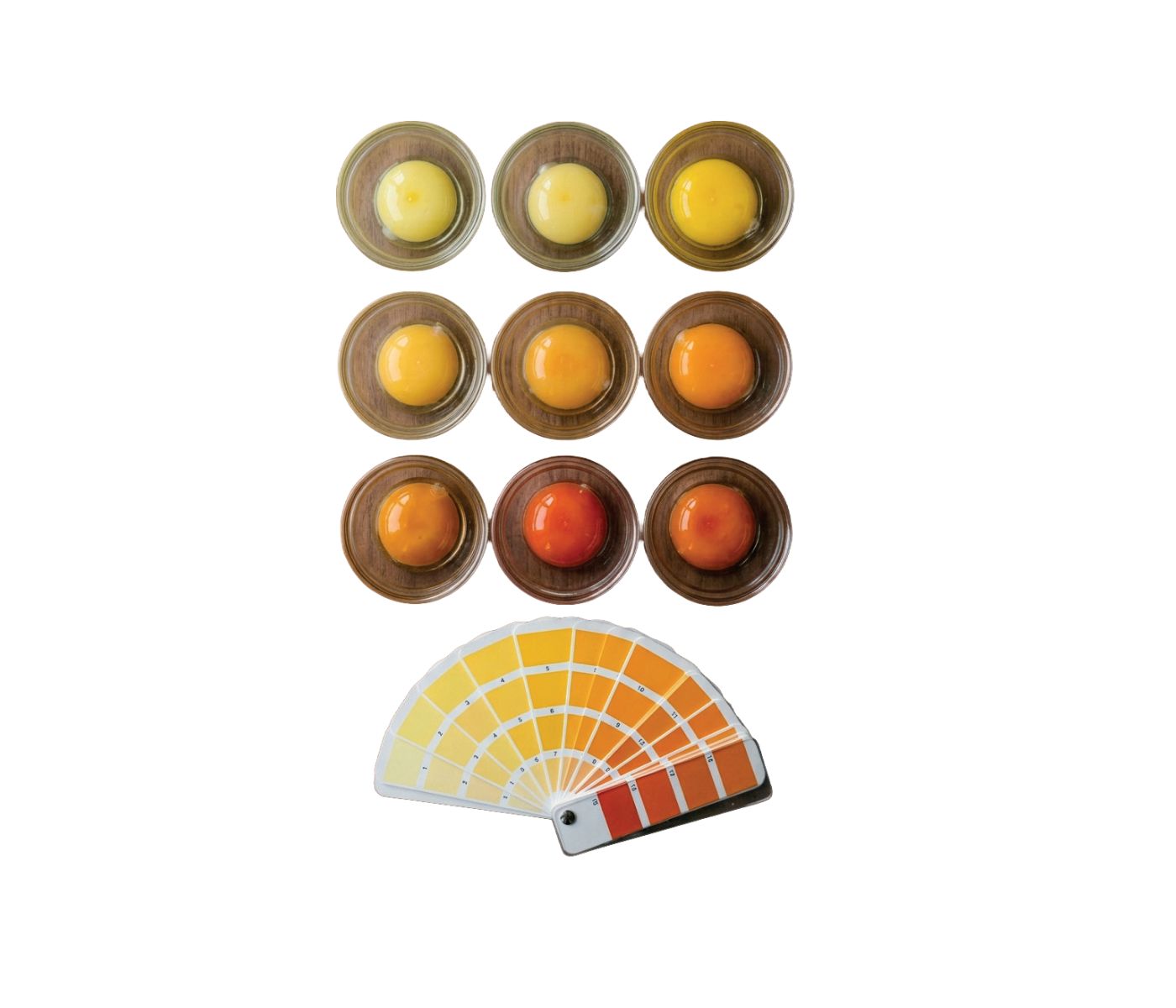
Improving Egg Yolk Pigmentation Through Better Nutrient Transport
Aquaculture and Aquaponics Nutrition: How Fish Shape the Growth of Greens
Trenton Corby
Consistency in Soybean Meal Drives Performance and Sustainability