 19 Apr 2023
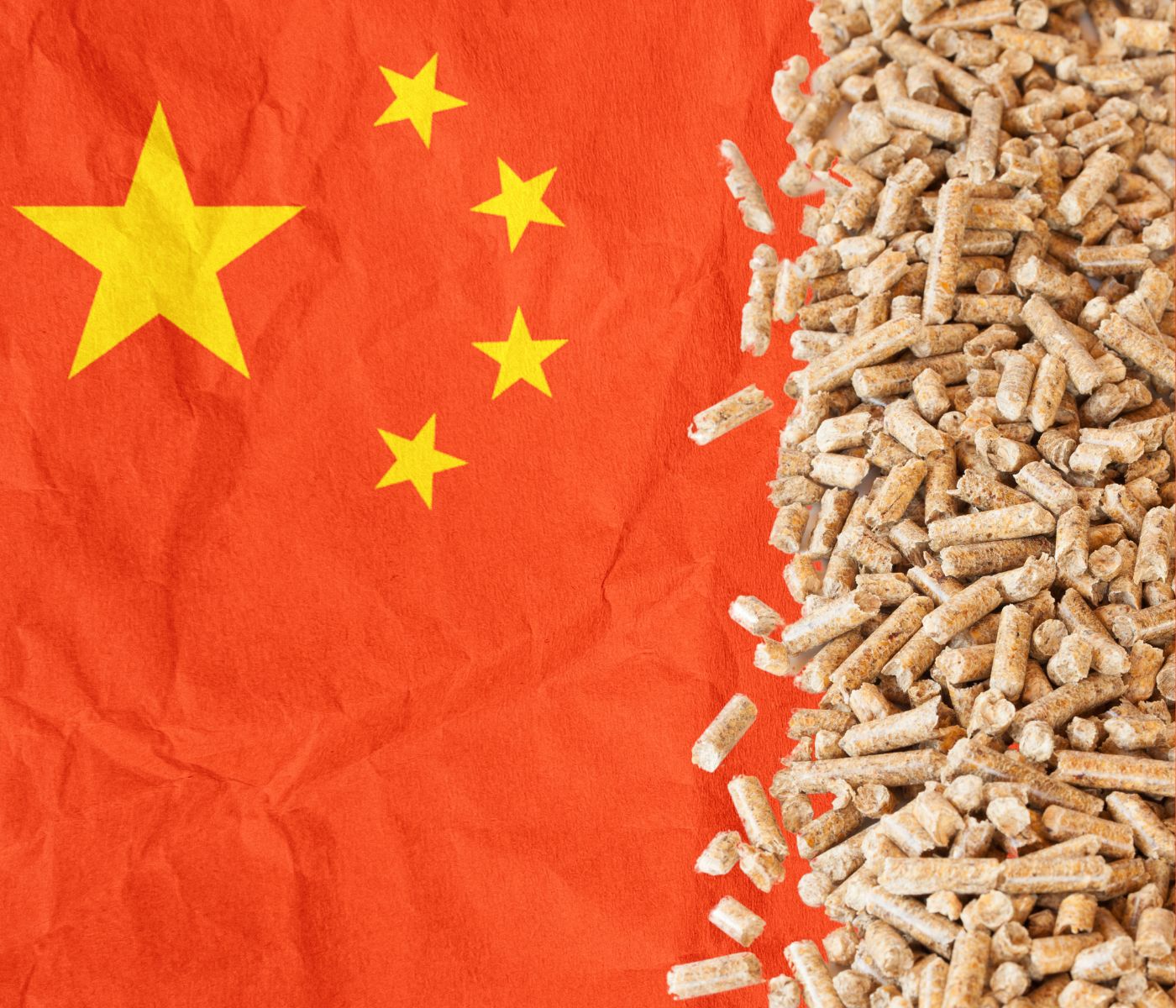
Food security prompts China to cut soybean meal from animal feed
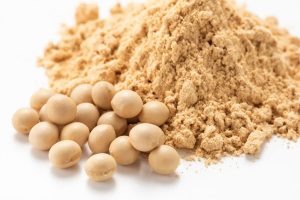
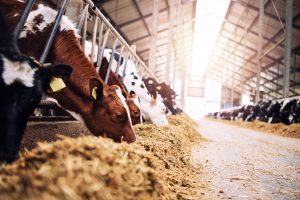
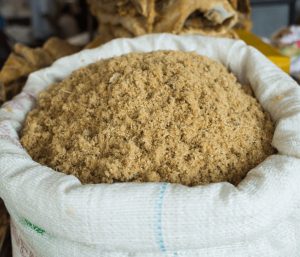
China’s Ministry of Agriculture launched a three-year action plan to reduce the use of soybean meal in animal feed, as the country continues to try to reduce its heavy dependence on soybean imports. This was announced last Friday April 14th.
During 2021 authorities of the world’s largest soybean importer had already issued guidelines for the animal feed industry, recommending lower proportions of soybean meal.
The new plan “guides the feed industry towards a reduction in the amount of soybean meal, promoting savings and reducing the use of grains for feed. Contributing to ensure a stable and secure grain supply as well as for other agricultural products,” said the document published by the Ministry of Agriculture and Rural Affairs.
The new target aimed at reaching less 13 percent by 2025 is slightly lower than the previous one set at 13.5 percent. Yet, the direction and aim has not changed, said Lief Chiang, a senior analyst at Rabobank.
“The goal is to build a more resilient supply chain amid geopolitical risks,” he said.
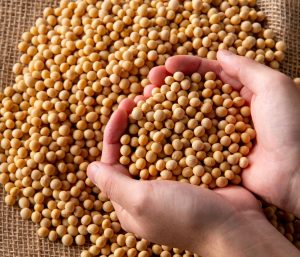
China buys more than 60% of the world’s soybeans, well over 90 million tons per year, mainly from the United States and Brazil.


“On the one hand, they would like to decrease the absolute volume of soybean imports, but for now, as a contingency, they want to diversify and further decrease their dependence, especially on the United States,” Chiang added.
The push to reduce the use of soybean meal has been successful so far, helped in large part by rising prices of the protein-rich ingredient in recent years, which has led feed manufacturers to reduce its use.
The new plan could have a bigger impact. As China could reduce soybean meal consumption by at least 3 million tons a year, said Liu Bing, an analyst at Donghai Futures. Which would be the equivalent of 4 million tons of soybeans.
Imports could fall to 82 million tonnes by 2025, he said. As feed manufacturers turn towards using greater quantities of rapeseed, sunflower seed and synthetic proteins to replace soybean meal.
Lower soybean imports will result in lower soybean production. However, this will lead towards a greater demand for palm oil imports to compensate for such reductions, he added.
You may also like to read: “China’s soybean imports expected to rise for the 2023 to 2024 period.”
Subscribe now to the technical magazine of animal nutrition
AUTHORS
From 2025 Data to 2026 Decisions: Managing Mycotoxin Risk in a Changing Climate
Alterion® NE Celebrates 10 Years of Poultry Gut Health Innovation
The Science Behind Kolin Plus: Beyond Choline Replacement
Summer Infertility in Sows: Managing Heat Stress and Reproductive Performance
AO-Biotics® Amaferm®: Supporting Livestock Digestion and Performance

Interview with Güner Gövenç
Güner Gövenç,
Net Energy and Precision Feeding Shape the Future of Poultry Nutrition
Edgar Oviedo
Mycotoxins in Swine: Health Risks and Nutritional Solutions
Giuseppe Carcò
Mycotoxins and Piglet Ear Necrosis: Cause, Cofactor or Coincidence?
Alberto Morillo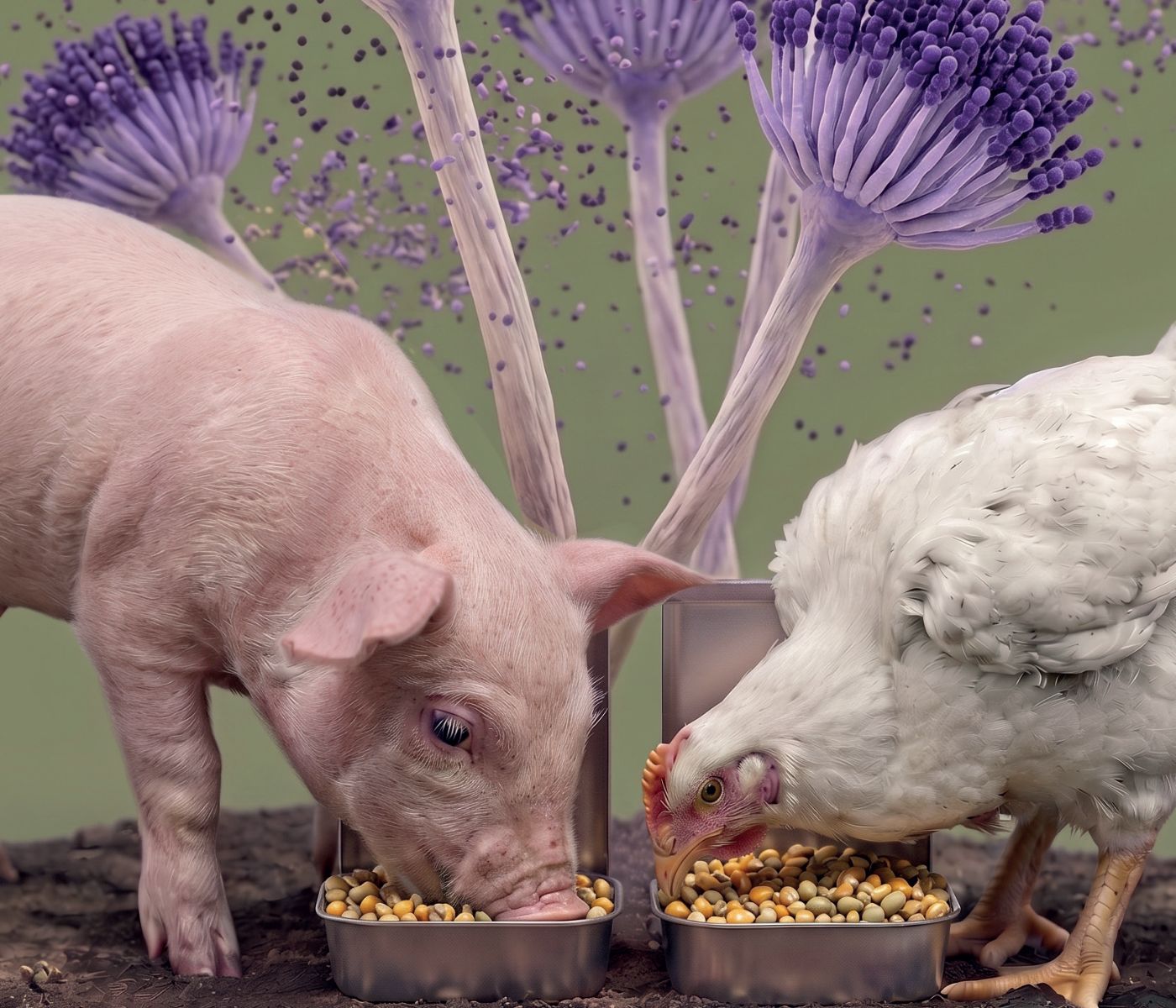
How Mycotoxins Affect Intestinal Health in Pigs and Poultry
Marcos Rostagno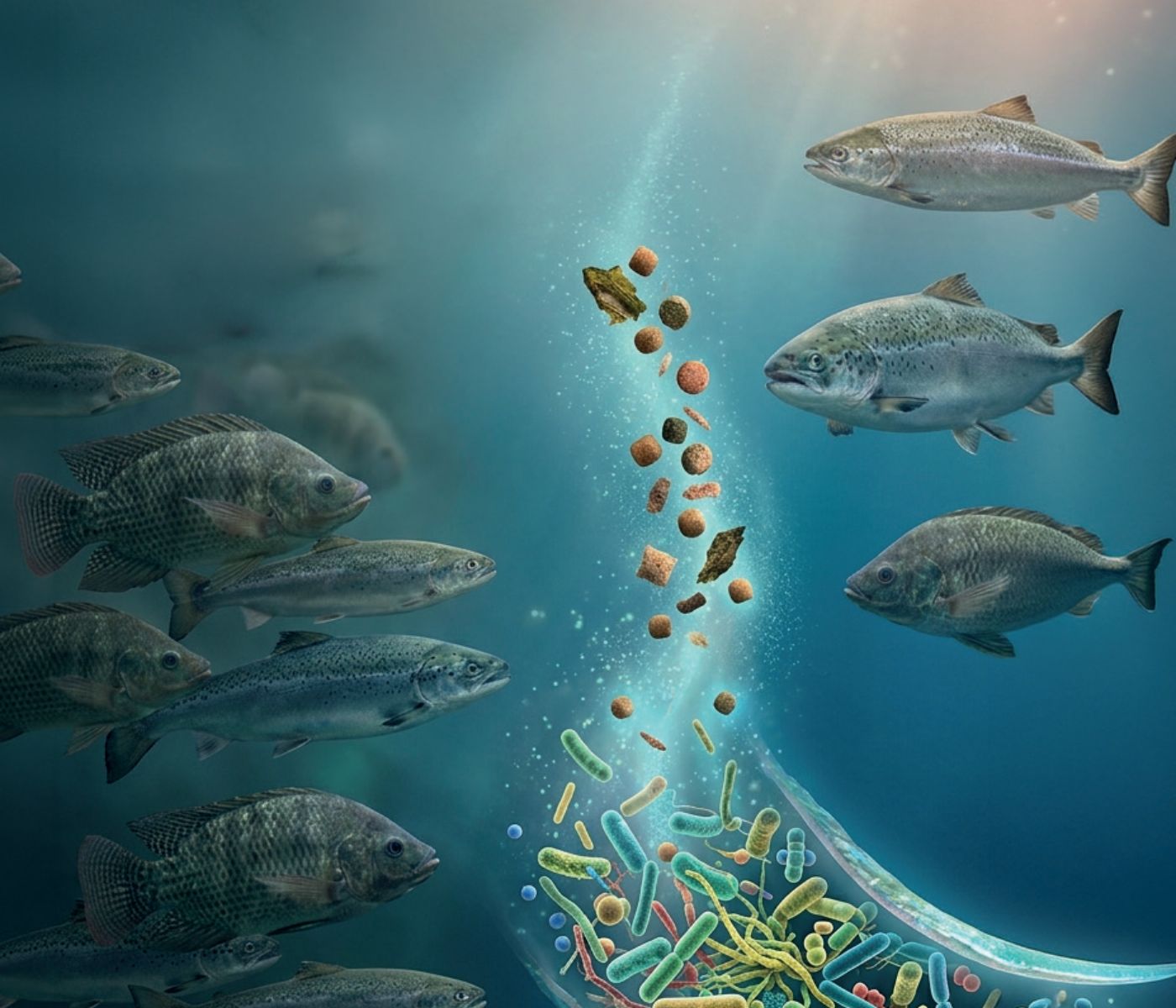
From Antibiotics to Functional Feeds in Aquaculture
Babatunde Saliu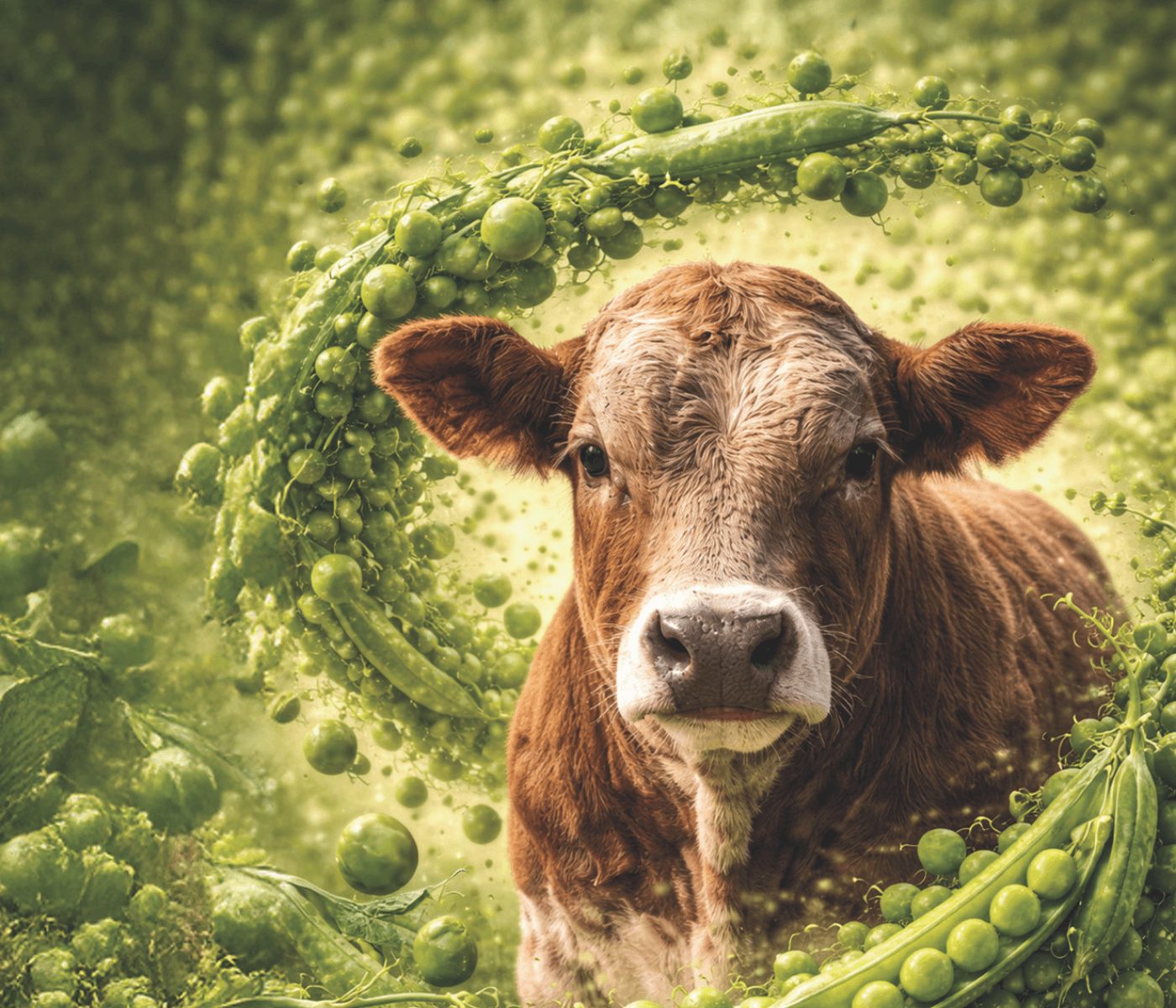
Peas as an Alternative to Soybean Meal in Beef Cattle Finishing Diets
Daniel Villalba Mata,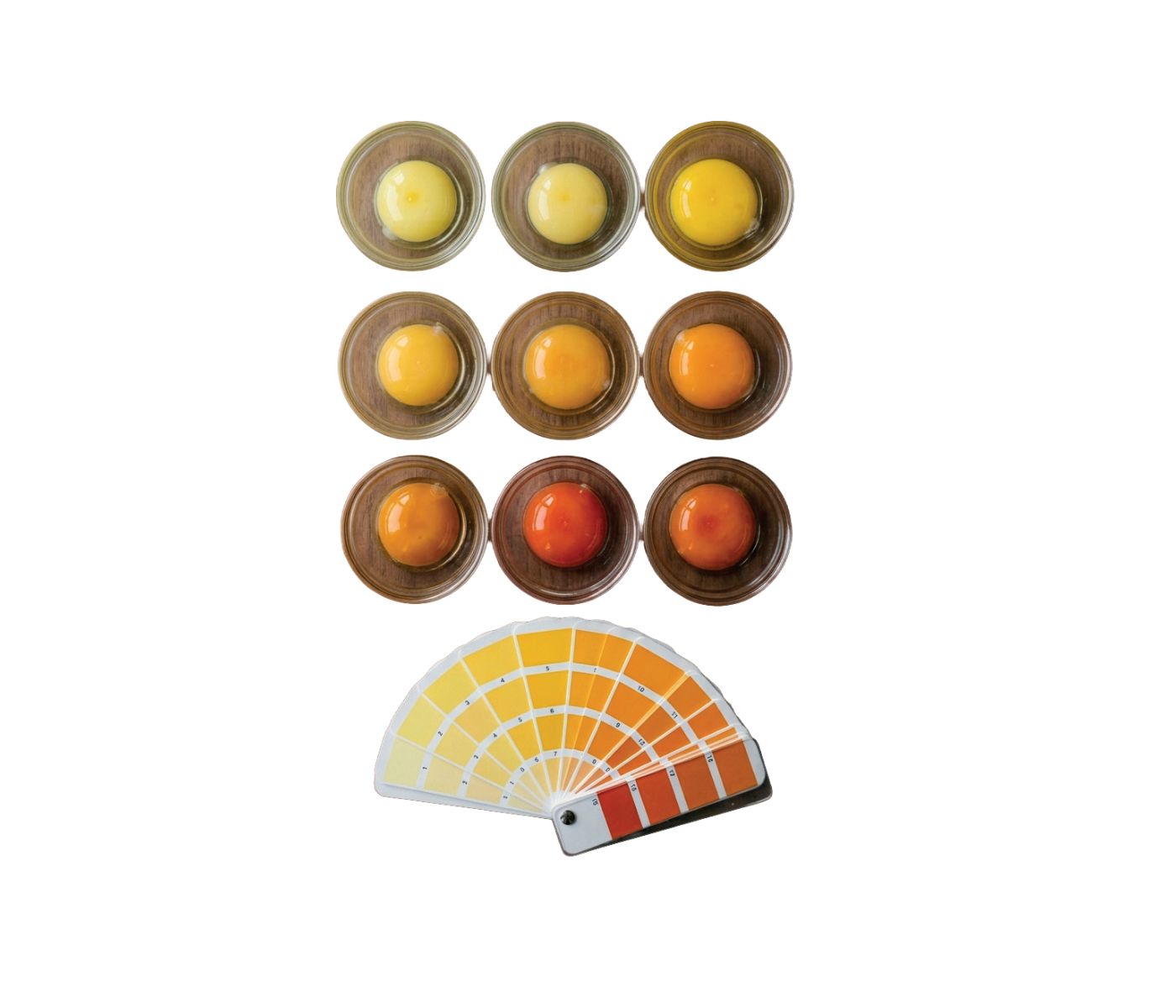
Improving Egg Yolk Pigmentation Through Better Nutrient Transport

Aquaculture and Aquaponics Nutrition: How Fish Shape the Growth of Greens
Trenton Corby
Consistency in Soybean Meal Drives Performance and Sustainability