 21 Aug 2026
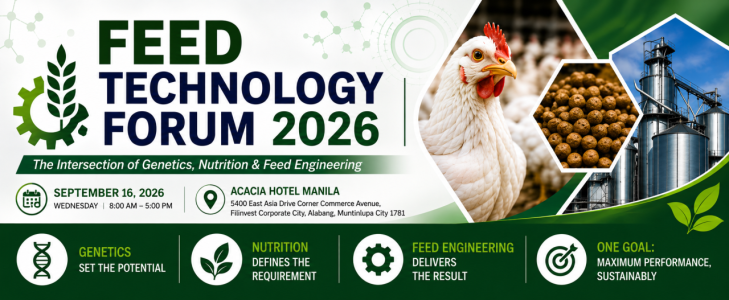
The inaugural Feed Technology Forum 2026 will take place on September 16, 2026 at Acacia Hotel Manila. With the theme ‘The Intersection of Genetics, Nutrition & Feed Engineering’, the event aims to address a critical challenge in modern poultry and livestock production: the gap between feed formulation and feed processing.
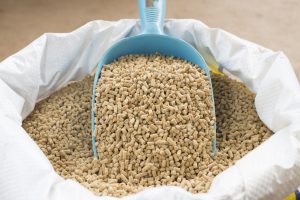
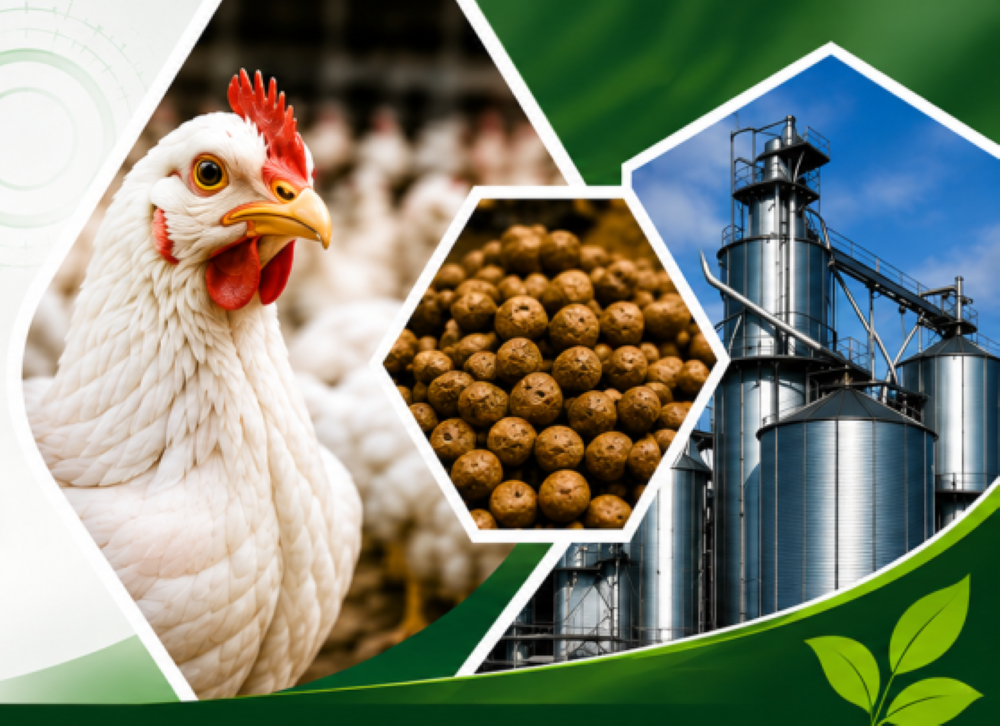
Organizer Paul Hubilla explained that well‑formulated diets often fail to deliver expected animal performance because they cannot be consistently processed into high‑quality pellets. At the same time, rapidly evolving broiler genetics demand a more integrated approach to nutrition and feed manufacturing.
“A good formula is only the starting point—the feedmill has to engineer that formula into a feed the animal can effectively consume, digest, and utilize,” he said.
Mr Hubilla structured the program as a sequence that reflects the production chain. It begins with the genetic potential of modern birds, then moves through nutrition, ingredient selection, formulation, and finally feed manufacturing.
The tagline ‘Where Genetics Meets Engineering’ highlights this connection. It refers to aligning what the bird requires with how the feedmill process can consistently deliver it. This integrated approach is the defining feature of the forum.
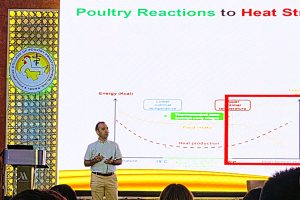
The event will open with a keynote on genetic potential and feed engineering, followed by sessions on pelleted broiler diets, feed processing evolution, and factors in feed efficiency. Speakers include well known industry experts like M. Reza Abdollahi, Steven Goh, Matthew Clarke, and Elroy Marissen.
A technology showcase will complement the technical discussions, featuring live demonstrations such as pellet durability testing and feed scanning. Mr Hubilla says some details are under wraps, noting that the showcase will be more meaningful when participants experience it firsthand.
Selecting speakers for the forum was a careful process, emphasizing the importance of balancing research expertise with industry experience. The program was structured to ensure each presentation builds on the next without overlap, creating a clear flow of discussion.
The forum, which is free to attend but has limited spots, is expected to attract nutritionists, veterinarians, feed mill professionals, producers, researchers, and industry representatives. Each group will gain perspectives on how genetics, nutrition, and engineering intersect to influence feed quality and animal performance.
“The real value of having all these groups in the same room is the opportunity to see the same problem from different perspectives and, hopefully, find better solutions together,” Mr Hubilla said.
Mr Hubilla described the forum as the start of a broader industry discussion. He hopes it will develop into a recurring platform for knowledge exchange and collaboration. A long‑term goal is a Philippine Feed Technology and Innovation Center to support research, training, and industry collaboration.
The forum also emphasizes the importance of integrating science, engineering, and practical application in feed production. By presenting formulation and manufacturing as connected processes, the event highlights a more unified approach to improving animal performance.
For more information, contact Mr Hubilla. Click here to register.

Subscribe now to the technical magazine of animal nutrition
AUTHORS
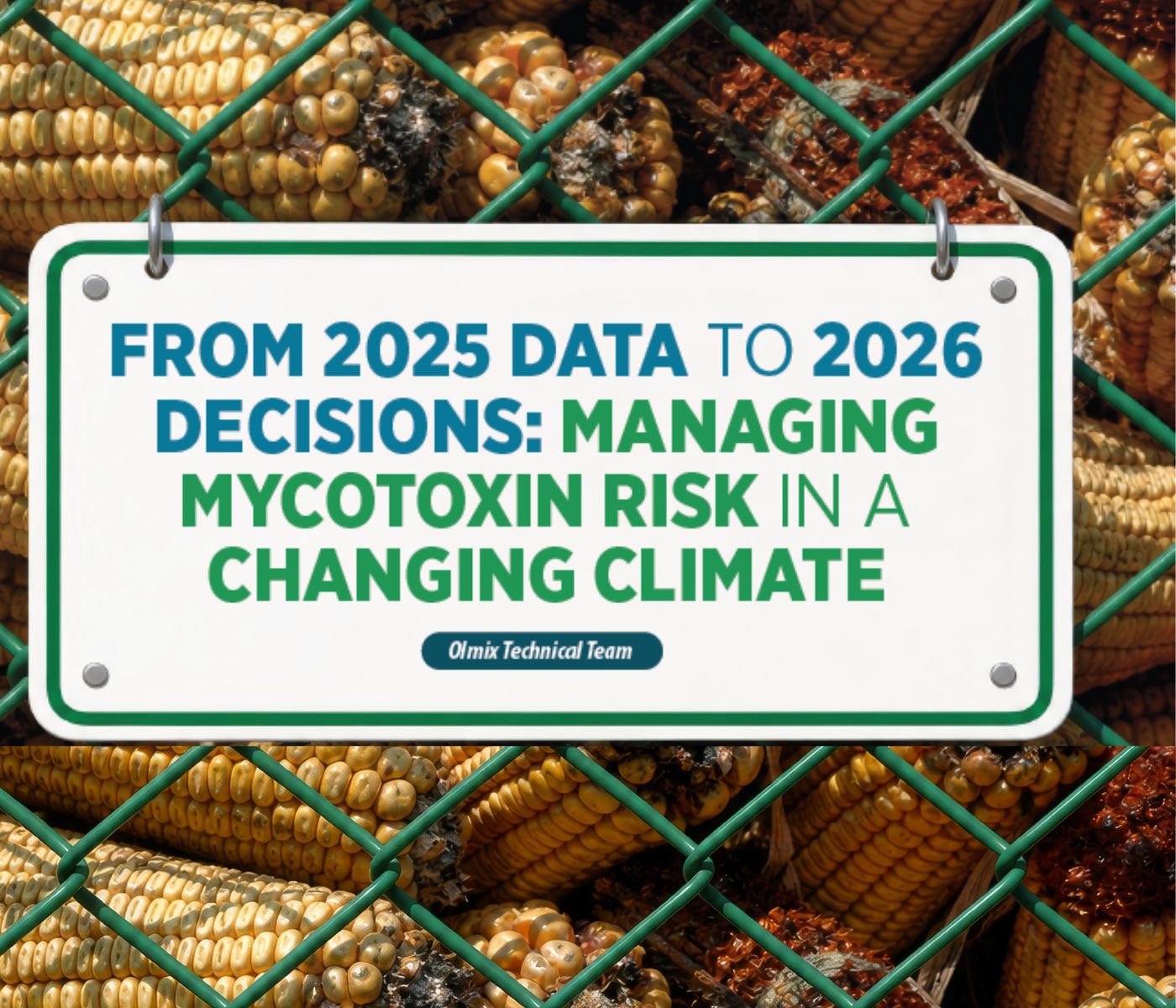
From 2025 Data to 2026 Decisions: Managing Mycotoxin Risk in a Changing Climate
Alterion® NE Celebrates 10 Years of Poultry Gut Health Innovation
The Science Behind Kolin Plus: Beyond Choline Replacement
Summer Infertility in Sows: Managing Heat Stress and Reproductive Performance
AO-Biotics® Amaferm®: Supporting Livestock Digestion and Performance

Interview with Güner Gövenç
Güner Gövenç,
Net Energy and Precision Feeding Shape the Future of Poultry Nutrition
Edgar Oviedo
Mycotoxins in Swine: Health Risks and Nutritional Solutions
Giuseppe Carcò
Mycotoxins and Piglet Ear Necrosis: Cause, Cofactor or Coincidence?
Alberto Morillo
How Mycotoxins Affect Intestinal Health in Pigs and Poultry
Marcos Rostagno
From Antibiotics to Functional Feeds in Aquaculture
Babatunde Saliu
Peas as an Alternative to Soybean Meal in Beef Cattle Finishing Diets
Daniel Villalba Mata,
Improving Egg Yolk Pigmentation Through Better Nutrient Transport
Aquaculture and Aquaponics Nutrition: How Fish Shape the Growth of Greens
Trenton Corby
Consistency in Soybean Meal Drives Performance and Sustainability