 03 Mar 2023
Functional pet foods have become a growing trend, with important benefits for companion animals.
Dogs and cats amongst other pets, present significant differences in processes related to digestion. While cats are considered strict carnivores, dogs appear to be omnivores like humans.
| Novel foods and feed components have been labeled as “functional foods” because they provide other health benefits besides the provision of essential nutrients, such as vitamins, minerals, water, protein, carbohydrates, and fats. |
Dogs share some carnivore traits with cats, as both lack salivary amylase, have a short gastrointestinal tract, and cannot synthesize vitamin D (National Research Council, 2006).


On the other hand, through their evolution and domestication process, dogs developed 3 specific genes which are involved in starch digestion and glucose uptake. These are: : AMY2B, MGAM and SGLT1.
Another characteristic of dogs’ digestive system is that they can synthesize several essential nutrients such as niacin, taurine and arginine (Bosch et al., 2015).
As far as cats are concerned, they can catabolize and use amino acids as an energy source for gluconeogenesis (Morris, 2002).

| Cat diets are composed by 52% protein, 36% fat, and 12% carbohydrates. |
Most functional foods can improve satiety and reduce postprandial glucose and insulin concentrations, thereby reducing diabetes-related comorbidities.
Inulin and oligofructose, two functional foods, can modify the intestinal microflora of dogs, cats and humans.
Ingredients found in pet foods
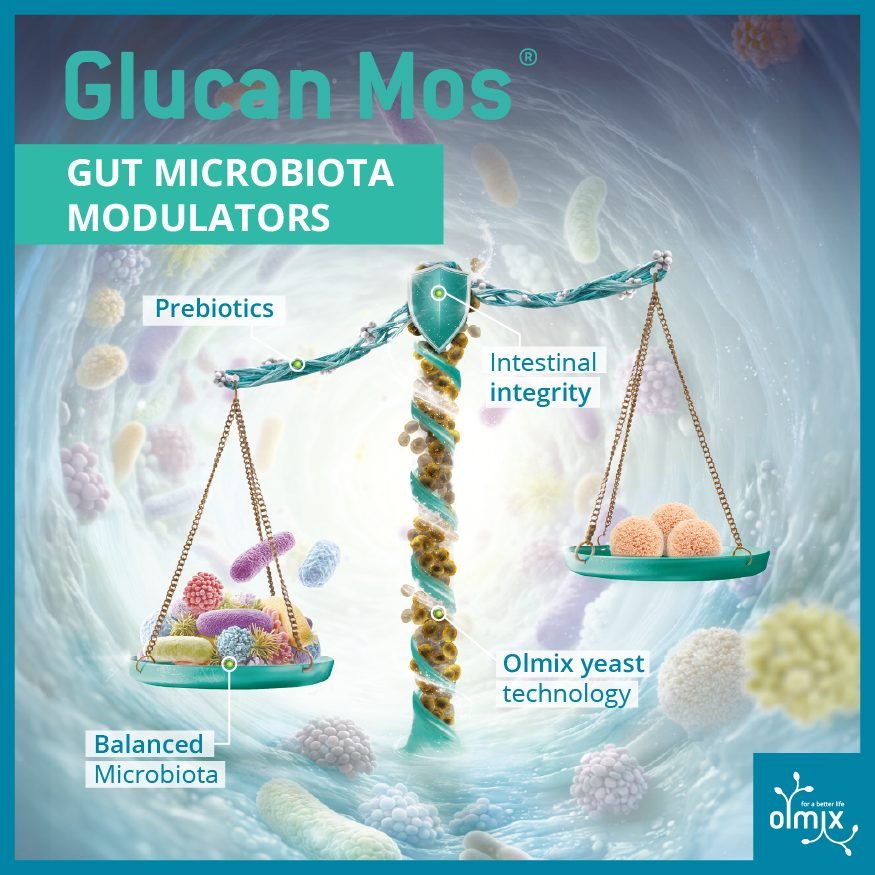
Dietary fibers, commonly found in pet foods, can modify gut microflora by promoting the growth of commensal bacteria.
Subscribe now to the technical magazine of animal nutrition
AUTHORS

Consistency in Soybean Meal Drives Performance and Sustainability
Anna Cotcho
Kolin Plus FC: greener choline nutrition for poultry

Middle East conflicts disrupt global feed markets
Edgar Oviedo
Optimizing nutrition for dairy goat and sheep productivity in Cyprus
Carolina Kyriacou
pHix-up improves rumen stability in dairy cows
Subacute ruminal acidosis
Net energy and growth: keys to better prediction in swine production
Gabriela Martínez
How starch structure & protein reduction shape gut health in weaned pigs
Diana Luise
Astaxanthin supplementation in aquaculture
Babatunde Saliu
What is intestinal health?
Marcos Rostagno
Calcium, phosphorus, and phytase optimization in broiler diets
Anna Cotcho