 23 Jun 2026
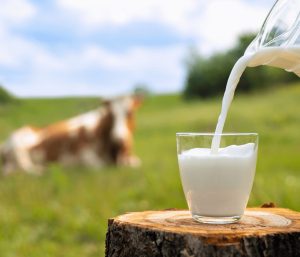
Protein-focused diets and GLP-1 weight-loss medications are changing how consumers eat, putting high-protein milk and other nutrient-dense dairy products in the spotlight.
Consumer preferences in dairy are undergoing a significant transformation. Across global markets, consumers are increasingly seeking products that deliver more protein per serving, support satiety, and provide greater nutritional value in smaller portions.
This trend is creating new opportunities for the dairy industry, particularly for high-protein milk, yogurt, cottage cheese, and protein-fortified dairy beverages, which are increasingly being positioned as functional foods rather than conventional dairy products.

The growing use of GLP-1 medications for weight management is adding momentum to the protein trend.
Research and market observations suggest that consumers using GLP-1 drugs often consume smaller meals and become more focused on nutrient density. Because these medications can reduce appetite, there is increasing interest in foods that deliver essential nutrients efficiently, particularly protein.
Protein plays a critical role in supporting:

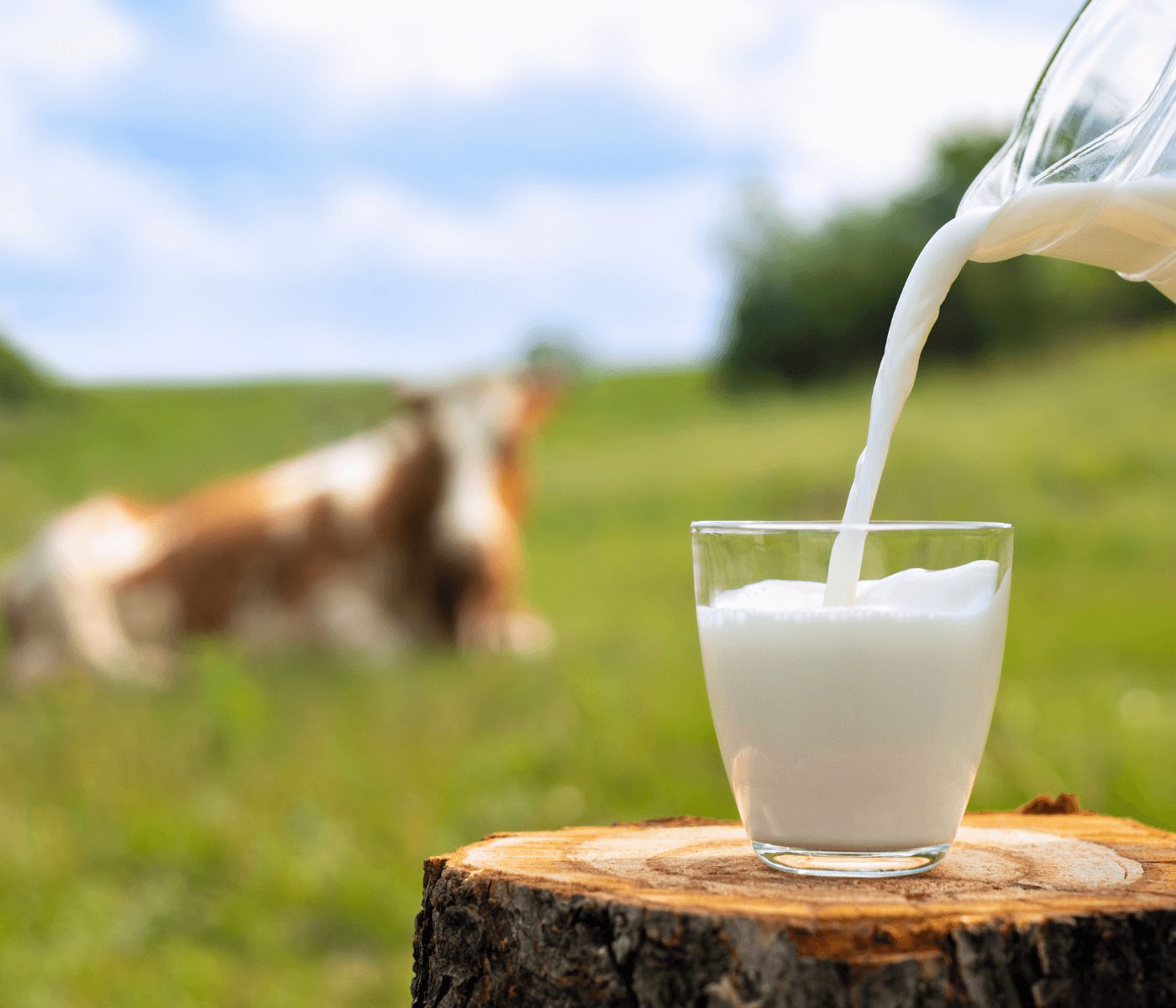
As a result, milk is increasingly being repositioned not simply as a beverage, but as a protein delivery platform.
Historically, protein-enriched dairy products were largely targeted toward athletes and fitness enthusiasts. Today, the consumer base has expanded significantly.
High-protein dairy products increasingly appeal to:
This broader appeal is supporting growth in several dairy categories, including high-protein drinking milk, Greek yogurt, cottage cheese, and ready-to-drink protein beverages.
Industry analysts also note that protein-forward marketing claims continue to gain traction across age groups and demographic segments.
Milk is increasingly benefiting from its natural nutritional profile.
Compared with many alternative beverages, dairy milk offers a combination of:
This nutrient package positions milk favorably among consumers seeking foods that provide multiple health benefits in a single serving.
High-protein milk products can fit naturally into breakfast, post-exercise recovery, meal replacement occasions, and on-the-go consumption patterns.
The broader dairy category is experiencing a wave of protein-focused innovation.
Product developers are introducing new formulations that combine higher protein content with:
Global markets are also seeing growth in flavored high-protein milk beverages and protein-enriched dairy snacks.
This suggests that dairy innovation is not limited to a single region but is part of a broader global shift toward functional, nutrient-dense foods.
For dairy companies, the protein trend represents both an opportunity and a challenge.
Processors must align product development with evolving consumer expectations while maintaining taste, affordability, and clear nutritional positioning.
Successful products will likely be those that combine:
The growing demand for protein-rich dairy products could also influence upstream dairy production strategies.
Greater emphasis on milk protein value may increase interest in:
As processors increasingly differentiate products based on protein content, milk composition may become an even more important component of value creation within the dairy chain.
The outlook for high-protein dairy products remains highly positive.
Protein demand continues to strengthen globally, supported by health and wellness trends, aging populations, fitness culture, and the emergence of GLP-1 medications that are reshaping eating behaviors.
The biggest winners in dairy may be the products that successfully combine convenience, protein density, and credible nutritional benefits.
The dairy industry is entering a new era where protein has become a central consumer priority.
High-protein milk is evolving from a niche offering into a mainstream functional product, supported by growing interest in satiety, muscle health, and nutrient-dense nutrition.
As consumer behaviors continue to evolve, particularly in the context of GLP-1 medication use, dairy products that deliver convenient, high-quality protein are likely to play an increasingly important role in the future of food and nutrition.
Reference: EW nutrition
Subscribe now to the technical magazine of animal nutrition
AUTHORS
Rumen microorganisms and metabolizable amino acid balance
Fernando Bacha Baz
Broiler nutrition during the first feeding phase

Genetic improvement in corn strengthens its strategic role in animal nutrition

Insect biorefineries and the future of sustainable animal nutrition
Ari Riihimaa
LivoLiv supplementation improves liver health and broiler performance
Mycotoxin binders explained: why one size never fits all
Rui A. Gonçalves
Active Feeding strategy for PRRS-positive weaned piglets
Alberto Morillo Alujas
Sow colostrum and its strategic impact on piglet survival and growth
Marianna Altieri
Bacillus probiotics help support intestinal health in cats
Lorenna Nicole Araújo Santos