 06 Dec 2022
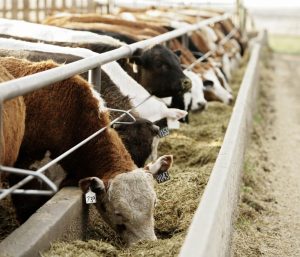
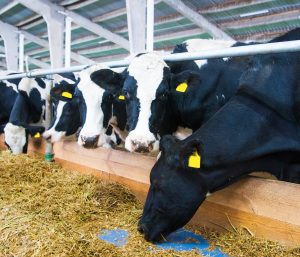
Considering that feed costs contribute up to 60% of production costs within dairy production, improving feed-to-milk efficiency can have a significant impact on dairy profitability .
There are several approaches to estimating feed efficiency in dairy cattle. One of these is the estimation of net feed efficiency, called Residual Feed Intake (RFI), and the challenges associated with its use to improve the feeding efficiency of growing heifers and lactating cows.
Higher production per cow reduces the number of animals which are needed to produce the same amount of milk. This translates into:
 Savings in feed costs


Reducing the use of natural resources
Reduced carbon footprint associated with dairy production (Capper et al., 2009).
Dairy production requires an initial time and investment of resources for heifer breeding prior to achieving a saleable dairy product.

Even more so, during their typical dry period of 60 days, cows consume feed without contributing to income. In fact, Schutz (2002) estimates that about 23% to 28% of the total dry matter (DM) consumption of the herd is carried out by non-lactating animals.
Therefore, there are opportunities to save on feed costs during these non-productive periods. Employing better herd management practices while only keeping those animals which are most efficient.
Estimating feed efficiency in dairy cattle
Subscribe now to the technical magazine of animal nutrition
AUTHORS
From 2025 Data to 2026 Decisions: Managing Mycotoxin Risk in a Changing Climate
Alterion® NE Celebrates 10 Years of Poultry Gut Health Innovation
The Science Behind Kolin Plus: Beyond Choline Replacement
Summer Infertility in Sows: Managing Heat Stress and Reproductive Performance
AO-Biotics® Amaferm®: Supporting Livestock Digestion and Performance

Interview with Güner Gövenç
Güner Gövenç,
Net Energy and Precision Feeding Shape the Future of Poultry Nutrition
Edgar Oviedo
Mycotoxins in Swine: Health Risks and Nutritional Solutions
Giuseppe Carcò
Mycotoxins and Piglet Ear Necrosis: Cause, Cofactor or Coincidence?
Alberto Morillo
How Mycotoxins Affect Intestinal Health in Pigs and Poultry
Marcos Rostagno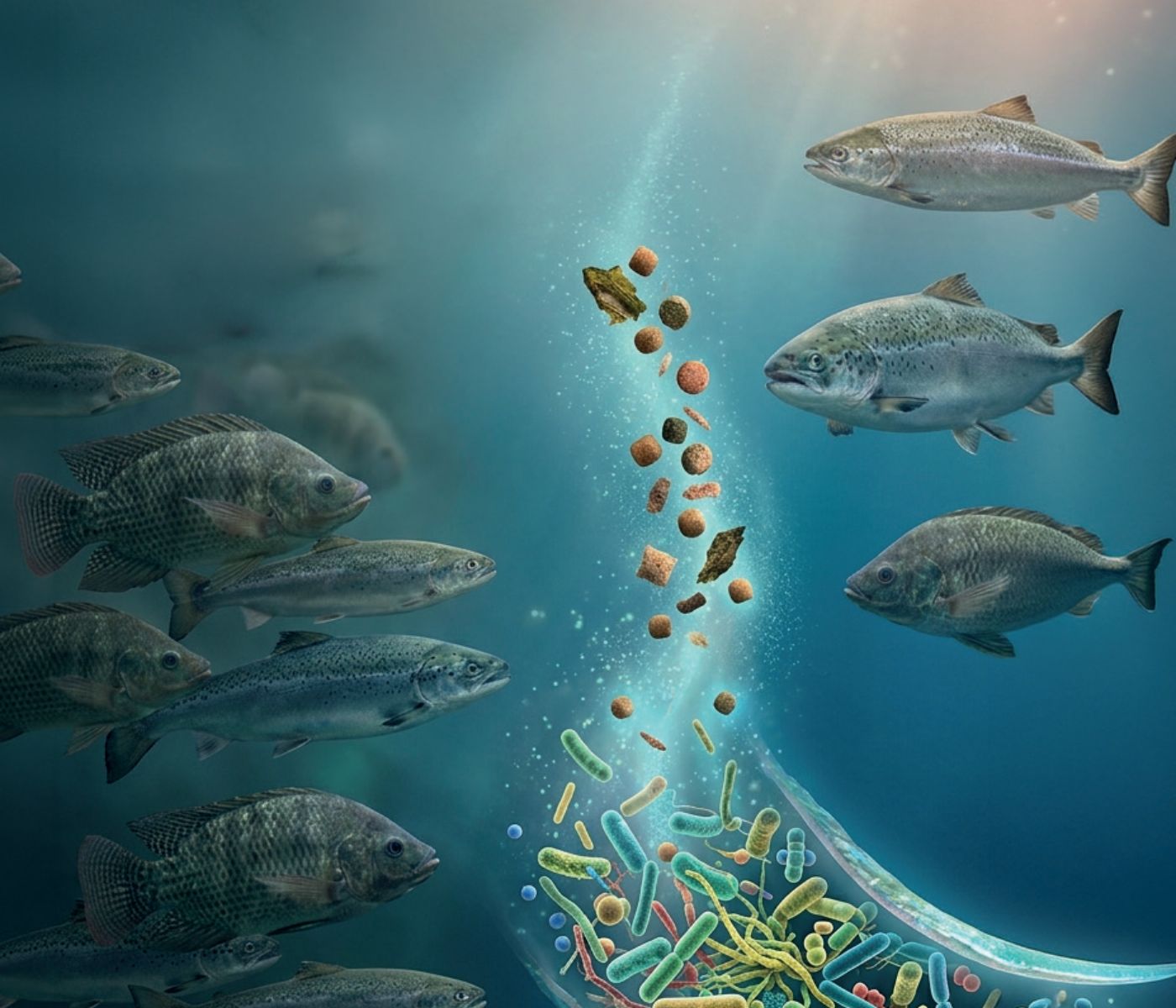
From Antibiotics to Functional Feeds in Aquaculture
Babatunde Saliu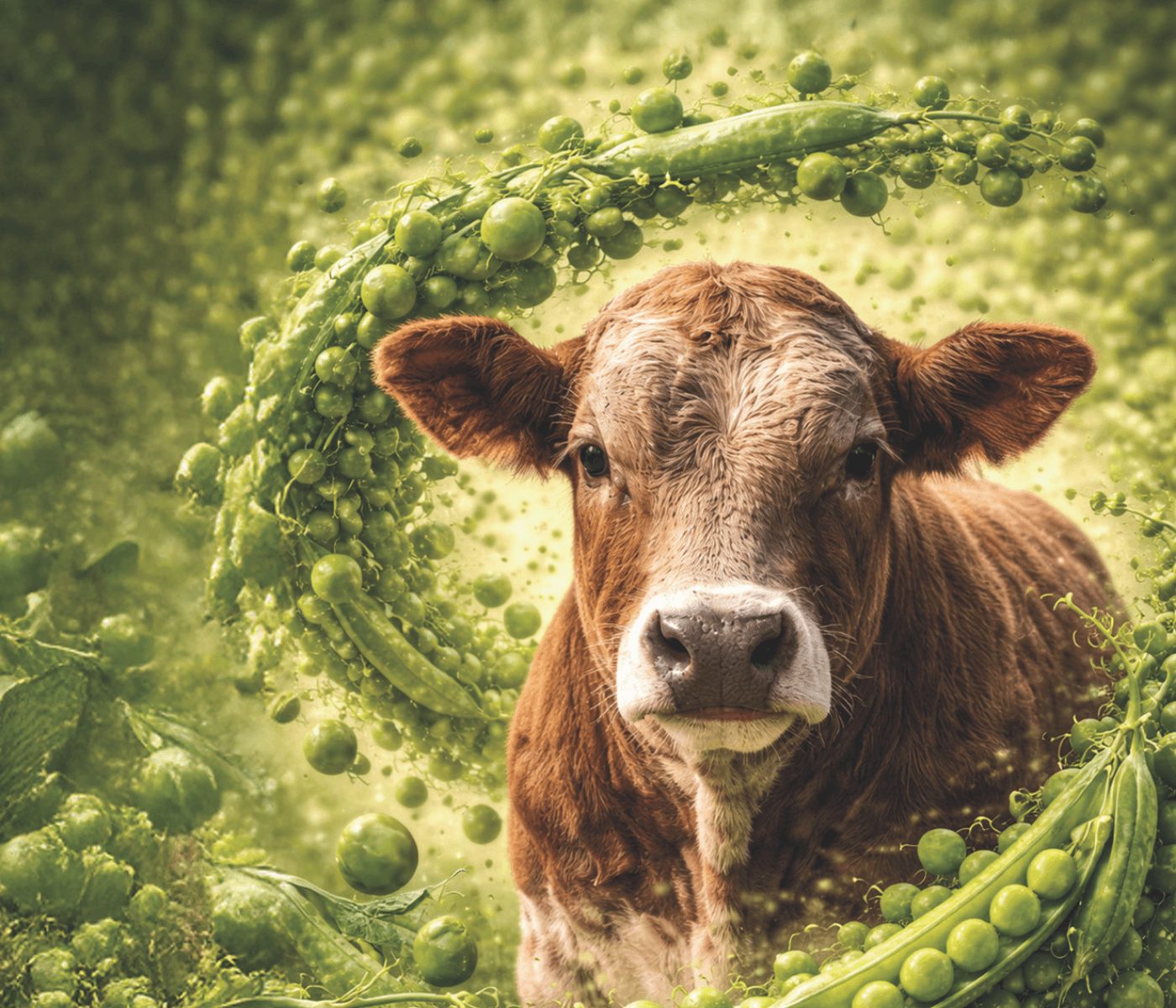
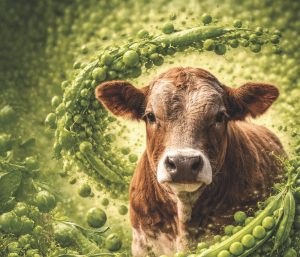
Peas as an Alternative to Soybean Meal in Beef Cattle Finishing Diets
Daniel Villalba Mata,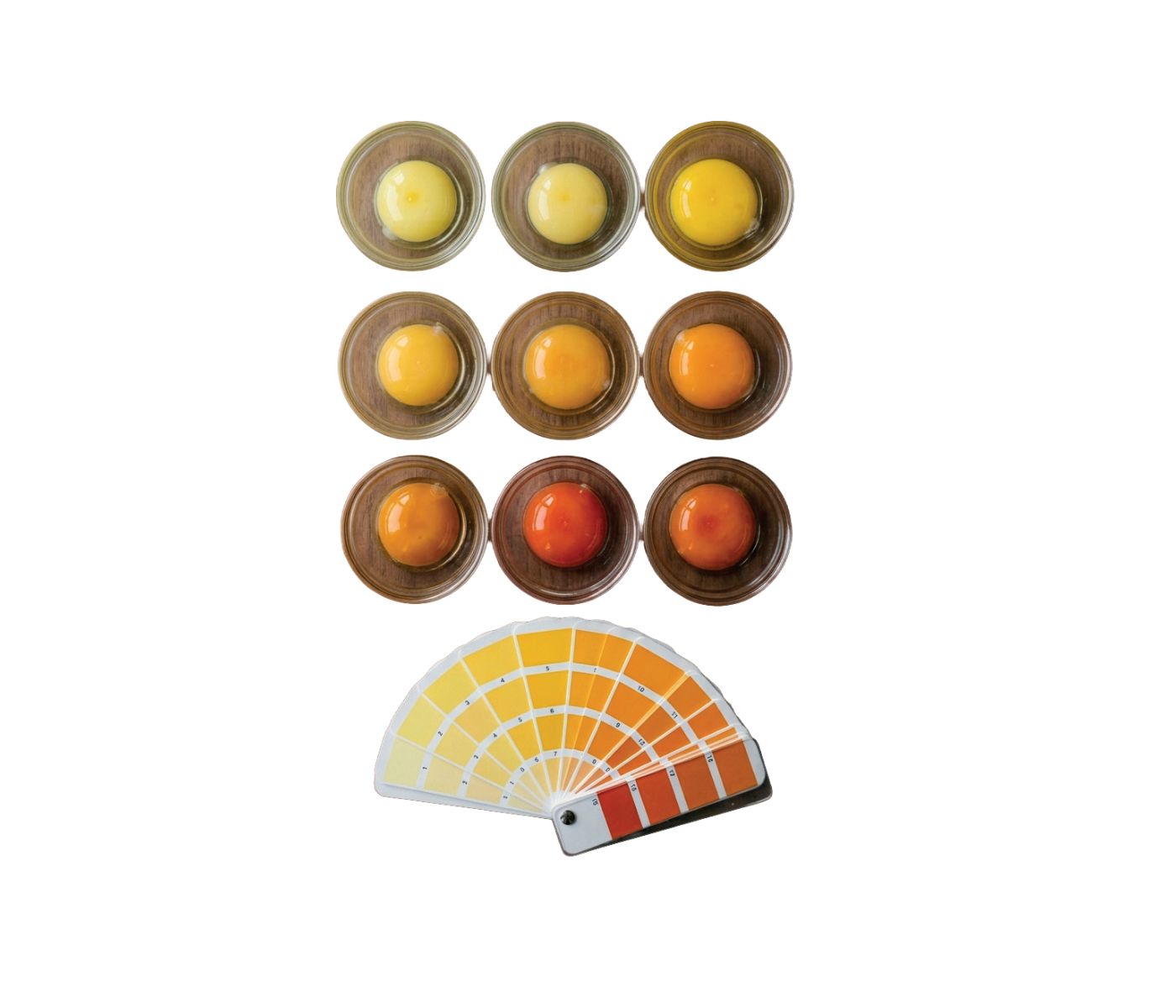
Improving Egg Yolk Pigmentation Through Better Nutrient Transport

Aquaculture and Aquaponics Nutrition: How Fish Shape the Growth of Greens
Trenton Corby
Consistency in Soybean Meal Drives Performance and Sustainability