 18 May 2026
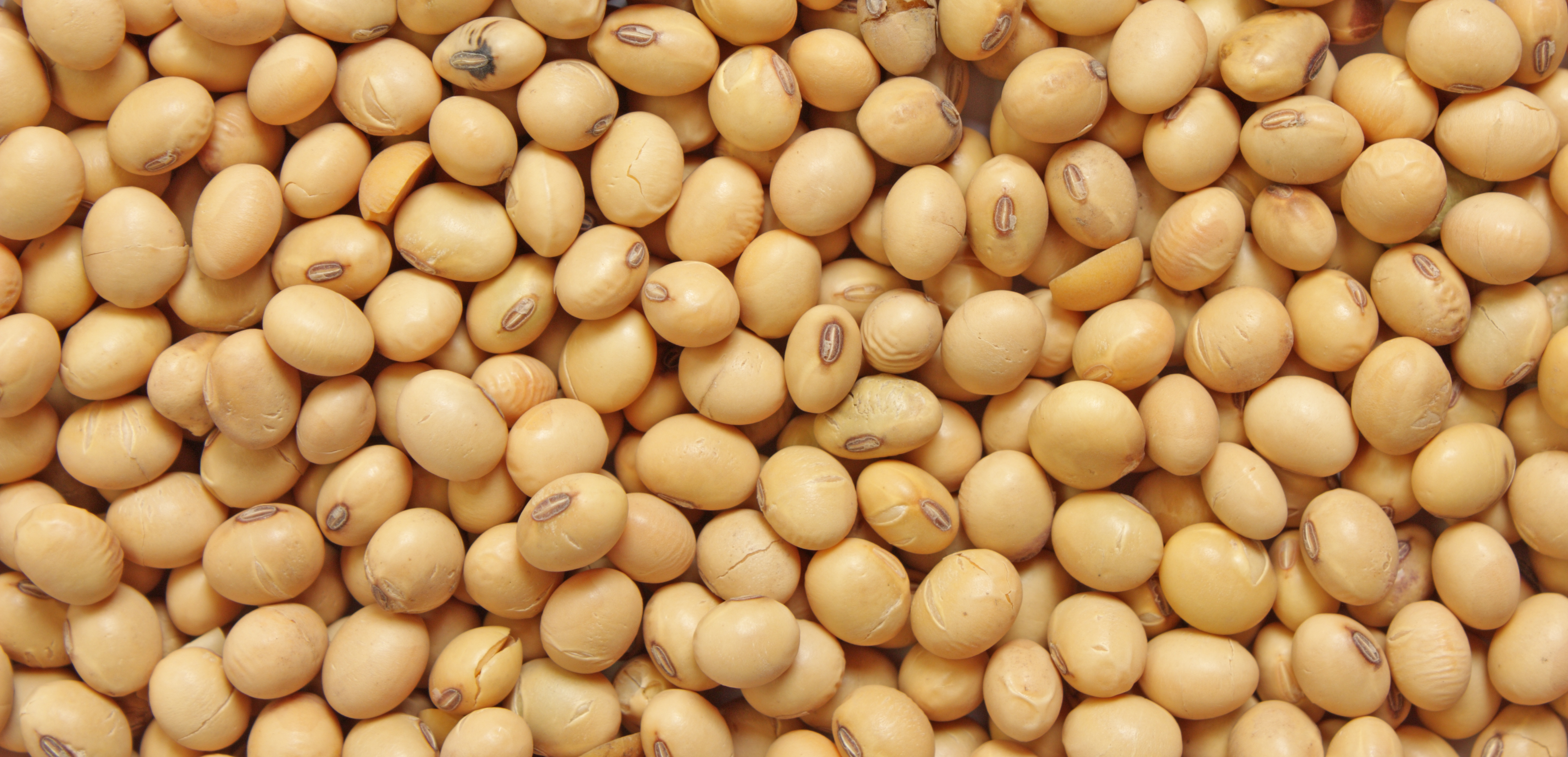
The 2025-26 soybean production in India appears as per the government estimate is 12.7 million tons, released on March 10, 2026 by the PIB. This figure shows a declining crop production by 17% in comparison to the government’s data/report for 2024-25, which was 15.1 million tons.
Hence, the decline of soybean production has resulted in an acute shortage of soybean meal, which is a major protein input for animal feed, including poultry, ruminants, and aqua feeds.
The current soya meal price seems to be a continuous trend of price surge, day on day and week on week. This is making dairy, poultry, aqua farmers panic due to the rise in input cost. The feed industry itself is not in a position to absorb the cost and produce viably.
The surge has also resulted in the higher prices of poultry produce like egg, chicken and all dairy produce by primarily milk paneer, curd etc., as well as fish and shrimp.
Previously, in a similar situation, in 2020-21 period when a shortage of soybean meal, caused by low production levels, plunged the entire industry into crisis, the government provided timely support to the sector by authorizing the import of 1.2 million tons of GM soybean meal.
To overcome the crisis, the poultry, dairy and aqua industry associations have requested the Ministry of Commerce and the Ministry of Animal Husbandry for the below options:
Such calibrated and temporary measures will help stabilize feed input markets, protect lakhs of poultry farmers, moderate egg and chicken prices for consumers, and safeguard livelihoods across rural India.



We are confident that the government’s positive intervention will play a pivotal role in safeguarding the interests of poultry, aquaculture and livestock farmers across the country.
The industry has still five months to operate before the new crop supplies come in, an immediate intervention of GM soybean meal imports will give much needed respite to the poultry industry and will have a balancing act between supply and demand. If left unaddressed, the situation may trigger a contraction in poultry production, with effects on food inflation and the rural economy.
Given the current circumstances, taking the mentioned steps appears imperative to ensure the continuity of the industry and to safeguard the interests of consumers and to ensure an uninterrupted supply of protein-rich feed
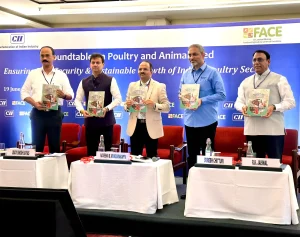
Ricky Thaper said that the industry associations are hopeful that Hon’ble Minister shall give urgent consideration and take early action in the larger national interest of ensuring protein affordability, food security and stability in the poultry sector.

Subscribe now to the technical magazine of animal nutrition
AUTHORS
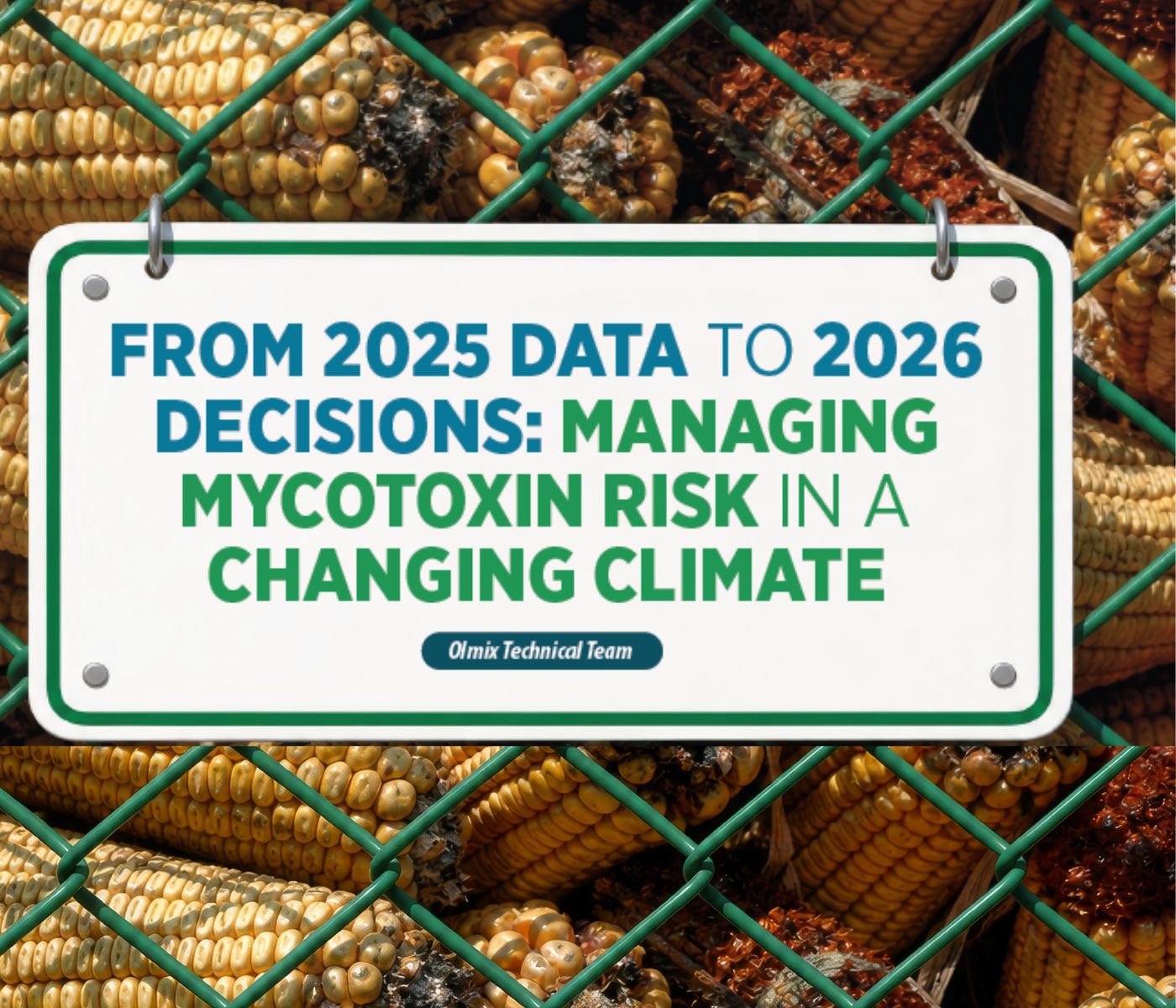
From 2025 Data to 2026 Decisions: Managing Mycotoxin Risk in a Changing Climate
Alterion® NE Celebrates 10 Years of Poultry Gut Health Innovation
The Science Behind Kolin Plus: Beyond Choline Replacement
Summer Infertility in Sows: Managing Heat Stress and Reproductive Performance
AO-Biotics® Amaferm®: Supporting Livestock Digestion and Performance

Interview with Güner Gövenç
Güner Gövenç,
Net Energy and Precision Feeding Shape the Future of Poultry Nutrition
Edgar Oviedo
Mycotoxins in Swine: Health Risks and Nutritional Solutions
Giuseppe Carcò
Mycotoxins and Piglet Ear Necrosis: Cause, Cofactor or Coincidence?
Alberto Morillo
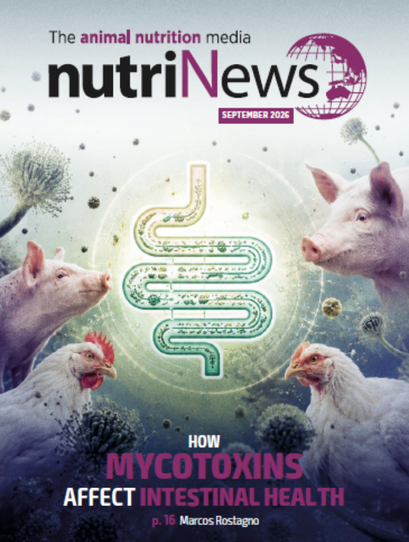
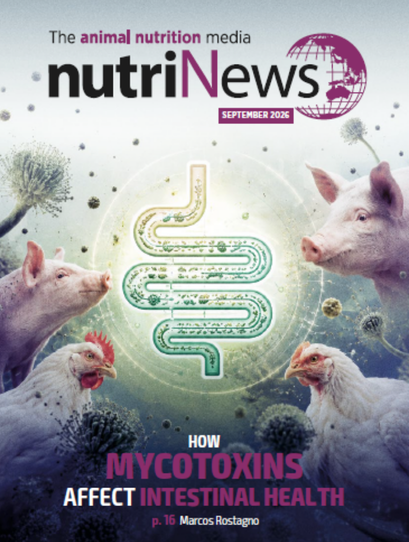
How Mycotoxins Affect Intestinal Health in Pigs and Poultry
Marcos Rostagno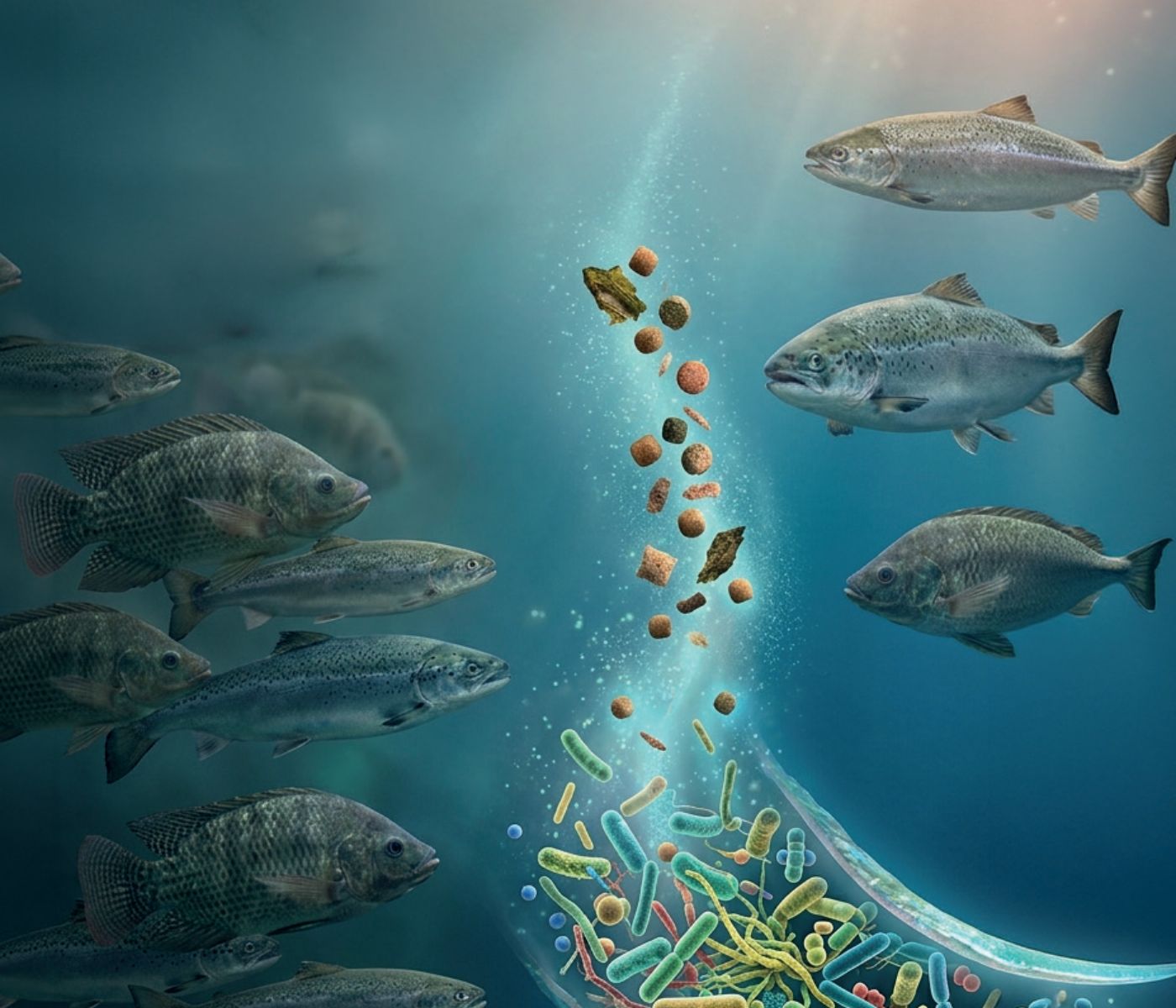
From Antibiotics to Functional Feeds in Aquaculture
Babatunde Saliu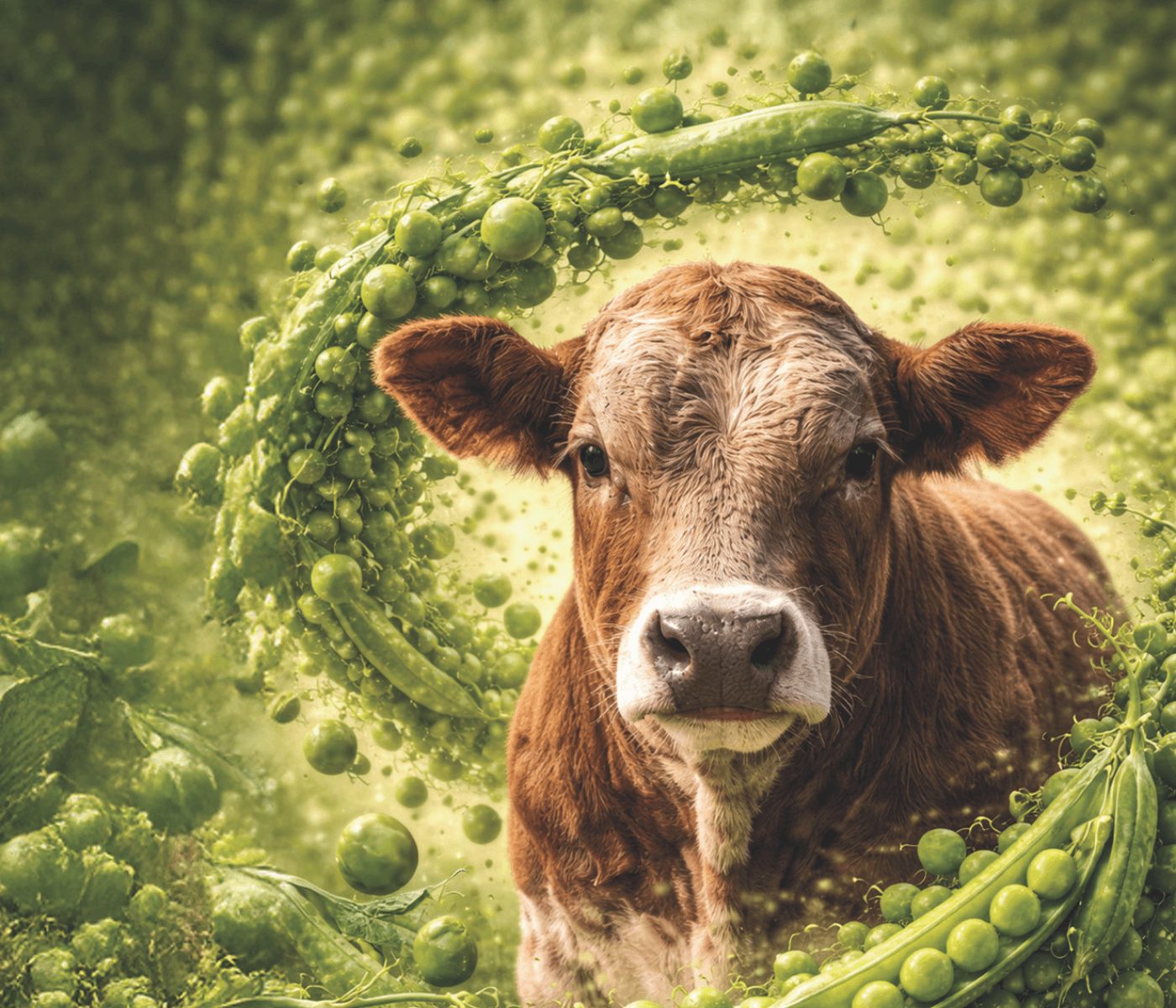
Peas as an Alternative to Soybean Meal in Beef Cattle Finishing Diets
Daniel Villalba Mata,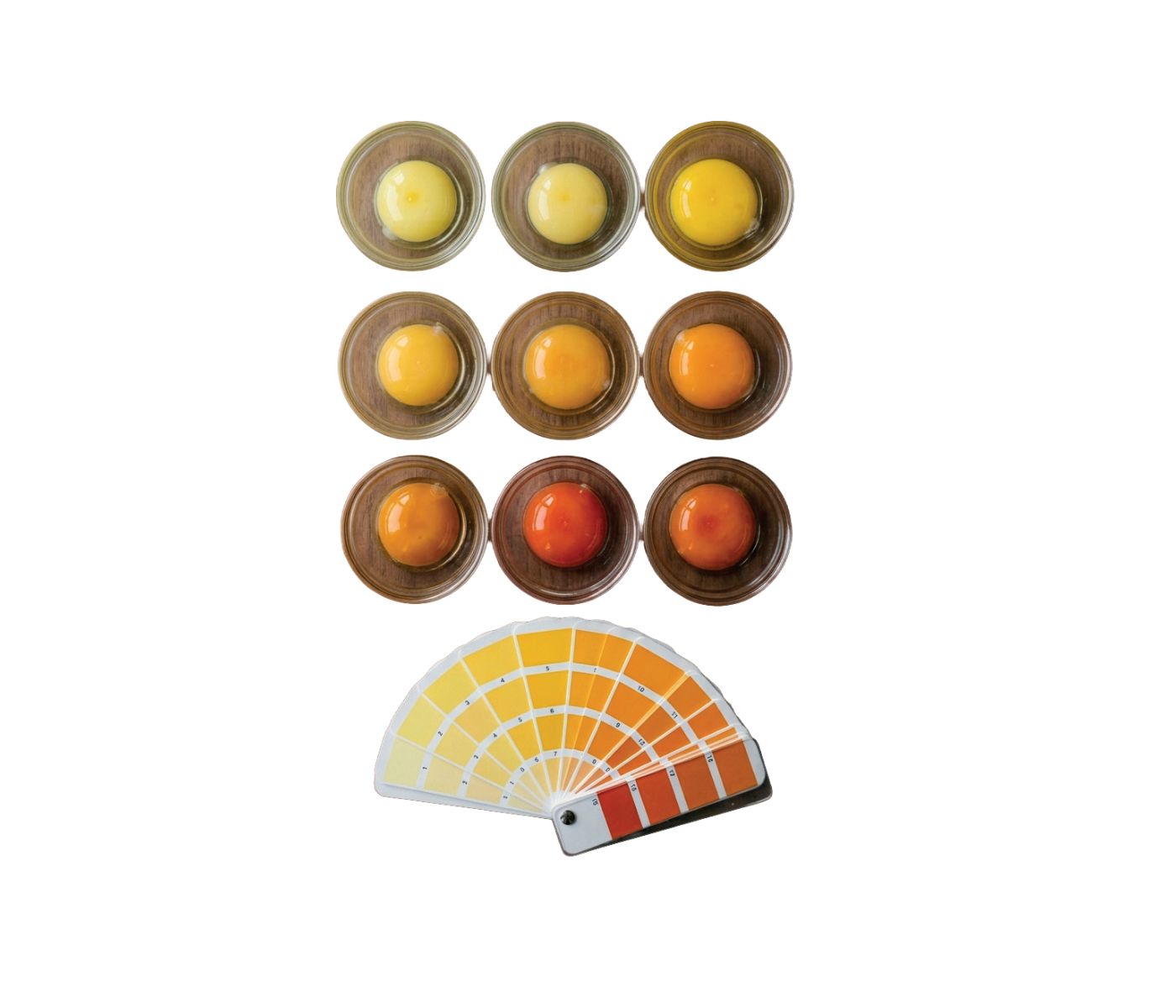
Improving Egg Yolk Pigmentation Through Better Nutrient Transport

Aquaculture and Aquaponics Nutrition: How Fish Shape the Growth of Greens
Trenton Corby
Consistency in Soybean Meal Drives Performance and Sustainability