 07 Jul 2026
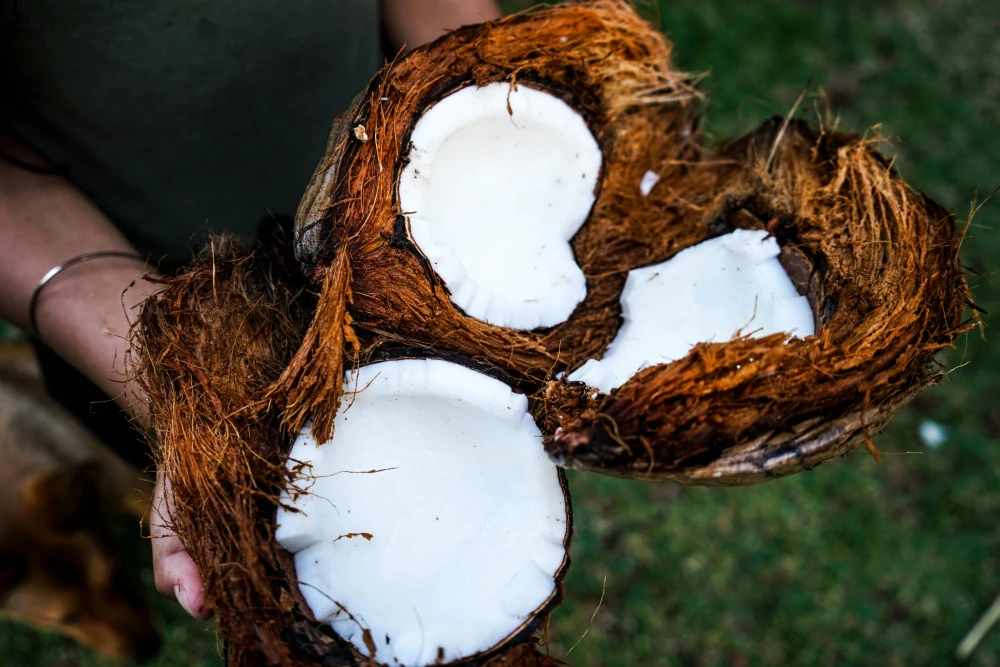
A project in Indonesia’s Aceh Province has enabled local poultry farmers to reduce feed costs by up to 60% by converting coconut waste into a valuable feed ingredient.
The initiative was launched by state-owned company Semen Indonesia through its subsidiary Solusi Bangun Andalas under the Sakeladera (coconut waste for prosperous villages) program.
The project processes around 60 tons of coconut waste collected each month from Lampuuk Beach into coco peat, which is used as a component in poultry feed.
The initiative not only creates value from agricultural waste but also reduces local farmers’ dependence on feed supplies from other regions.
Previously, most coconut waste was left to decompose naturally or was openly burned, generating an estimated 34.8 tons of carbon dioxide emissions each month.
The new processing system has reduced the volume of unmanaged waste to 20-24 tons/month while significantly lowering its environmental impact.
The project has also delivered substantial economic benefits. Average monthly feed expenses for local poultry producers have fallen by approximately USD 1,600, improving farm profitability amid high feed ingredient prices.
According to the project organizers, the initiative combines environmental and economic advantages by promoting waste recycling, creating new jobs in rural communities, and strengthening the resilience of local poultry farms.
The successful experience in Aceh could serve as a model for other coconut-producing regions across Indonesia.

Subscribe now to the technical magazine of animal nutrition
AUTHORS
From 2025 Data to 2026 Decisions: Managing Mycotoxin Risk in a Changing Climate
Alterion® NE Celebrates 10 Years of Poultry Gut Health Innovation
The Science Behind Kolin Plus: Beyond Choline Replacement
Summer Infertility in Sows: Managing Heat Stress and Reproductive Performance
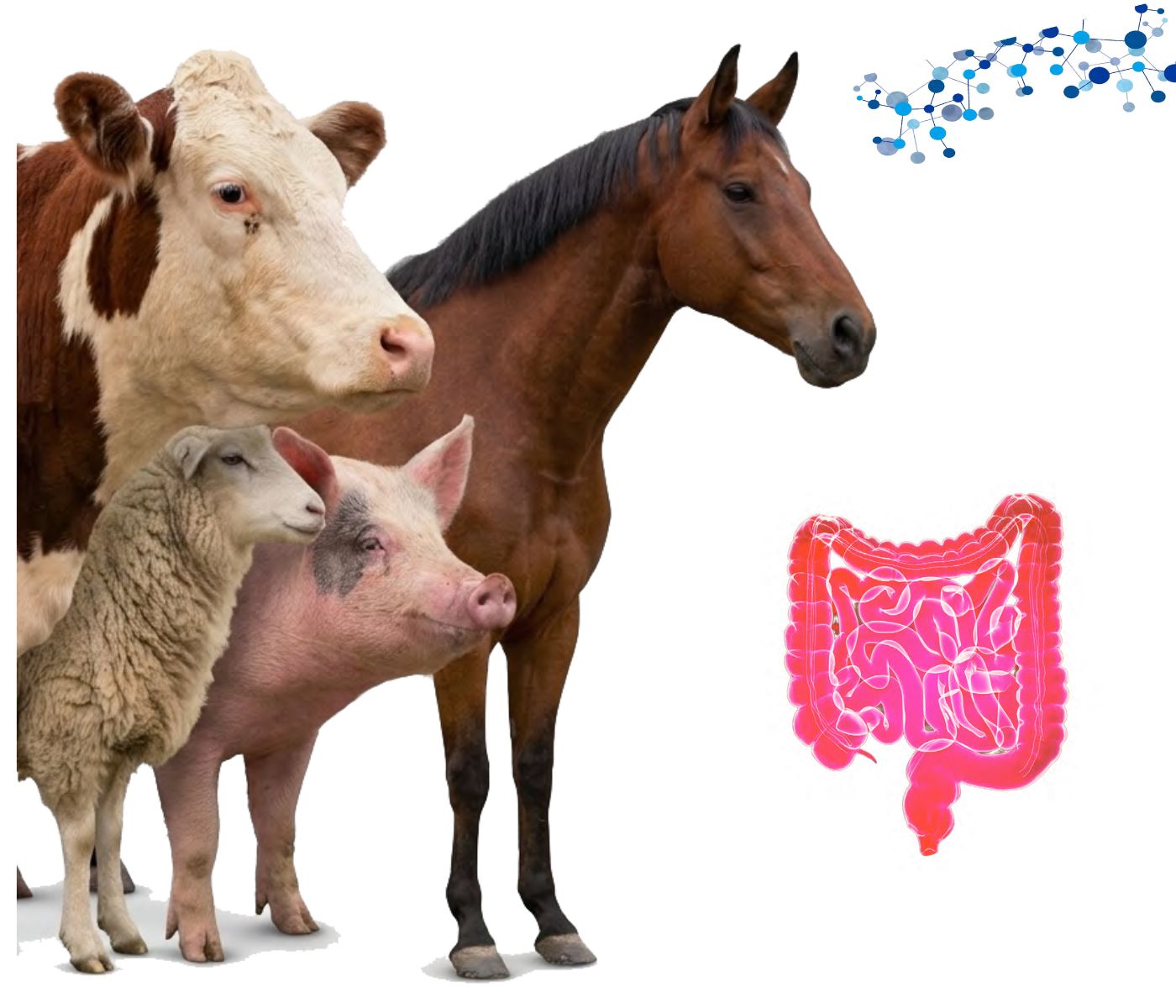
AO-Biotics® Amaferm®: Supporting Livestock Digestion and Performance

Interview with Güner Gövenç
Güner Gövenç,
Net Energy and Precision Feeding Shape the Future of Poultry Nutrition
Edgar Oviedo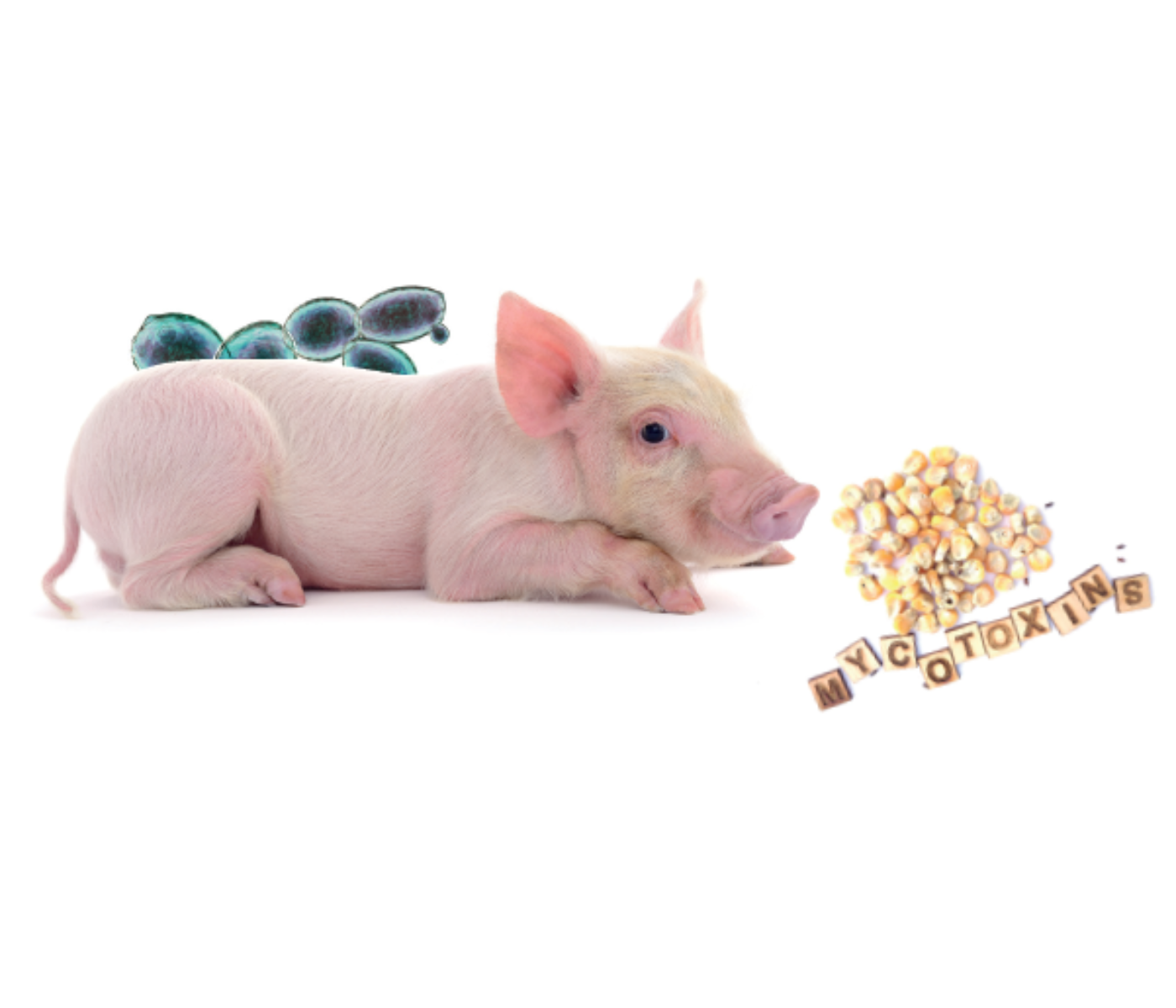
Mycotoxins in Swine: Health Risks and Nutritional Solutions
Giuseppe Carcò
Mycotoxins and Piglet Ear Necrosis: Cause, Cofactor or Coincidence?
Alberto Morillo
How Mycotoxins Affect Intestinal Health in Pigs and Poultry
Marcos Rostagno
From Antibiotics to Functional Feeds in Aquaculture
Babatunde Saliu
Peas as an Alternative to Soybean Meal in Beef Cattle Finishing Diets
Daniel Villalba Mata,
Improving Egg Yolk Pigmentation Through Better Nutrient Transport
Aquaculture and Aquaponics Nutrition: How Fish Shape the Growth of Greens
Trenton Corby
Consistency in Soybean Meal Drives Performance and Sustainability