 11 Jun 2026
Ruminant production in the Middle East is growing as demand for beef, dairy, and feed inputs rises across the region.
The Middle East ruminant sector is expanding as demand for meat and dairy products continues to rise across the region. Cattle, buffaloes, sheep, and goats are playing an increasingly important role in supplying beef, milk, yogurt, cheese, and other value-added products to consumers with growing purchasing power and changing dietary preferences.
Population growth, urbanization, tourism development, and rising incomes are all contributing to stronger demand for animal protein. As governments seek to strengthen food security and reduce dependence on imports, investment in livestock production has become a strategic priority across several Middle Eastern countries.
While environmental and resource constraints remain significant challenges, the region is seeing growing adoption of modern feeding programs, improved genetics, animal health technologies, and management systems designed to increase productivity and efficiency.

One of the clearest indicators of market growth is the steady increase in ruminant populations throughout the region.
Regional estimates indicate that the Middle East had approximately 110.6 million ruminants in 2023, compared with 108.8 million in 2021. Within this total, cattle and buffalo populations reached approximately 11.2 million head, reflecting continued investment in both dairy and beef production systems.
The growth in animal numbers highlights the sector’s efforts to meet rising domestic demand for livestock products. While imports continue to play an important role in regional food supply, many countries are increasingly focused on improving local production capacity and strengthening supply chain resilience.

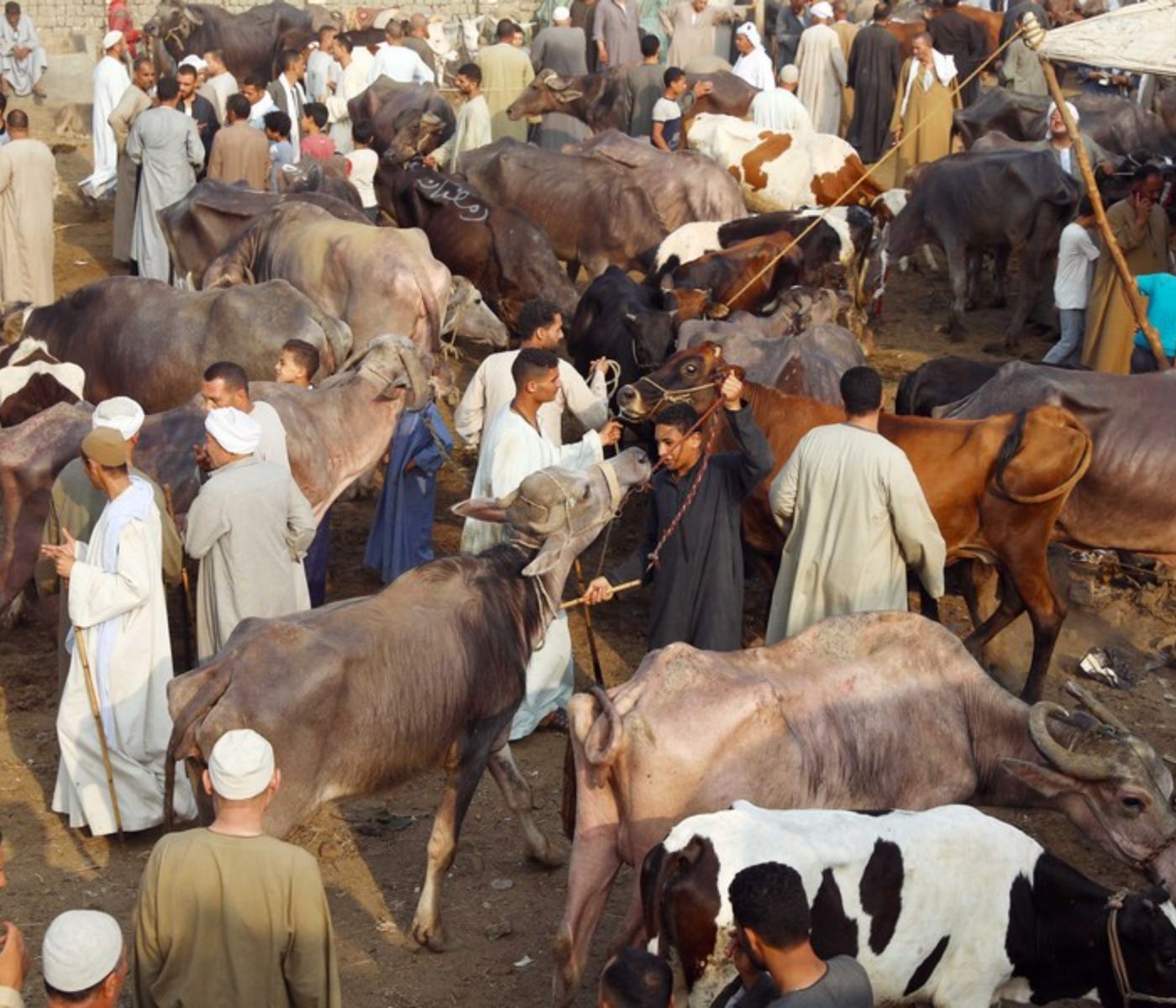
Sheep and goats remain particularly important in many Middle Eastern countries due to their adaptability to arid environments and their cultural significance within local food systems. At the same time, commercial dairy and beef operations continue to expand in response to growing consumer demand.
Saudi Arabia stands out as one of the most important livestock markets in the region. The country’s combination of strong consumer demand, relatively high purchasing power, and ongoing agricultural investment has supported growth across both dairy and meat production sectors.
Saudi Arabia’s ruminant population increased from approximately 24.3 million head in 2021 to 25.9 million head in 2023, reflecting continued confidence in the livestock industry and ongoing investment in production infrastructure.
The country has also invested heavily in modern dairy systems, feed production, water management technologies, and food processing capacity. These developments are helping support greater self-sufficiency while meeting demand from a growing population and expanding foodservice sector.
Beyond Saudi Arabia, countries such as the United Arab Emirates, Egypt, Oman, Kuwait, and Qatar are also investing in livestock systems designed to improve productivity, food security, and domestic supply capabilities.
As animal populations grow, demand for feed inputs is expanding rapidly throughout the region.
Feed represents one of the largest operating costs in ruminant production, making nutrition a critical area for productivity improvement and profitability. Producers are increasingly adopting more sophisticated feeding programs to maximize growth, milk production, reproductive performance, and overall herd health.
Demand is increasing for:
Nutrition has become particularly important in a region where climatic conditions can challenge animal performance. Heat stress, water limitations, forage quality variability, and resource constraints often require carefully balanced feeding programs to maintain productivity.
Feed companies and nutrition specialists are increasingly developing solutions tailored specifically to the environmental conditions and production systems found throughout the Middle East.
The market opportunity extends beyond simple volume growth. Consumers are increasingly seeking higher-quality meat and dairy products, creating opportunities for producers to improve product consistency, quality, and value.
Growth in modern retail, hospitality, tourism, and foodservice sectors is further supporting demand for premium livestock products. This trend is encouraging investment throughout the value chain, including:
As production systems become more intensive and performance-oriented, producers are increasingly focused on improving efficiency while maintaining animal welfare and product quality standards.
Food security remains one of the most important strategic priorities across the Middle East. Many governments are implementing policies designed to strengthen domestic agricultural production and reduce vulnerability to global supply chain disruptions.
Livestock production forms an important component of these strategies. Investments in dairy, beef, sheep, and goat production are often linked directly to national food security objectives, supporting long-term development of the sector.
Technologies that improve productivity, resource efficiency, water management, feed utilization, and animal health are expected to play an increasingly important role in helping producers achieve these goals.
Despite strong growth prospects, the Middle East livestock sector continues to face several important challenges.
Water scarcity, limited arable land, climate variability, feed import dependence, and environmental constraints can all affect production economics and long-term sustainability.
These challenges are increasing interest in:
Addressing these constraints will be critical for supporting future growth while maintaining competitiveness and resource efficiency.
The Middle East ruminant market is expected to remain highly attractive for companies operating in feed, animal health, genetics, and livestock production inputs.
Demand for beef, dairy products, and nutritional solutions is likely to continue expanding as populations grow and consumers seek greater access to high-quality animal protein.
At the same time, producers will increasingly focus on technologies and management practices that help improve efficiency in environments characterized by limited natural resources and challenging climatic conditions.
The Middle East ruminant sector is entering a period of sustained expansion supported by strong demand for meat and dairy products, increasing investment in food security, and growing adoption of modern livestock technologies.
For companies involved in animal nutrition, feed additives, animal health, genetics, and production systems, the region represents one of the most promising growth opportunities in global livestock production.
Success, however, will depend on helping producers overcome environmental and resource constraints while continuing to improve efficiency, sustainability, and product quality across the value chain.

Subscribe now to the technical magazine of animal nutrition
AUTHORS
Rumen microorganisms and metabolizable amino acid balance
Fernando Bacha Baz
Broiler nutrition during the first feeding phase

Genetic improvement in corn strengthens its strategic role in animal nutrition
Insect biorefineries and the future of sustainable animal nutrition
Ari Riihimaa
LivoLiv supplementation improves liver health and broiler performance
Mycotoxin binders explained: why one size never fits all
Rui A. Gonçalves
Active Feeding strategy for PRRS-positive weaned piglets
Alberto Morillo Alujas
Sow colostrum and its strategic impact on piglet survival and growth
Marianna Altieri
Bacillus probiotics help support intestinal health in cats
Lorenna Nicole Araújo Santos