 31 May 2026
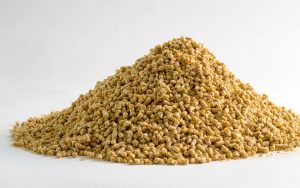
India’s soybean meal market has entered an unprecedented phase, with exporters cancelling overseas contracts and traders turning to costly African soybean imports amid a sharp domestic supply crunch.
According to a Reuters report published on May 26, Indian traders cancelled around 25,000 tons of soybean meal export contracts for May and June shipments after domestic soybean prices surged sharply over the past month. The cancellations mark the first major washouts in the sector since 2021.
The sudden reversal has effectively transformed India from a competitive soybean meal exporter into an active soybean importer.
Domestic prices surge


Trade sources said Indian soybean meal prices climbed nearly 41% within a month, reaching approximately USD 689/ton, the highest level seen in four years. Export offers for June shipments reportedly jumped from around USD 475/ton to nearly USD 695/ton FOB, making Indian supplies uncompetitive in the global market.
In contrast, South American soybean meal continues to trade near USD 430/ton, prompting international buyers to shift purchases toward Brazil and Argentina.
Market analysts expect India’s total soybean meal exports for the 2025-26 marketing year ending in September to decline to nearly 900,000 tons, sharply lower than last year’s 2.02 million tons.



Imports rise despite high costs
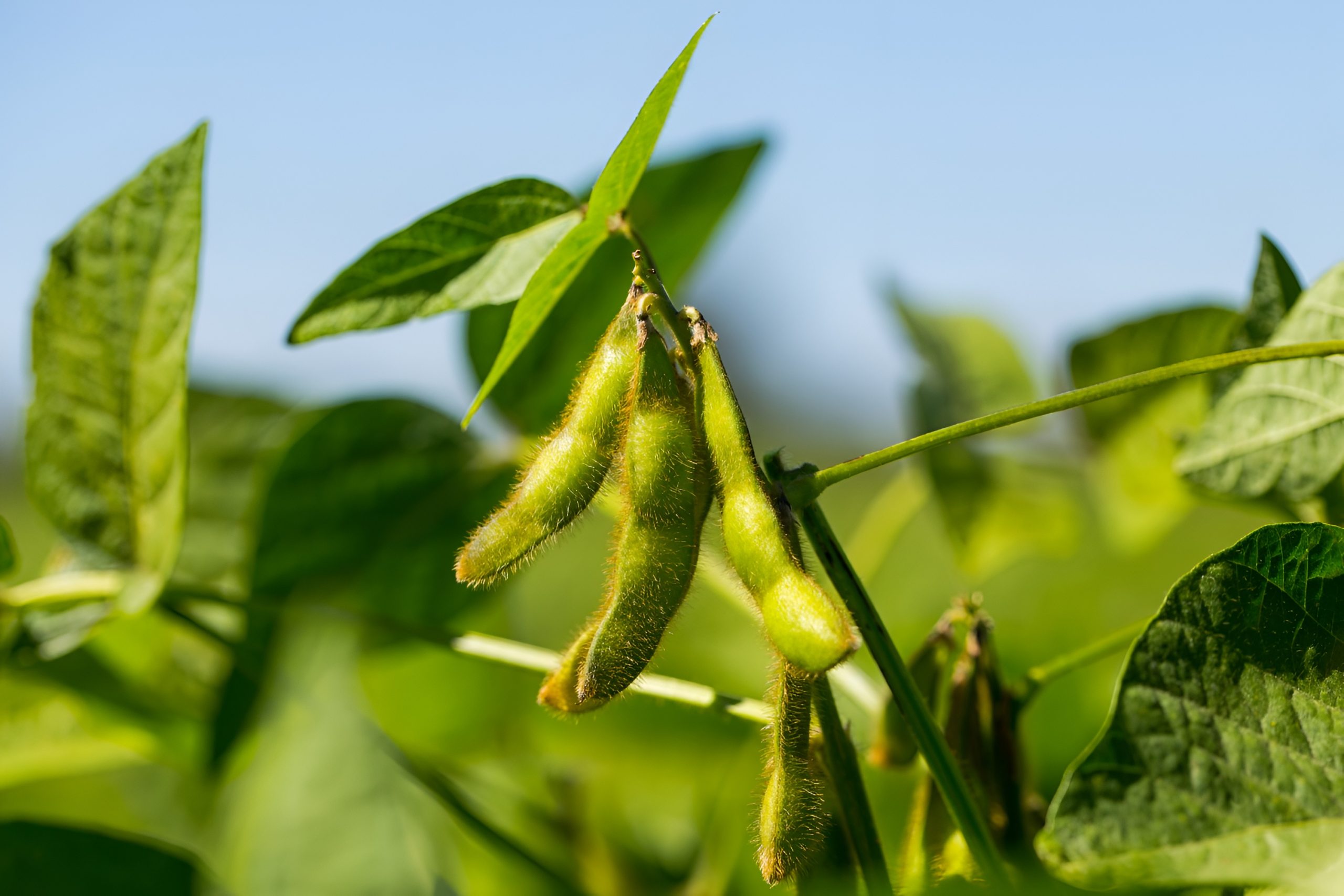
To address the raw material shortage, Indian traders have already booked roughly 80,000 tons of soybean imports from African countries including Benin, Togo, Nigeria, and Niger.
Imports could reach a record 800,000 tons this year, compared with only about 2,000 tons imported during the previous season.
India’s restrictions on genetically modified soybean imports remain a major factor behind the unusually high procurement costs. Since India permits only non-GM soybean imports, buyers are forced to source limited premium supplies from African exporters rather than cheaper GM-origin soybeans from the US or Brazil.
Industry sources indicated that African soybean cargoes are currently being purchased at prices ranging between USD 700 and USD 760 per ton CIF India.
Pressure mounts on poultry and dairy sectors
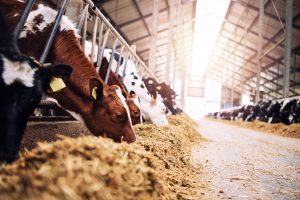
The soybean meal rally is intensifying cost pressure across India’s poultry, dairy, and livestock industries, where feed represents the largest component of production expenses.
Feed prices have reportedly increased from around USD 0.58/kg to nearly USD 0.73/kg within weeks, squeezing margins for poultry integrators and dairy operators.
Feed manufacturers have increasingly started reformulating rations by reducing soybean meal inclusion rates and using alternative ingredients such as DDGS (distillers dried grains with solubles) and rice bran derivatives. However, growing demand for substitutes is also pushing up prices of competing feed ingredients, including corn and de-oiled rice bran.
Industry participants warn that elevated feed costs could eventually translate into higher consumer prices for chicken, eggs, milk, curd, and other protein products in the coming months.
Tight supplies until new crop arrival
Processors and traders expect soybean availability to remain constrained until the arrival of India’s new soybean crop during September and October.
Until then, the market is likely to remain highly volatile, with domestic crushers, feed manufacturers, and exporters all competing for limited soybean supplies.
Several trade participants believe continued firmness in domestic soybean prices will sustain import demand through the third quarter of 2026.
Source: Reuters and industry trade sources.


Subscribe now to the technical magazine of animal nutrition
AUTHORS
From 2025 Data to 2026 Decisions: Managing Mycotoxin Risk in a Changing Climate
Alterion® NE Celebrates 10 Years of Poultry Gut Health Innovation
The Science Behind Kolin Plus: Beyond Choline Replacement
Summer Infertility in Sows: Managing Heat Stress and Reproductive Performance
AO-Biotics® Amaferm®: Supporting Livestock Digestion and Performance

Interview with Güner Gövenç
Güner Gövenç,
Net Energy and Precision Feeding Shape the Future of Poultry Nutrition
Edgar Oviedo
Mycotoxins in Swine: Health Risks and Nutritional Solutions
Giuseppe Carcò
Mycotoxins and Piglet Ear Necrosis: Cause, Cofactor or Coincidence?
Alberto Morillo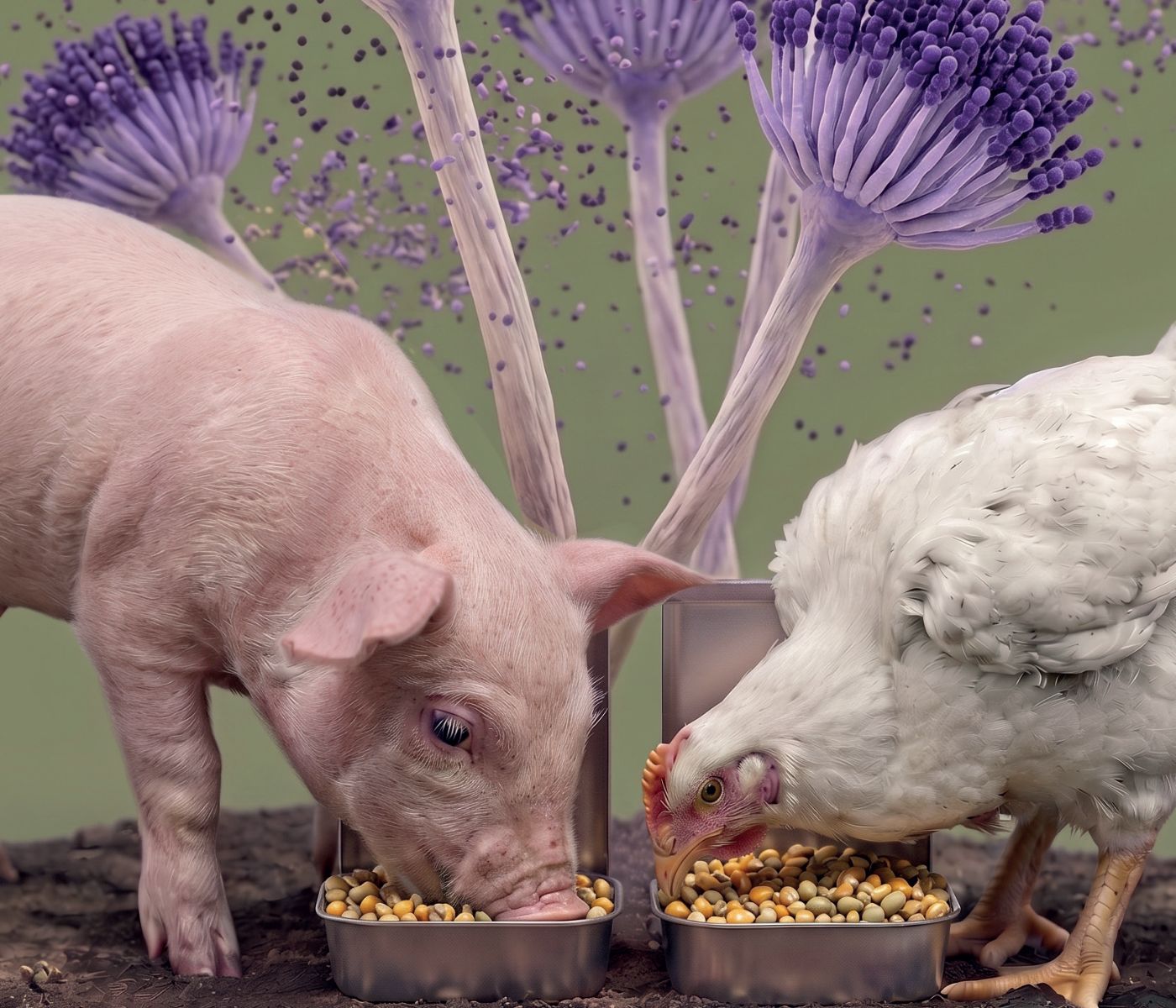
How Mycotoxins Affect Intestinal Health in Pigs and Poultry
Marcos Rostagno
From Antibiotics to Functional Feeds in Aquaculture
Babatunde Saliu
Peas as an Alternative to Soybean Meal in Beef Cattle Finishing Diets
Daniel Villalba Mata,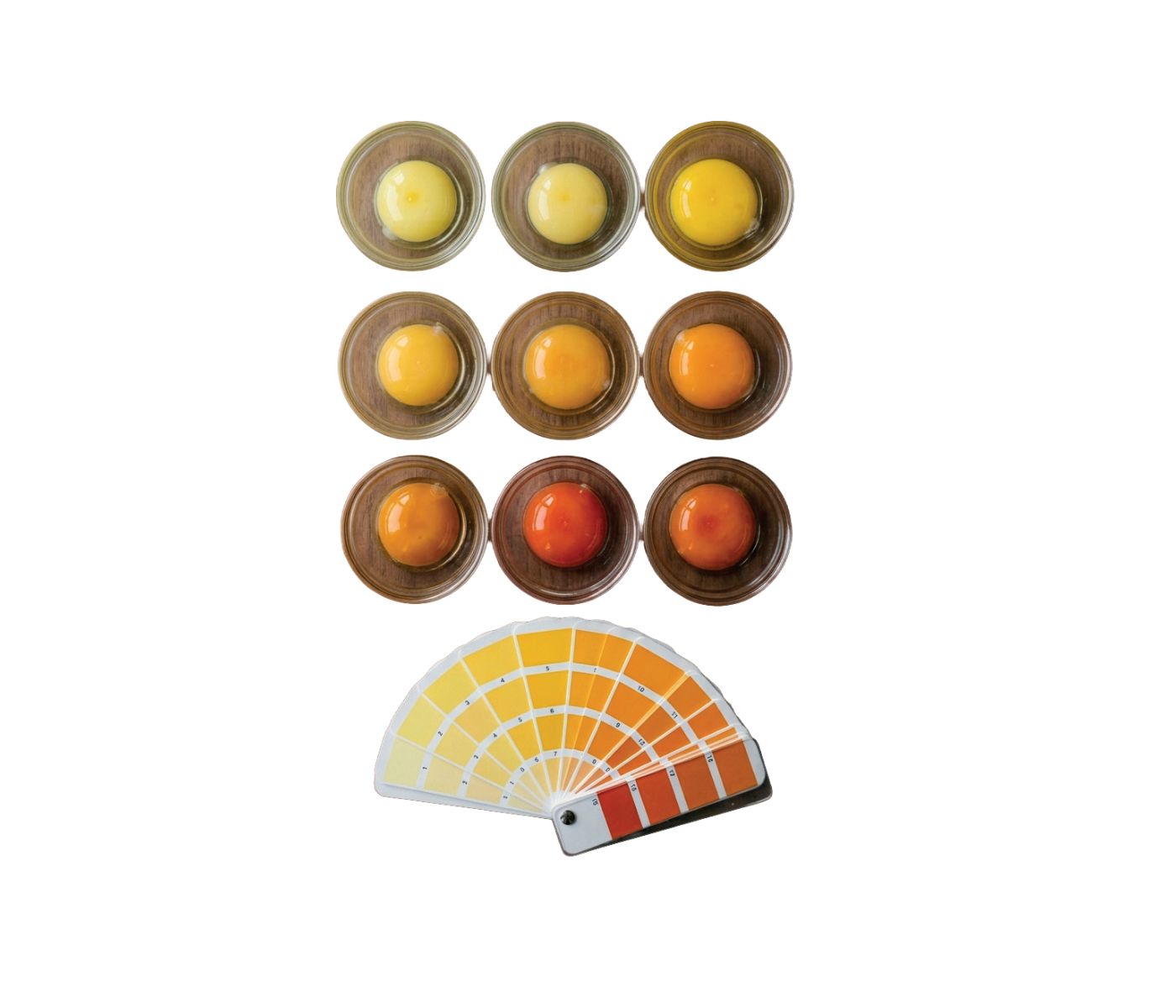
Improving Egg Yolk Pigmentation Through Better Nutrient Transport

Aquaculture and Aquaponics Nutrition: How Fish Shape the Growth of Greens
Trenton Corby
Consistency in Soybean Meal Drives Performance and Sustainability