 17 Sep 2026
Selenium has become one of the most widely discussed trace minerals in animal nutrition.
Most nutritionists, integrators and feed manufacturers recognize its importance for supporting antioxidant status, immune function and animal performance.
However, one important question is often overlooked: Are all organic selenium sources truly the same?
When evaluating selenium solutions, many decisions are still based on total selenium concentration alone. Yet modern animal production faces challenges that require looking beyond the label.
Today’s production systems demand more from selenium
High-performing animals are exposed to a wide range of stressors throughout their lifecycle. Heat stress, disease pressure, transportation, reproduction demands and fluctuating feed intake can all place additional pressure on the animal’s antioxidant and immune systems.
In these situations, selenium is expected to do more than simply meet minimum nutritional requirements.
Producers need selenium sources that can:
The question is whether every organic selenium source can deliver this value equally.
Looking beyond ‘organic selenium’
The term ‘organic selenium’ is often used as if it describes a single category of products. In reality, organic selenium sources can differ significantly in composition.
These differences can influence:
Understanding these differences is becoming increasingly important as nutrition strategies move towards greater precision and predictability.
Why consistency matters
In animal nutrition, consistency is critical. Nutritionists formulate diets based on expected nutrient delivery. Feed manufacturers require reliable product quality. Integrators want predictable performance outcomes.
Variations in the biologically active selenium forms present within a product may influence how effectively selenium is utilized by the animal.
For this reason, understanding the actual selenium forms delivered to the animal becomes just as important as understanding the total selenium concentration stated on a specification sheet.
Precision nutrition starts with the right information
As the industry continues to adopt more precise feeding strategies, evaluating selenium sources requires a deeper understanding of their biological functionality.
The most relevant questions are no longer: “How much selenium is included?”
But rather:
Answering these questions can help nutritionists make more informed decisions and improve the effectiveness of their selenium programs.
Discover the science behind organic selenium differences
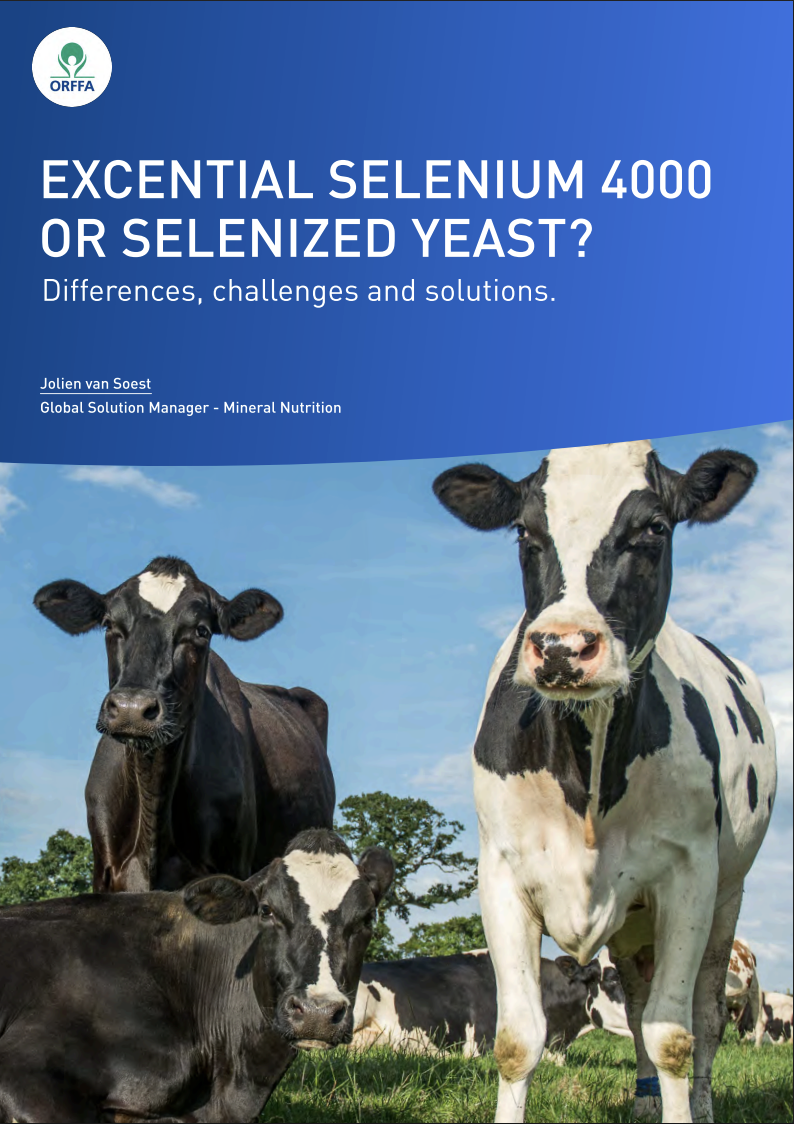
To help nutrition professionals navigate this topic, Orffa’s latest white paper explores the biological and practical differences between organic selenium sources and discusses why these differences can matter for animal performance, robustness and nutritional precision.
The paper also examines the role of L-selenomethionine, selenium reserves, product consistency and the implications for modern animal production systems.
Download the white paper here to discover why not all organic selenium sources are created equal and what this means for your nutrition strategy.
Subscribe now to the technical magazine of animal nutrition
AUTHORS
From 2025 Data to 2026 Decisions: Managing Mycotoxin Risk in a Changing Climate
Alterion® NE Celebrates 10 Years of Poultry Gut Health Innovation
The Science Behind Kolin Plus: Beyond Choline Replacement

Summer Infertility in Sows: Managing Heat Stress and Reproductive Performance
AO-Biotics® Amaferm®: Supporting Livestock Digestion and Performance

Interview with Güner Gövenç
Güner Gövenç,
Net Energy and Precision Feeding Shape the Future of Poultry Nutrition
Edgar Oviedo
Mycotoxins in Swine: Health Risks and Nutritional Solutions
Giuseppe Carcò
Mycotoxins and Piglet Ear Necrosis: Cause, Cofactor or Coincidence?
Alberto Morillo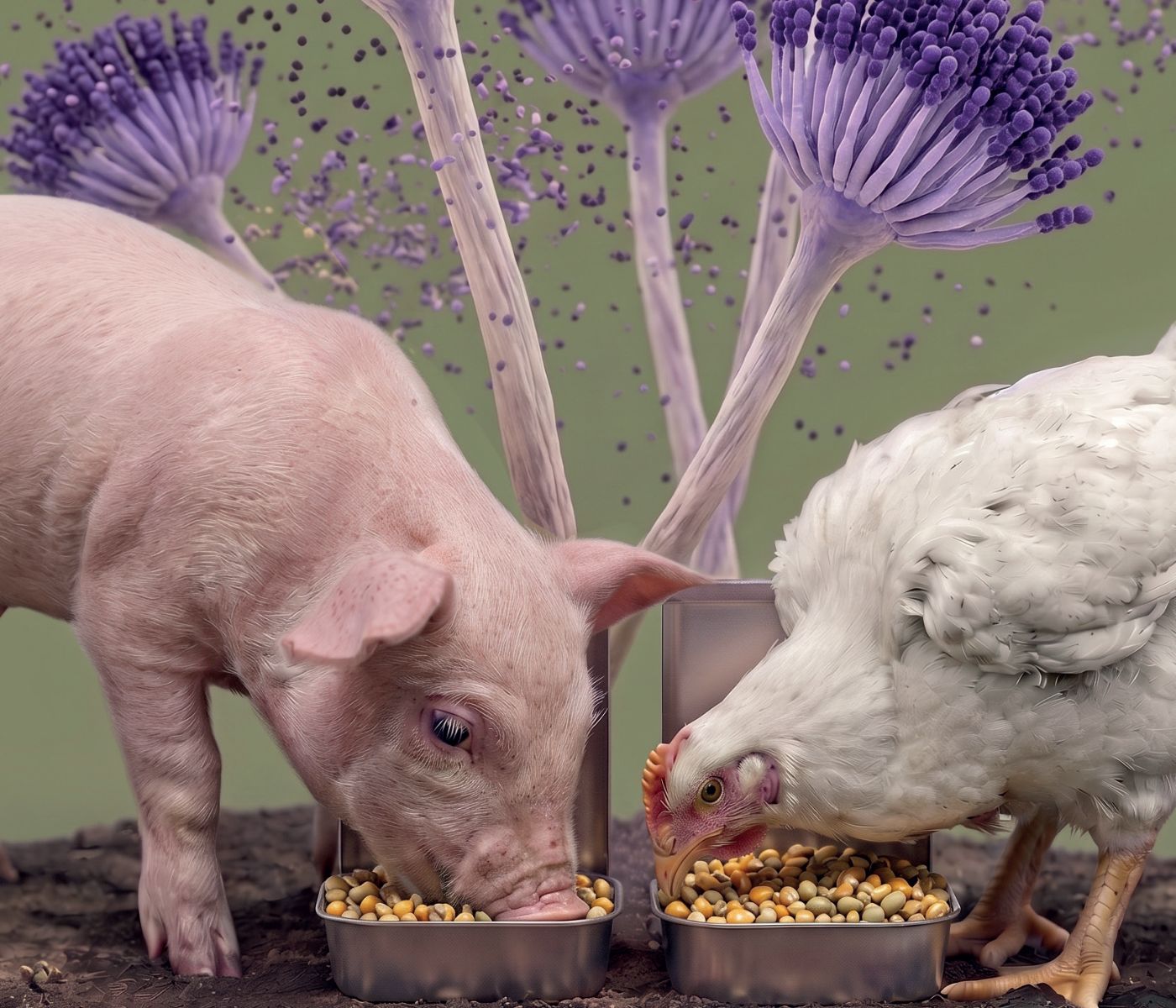
How Mycotoxins Affect Intestinal Health in Pigs and Poultry
Marcos Rostagno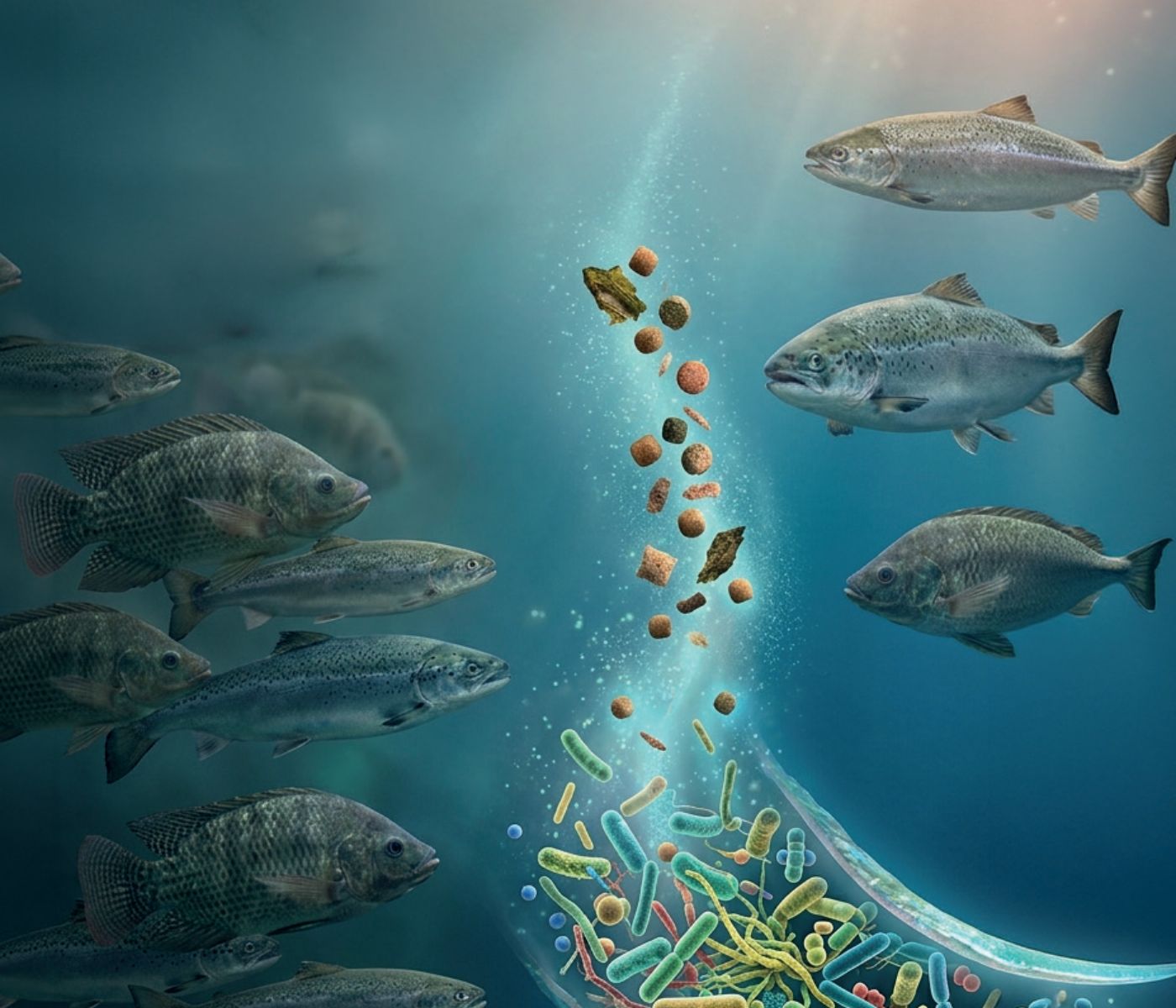
From Antibiotics to Functional Feeds in Aquaculture
Babatunde Saliu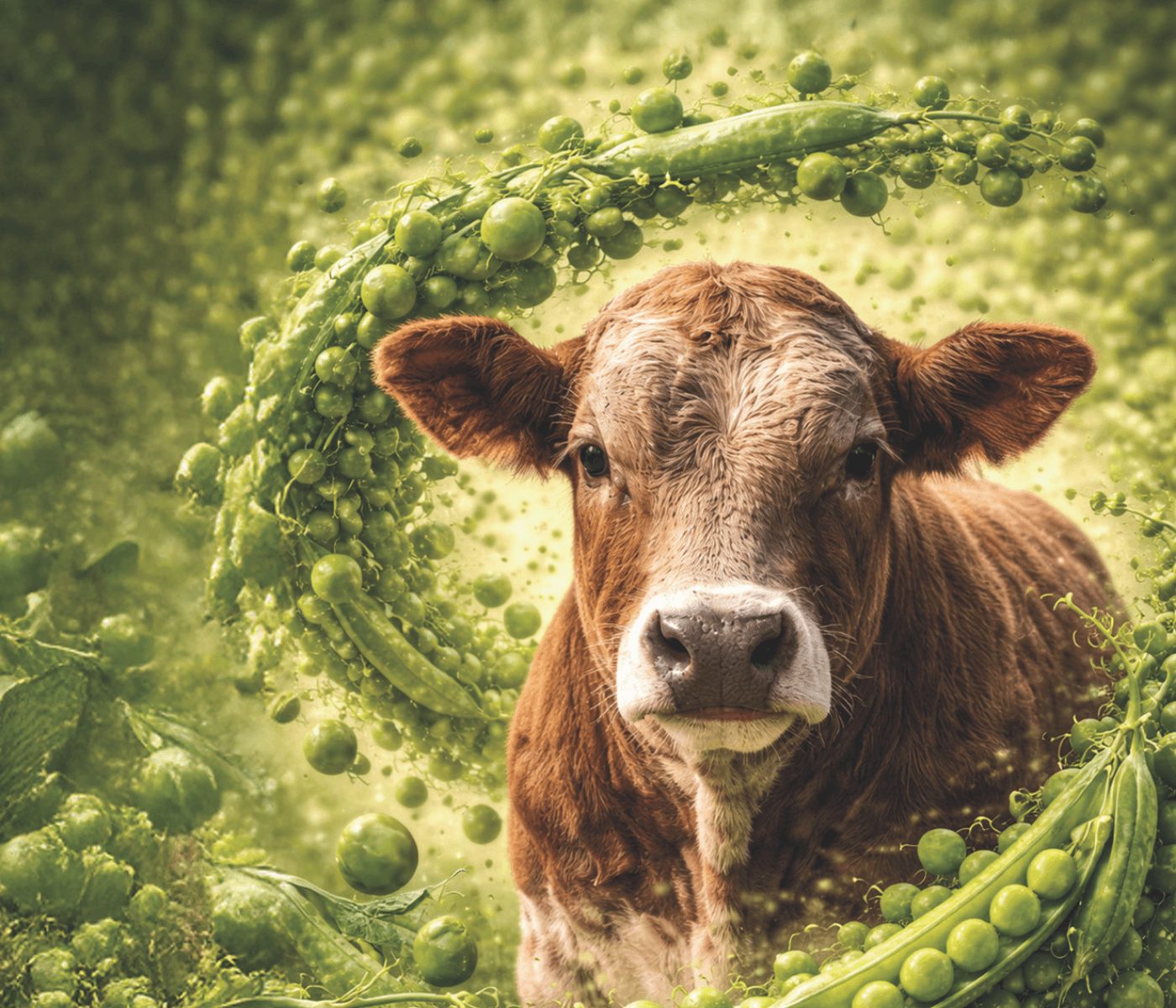
Peas as an Alternative to Soybean Meal in Beef Cattle Finishing Diets
Daniel Villalba Mata,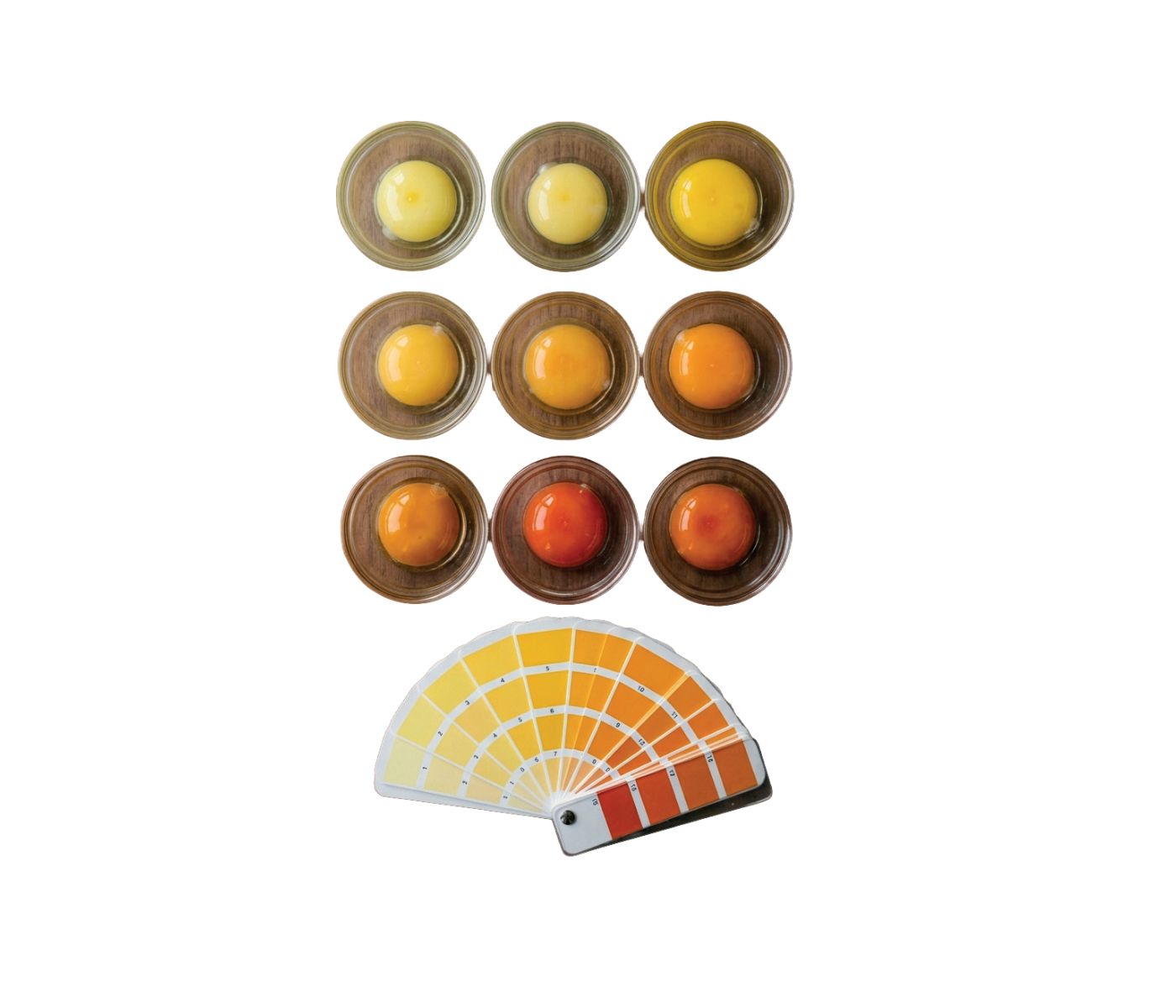
Improving Egg Yolk Pigmentation Through Better Nutrient Transport

Aquaculture and Aquaponics Nutrition: How Fish Shape the Growth of Greens
Trenton Corby
Consistency in Soybean Meal Drives Performance and Sustainability