 21 Oct 2026
The effects of graded levels of quillaja saponins on the productivity of commercial laying hens
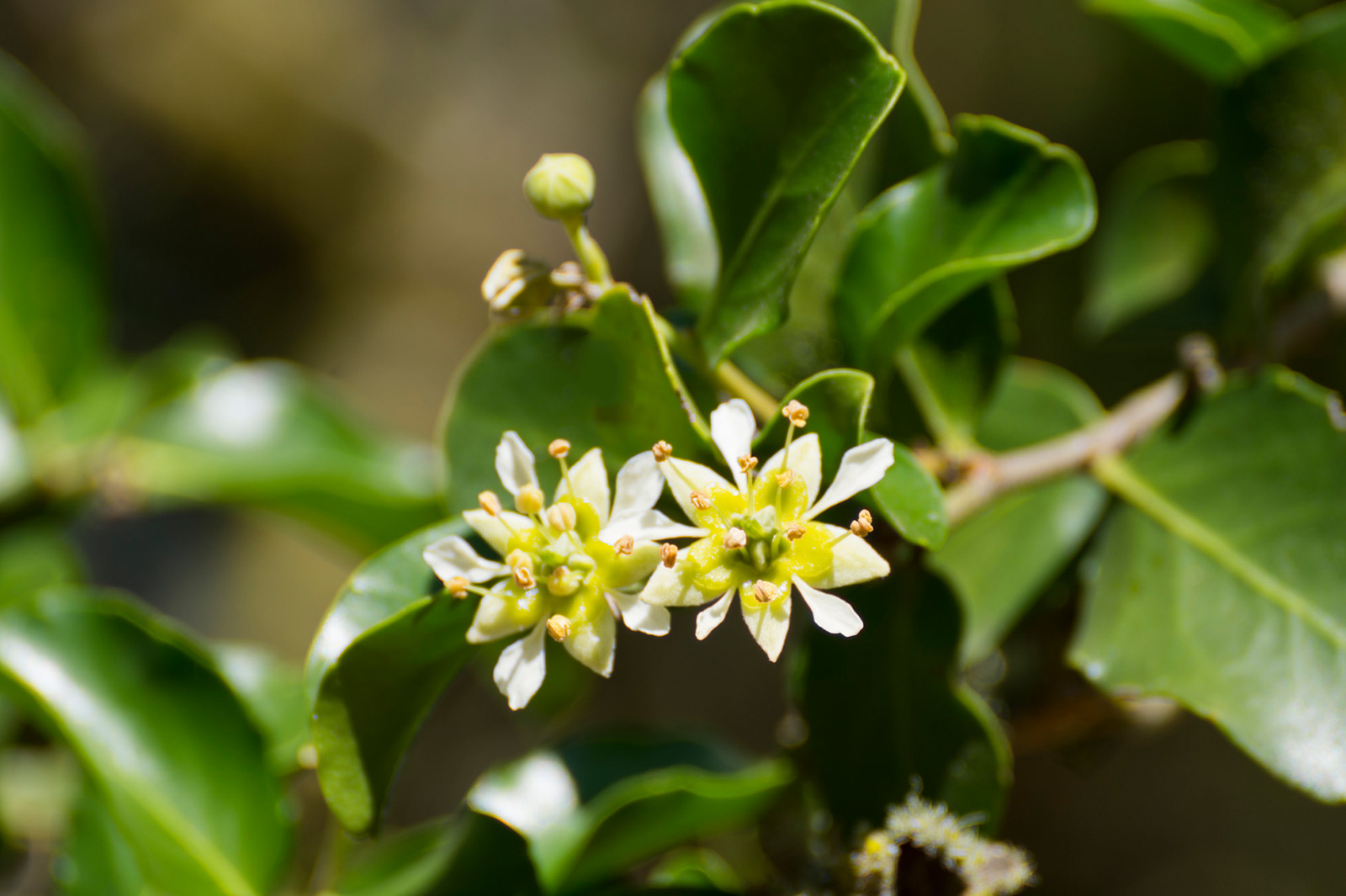
A study was conducted by K W Bafundo of Poultry Diagnostic and Research Center, University of Georgia in the US and his research team from Vetworks and Huvepharma, to determine the effects of feeding graded levels of quillaja saponins (Clarity Q, Huvepharma, Antwerp, Belgium) on the performance and productivity of commercial layers.
3000 H&N layer pullets were given one of 4 levels (0, 125, 250 and 500 mg/kg) of quillaja saponins in feed and their growth performance was monitored throughout a 5-to-15-week rearing period in a completely randomized design.
At 16 weeks, pullets were moved to a laying facility where they continued to consume the same treatment feeds through 60 weeks of age.

At 21 weeks, collection of egg production data began, with hen day egg production (HDEP), egg weight (EW), egg mass (EM), feed intake and feed efficiency (g feed consumed/g of egg) used as primary response variables.
Data were analyzed for 2 production periods: 21 to 40 and 41 to 60 weeks of age. Additionally, eggshell thickness was measured biweekly from weeks 39 to 59 in 40 randomly selected eggs per treatment.
Results

During the rearing period, quillaja saponins significantly increased weight gain per week and improved feed conversion values (p < 0.05).
Analysis of hen-day egg production (HDEP) at 40 weeks of age demonstrated that quillaja addition at 500 mg/kg significantly improved HDEP compared to the 0 and 125 mg/kg levels.
EW, EM and feed efficiency were significantly improved by both 250 and 500 mg/kg compared to the lower quillaja levels, but significant differences between 250 and 500 mg/kg were not observed.
By 60 weeks of age, HDEP was maximized by quillaja addition at 250 mg/kg, and EW, EM and feed conversion plateaued such that significant differences between 250 and 500 mg/kg were not observed.
Eggshell thickness responded similarly, with significant differences observed at 250 and 500 mg/kg compared to the other feeding levels.
Data from this study data indicate that egg production variables were positively affected by quillaja additions to feed at both 21 to 40 and 41 to 60 weeks of age and 250 mg/kg produced the most consistent responses in egg production criteria.



Subscribe now to the technical magazine of animal nutrition
AUTHORS
From 2025 Data to 2026 Decisions: Managing Mycotoxin Risk in a Changing Climate
Alterion® NE Celebrates 10 Years of Poultry Gut Health Innovation
The Science Behind Kolin Plus: Beyond Choline Replacement

Summer Infertility in Sows: Managing Heat Stress and Reproductive Performance
AO-Biotics® Amaferm®: Supporting Livestock Digestion and Performance

Interview with Güner Gövenç
Güner Gövenç,
Net Energy and Precision Feeding Shape the Future of Poultry Nutrition
Edgar Oviedo
Mycotoxins in Swine: Health Risks and Nutritional Solutions
Giuseppe Carcò
Mycotoxins and Piglet Ear Necrosis: Cause, Cofactor or Coincidence?
Alberto Morillo
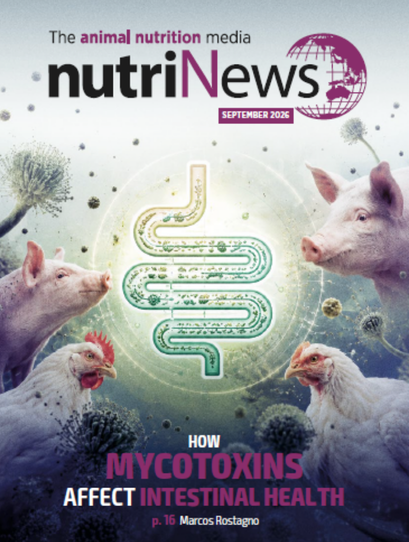
How Mycotoxins Affect Intestinal Health in Pigs and Poultry
Marcos Rostagno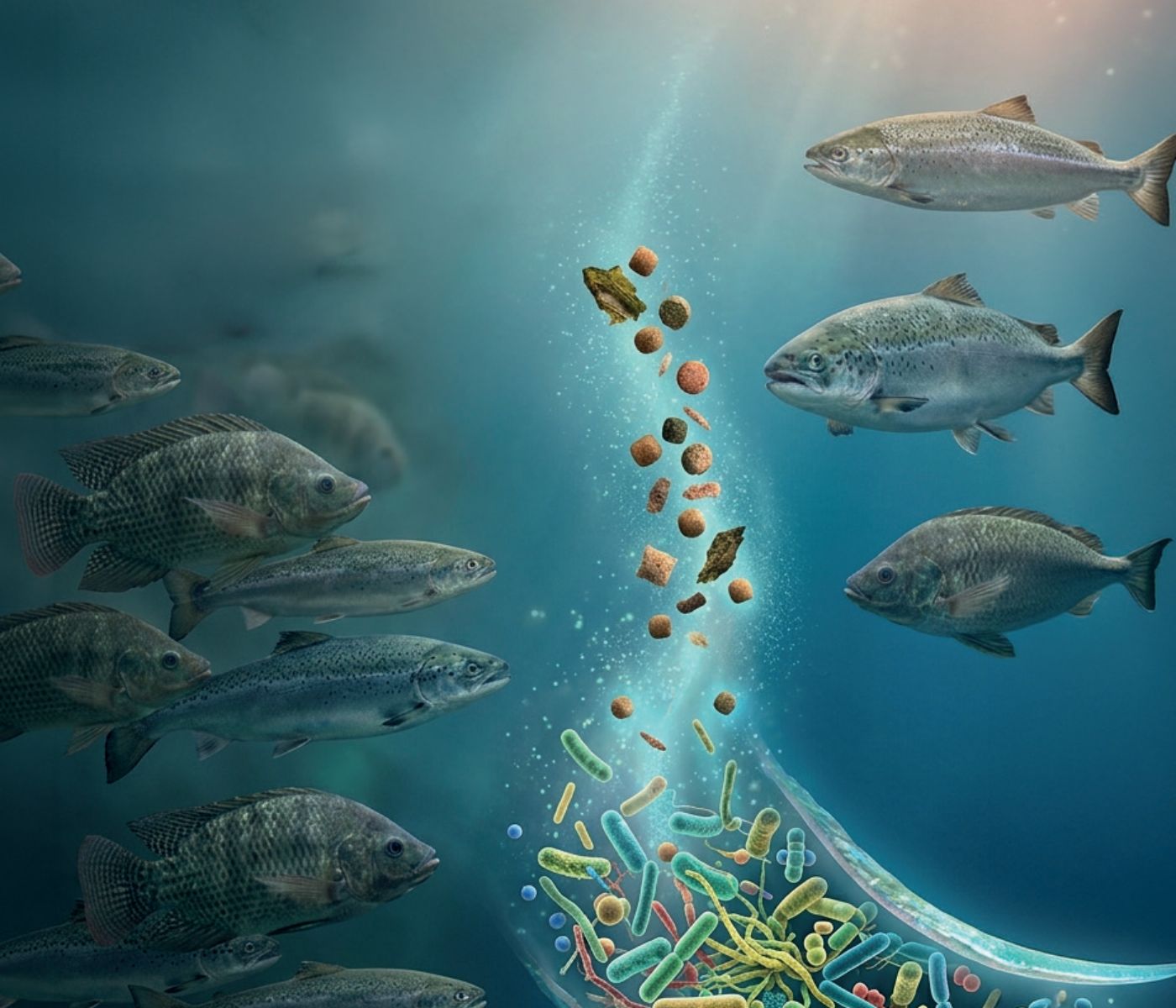
From Antibiotics to Functional Feeds in Aquaculture
Babatunde Saliu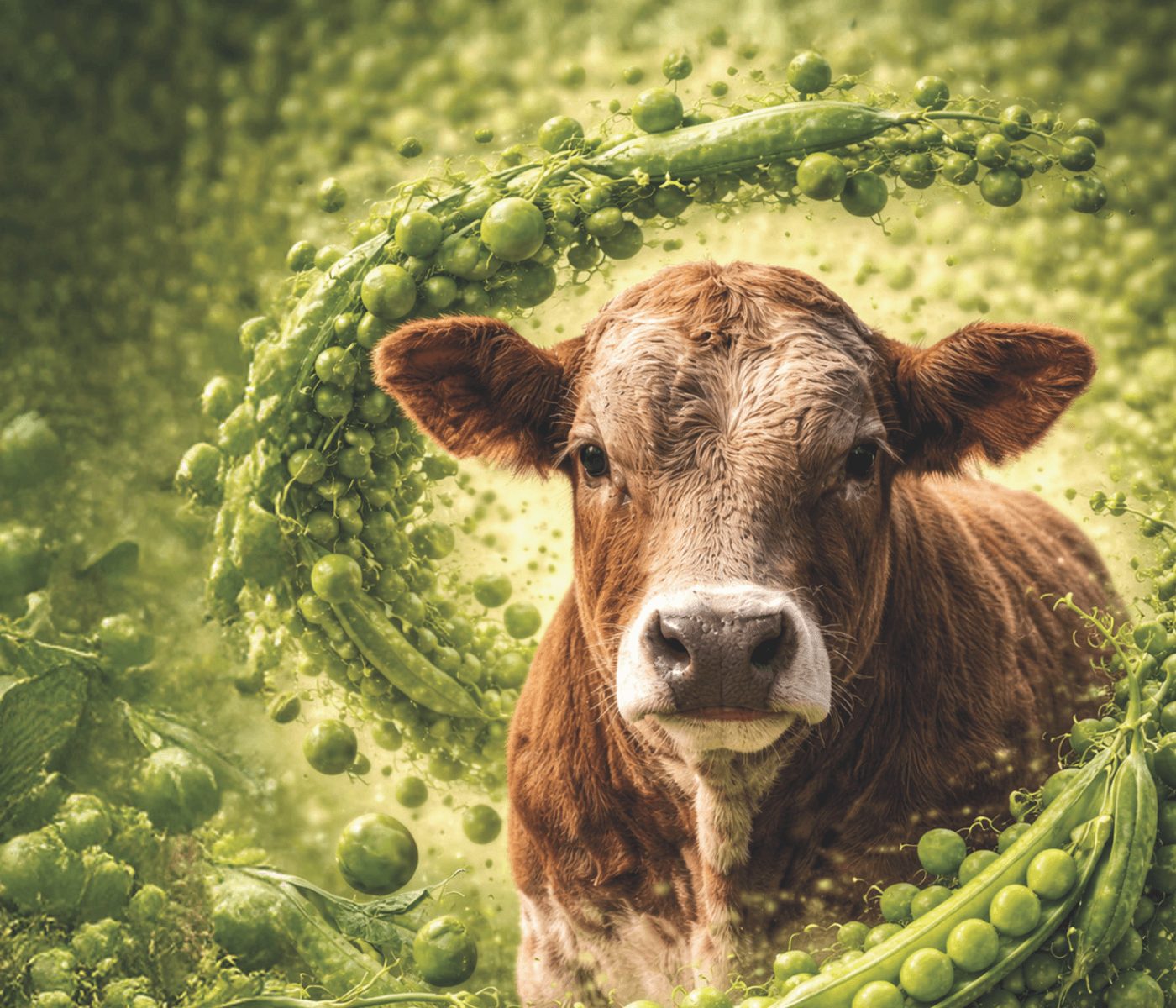
Peas as an Alternative to Soybean Meal in Beef Cattle Finishing Diets
Daniel Villalba Mata,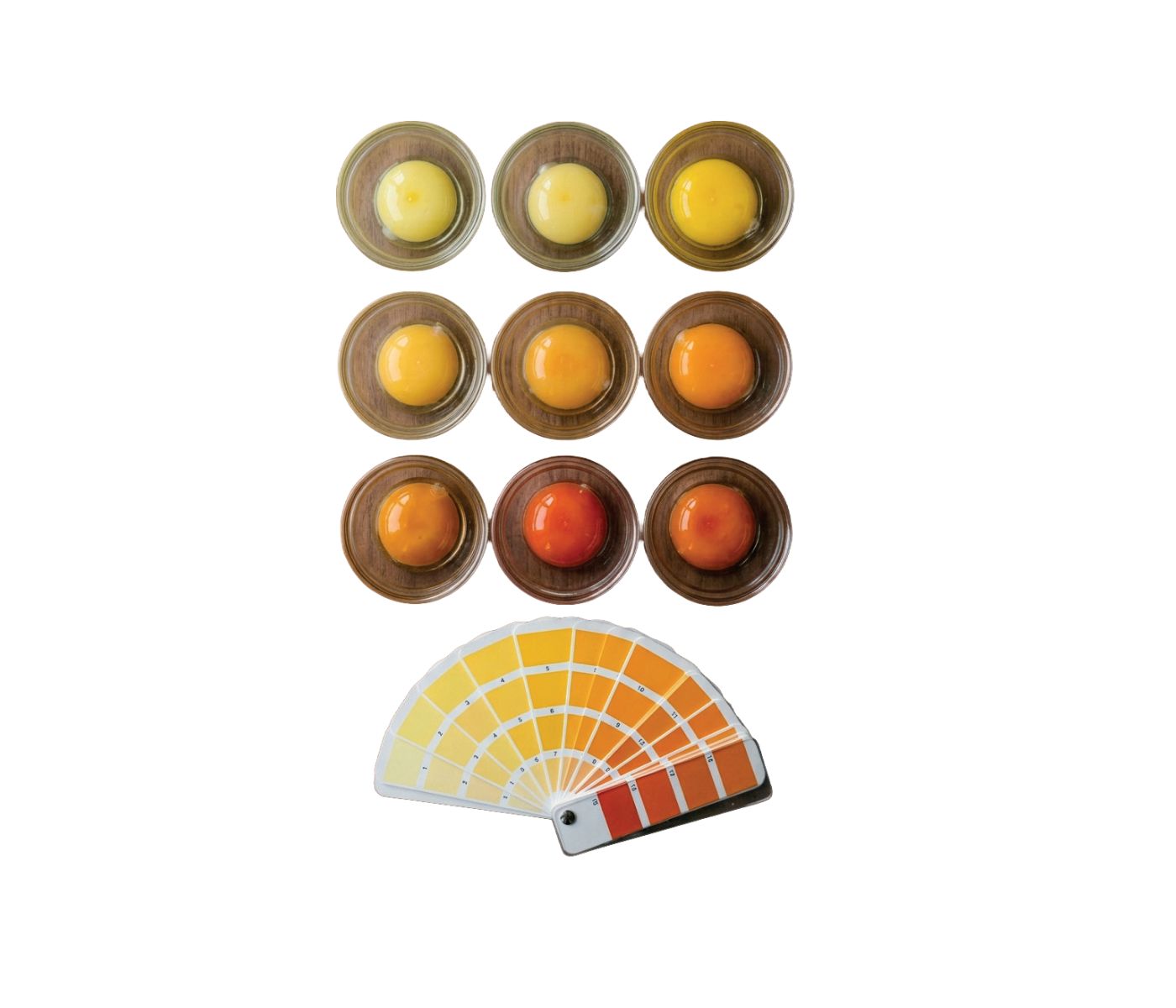
Improving Egg Yolk Pigmentation Through Better Nutrient Transport

Aquaculture and Aquaponics Nutrition: How Fish Shape the Growth of Greens
Trenton Corby
Consistency in Soybean Meal Drives Performance and Sustainability