 09 Oct 2026
Corn and wheat are vital to the Philippines’ animal feed sector as El Niño and high fertilizer costs reduce domestic grain yields. According to the latest Grain and Feed Update from the USDA-Foreign Agricultural Service (FAS) in Manila, rising feed demand is pushing grain imports higher. Currency depreciation is also adding pressure to feed costs, intensifying challenges for feedmillers and livestock and poultry producers.
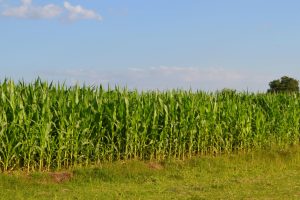
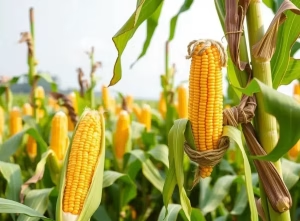
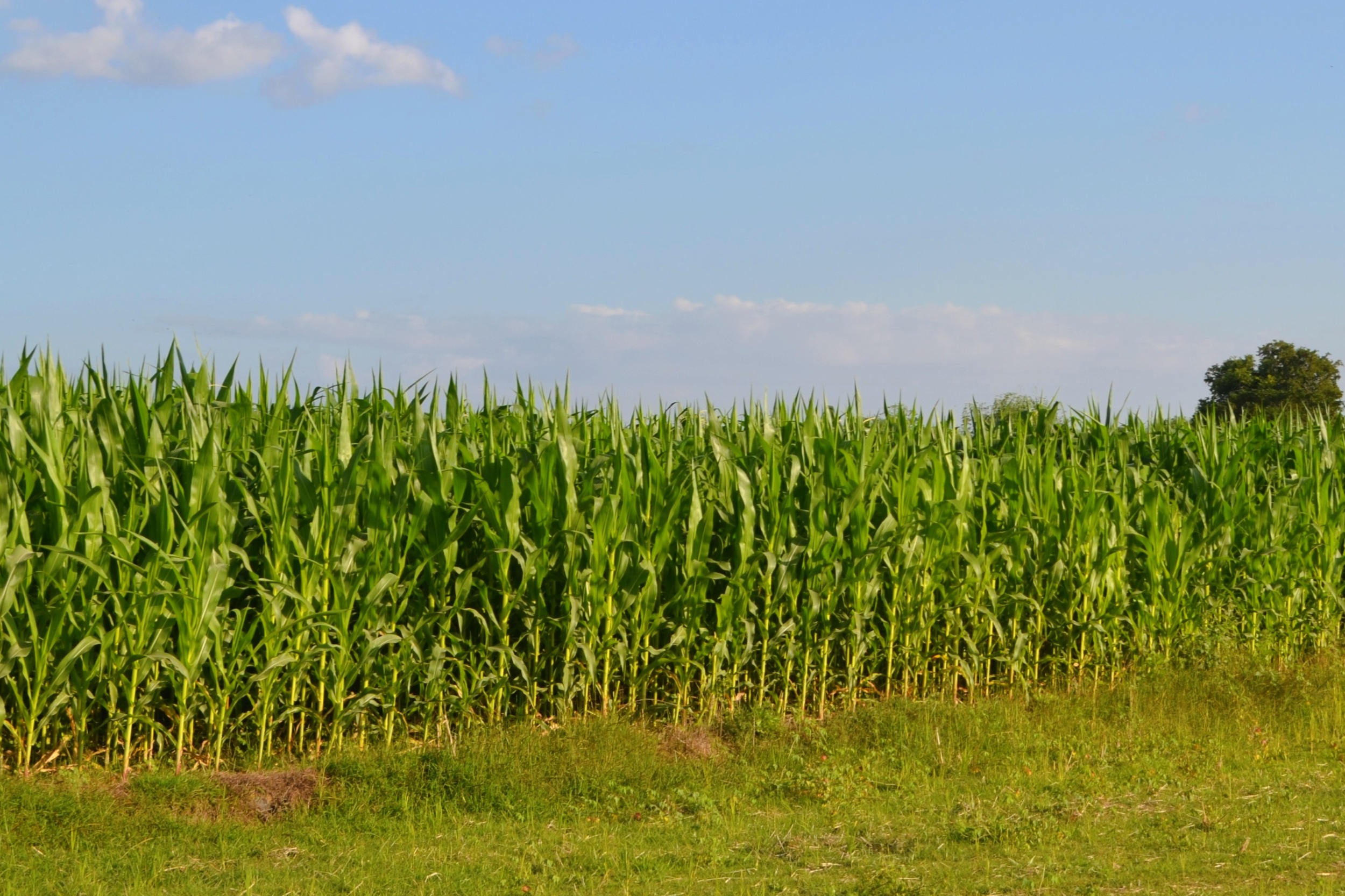
Corn output for Marketing Year (MY) 2026/27 is forecast at 8.05 million tons, reflecting reduced yields under irrigation stress. Area harvested remains steady, but drier conditions and elevated fertilizer costs continue to limit productivity.
Consumption is rising on sustained poultry-sector growth, with imports expected to climb sharply. Early trade data confirm strong feed‑sector demand. Analysts revised MY 2025/26 estimates upward to reflect poultry expansion and actual trade volumes.
Ending stocks are projected to increase by 9% in MY 2026/27, as higher carryover and imports outweigh lower production. The Department of Agriculture is reviewing a proposed expansion of corn import quotas and, together with the Department of Energy, is exploring corn’s potential as a bioethanol feedstock.

Wheat consumption and imports are forecast to hold steady in MY 2026/27, with feed use shifting back toward corn. For MY 2025/26, consumption and imports were raised on stronger feed wheat demand, even as exports fell on softer pasta demand.
Australia remains the dominant supplier of feed wheat, and peso depreciation against the Australian dollar has added to import costs. This has raised concerns for feedmillers and producers, who rely on wheat as part of balanced rations.
Wheat ending stocks are expected to decline modestly in MY 2026/27, as lower imports outweigh higher beginning stocks and a slight consumption dip. Anti-dumping duties on Turkish flour imports, in place since 2015, face renewed pressure to lapse when they expire in January 2027, a change that could influence feed wheat flows.

Total energy supply, measured in corn-equivalent terms, is forecast to decline 2.2% in MY 2026/27. Corn supply rises slightly, but wheat’s contribution falls 7.4% as feed use shifts back toward corn. This reflects both cost pressures from currency depreciation and the relative availability of imported corn.
Animal protein production continues to expand. Chicken output is forecast to grow 6.5% in 2026 compared to 2025, while pork is likely to edge up 1.5%. Aquaculture and chicken egg production also show strong growth, underscoring the feed sector’s central role in sustaining protein supply.
Meanwhile, policy developments remain critical for the feed sector. The DA is reviewing corn import quotas and has halted premium-grade rice imports to protect farmers, though this measure does not directly affect feed grain flows. Rice import tariffs index automatically to world prices, but officials have not introduced similar adjustments for corn and wheat. Without these measures, feed importers remain exposed to currency swings and price volatility.
El Niño’s potential intensification later in 2026 could further strain irrigation and feed grain production. Government programs promoting drought‑tolerant seeds, solar‑powered irrigation, and alternative crops may help mitigate risks. Feed demand, however, is expected to remain import‑dependent in the near term.



Subscribe now to the technical magazine of animal nutrition
AUTHORS
From 2025 Data to 2026 Decisions: Managing Mycotoxin Risk in a Changing Climate
Alterion® NE Celebrates 10 Years of Poultry Gut Health Innovation
The Science Behind Kolin Plus: Beyond Choline Replacement
Summer Infertility in Sows: Managing Heat Stress and Reproductive Performance
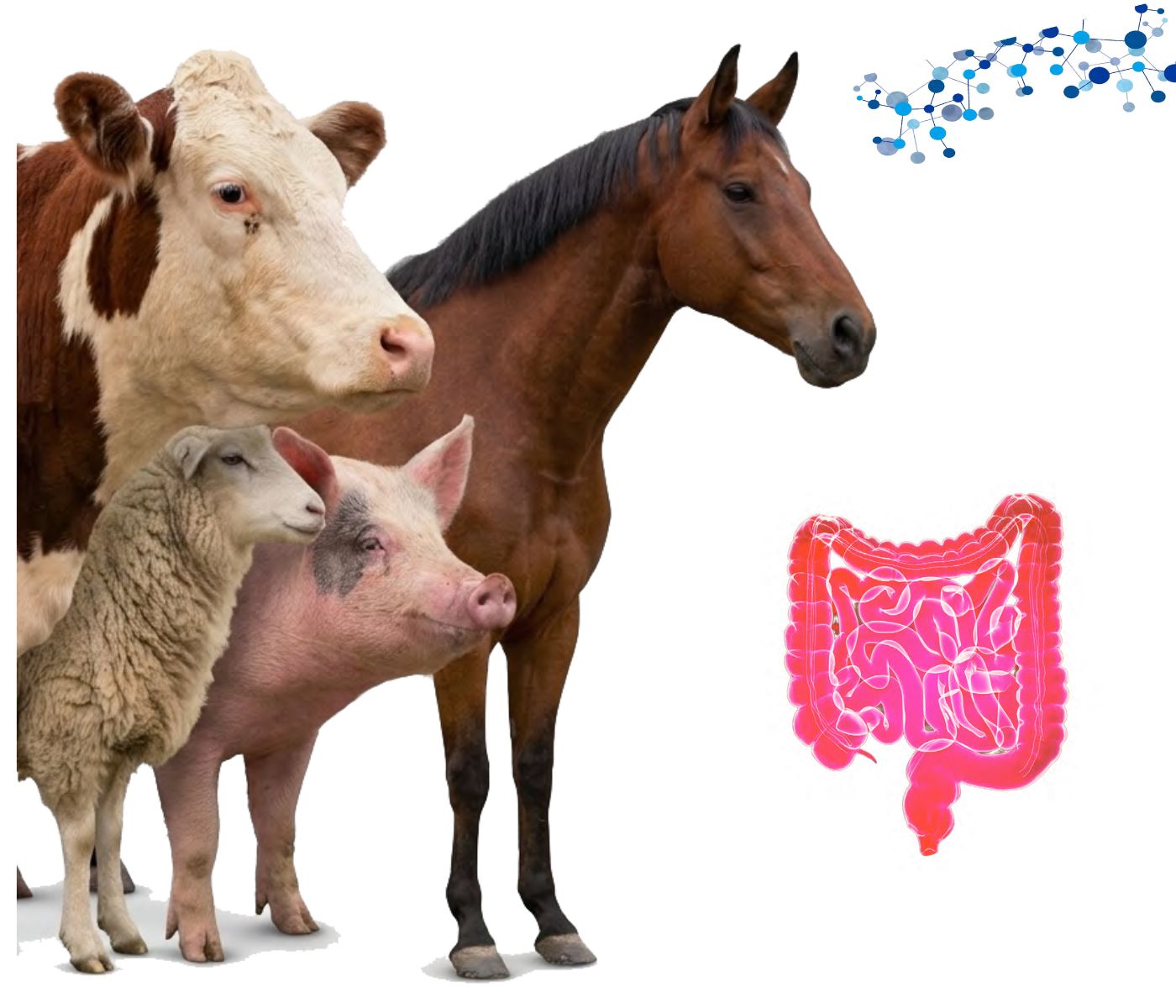
AO-Biotics® Amaferm®: Supporting Livestock Digestion and Performance

Interview with Güner Gövenç
Güner Gövenç,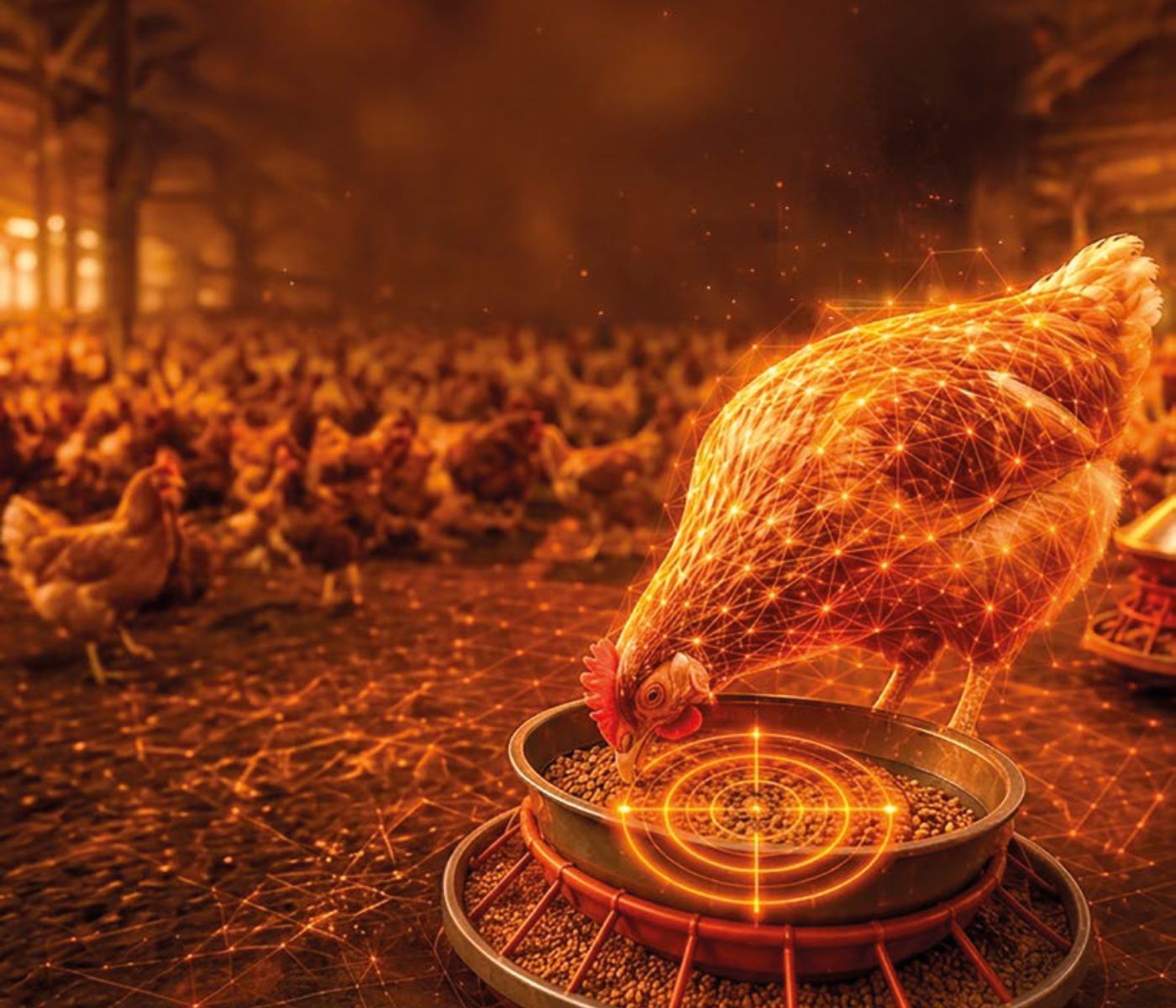
Net Energy and Precision Feeding Shape the Future of Poultry Nutrition
Edgar Oviedo
Mycotoxins in Swine: Health Risks and Nutritional Solutions
Giuseppe Carcò
Mycotoxins and Piglet Ear Necrosis: Cause, Cofactor or Coincidence?
Alberto Morillo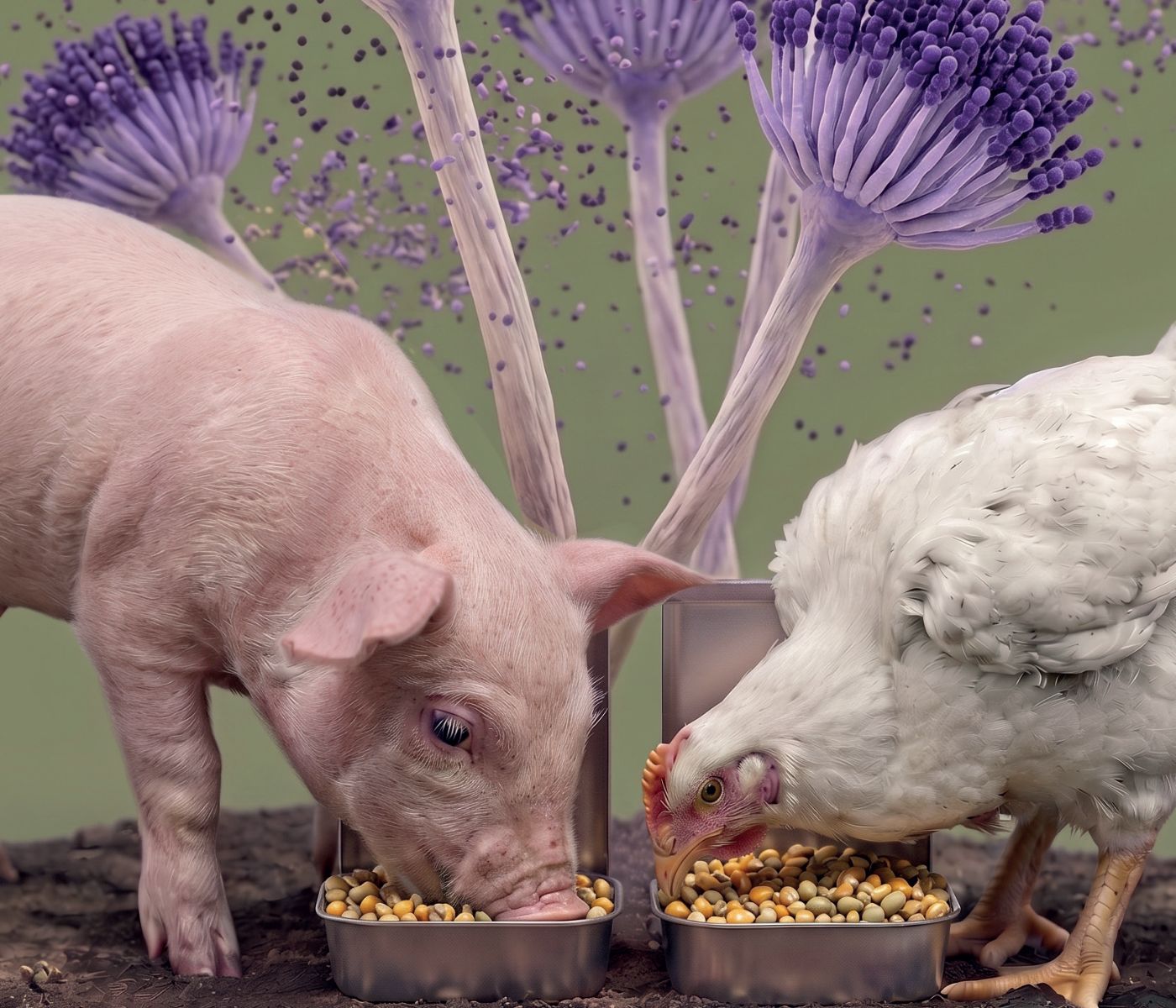
How Mycotoxins Affect Intestinal Health in Pigs and Poultry
Marcos Rostagno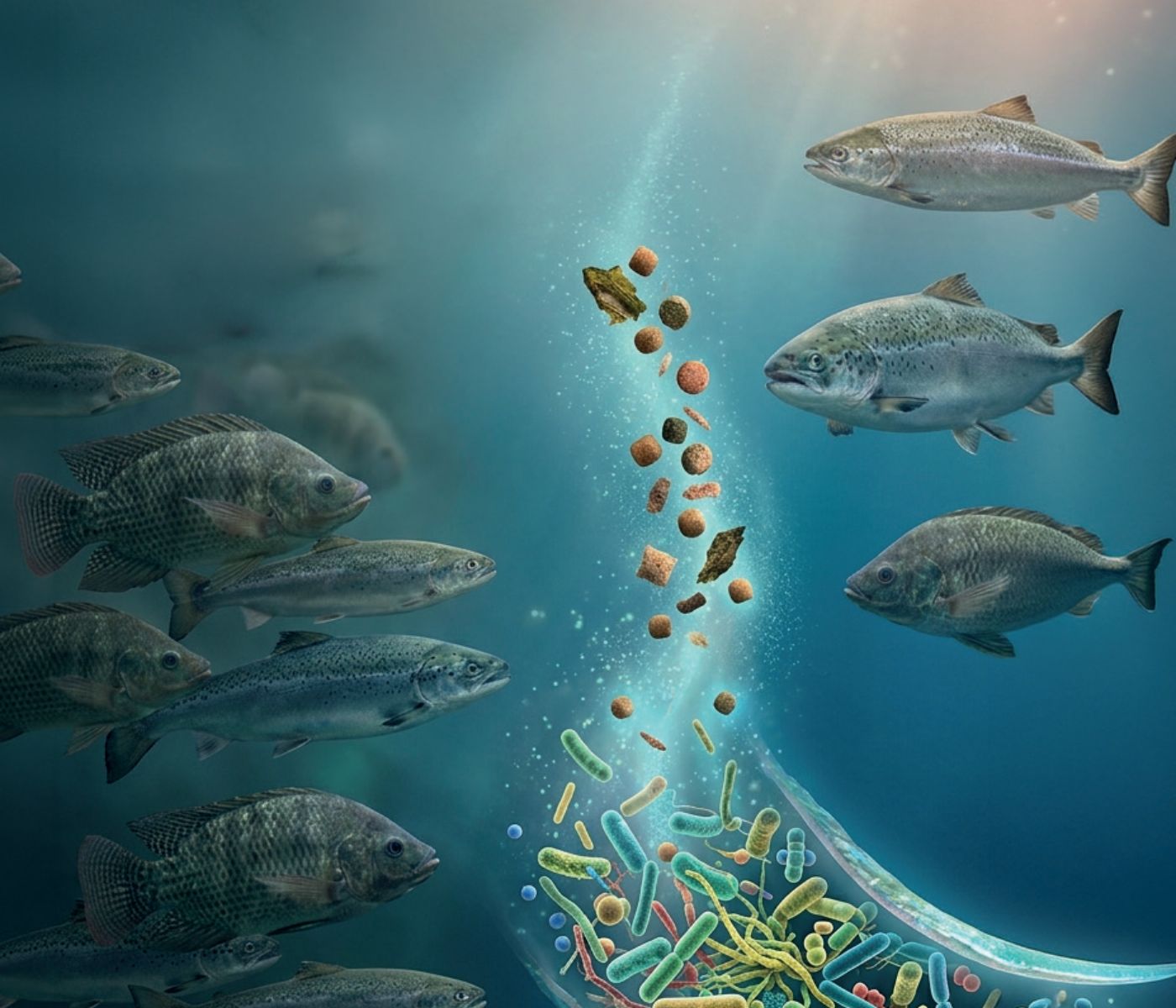
From Antibiotics to Functional Feeds in Aquaculture
Babatunde Saliu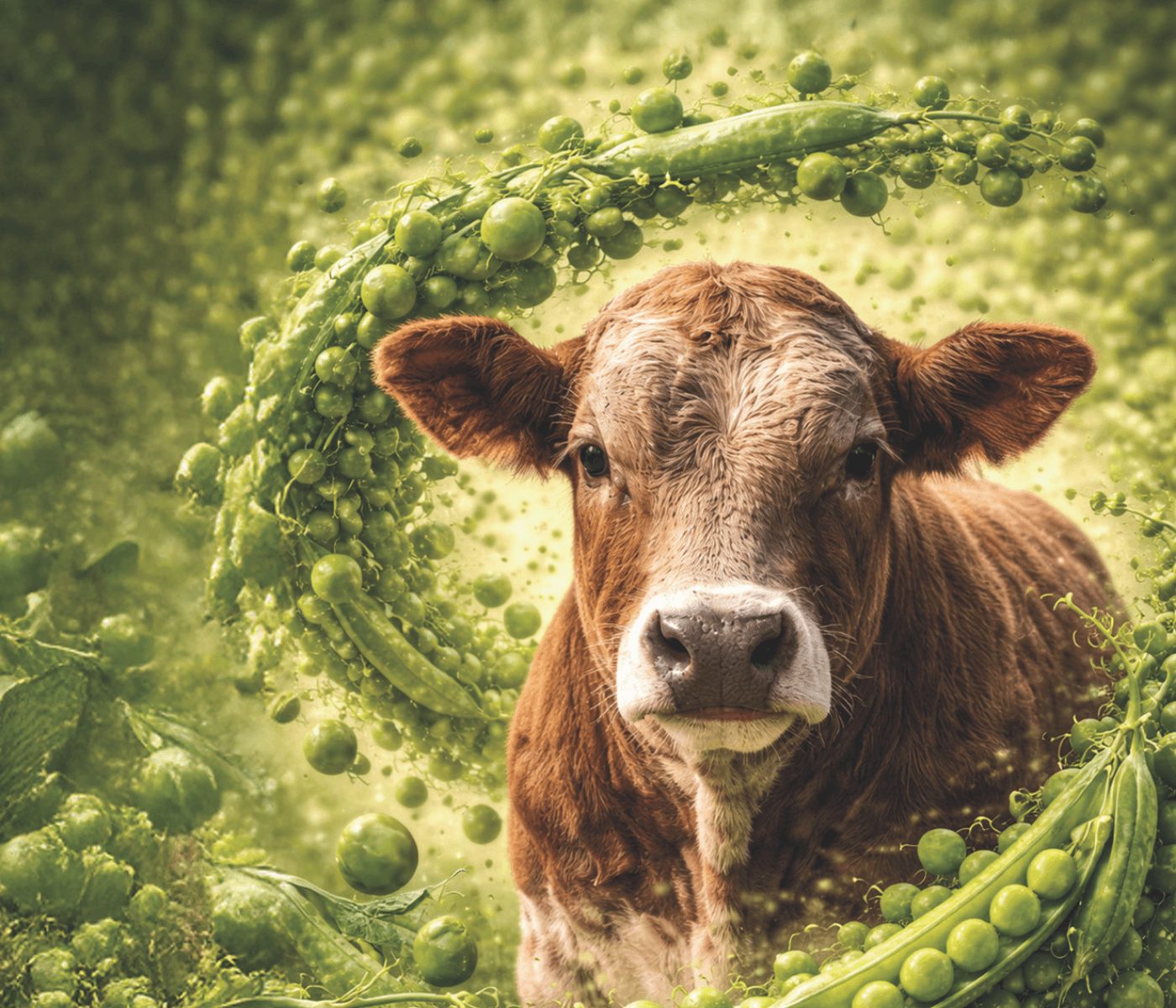
Peas as an Alternative to Soybean Meal in Beef Cattle Finishing Diets
Daniel Villalba Mata,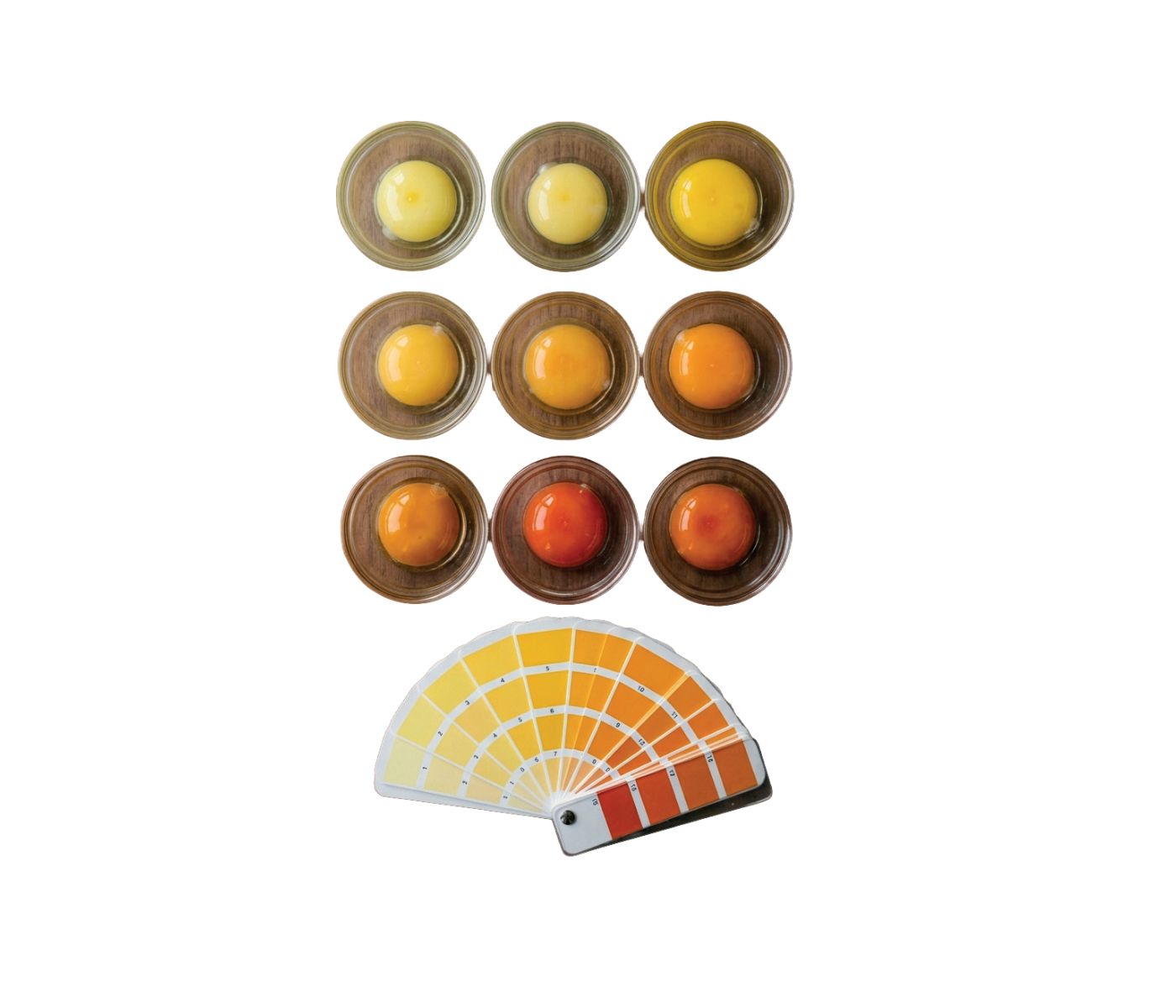
Improving Egg Yolk Pigmentation Through Better Nutrient Transport

Aquaculture and Aquaponics Nutrition: How Fish Shape the Growth of Greens
Trenton Corby
Consistency in Soybean Meal Drives Performance and Sustainability