 08 Feb 2022
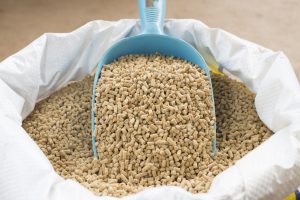
Microbial phytase is the most commonly used exogenous enzyme for monogastric animals’ feed. It can be produced using organisms including fungi, yeasts, and bacteria. Using submerged fermentation(SmF) as well as solid-state fermentation (SSF). Submerged fermentation (SmF) has largely been employed as a production technology for commercial phytases, but SSF has recently obtained more attention for large scale phytase production. The purity and quality depend on the type of strain, culture conditions, and the method of phytase production. SmF phytase production is commonly used due to its relatively straightforward operation, upscaling flexibility, and less variability.
Depending on their origin, phytases may have different degrees of thermostability, so high temperatures of extrusion during food processing can affect the residual activity of the enzyme. This information becomes a tool to consider when establishing the act final minimum activity expected from these enzymes in functional food. The characterization of phytases, prior to their use in extruded feed, is key to: estimate the degree of enzymatic dephosphorylation of phytate in the digestive system; define the absolute activity which will be required depending on the product used; and estimate the cost of using the enzyme additive in formula.
Feed enzymes (protease, xylanase, phytase, amylase, cellulase, lipase, b-glucanase) are the newest segment of the $5 billion animal nutrition market, which is growing fast. In the past decade, the global market for phytase has gradually increased over other feed enzymes especially due to the increasing demand for poultry and swine feed manufacturing. Currently, the phytase market will foresee a significant gain over 6% by 2025 with more than $1 billion market share. With the increasing demand for biofuel crops, most of the limited natural phosphates are used towards fertilizer production. This generates greater demand for phytase in feed utilization considering its added advantage in nutrition over inorganic P usage. Nontheless its correct use and applications remain a subject of great discussion.
Subscribe now to the technical magazine of animal nutrition
AUTHORS
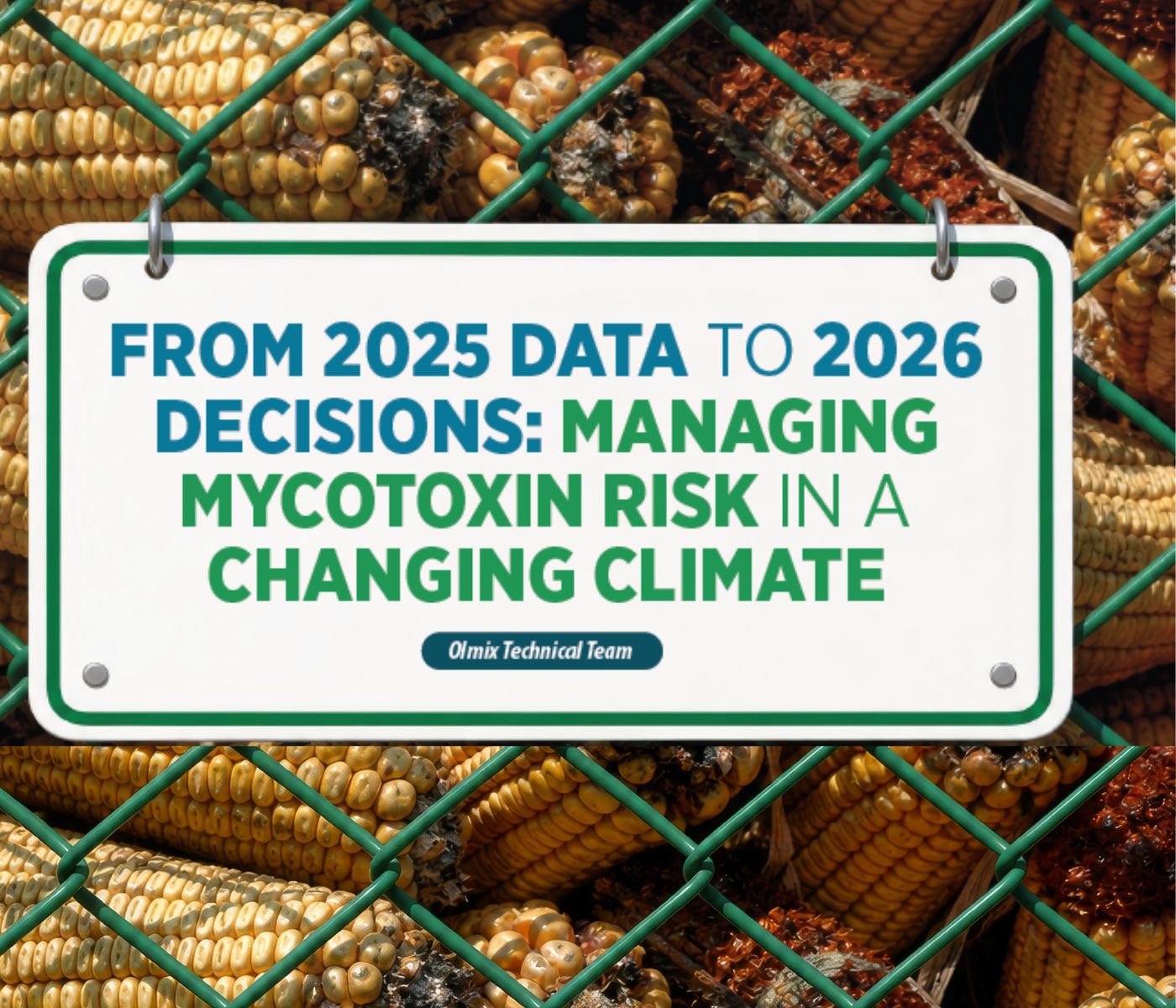
From 2025 Data to 2026 Decisions: Managing Mycotoxin Risk in a Changing Climate
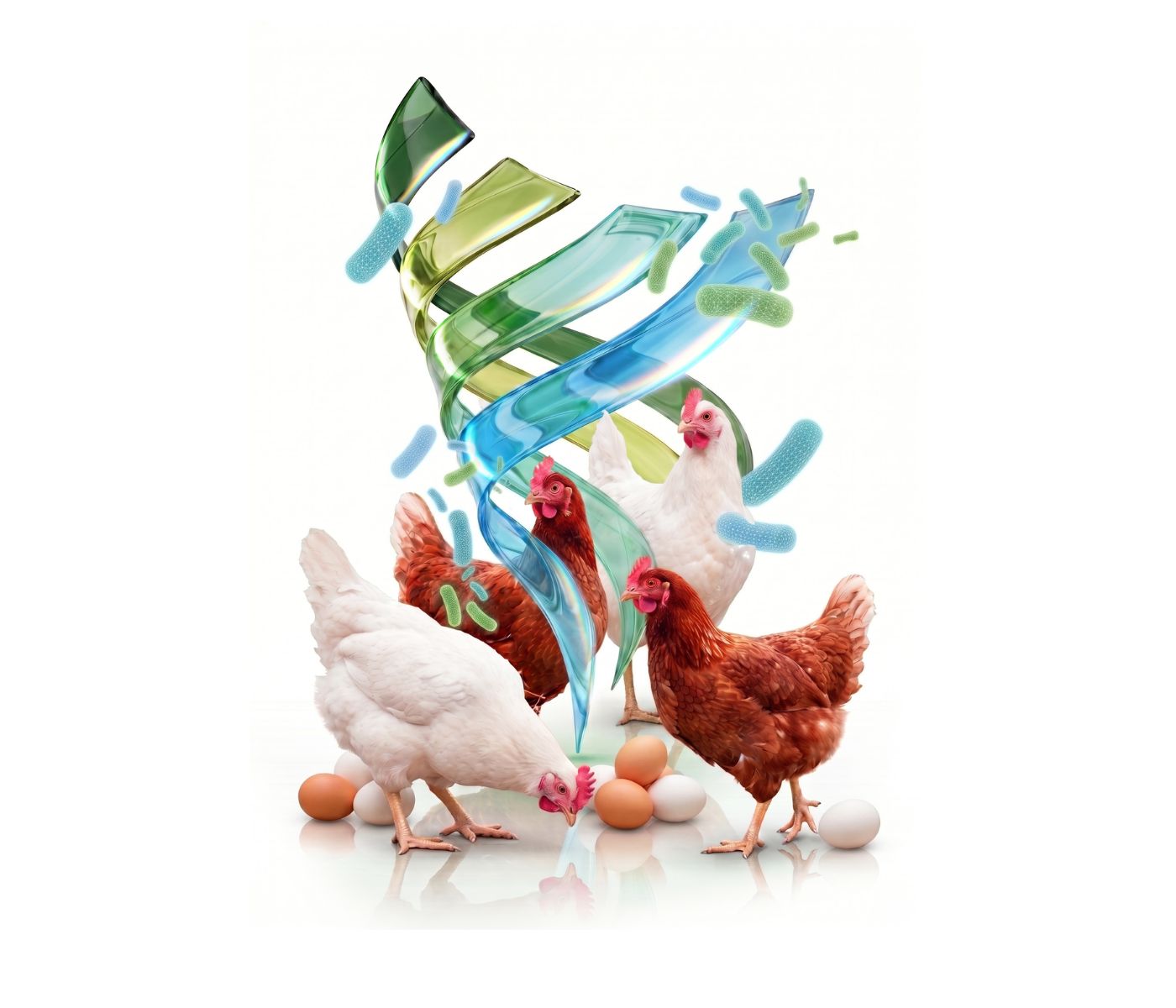
Alterion® NE Celebrates 10 Years of Poultry Gut Health Innovation
The Science Behind Kolin Plus: Beyond Choline Replacement
Summer Infertility in Sows: Managing Heat Stress and Reproductive Performance
AO-Biotics® Amaferm®: Supporting Livestock Digestion and Performance

Interview with Güner Gövenç
Güner Gövenç,
Net Energy and Precision Feeding Shape the Future of Poultry Nutrition
Edgar Oviedo
Mycotoxins in Swine: Health Risks and Nutritional Solutions
Giuseppe Carcò
Mycotoxins and Piglet Ear Necrosis: Cause, Cofactor or Coincidence?
Alberto Morillo
How Mycotoxins Affect Intestinal Health in Pigs and Poultry
Marcos Rostagno
From Antibiotics to Functional Feeds in Aquaculture
Babatunde Saliu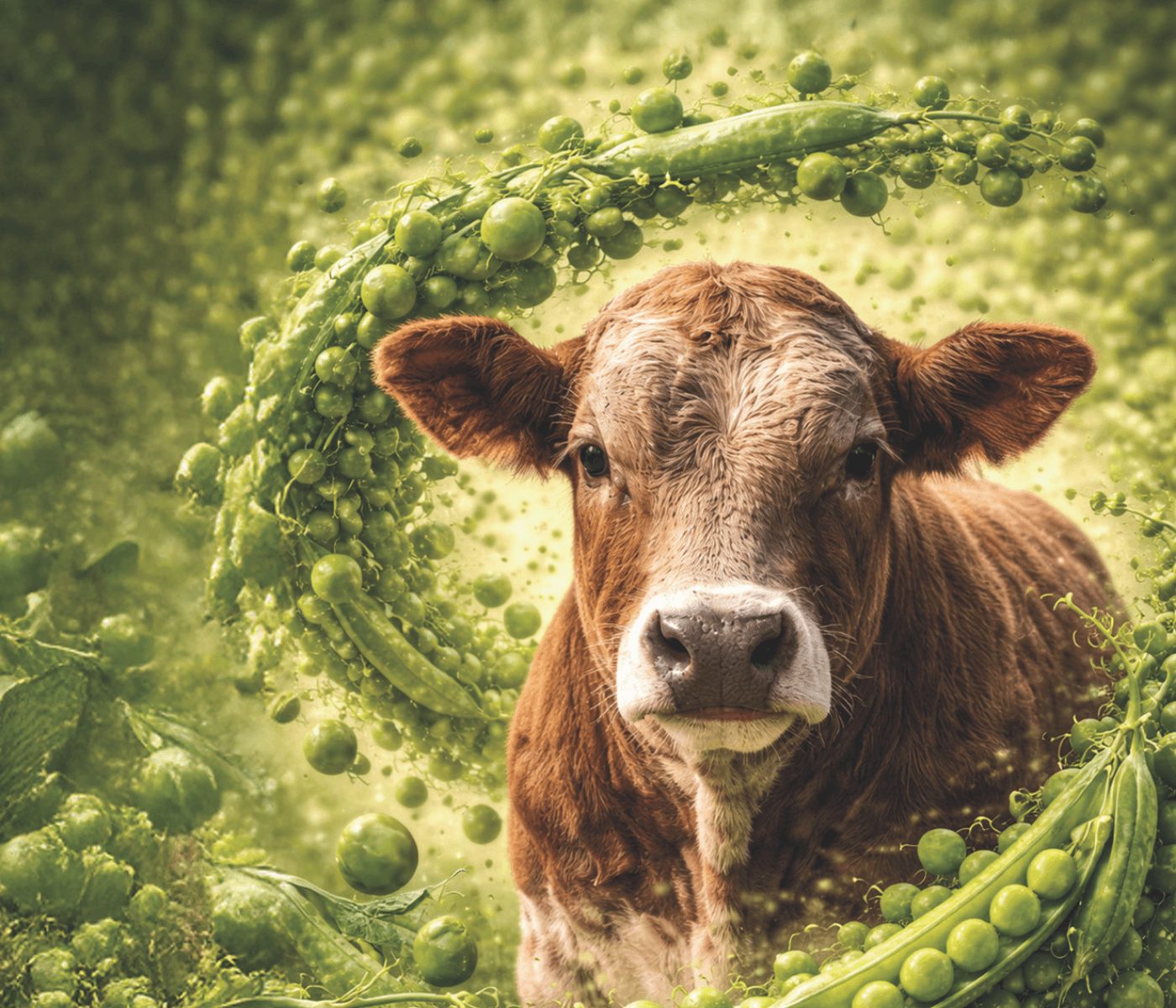
Peas as an Alternative to Soybean Meal in Beef Cattle Finishing Diets
Daniel Villalba Mata,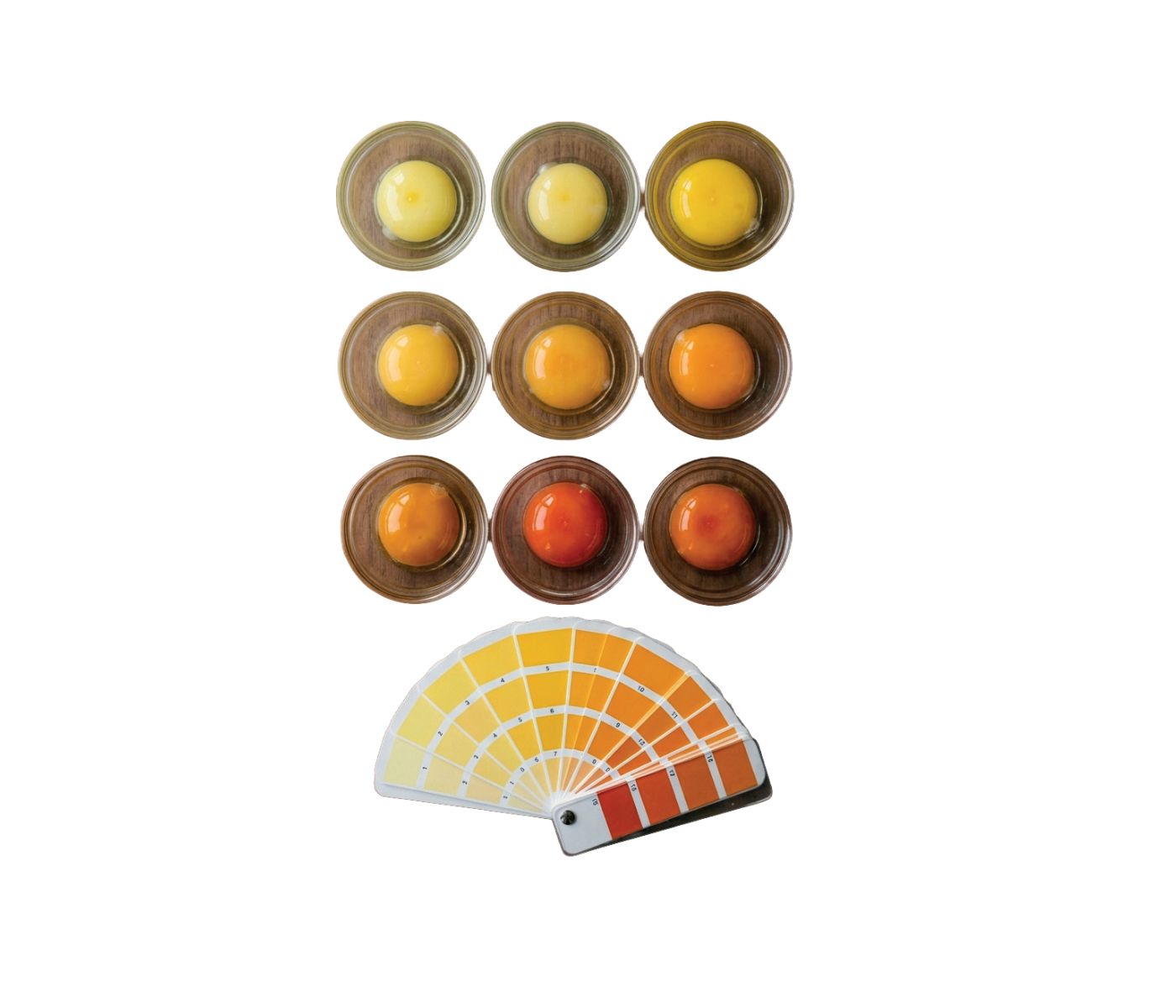
Improving Egg Yolk Pigmentation Through Better Nutrient Transport

Aquaculture and Aquaponics Nutrition: How Fish Shape the Growth of Greens
Trenton Corby
Consistency in Soybean Meal Drives Performance and Sustainability