 29 Aug 2022
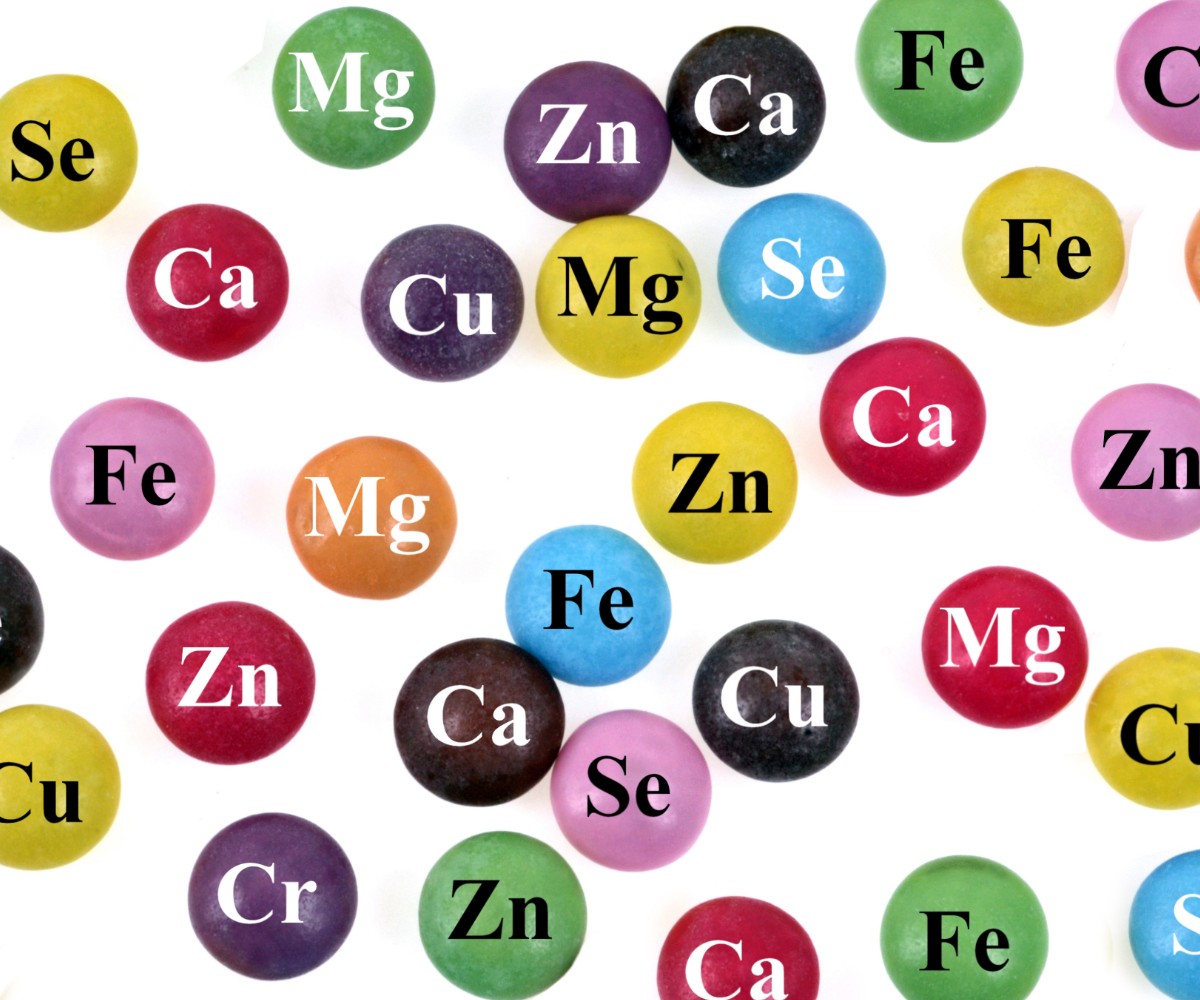
Trace elements are essential dietary components for organisms. They must be ingested in very small amounts, unlike macroelements. Concentrations of specific trace elements within the body are usually <50 mg/kg body weight, with the exception of iron (National Research Council, 2005).

Current recommendations in animal feeding in regards to trace minerals, include total dietary concentrations. This is due to the highly variable concentration levels and bioavailability of plant-based foods which many times don’t meet animal needs(Suttle, 2010).
In ruminants, there are special recommendations regarding Cobalt in order to address specific requirements of rumen microbiota and promote cobalamin synthesis.


Special forms have also been commercialized in recent years. From which the most significant are probabbly nanoparticles (e.g. nano ZnO).
Within the European Union, feed additives require authorisation in accordance with Regulation (EC) No 1831/2003. The authorisation procedure must ensure that a feed additive is safe for: the animals, personnel handling the product, consumers and the environment. This implies that trace element supplements are used in sufficient quantities in order to minimize total dietary concentrations needed. Avoiding excess accumulation in animals, edible products and the environment.

Defining “bioavailability”
The term bioavailability is often used as a synonym for absorption or retention capacity. However, this is misleading as it implies that trace elements are 100% bioavailable as long as they are present as an available chemical compound within the gastrointestinal (GI) tract.
The content of essential trace elements in the body is actively regulated by the intestinal barrier through specific absorption mechanisms, as well as various absorption and excretion mechanisms according to their metabolic state (Windisch, 2002).
Therefore, the bioavailability of a trace element source can be defined as its potential to supply the physiological functions dependent on that specific element, within the animal’s metabolism(O’Dell, 1984).
These physiological functions are closely related to the organism’s total requirements and the kinetics of that element within the body. In regards to animal nutrition,the bioavailability estimate is related to the estimate of gross requirements, which is expressed as:
“the minimum concentrations of total feed required to provide sufficient bioavailable quantities under ad libitum feeding conditions.”
Basic concepts of trace element metabolism

Subscribe now to the technical magazine of animal nutrition
AUTHORS
From 2025 Data to 2026 Decisions: Managing Mycotoxin Risk in a Changing Climate

Alterion® NE Celebrates 10 Years of Poultry Gut Health Innovation
The Science Behind Kolin Plus: Beyond Choline Replacement

Summer Infertility in Sows: Managing Heat Stress and Reproductive Performance
AO-Biotics® Amaferm®: Supporting Livestock Digestion and Performance

Interview with Güner Gövenç
Güner Gövenç,
Net Energy and Precision Feeding Shape the Future of Poultry Nutrition
Edgar Oviedo
Mycotoxins in Swine: Health Risks and Nutritional Solutions
Giuseppe Carcò
Mycotoxins and Piglet Ear Necrosis: Cause, Cofactor or Coincidence?
Alberto Morillo
How Mycotoxins Affect Intestinal Health in Pigs and Poultry
Marcos Rostagno
From Antibiotics to Functional Feeds in Aquaculture
Babatunde Saliu
Peas as an Alternative to Soybean Meal in Beef Cattle Finishing Diets
Daniel Villalba Mata,
Improving Egg Yolk Pigmentation Through Better Nutrient Transport

Aquaculture and Aquaponics Nutrition: How Fish Shape the Growth of Greens
Trenton Corby
Consistency in Soybean Meal Drives Performance and Sustainability