 07 Feb 2024
AMR and its implications for Public Health
Antimicrobial resistance (AMR) poses a significant threat to global public health, with studies highlighting the crucial role of animal agriculture in fueling its emergence and spread. Recognized as a pressing issue by the World Health Organization (WHO), AMR contributes to an estimated annual loss of 0.7 million lives and substantial economic damage. A staggering 73% of antibiotics are utilized in animal health and production sectors worldwide, serving as a primary catalyst for the proliferation of AMR.
Understanding the animal production context in Southeast Asia
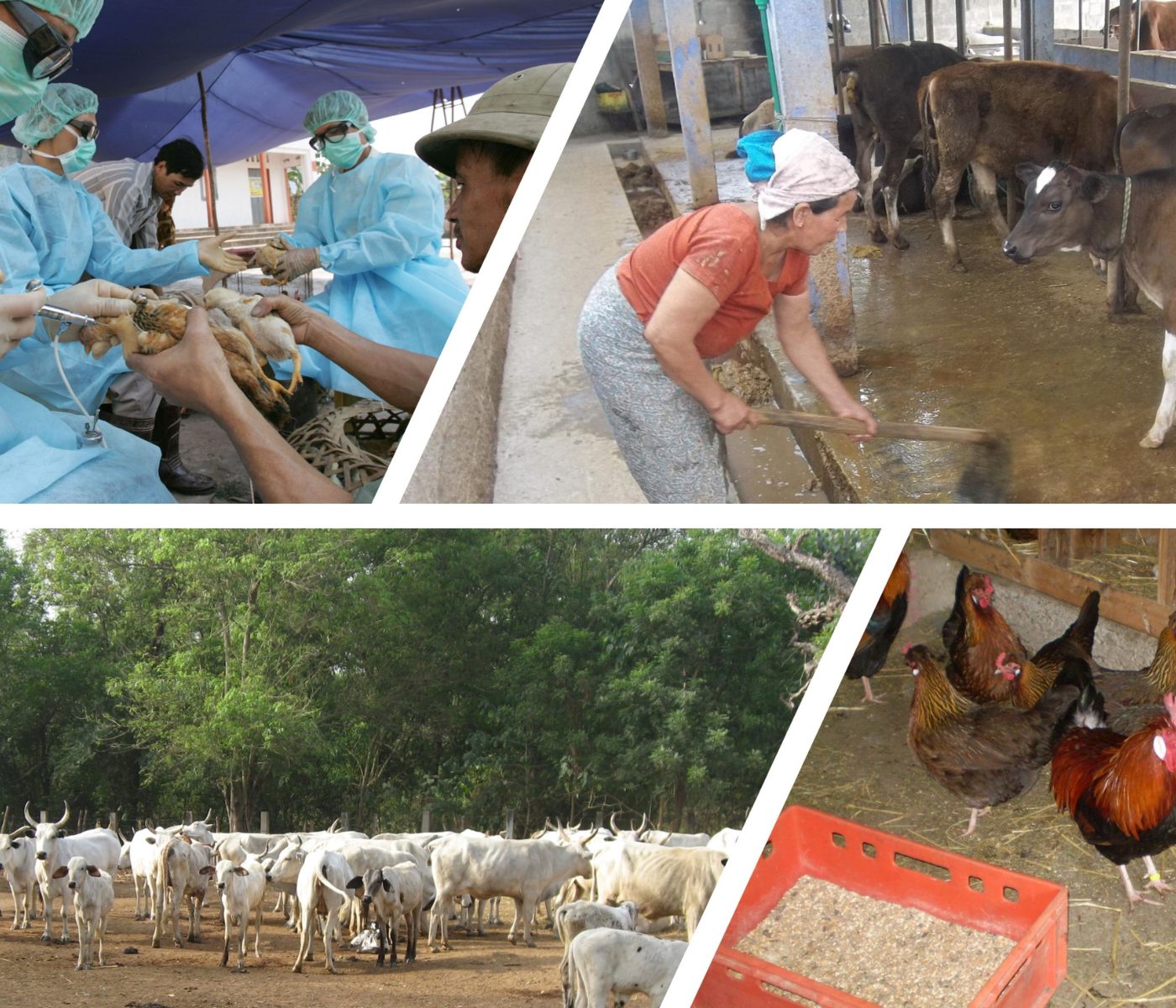
Southeast Asia’s food animal production is undergoing a transition towards more intensive systems, leading to increased reliance on antimicrobials to enhance animal health and productivity. However, this intensification exacerbates the challenge of AMR, as highlighted by WHO’s designation of certain classes of antibiotics as Critically Important Antibiotics (CIA), Highly Important Antibiotics (HIA), and Important Antibiotics (IA) for judicious use in human and veterinary medicine. Despite WHO’s guidelines, surveillance for AMR and antimicrobial use (AMU) in animal production and aquaculture sectors remains limited in Southeast Asian countries.

Addressing a complex scenario
To address this gap, a comprehensive literature review spanning from 2011 to 2020 was conducted for eleven WHO member countries in the South-East Asia Region (SEAR). This review aimed to assess the extent of antibiotic use and resistance in Southeast Asia and its implications for food safety and public health. From an initial pool of 1190 publications, 108 studies were deemed relevant and included in the review, originating from seven countries in the WHO South-East Asia Region.
Literature Review Insights


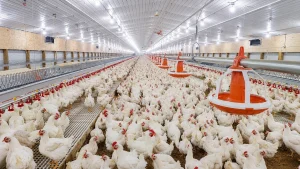
Findings from the review revealed diverse antibiotic usage patterns across different countries and production types. For example, in Bangladesh, the majority of antibiotic use in poultry production was for prophylaxis, with colistin being the most commonly used antibiotic. Similarly, in India, antibiotics such as ciprofloxacin and nalidixic acid were frequently utilized in poultry farms, often for therapeutic purposes and growth promotion. Aquaculture also witnessed significant antibiotic usage, primarily for disease control.
Persistent Challenges
Despite efforts to curb antimicrobial misuse, challenges persist. Farmers often justify antibiotic use for disease prevention and productivity enhancement, leading to widespread misuse of antimicrobials in food animals. Strengthening judicious animal health services, raising farmer awareness, and promoting alternatives to antibiotics are essential steps in mitigating the emergence and spread of AMR in Southeast Asia’s food animal production.
In conclusion, combating antimicrobial resistance requires concerted efforts from governments, international organizations, researchers, and local communities. Establishing a robust and harmonized regional framework for monitoring and regulating antimicrobial use, promoting alternatives to antibiotics, and fostering international partnerships within the “One Health” context are essential for effectively addressing this pressing global health challenge in Southeast Asia and beyond.
Subscribe now to the technical magazine of animal nutrition
AUTHORS
From 2025 Data to 2026 Decisions: Managing Mycotoxin Risk in a Changing Climate
Alterion® NE Celebrates 10 Years of Poultry Gut Health Innovation
The Science Behind Kolin Plus: Beyond Choline Replacement
Summer Infertility in Sows: Managing Heat Stress and Reproductive Performance
AO-Biotics® Amaferm®: Supporting Livestock Digestion and Performance

Interview with Güner Gövenç
Güner Gövenç,
Net Energy and Precision Feeding Shape the Future of Poultry Nutrition
Edgar Oviedo
Mycotoxins in Swine: Health Risks and Nutritional Solutions
Giuseppe Carcò
Mycotoxins and Piglet Ear Necrosis: Cause, Cofactor or Coincidence?
Alberto Morillo
How Mycotoxins Affect Intestinal Health in Pigs and Poultry
Marcos Rostagno
From Antibiotics to Functional Feeds in Aquaculture
Babatunde Saliu
Peas as an Alternative to Soybean Meal in Beef Cattle Finishing Diets
Daniel Villalba Mata,
Improving Egg Yolk Pigmentation Through Better Nutrient Transport

Aquaculture and Aquaponics Nutrition: How Fish Shape the Growth of Greens
Trenton Corby
Consistency in Soybean Meal Drives Performance and Sustainability