 17 Nov 2022
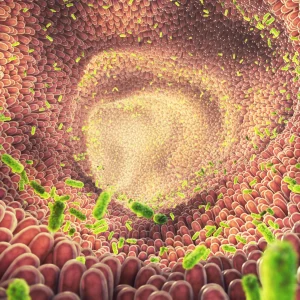
Bacillus spp. hold a clear advantage over other probiotics due to their ability to sporulate and proliferate within the gastrointestinal tract (GIT) of animals.
The use of antibiotic growth promoters (AGPs) in animal diets has been a cause for concern due to the emergence of antibiotic-resistant bacteria, which are associated with human and animal diseases.This has led to AGP bans in many countries around the globe.
| Excessive antibiotic use implies the emergence and transfer of gene resistance between bacteria. It also causes an imbalance in normal microflora and a reduction of beneficial intestinal bacteria. |
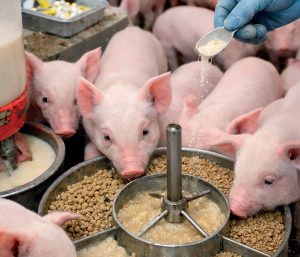
Therefore, probiotics are becoming increasingly popular as considerable safe alternatives to replace and reduce antibiotics as a viable solution to save the livestock sector, especially for young animals such as broilers and piglets.
Probiotics are defined as a preparation containing known viable or inactivated bacteria and are generally recognized as safe. It is also considered that the administration of probiotics or direct feeding microbes (DFMs) in adequate amounts, confers “health benefits for the host.”
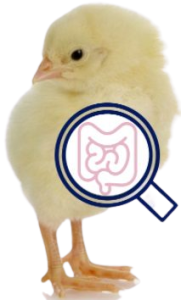
Probiotics occupy an important place due to their beneficial impact on host body weight, growth performance, improved health profile, as well as intestinal immunity through the regulation of metabolism and bacterial composition in this area.

Before a probiotic product can be included in poultry feed, it is essential to assess its stability (viability and growth) under the simulation of harsh gastrointestinal tract (GIT) conditions.
A probiotic must retain less than 1 x 10⁶ CFU g-1, for its inclusion level(Millette et al., 2013).
 Probiotics improve digestion and nutrient absorption by inhibiting potentially pathogenic bacteria, regulating intestinal distress (Ding et al., 2021), and modulating the gut microbiota, which plays a critical role in maintaining a beneficial health status.
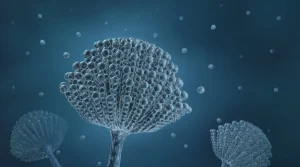
Morphologically, Bacillus species have rod-shaped cells with square or rounded ends between 0.5 x 1.2 to 2.5 x 10 ÿm, which present themselves individually or in chains. The stability of the chains determines the shape of the colony, which may differ from strain to strain.


Subscribe now to the technical magazine of animal nutrition
AUTHORS
From 2025 Data to 2026 Decisions: Managing Mycotoxin Risk in a Changing Climate
Alterion® NE Celebrates 10 Years of Poultry Gut Health Innovation
The Science Behind Kolin Plus: Beyond Choline Replacement
Summer Infertility in Sows: Managing Heat Stress and Reproductive Performance
AO-Biotics® Amaferm®: Supporting Livestock Digestion and Performance

Interview with Güner Gövenç
Güner Gövenç,
Net Energy and Precision Feeding Shape the Future of Poultry Nutrition
Edgar Oviedo
Mycotoxins in Swine: Health Risks and Nutritional Solutions
Giuseppe Carcò
Mycotoxins and Piglet Ear Necrosis: Cause, Cofactor or Coincidence?
Alberto Morillo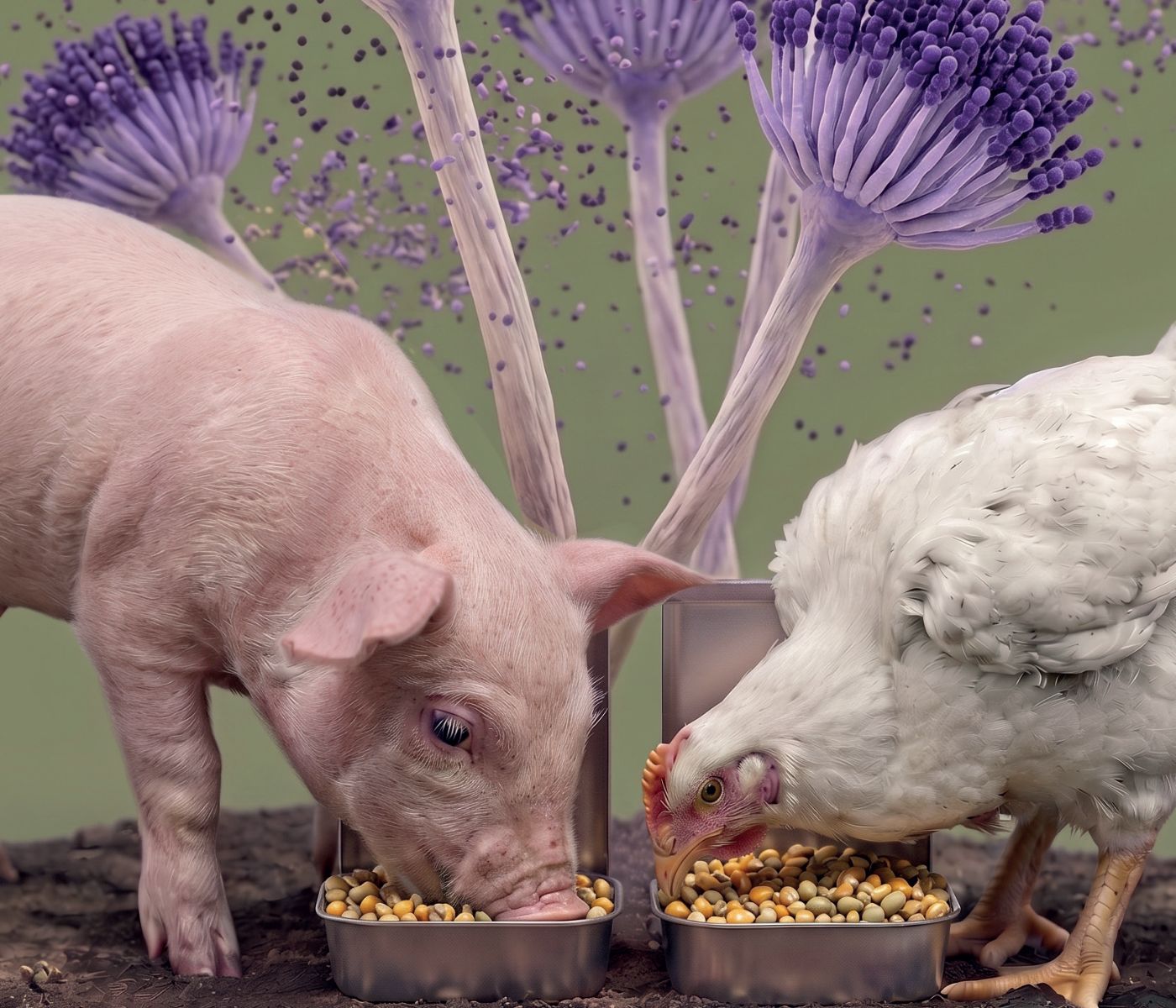
How Mycotoxins Affect Intestinal Health in Pigs and Poultry
Marcos Rostagno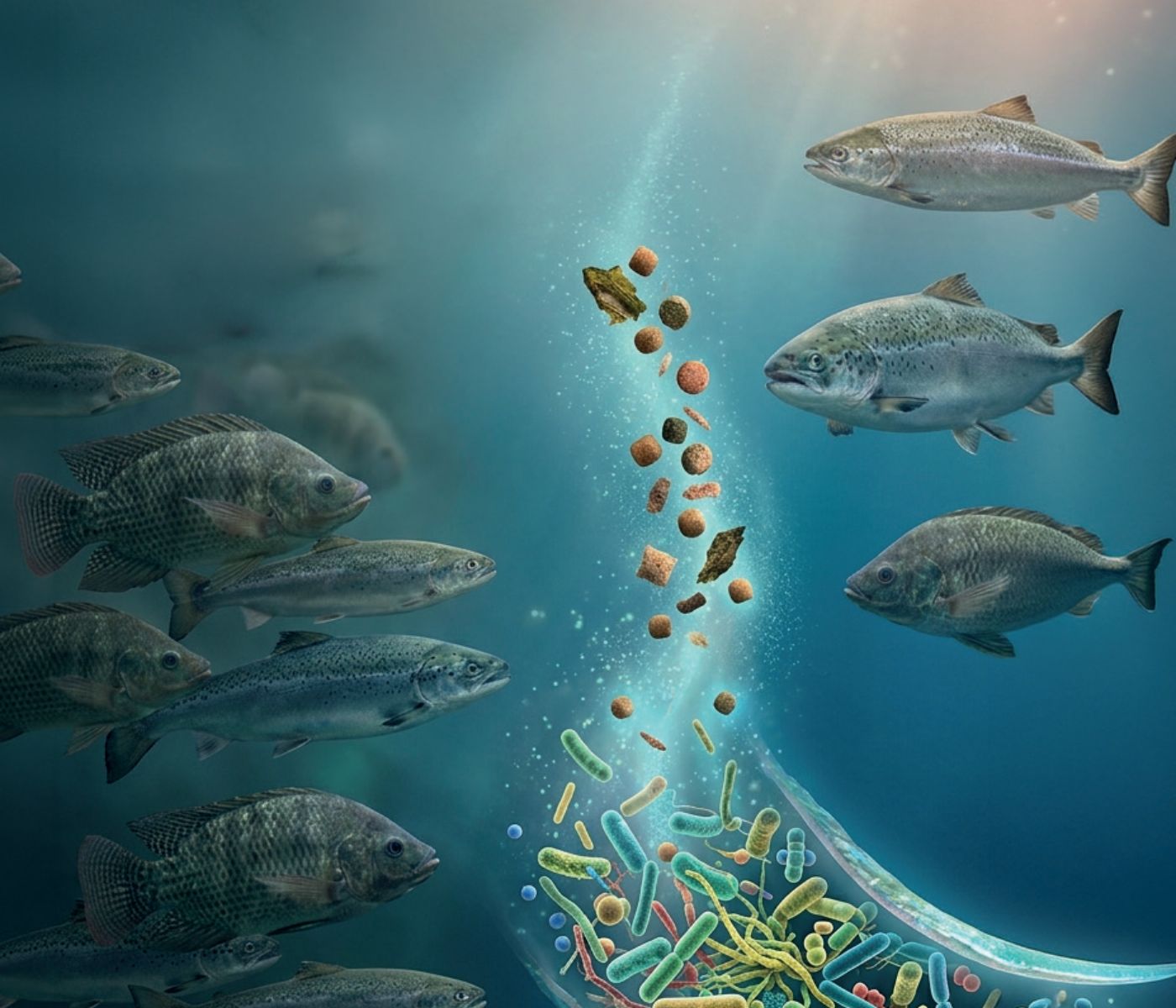
From Antibiotics to Functional Feeds in Aquaculture
Babatunde Saliu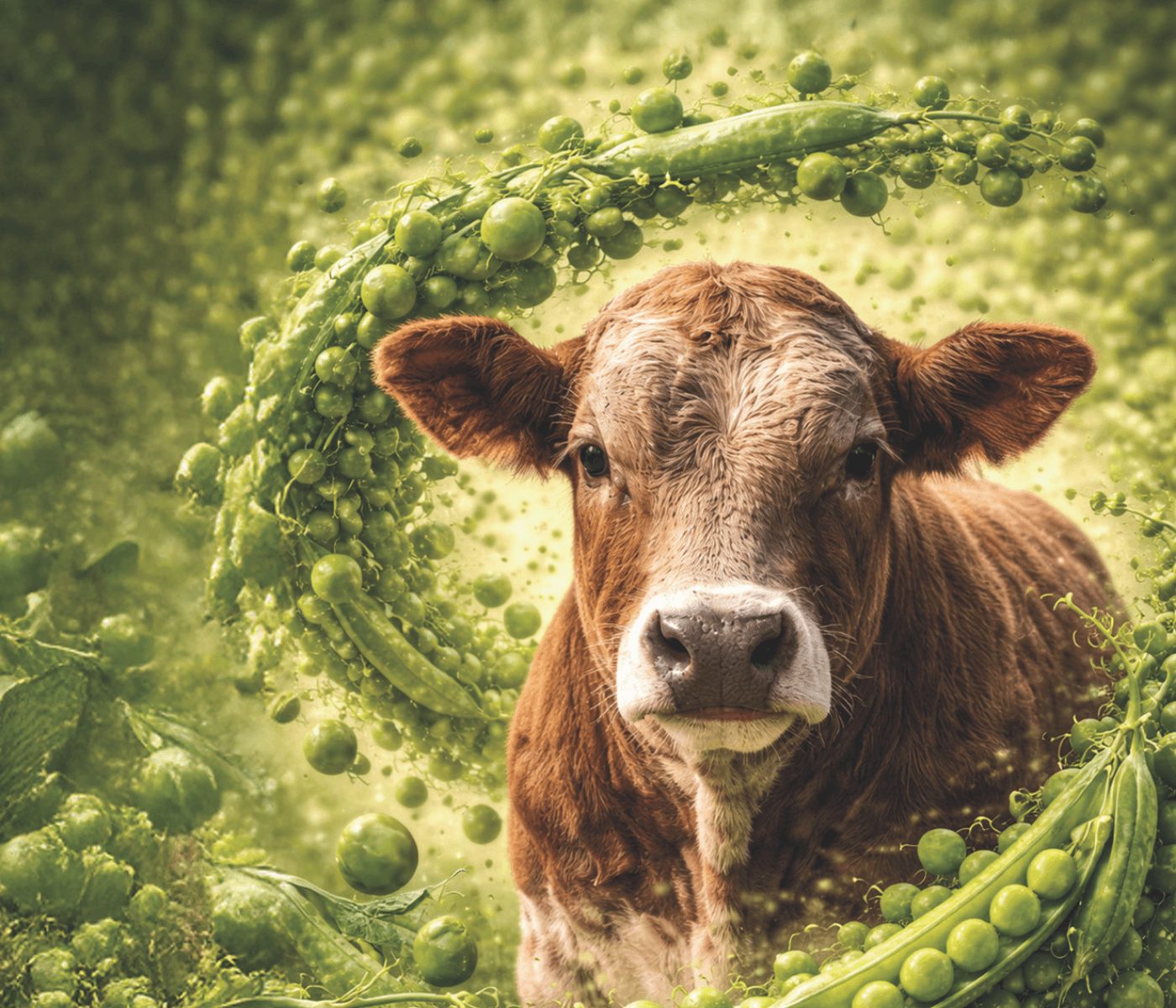
Peas as an Alternative to Soybean Meal in Beef Cattle Finishing Diets
Daniel Villalba Mata,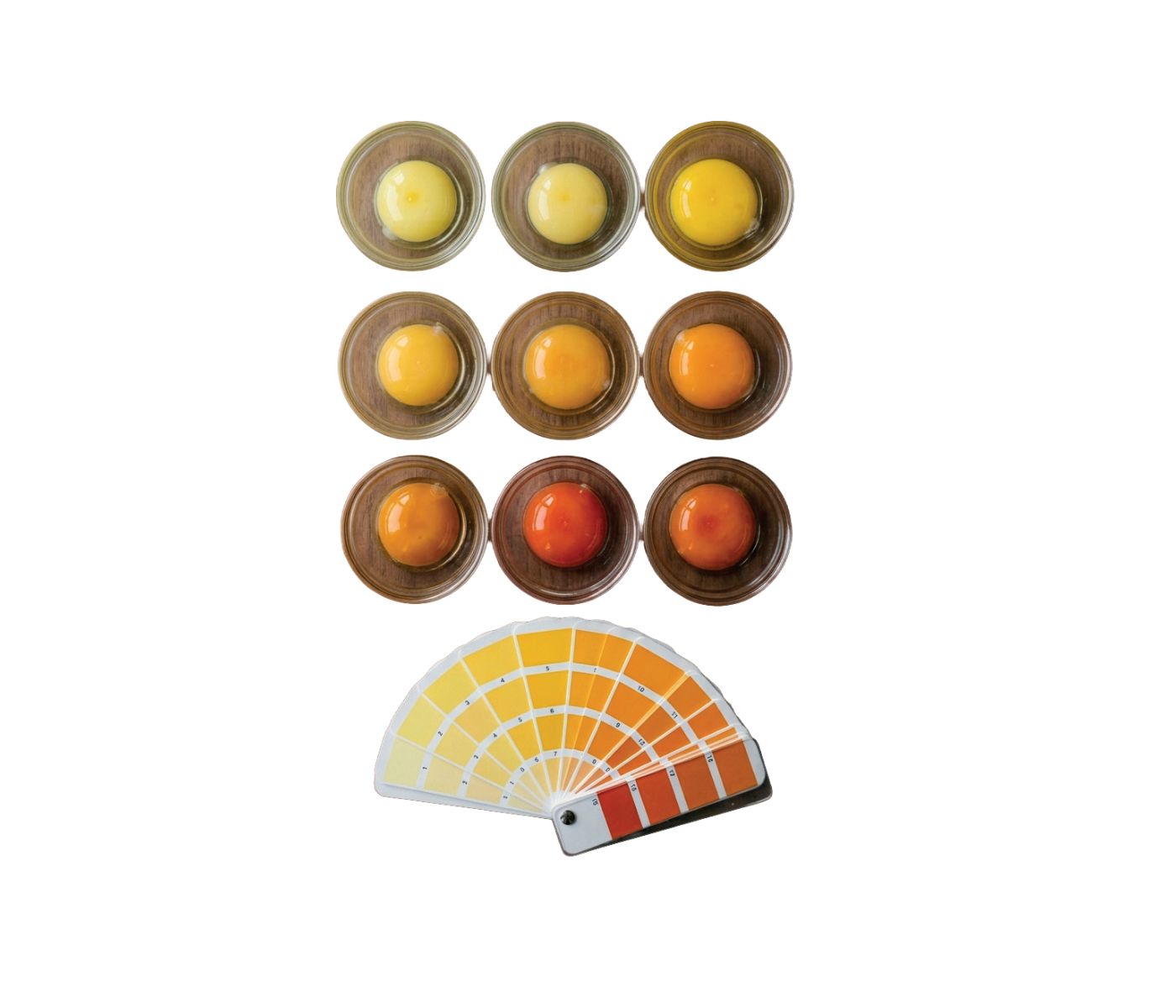
Improving Egg Yolk Pigmentation Through Better Nutrient Transport

Aquaculture and Aquaponics Nutrition: How Fish Shape the Growth of Greens
Trenton Corby
Consistency in Soybean Meal Drives Performance and Sustainability