 28 Feb 2023
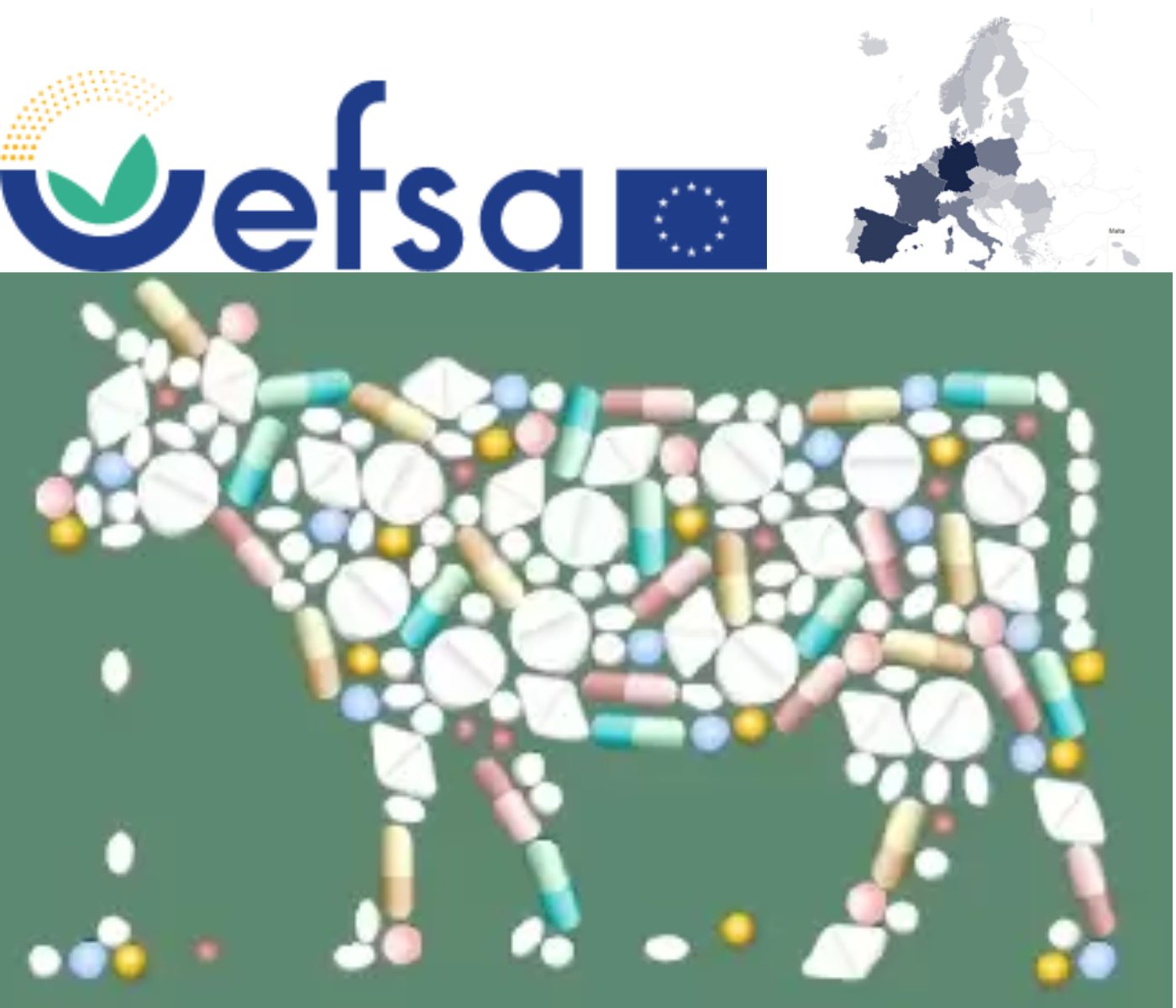
EFSA issues a report on the status of residues found in products of animal origin.
The presence of residues of veterinary medicinal products or chemical contaminants in food poses a serious risk factor for public health. Under this context, the EU legislative framework has established maximum limits permitted in food for such substances. As well as setting forth monitoring programmes to control the presence of such substances within food chains.
Regulation (EU) No 37/2010 establishes maximum residue limits for residues of veterinary medicinal products in food-producing animals and animal products. Maximum residue levels for pesticides in or on food and feed of plant and animal origin are laid down in Regulation (EC) No 396/2005. Commission Regulation (EC) 1881/2006 lays down the maximum levels for the presence of certain contaminants in animal products. Council Directive 96/23/EC lays down measures to monitor certain substances and residues thereof, mainly veterinary medicinal products, in live animals and animal products. Additionally, Commission Decision 97/747/EC lays down levels and frequencies of sampling for certain animal products.
The European Commission (EC) requested the assistance of the European Food Safety Authority (EFSA) to collect data obtained by the following Member States:
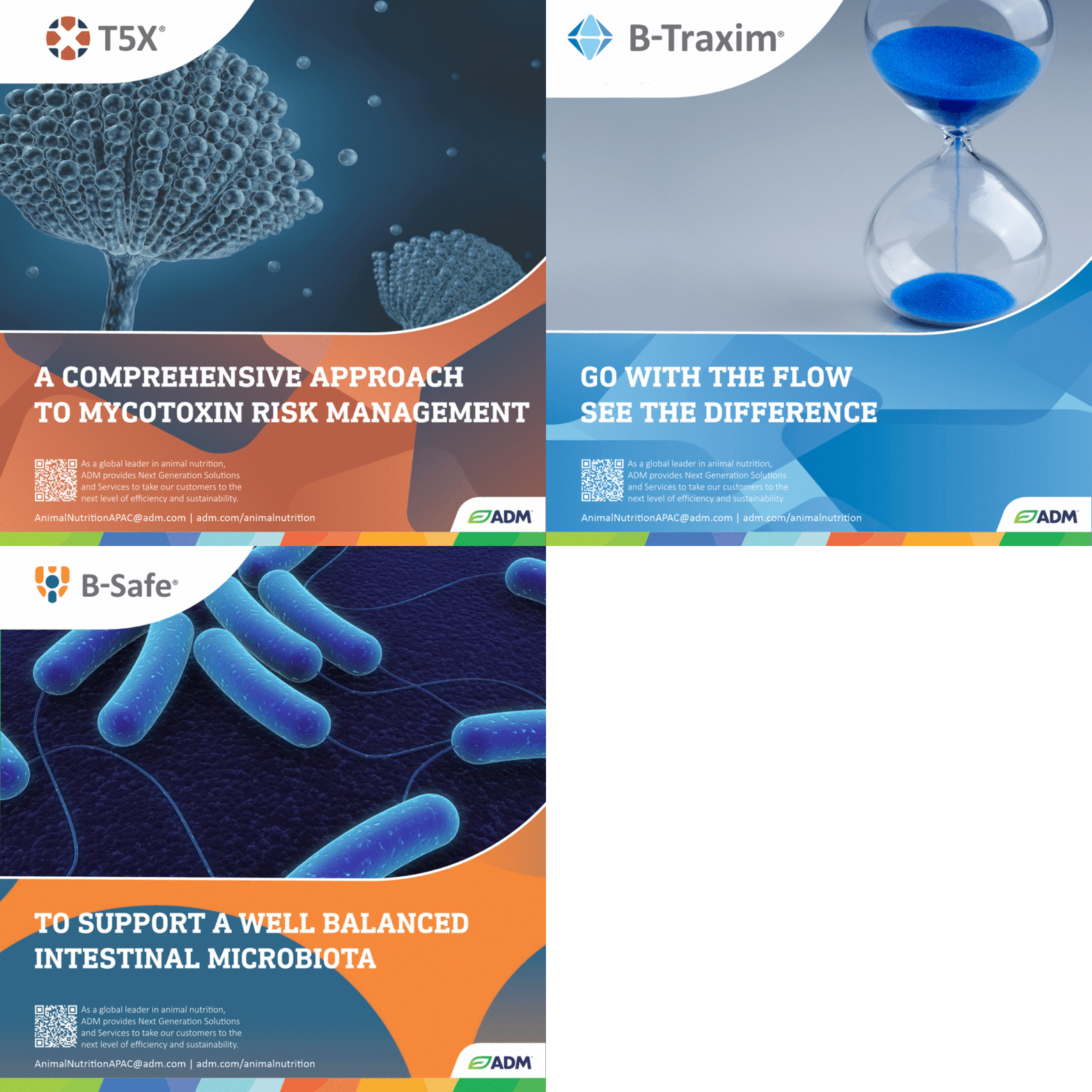
in accordance with Directive 96/23/EC.
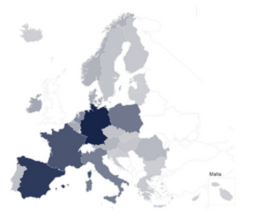
In 2021, 27 out of 27 European Union (EU) Member States, reported the results of 621,205 samples taken under the framework of Article 31 of Regulation EC 178/2002, for residue monitoring. A total of 351,637 targeted samples and 4,562 suspect samples were reported under Council Directive 96/23/EC.


Additionally, 262,203 samples collected in the framework of other programmes developed under the national legislation and 2,803 samples checked at import, were reported.
A report was issued analyzing the data from targeted samples reported under Council Directive 96/23/EC. The report covers various substance groups including hormones, antibacterials, environmental contaminants, prohibited substances and other veterinary drugs. Meanwhile samples that were collected under different sampling strategies (suspect, import or ‘other’) were reported separately. Considering the fact that these did not follow the guidelines of a designed monitoring plan.

Highlights of the Report
Final remarks
Residues of veterinary drugs and other substances found in animals and animal-derived food continue to decline in the European Union and compliance levels are on the rise, the latest data reveals.
You may also like to read: “European Commission approves a variety of GM rapeseed oil for its use in feed”
Source: https://www.efsa.europa.eu/en


Subscribe now to the technical magazine of animal nutrition
AUTHORS
From 2025 Data to 2026 Decisions: Managing Mycotoxin Risk in a Changing Climate
Alterion® NE Celebrates 10 Years of Poultry Gut Health Innovation
The Science Behind Kolin Plus: Beyond Choline Replacement
Summer Infertility in Sows: Managing Heat Stress and Reproductive Performance
AO-Biotics® Amaferm®: Supporting Livestock Digestion and Performance

Interview with Güner Gövenç
Güner Gövenç,
Net Energy and Precision Feeding Shape the Future of Poultry Nutrition
Edgar Oviedo
Mycotoxins in Swine: Health Risks and Nutritional Solutions
Giuseppe Carcò
Mycotoxins and Piglet Ear Necrosis: Cause, Cofactor or Coincidence?
Alberto Morillo
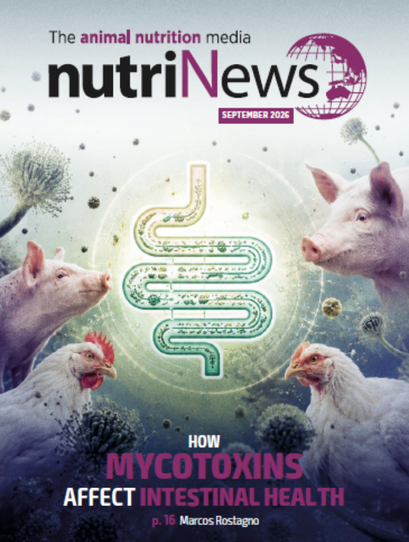
How Mycotoxins Affect Intestinal Health in Pigs and Poultry
Marcos Rostagno
From Antibiotics to Functional Feeds in Aquaculture
Babatunde Saliu
Peas as an Alternative to Soybean Meal in Beef Cattle Finishing Diets
Daniel Villalba Mata,
Improving Egg Yolk Pigmentation Through Better Nutrient Transport

Aquaculture and Aquaponics Nutrition: How Fish Shape the Growth of Greens
Trenton Corby
Consistency in Soybean Meal Drives Performance and Sustainability