 07 Jul 2023
Glyphosate, the active ingredient in the widely used herbicide Roundup, has become one of the most contentious topics in modern agriculture. Introduced in the 1970s, glyphosate revolutionized weed control, offering farmers an effective and efficient solution to combat unwanted vegetation. Its broad-spectrum nature and systemic action made it a popular choice for weed management in various crops.

However, over the years, concerns about the safety and environmental impact of glyphosate have sparked intense debate and controversy. Opponents argue that glyphosate is associated with health risks, including the potential to cause cancer and disrupt hormonal systems. Environmentalists raise concerns about its impact on biodiversity, soil health, and water contamination.

The controversy surrounding glyphosate gained significant attention after the International Agency for Research on Cancer (IARC), a specialized agency of the World Health Organization (WHO), classified glyphosate as a “probable human carcinogen” in 2015. This classification contradicted the findings of regulatory bodies, such as the European Food Safety Authority (EFSA) and the U.S. Environmental Protection Agency (EPA), which deemed glyphosate safe when used according to approved guidelines.
The conflicting assessments have led to a polarized and highly charged public debate, pitting industry representatives, farmers, and some regulatory agencies against environmental activists, health advocates, and concerned citizens. This controversy has prompted widespread discussions about the regulation of pesticides, the influence of industry interests, and the role of scientific research in decision-making.


The European Food Safety Authority (EFSA) has released its initial findings on the risk assessment of glyphosate, the widely discussed herbicide. In its evaluation, EFSA did not identify any significant areas of concern. This science-based approach to risk assessment has always been supported by farmers and agri-cooperatives, as it prioritizes the protection of human, animal, and environmental health. Copa Cogeca, the united voice of farmers and agri-cooperatives in the EU, spoke out in support of EFSA’s preliminary assessment on the use of glyphosate.
Copa and Cogeca
Copa and Cogeca represent farmers and agri-cooperatives in the European Union, working together to promote sustainable, innovative, and competitive agriculture while safeguarding food security for the European population.
 As the European Union prepares to take a decision regarding the reauthorization of glyphosate, a crucial political question arises:
Will the Commission follow EFSA’s recommendations or yield to communication campaigns and initiatives driven by narratives that contradict scientific evidence?
Copa Cogeca emphasizes the importance of equipping European producers with the necessary tools, developed in line with the latest scientific advancements. Glyphosate is a vital herbicide used to control weeds that compete with crops or act as hosts for pests and diseases. It is primarily applied between crops, maintaining plant cover and minimizing excessive tillage.
It is crucial that decisions regarding glyphosate are based on scientific evidence and not influenced by unfounded narratives. European agriculture needs to remain sustainable, innovative, and competitive while ensuring food security for the 500 million people across Europe.
As policymakers, farmers, and consumers grapple with the issue, finding a balance between ensuring food production, protecting human health, and safeguarding the environment remains a complex challenge. The future of glyphosate and its place in modern agriculture will continue to be shaped by ongoing scientific studies, regulatory decisions, and public opinion.
Source: www.copa-cogeca.eu.
Subscribe now to the technical magazine of animal nutrition
AUTHORS
From 2025 Data to 2026 Decisions: Managing Mycotoxin Risk in a Changing Climate
Alterion® NE Celebrates 10 Years of Poultry Gut Health Innovation
The Science Behind Kolin Plus: Beyond Choline Replacement
Summer Infertility in Sows: Managing Heat Stress and Reproductive Performance
AO-Biotics® Amaferm®: Supporting Livestock Digestion and Performance

Interview with Güner Gövenç
Güner Gövenç,
Net Energy and Precision Feeding Shape the Future of Poultry Nutrition
Edgar Oviedo
Mycotoxins in Swine: Health Risks and Nutritional Solutions
Giuseppe Carcò
Mycotoxins and Piglet Ear Necrosis: Cause, Cofactor or Coincidence?
Alberto Morillo
How Mycotoxins Affect Intestinal Health in Pigs and Poultry
Marcos Rostagno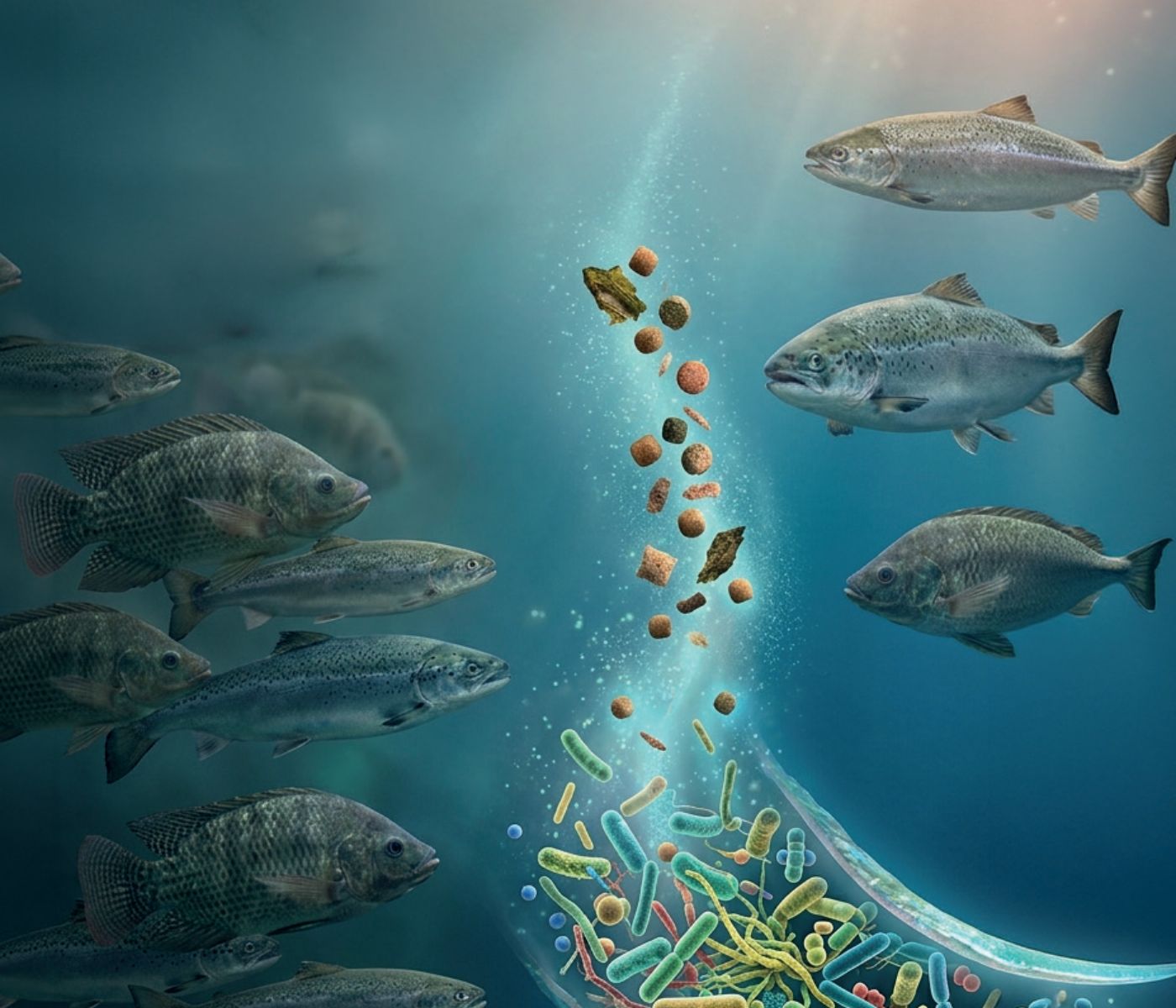
From Antibiotics to Functional Feeds in Aquaculture
Babatunde Saliu
Peas as an Alternative to Soybean Meal in Beef Cattle Finishing Diets
Daniel Villalba Mata,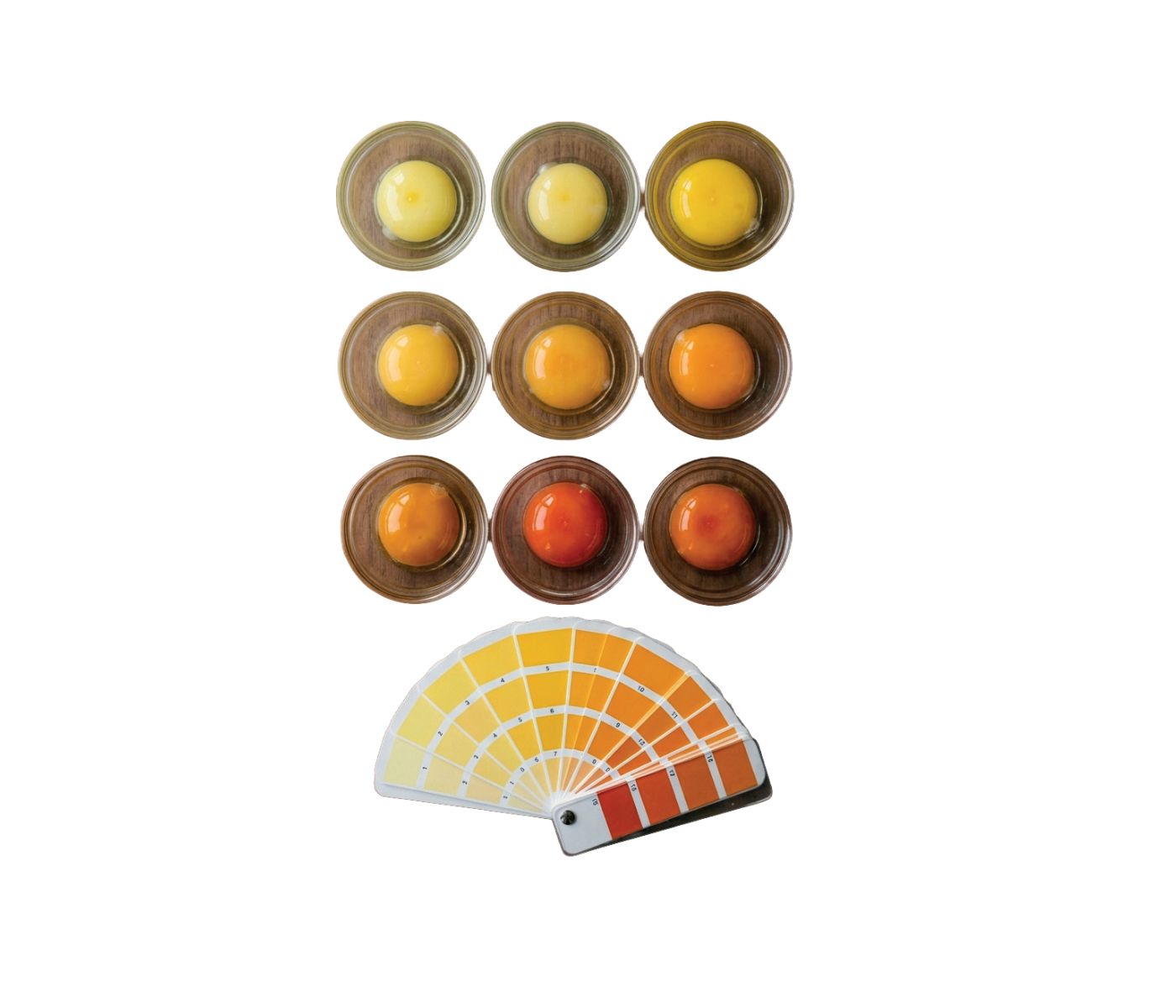
Improving Egg Yolk Pigmentation Through Better Nutrient Transport

Aquaculture and Aquaponics Nutrition: How Fish Shape the Growth of Greens
Trenton Corby
Consistency in Soybean Meal Drives Performance and Sustainability