 02 Sep 2026
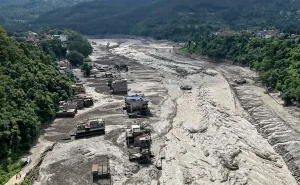
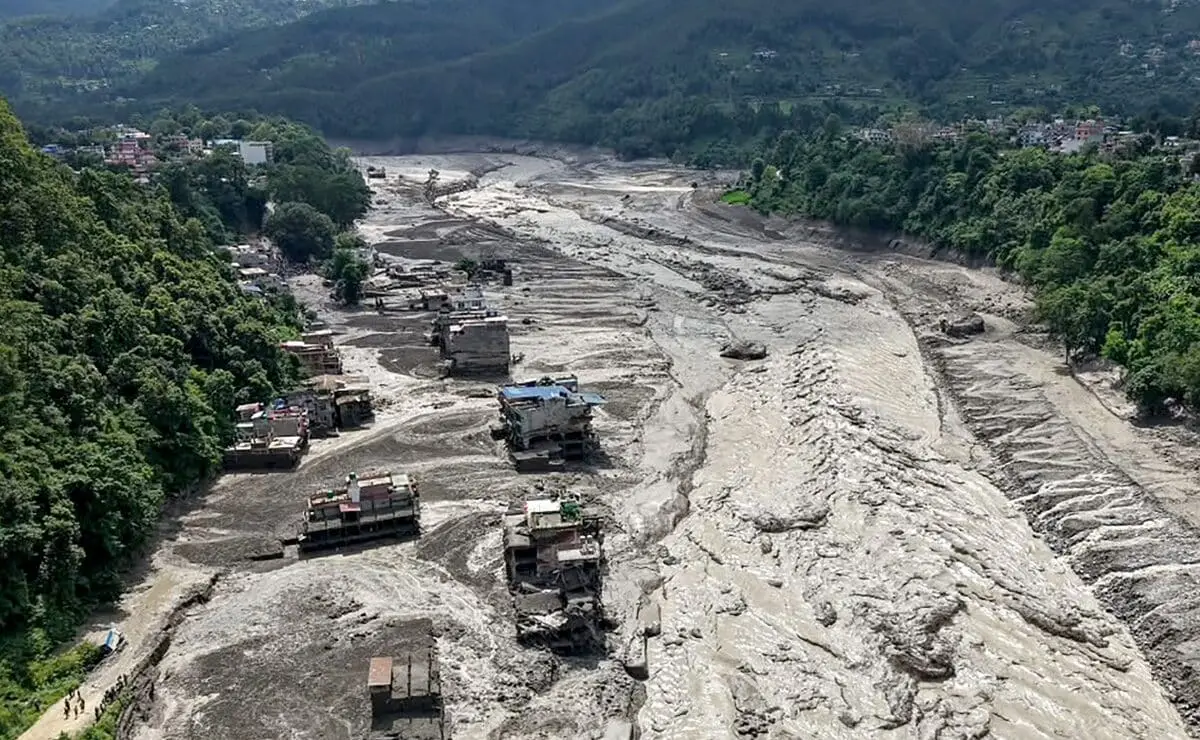
The recent Himalayan Tsunami has seriously affected poultry feed supply in Nepal, especially in the northern areas including Rasuwa, Nuwakot and Dhading, the country’s poultry expert Rajesh Bhatta told nutriNews Asia.
Before the Tsunami, Nuwakot and Dhading had many small-scale poultry farms and there were two feed mills.
“The Tsunami swept away a lot of farms. Things are scary,” Mr Bhatta revealed.
“There are no electricity and roads. Water supply is also affected. As the consequence, feed mills cannot operate. Farms that survive cannot get feed and other inputs. So, humans and animals are all affected by this crisis.”

Main highway is broken
Mr Bhatta also revealed that the main highway to Kathmandu is broken.
“It will take minimum 15 days from today [September 2] for the road to be repaired,” he said.



“Because of this broken road, there’s no movement of heavy vehicles. Alternate roads are allowed for small trucks only, which means feed supply to other areas through this route is also very much affected.”
He added that a number of feed mills and breeder farms supplying to the areas are suffering.


Subscribe now to the technical magazine of animal nutrition
AUTHORS
Consistency in Soybean Meal Drives Performance and Sustainability
Anna Cotcho
Kolin Plus FC: greener choline nutrition for poultry
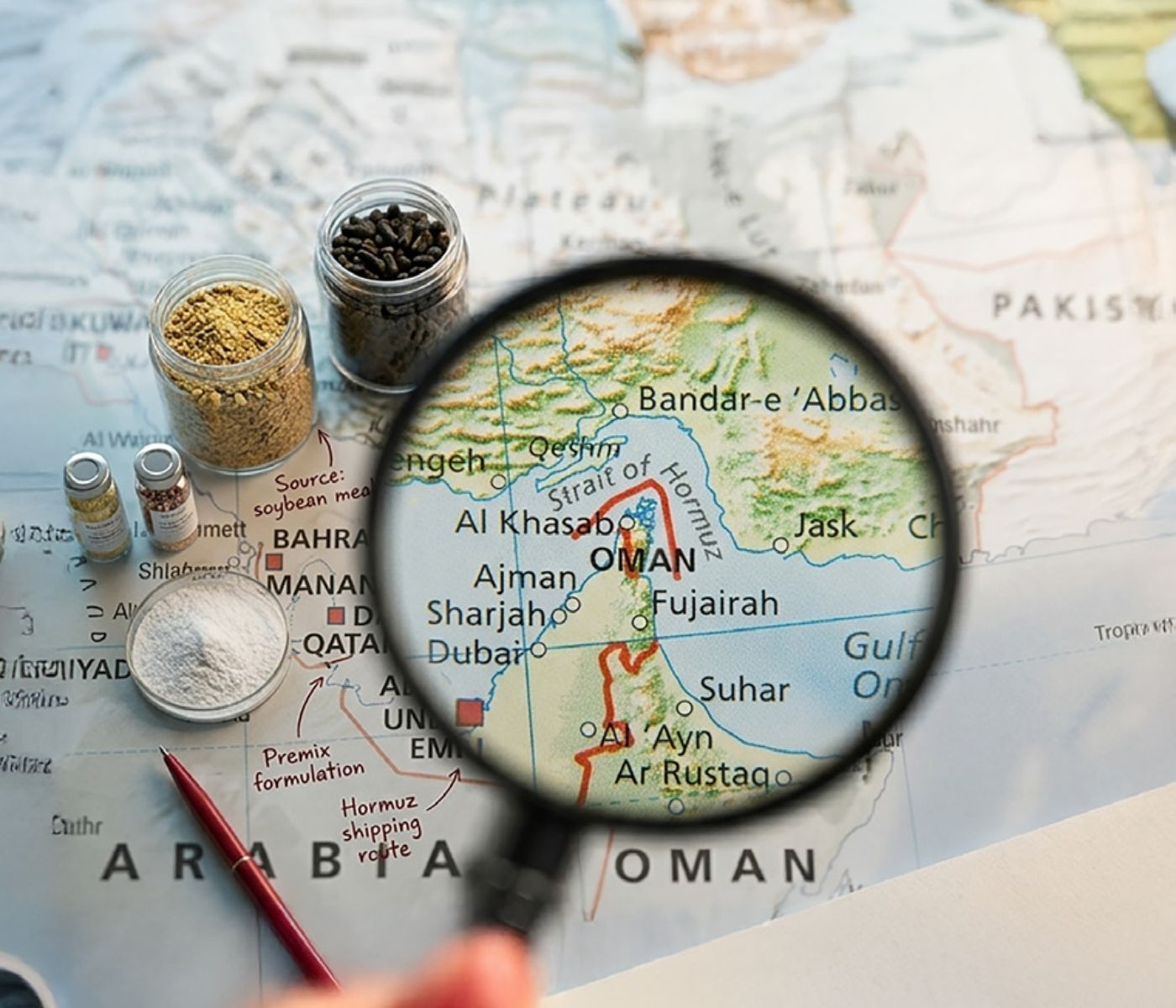
Middle East conflicts disrupt global feed markets
Edgar Oviedo
Optimizing nutrition for dairy goat and sheep productivity in Cyprus
Carolina Kyriacou
pHix-up improves rumen stability in dairy cows
Subacute ruminal acidosis

Net energy and growth: keys to better prediction in swine production
Gabriela Martínez
How starch structure & protein reduction shape gut health in weaned pigs
Diana Luise
Astaxanthin supplementation in aquaculture
Babatunde Saliu
What is intestinal health?
Marcos Rostagno
Calcium, phosphorus, and phytase optimization in broiler diets
Anna Cotcho