 30 Jul 2026
Vietnam’s pet food market surged to USD 124 million in 2025 after five years of rapid growth. According to a GAIN report by the USDA-Foreign Agricultural Service, rising incomes and urban lifestyles have reshaped pet ownership.
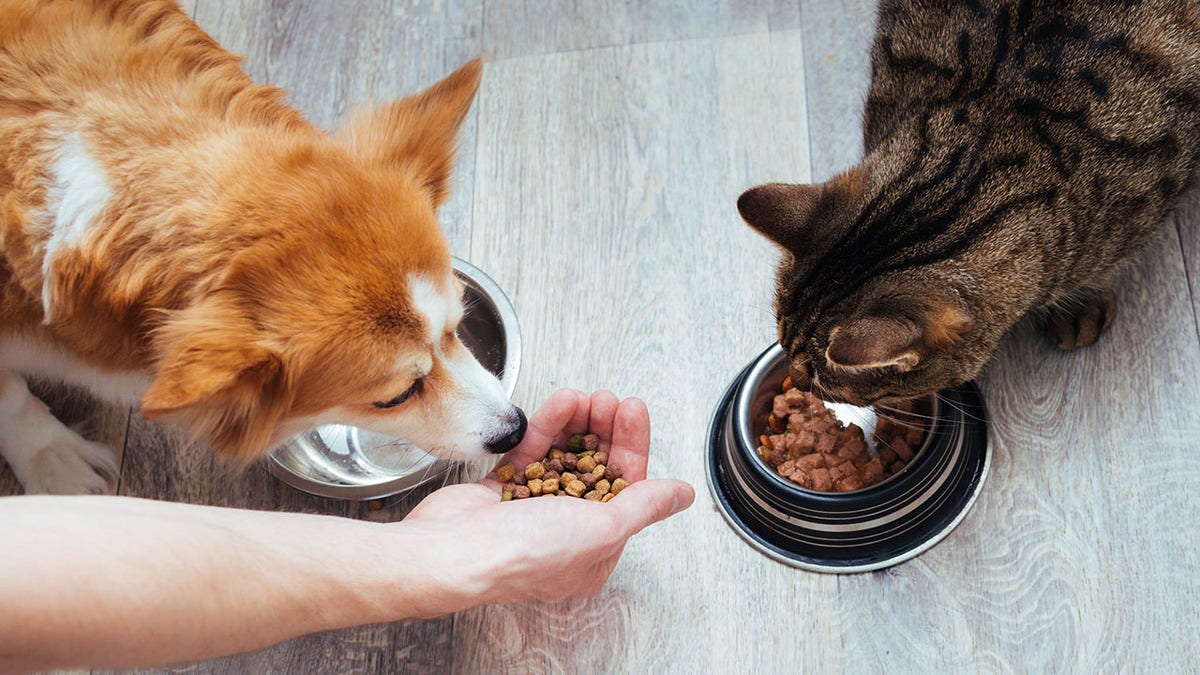
Younger generations increasingly treat pets as companions rather than household guards. The country now has about 14 million dogs and cats, a 26% increase compared to five years ago. This shift has fueled demand for nutritious pet food, treats, and supplements, while also boosting spending on veterinary care and grooming services.
Pet owners are allocating larger budgets to premium food products, moving away from feeding pets leftover human meals. The expansion of pet shops, veterinary clinics, and e-commerce platforms has further improved access to specialized nutrition and care. This evolving consumer mindset is positioning Vietnam among the fastest-growing pet food markets worldwide.
Pet shops and superstores dominate sales, accounting for more than 70% of the market in 2025. These outlets serve as one-stop destinations, offering food, supplements, toys, and grooming products. Supermarkets and hypermarkets hold a steady 15% share, appealing to owners who prefer convenience during grocery shopping.
E-commerce, though still small at 7.5% of sales, has been the fastest-growing channel. Online platforms operated by pet shops and supermarkets are expanding reach and accessibility. Veterinary clinics remain a niche but influential channel, particularly for therapeutic or functional foods. Pet owners often trust veterinarians’ recommendations, making clinics a credible outlet for specialized nutrition.
Vietnam has become a regional hub for pet food manufacturing, attracting major global companies. Competitive labor costs, abundant local ingredients, and supportive government policies have encouraged investment. While many factories initially focused on exports, rising domestic demand has shifted production toward serving Vietnamese consumers directly.
This trend has created opportunities for suppliers of ingredients such as corn, soybeans, dairy protein, and nutritional supplements. In 2026, Pet Like Park inaugurated a high-end pet food factory in Ho Chi Minh City, highlighting the industry’s growing sophistication.

Despite growing local production, Vietnam imported USD 66 million worth of pet food in 2025. Thailand led with nearly half the market share, supported by proximity and zero-tariff ASEAN agreements. China followed with 15%, while the European Union and South Korea also held notable shares. All of these suppliers enjoy duty-free access.
The US accounted for only 0.5% of imports, totaling USD 300,000 in 2025. This modest figure highlights untapped potential for US exporters seeking to expand their presence.
At the same time, Vietnam has become a significant exporter of pet food. In 2025, exports reached USD 132 million, with the US receiving USD 107 million. Other destinations included the EU, Japan, the UK, Taiwan, and the Philippines. Leading exporters include CP Group, ADM, and Vietnovo.
Vietnam’s pet food market is highly competitive, with premium dry dog and cat food crowded by established global and regional brands. Thai manufacturers such as Royal Canin and Pedigree enjoy strong recognition and lower prices, while European and South Korean companies have built presence through aggressive promotions and retailer incentives.
To succeed, new entrants and smaller players must look beyond the crowded premium dry food segment. Opportunities lie in functional treats, therapeutic diets, and organic health foods. Vietnamese pet owners increasingly seek high‑protein, gut‑health‑focused, and natural products, creating space for differentiated offerings. Building brand awareness through marketing, partnerships, and consistent availability will be essential for any company aiming to gain traction in this fast‑growing market.


Subscribe now to the technical magazine of animal nutrition
AUTHORS
From 2025 Data to 2026 Decisions: Managing Mycotoxin Risk in a Changing Climate
Alterion® NE Celebrates 10 Years of Poultry Gut Health Innovation
The Science Behind Kolin Plus: Beyond Choline Replacement

Summer Infertility in Sows: Managing Heat Stress and Reproductive Performance
AO-Biotics® Amaferm®: Supporting Livestock Digestion and Performance

Interview with Güner Gövenç
Güner Gövenç,
Net Energy and Precision Feeding Shape the Future of Poultry Nutrition
Edgar Oviedo
Mycotoxins in Swine: Health Risks and Nutritional Solutions
Giuseppe Carcò
Mycotoxins and Piglet Ear Necrosis: Cause, Cofactor or Coincidence?
Alberto Morillo
How Mycotoxins Affect Intestinal Health in Pigs and Poultry
Marcos Rostagno
From Antibiotics to Functional Feeds in Aquaculture
Babatunde Saliu
Peas as an Alternative to Soybean Meal in Beef Cattle Finishing Diets
Daniel Villalba Mata,
Improving Egg Yolk Pigmentation Through Better Nutrient Transport

Aquaculture and Aquaponics Nutrition: How Fish Shape the Growth of Greens
Trenton Corby
Consistency in Soybean Meal Drives Performance and Sustainability