 27 May 2026
Indonesia has introduced new licensing requirements for imports of plant-based feed ingredients, raising concerns among feedmillers and livestock producers about supply chain delays and added costs.
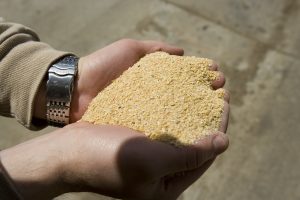
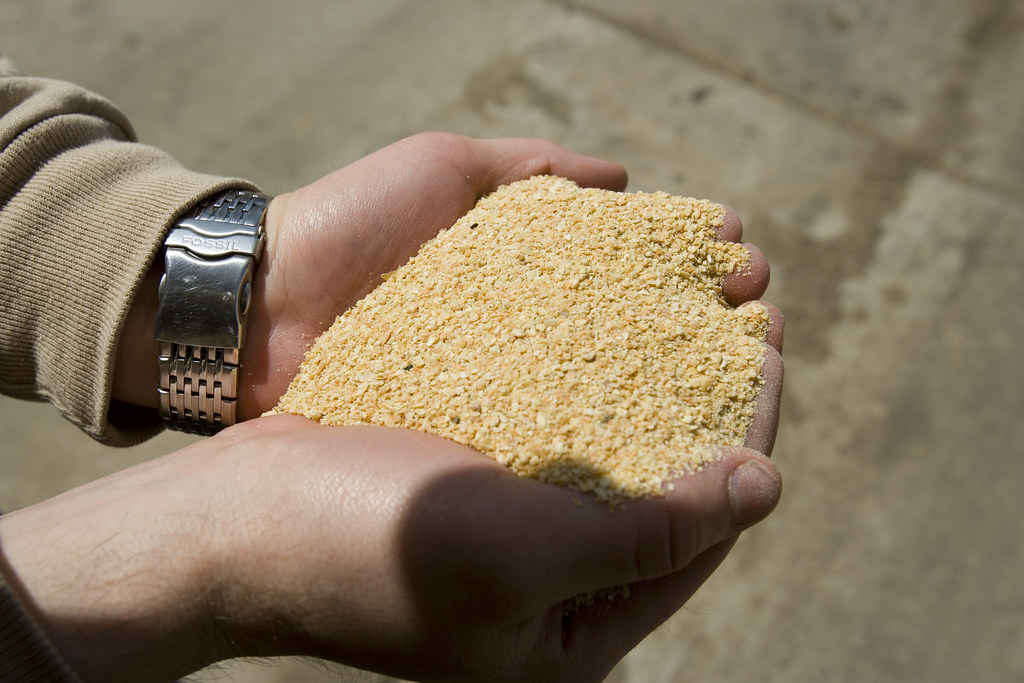
Indonesia’s Ministry of Agriculture has issued new regulations requiring import licenses for feed ingredients of plant origin. The measure applies to products such as soybean meal, corn gluten meal, and other plant-based feed inputs. Officials said the policy aims to strengthen oversight of imports and ensure compliance with domestic standards.
Industry stakeholders, however, warn that the licensing process could slow shipments and increase administrative burdens. Feedmillers rely heavily on imported plant-based proteins, particularly soybean meal, to meet the country’s growing demand for poultry and aquaculture feed.
Under the new rules, importers must obtain permits before shipments can enter Indonesia. The Ministry of Agriculture will review applications and issue licenses based on product type and origin.
Feed industry representatives note that delays in licensing could disrupt supply chains, especially for time-sensitive shipments. Indonesia imports large volumes of soybean meal from South America and the US, and any slowdown could affect feed availability.
The regulation also introduces stricter documentation requirements. Importers must provide detailed product information, including certificates of analysis and phytosanitary documents. These steps are intended to safeguard against pests and contaminants but may add costs for traders.
Feed associations have urged the government to clarify procedures and timelines for license approvals. They argue that uncertainty could discourage suppliers and raise feed prices domestically.

Livestock producers are particularly concerned about potential cost increases. Poultry and aquaculture sectors depend on affordable feed inputs to remain competitive. Higher prices could ripple through the food supply chain, affecting consumers.
Officials maintain that the policy is necessary to protect domestic agriculture and ensure food safety. They emphasize that the licensing system will help monitor imports more effectively and align with Indonesia’s broader agricultural strategy.
The new licensing requirements highlight Indonesia’s balancing act between safeguarding domestic agriculture and supporting its feed-dependent livestock industry. While the government seeks tighter control, industry players stress the need for efficiency to avoid supply disruptions.
If licensing procedures are streamlined, the impact may be limited. But prolonged delays or added costs could challenge feedmillers and livestock producers, potentially influencing production and market prices.




Subscribe now to the technical magazine of animal nutrition
AUTHORS
From 2025 Data to 2026 Decisions: Managing Mycotoxin Risk in a Changing Climate
Alterion® NE Celebrates 10 Years of Poultry Gut Health Innovation
The Science Behind Kolin Plus: Beyond Choline Replacement
Summer Infertility in Sows: Managing Heat Stress and Reproductive Performance
AO-Biotics® Amaferm®: Supporting Livestock Digestion and Performance

Interview with Güner Gövenç
Güner Gövenç,
Net Energy and Precision Feeding Shape the Future of Poultry Nutrition
Edgar Oviedo
Mycotoxins in Swine: Health Risks and Nutritional Solutions
Giuseppe Carcò
Mycotoxins and Piglet Ear Necrosis: Cause, Cofactor or Coincidence?
Alberto Morillo
How Mycotoxins Affect Intestinal Health in Pigs and Poultry
Marcos Rostagno
From Antibiotics to Functional Feeds in Aquaculture
Babatunde Saliu
Peas as an Alternative to Soybean Meal in Beef Cattle Finishing Diets
Daniel Villalba Mata,
Improving Egg Yolk Pigmentation Through Better Nutrient Transport

Aquaculture and Aquaponics Nutrition: How Fish Shape the Growth of Greens
Trenton Corby
Consistency in Soybean Meal Drives Performance and Sustainability