 20 Jul 2026
Pakistan has outlined a new strategy to modernize its livestock sector, built around technology adoption, animal health and value addition.
The goal, officials said, is to lift productivity, strengthen rural livelihoods and improve the country’s standing in international trade.
PM urges action over rhetoric
The roadmap was presented at the National Seminar on ‘Harnessing Pakistan’s Livestock Potential’ in Islamabad, where Prime Minister Muhammad Shehbaz Sharif called on policymakers, scientists and industry leaders to move past ideas and accelerate the rollout of modern technology across the livestock value chain.
“We can revive our economy within a single year,” Mr Sharif told delegates, framing agriculture and livestock as sectors capable of turning around Pakistan’s economic fortunes if pursued with sustained focus.
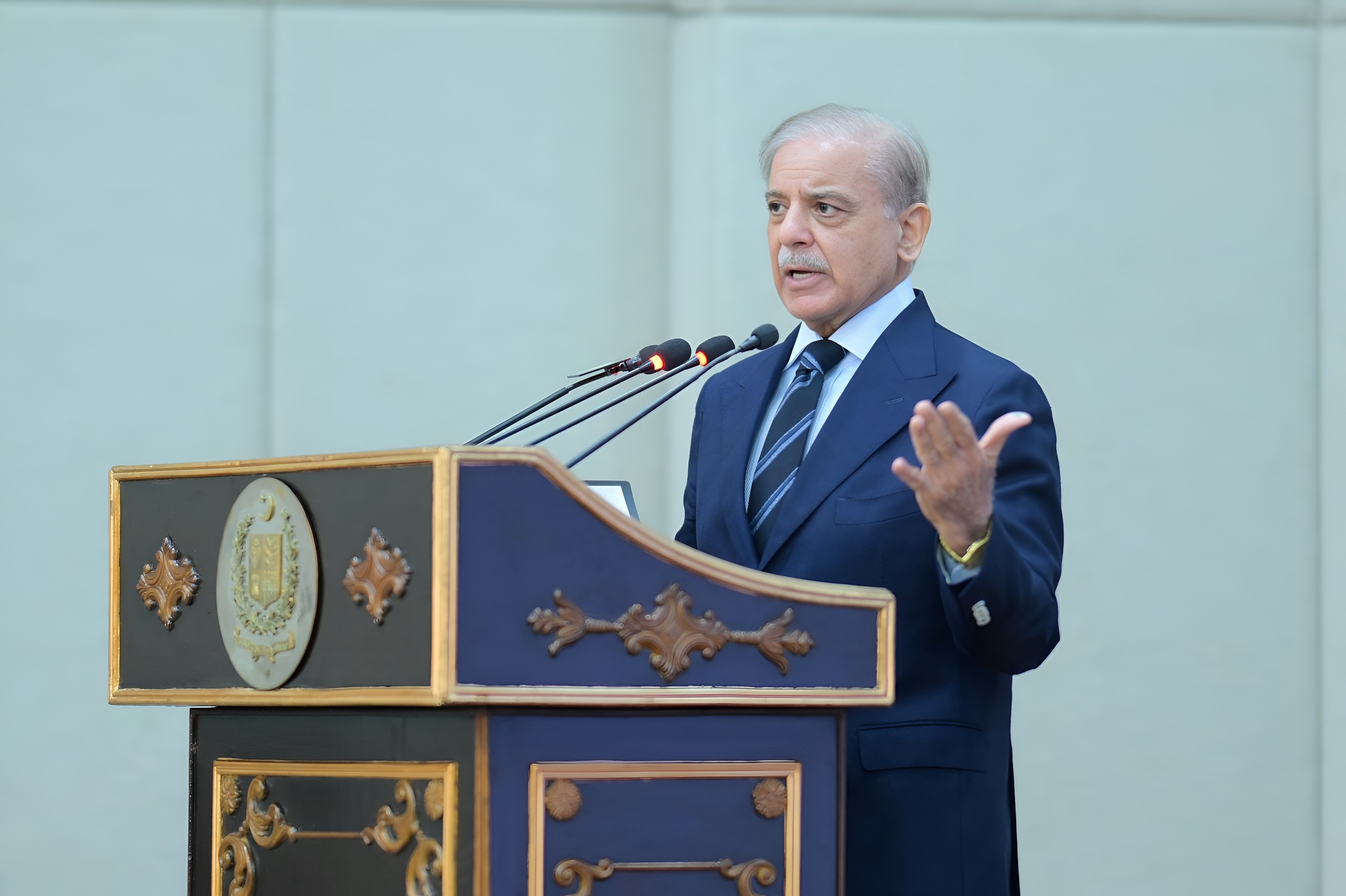
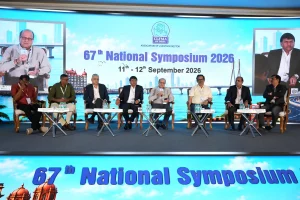
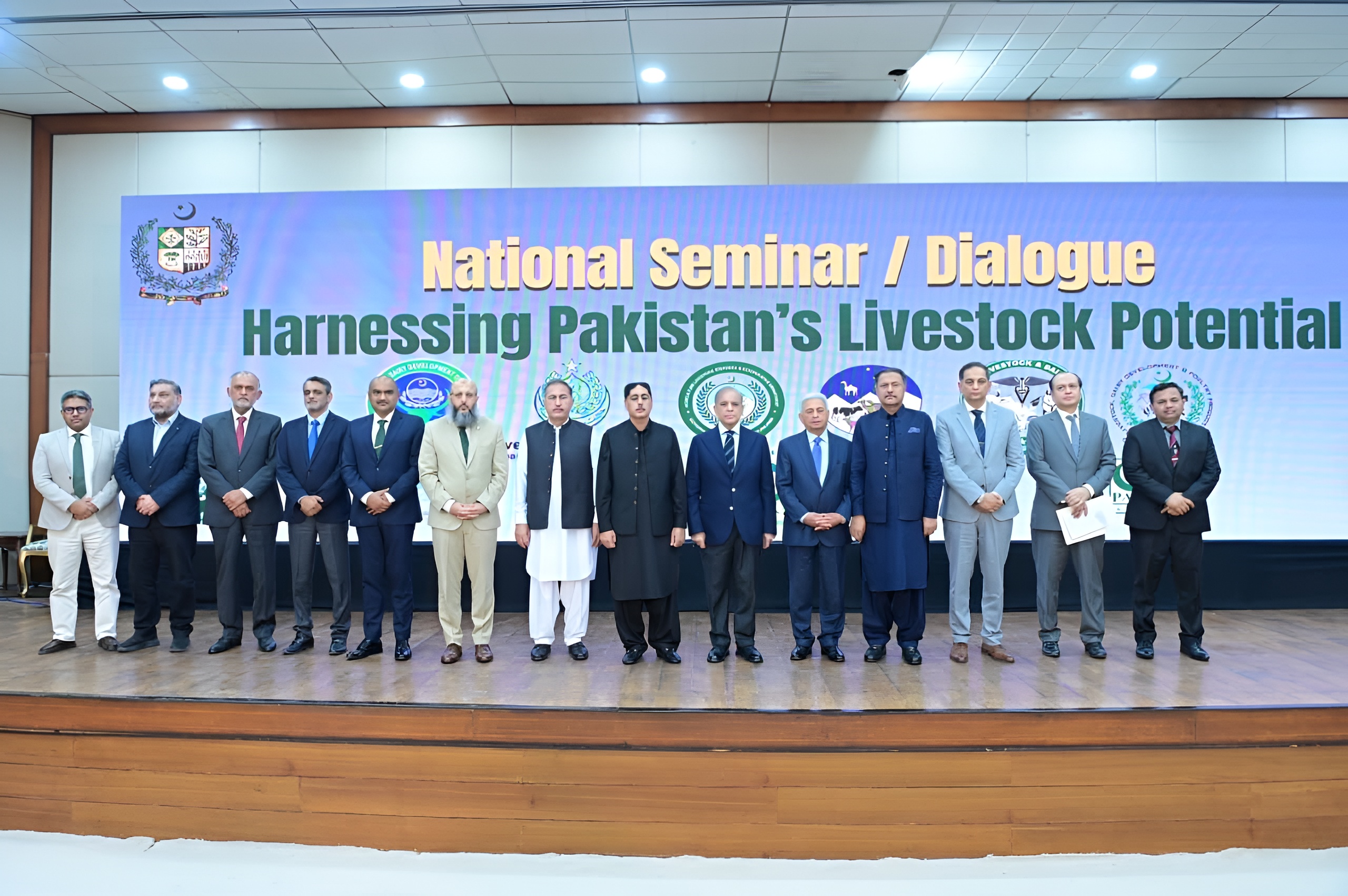
Prime Minister Muhammad Shehbaz Sharif addresses delegates during the National Seminar on “Harnessing Pakistan’s Livestock Potential” in Islamabad on July 15, 2026. The dialogue focused on technology adoption, animal health, traceability and value addition to strengthen Pakistan’s livestock industry.

The seminar drew representatives from government departments, universities, research institutions, veterinary organizations and the private sector, at a time when Pakistan is looking to position agriculture as a driver of economic growth.
One message ran through the discussions: raising livestock productivity will take more than growing herd sizes. It will depend on healthier animals, better genetics and stronger disease prevention.
Federal Minister for National Food Security and Research Rana Tanveer Hussain, who welcomed the Prime Minister to the seminar, said the government’s sustained focus on agriculture over the past two years had already produced significant reforms, aimed at securing food supplies for Pakistan’s growing population while pushing up agricultural exports.
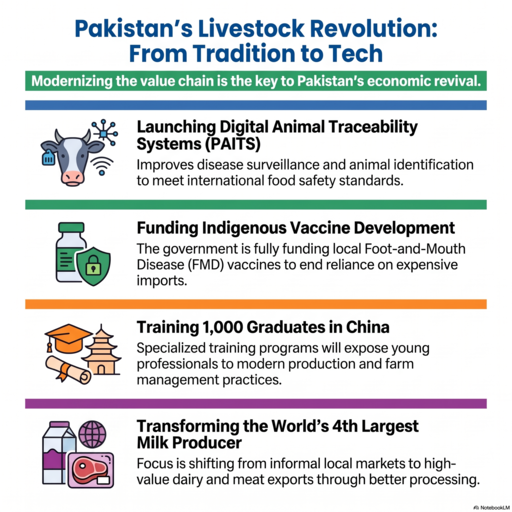
He noted that 1,000 agriculture graduates had already completed specialized training in China under the program, with another batch due to follow.
A fourth-largest milk producer still underperforming
Livestock accounts for the largest share of Pakistan’s agricultural economy and supports millions of rural families. Yet despite ranking as the world’s fourth-largest milk producer, the country continues to underperform on dairy and meat exports.
Experts point to limited value addition, productivity gaps and weak processing infrastructure as the reasons why. The seminar focused on practical fixes: improving efficiency from farm to market and strengthening Pakistan’s position in international livestock trade.
FMD vaccine and PAITS take center stage
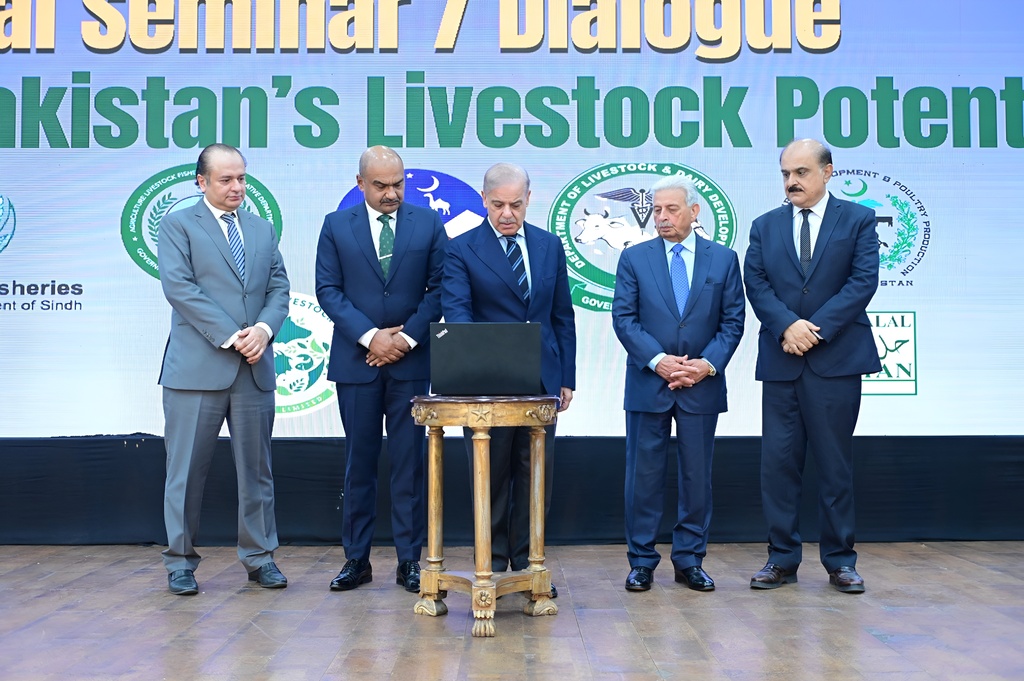
Among the major announcements was the government’s decision to fully fund development of an indigenous foot-and-mouth disease (FMD) vaccine, aimed at strengthening disease control and cutting reliance on imports.
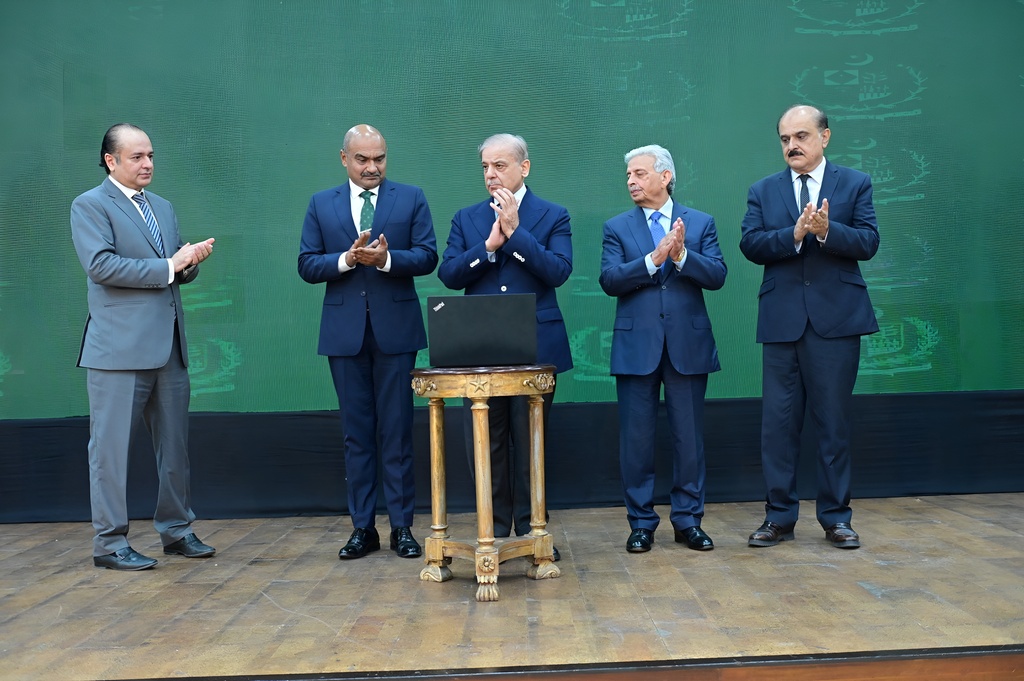
Mr Sharif also inaugurated the Pakistan Animal Identification and Traceability System (PAITS), built to improve animal identification and disease surveillance, both increasingly required for food safety and market access abroad.
Technology and training in focus
Technology ran through much of the seminar’s discussion. Speakers pointed to artificial intelligence, digital livestock management and precision farming as tools for improving production efficiency, alongside modern breeding programs and stronger veterinary and extension services.
Investment in people featured too. Building on an earlier initiative, Mr Sharif announced that another 1,000 agriculture graduates would be sent to China for advanced training, giving young professionals exposure to modern production systems and farm management practices before they return to work in Pakistan’s agricultural sector.
Moving past informal markets
Much of Pakistan’s milk output is still sold through informal channels rather than processed into higher-value dairy and meat products, discussions noted.
Expanding processing capacity, tightening quality assurance and drawing in private investment were flagged as the steps most likely to improve returns for producers and open new markets, both at home and abroad.
A shift in policy thinking
The seminar signaled a broader shift in how Pakistan’s government views livestock, less as a traditional rural activity and more as a strategic economic asset.
Disease control, traceability, genetics and digital technology, the priorities raised in Islamabad, apply just as directly to the poultry sector and other livestock industries elsewhere in South Asia.
Whether the announcements translate into results now depends on follow-through: sustained investment, coordinated implementation and continued cooperation between government, research institutions and the private sector.

Subscribe now to the technical magazine of animal nutrition
AUTHORS
From 2025 Data to 2026 Decisions: Managing Mycotoxin Risk in a Changing Climate
Alterion® NE Celebrates 10 Years of Poultry Gut Health Innovation
The Science Behind Kolin Plus: Beyond Choline Replacement
Summer Infertility in Sows: Managing Heat Stress and Reproductive Performance
AO-Biotics® Amaferm®: Supporting Livestock Digestion and Performance

Interview with Güner Gövenç
Güner Gövenç,
Net Energy and Precision Feeding Shape the Future of Poultry Nutrition
Edgar Oviedo
Mycotoxins in Swine: Health Risks and Nutritional Solutions
Giuseppe Carcò
Mycotoxins and Piglet Ear Necrosis: Cause, Cofactor or Coincidence?
Alberto Morillo
How Mycotoxins Affect Intestinal Health in Pigs and Poultry
Marcos Rostagno
From Antibiotics to Functional Feeds in Aquaculture
Babatunde Saliu
Peas as an Alternative to Soybean Meal in Beef Cattle Finishing Diets
Daniel Villalba Mata,
Improving Egg Yolk Pigmentation Through Better Nutrient Transport

Aquaculture and Aquaponics Nutrition: How Fish Shape the Growth of Greens
Trenton Corby
Consistency in Soybean Meal Drives Performance and Sustainability