 13 May 2026
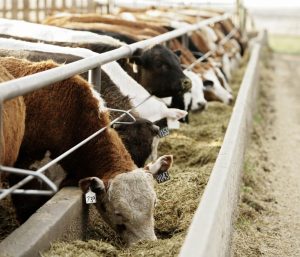
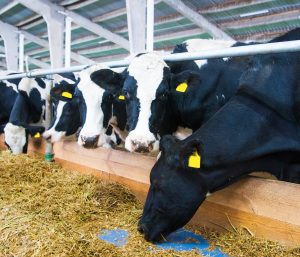
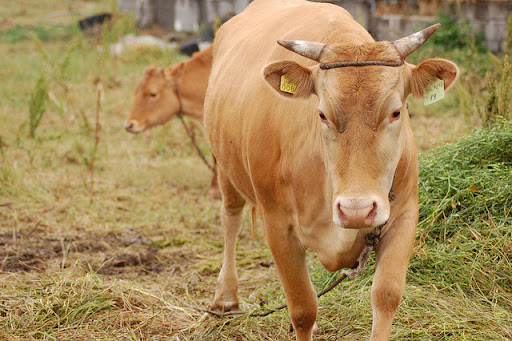
Conflict in the Middle East and volatility in grain markets have sharply increased feed prices. Livestock farmers in North Jeolla Province, already struggling financially, are set to receive relief, according to a report by The Asia Business Daily.
On May 11, the provincial government announced an additional USD 23 million in policy funds to help farmers purchase feed. This allocation represents 25.1% of the Ministry of Agriculture’s total additional support of USD 91 million.
Including the first round of support for the first half of this year, worth USD 105 million, total policy funds for feed purchases in North Jeolla will reach USD 127.5 million in 2024.
The support conditions are as follows:
Loan limits vary by livestock type such as cattle, pigs, chickens), with general farms eligible for up to USD 400,000.
Farms engaged in cow fattening projects, sow traceability programs, or affected by preventive culling due to FMD, AI, or ASF can borrow up to USD 600,000. The higher ceiling recognizes their cooperation with government policy.
Funds may be used not only for feed purchases but also to refinance past feed debts taken at high interest rates. Switching to loans at 1.8% is expected to ease cash flow pressures.
For 2026, the province will provide extra interest support of 0.4% to 1.8%, depending on livestock type and breeding scale. It also plans to coordinate with the Agricultural and Fisheries Development Fund to further reduce the interest burden actually borne by farmers.
Farmers seeking support must apply at the administrative welfare center in their jurisdiction (eup, myeon, or dong). Once approved, they must complete loan procedures through agricultural or livestock cooperatives by July 29.
Min Sun-sik, Director of the Agricultural Life Livestock Industry Bureau of North Jeolla Province, stated, “With both domestic and international economic instability driving up feed prices, livestock farmers are facing increasing financial pressure. By providing low-interest feed funds, we aim to help stabilize farm operations and build a sustainable foundation for the livestock industry.”

Subscribe now to the technical magazine of animal nutrition
AUTHORS
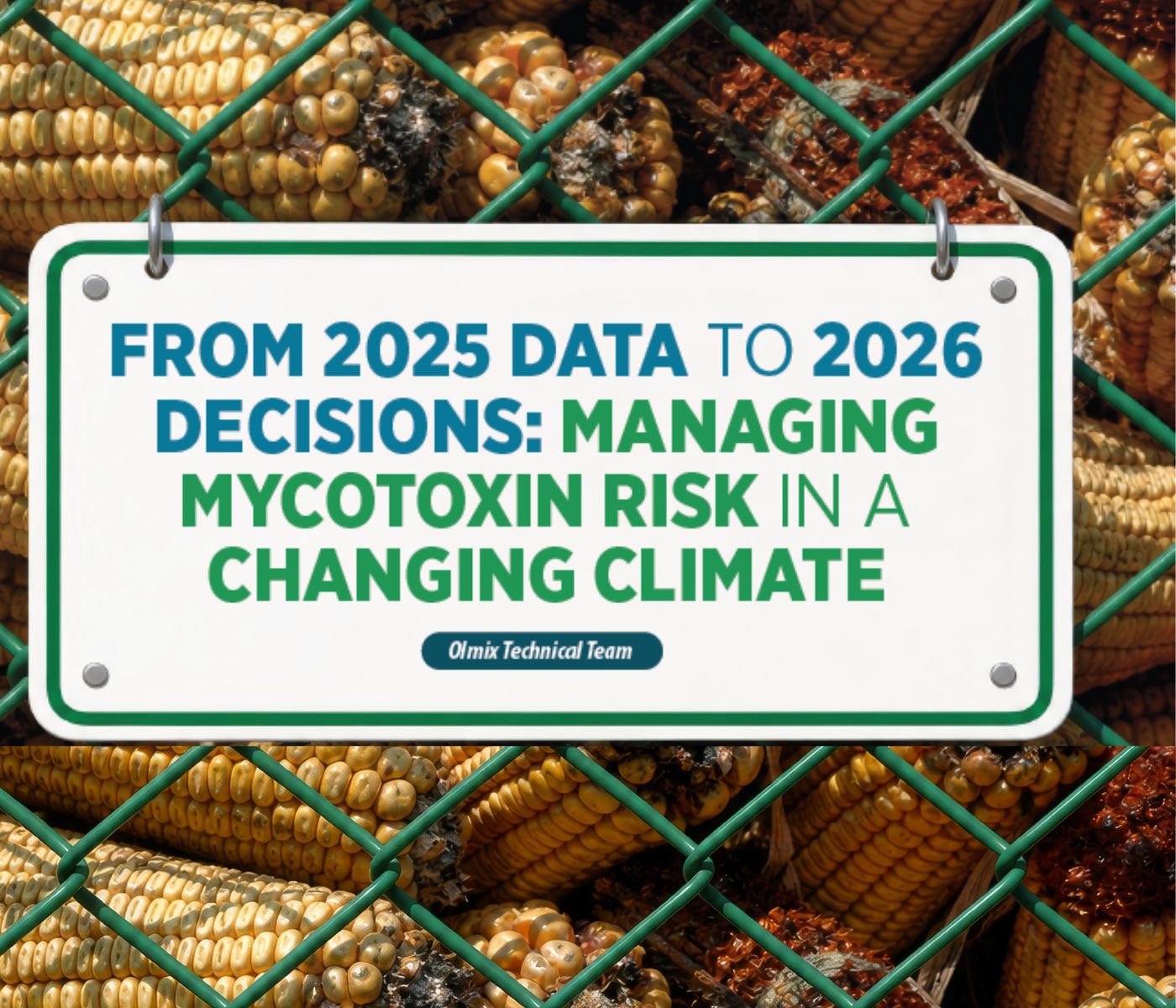
From 2025 Data to 2026 Decisions: Managing Mycotoxin Risk in a Changing Climate
Alterion® NE Celebrates 10 Years of Poultry Gut Health Innovation
The Science Behind Kolin Plus: Beyond Choline Replacement
Summer Infertility in Sows: Managing Heat Stress and Reproductive Performance
AO-Biotics® Amaferm®: Supporting Livestock Digestion and Performance

Interview with Güner Gövenç
Güner Gövenç,
Net Energy and Precision Feeding Shape the Future of Poultry Nutrition
Edgar Oviedo
Mycotoxins in Swine: Health Risks and Nutritional Solutions
Giuseppe Carcò
Mycotoxins and Piglet Ear Necrosis: Cause, Cofactor or Coincidence?
Alberto Morillo
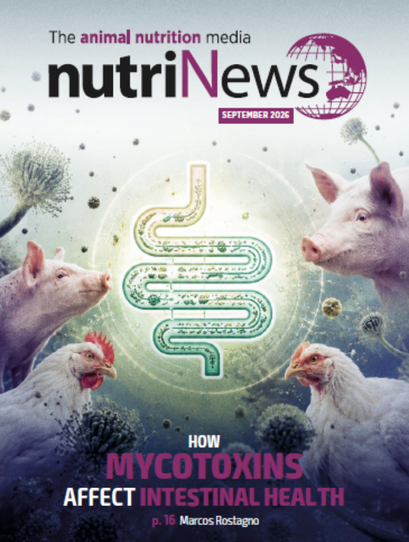
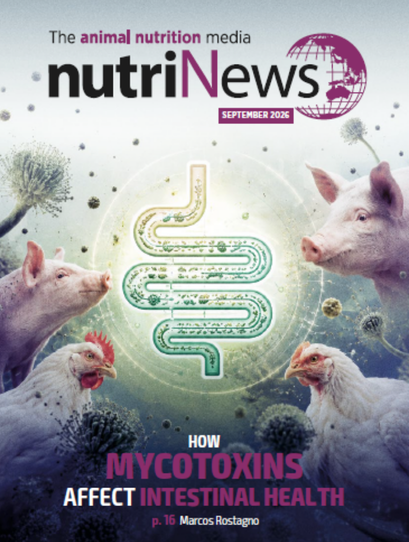
How Mycotoxins Affect Intestinal Health in Pigs and Poultry
Marcos Rostagno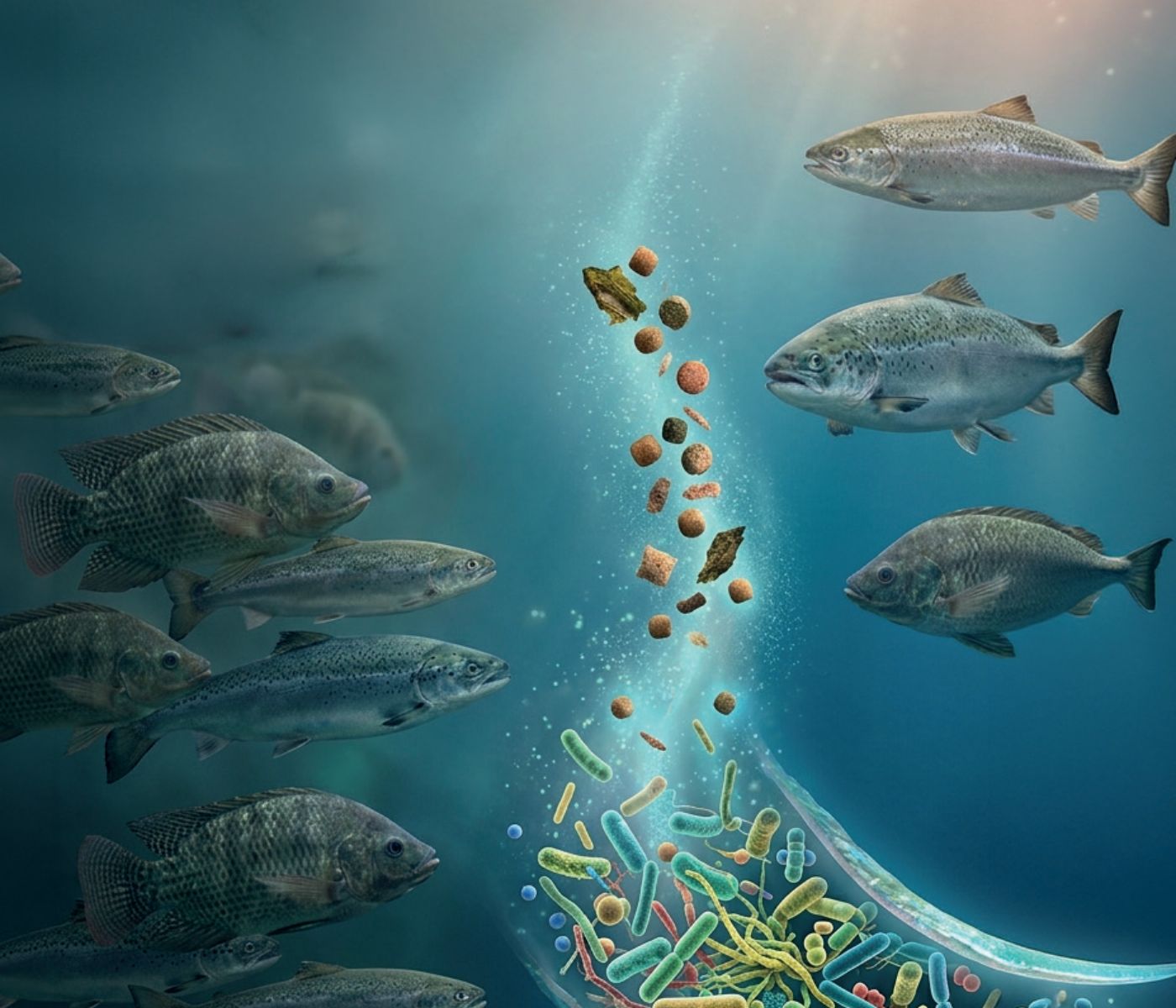
From Antibiotics to Functional Feeds in Aquaculture
Babatunde Saliu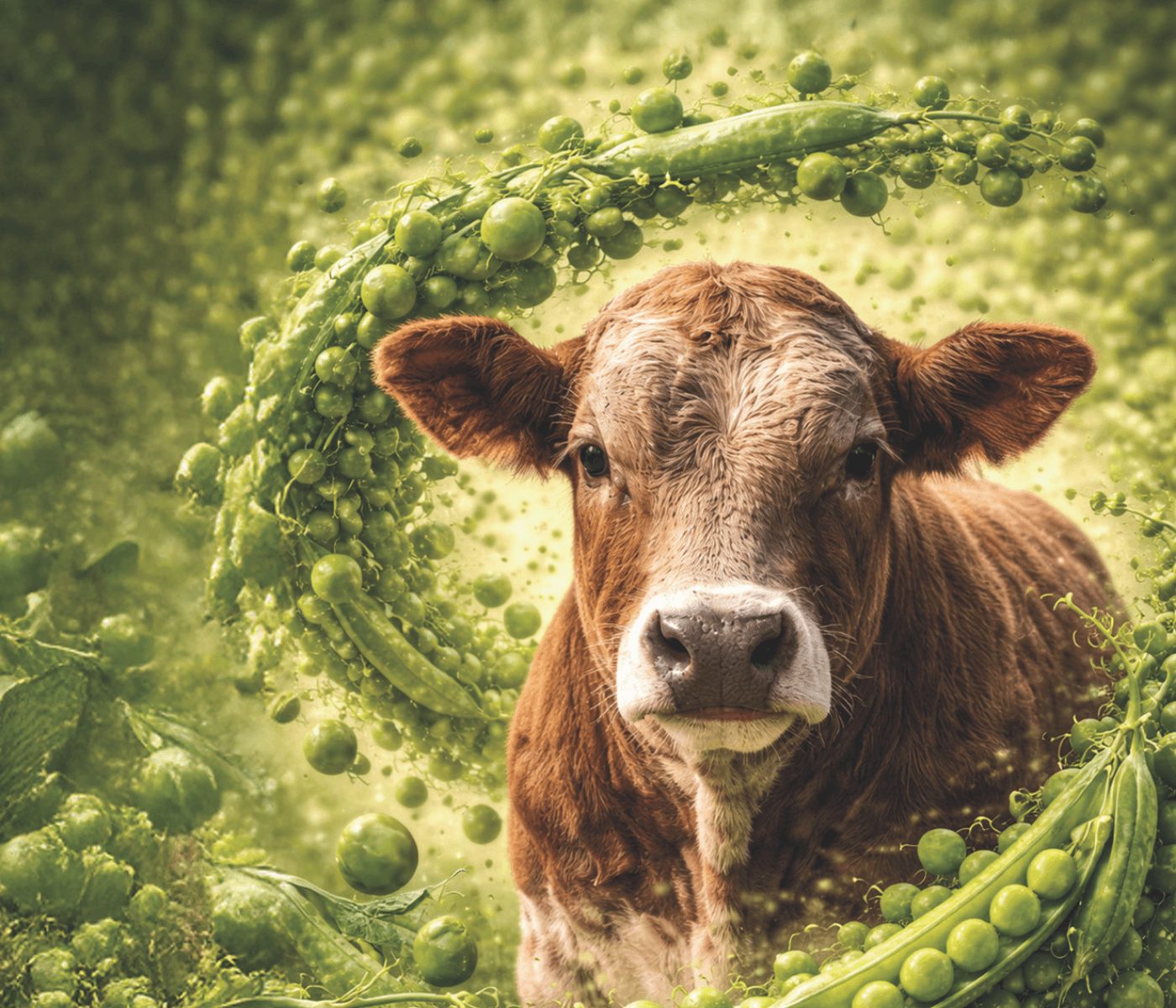
Peas as an Alternative to Soybean Meal in Beef Cattle Finishing Diets
Daniel Villalba Mata,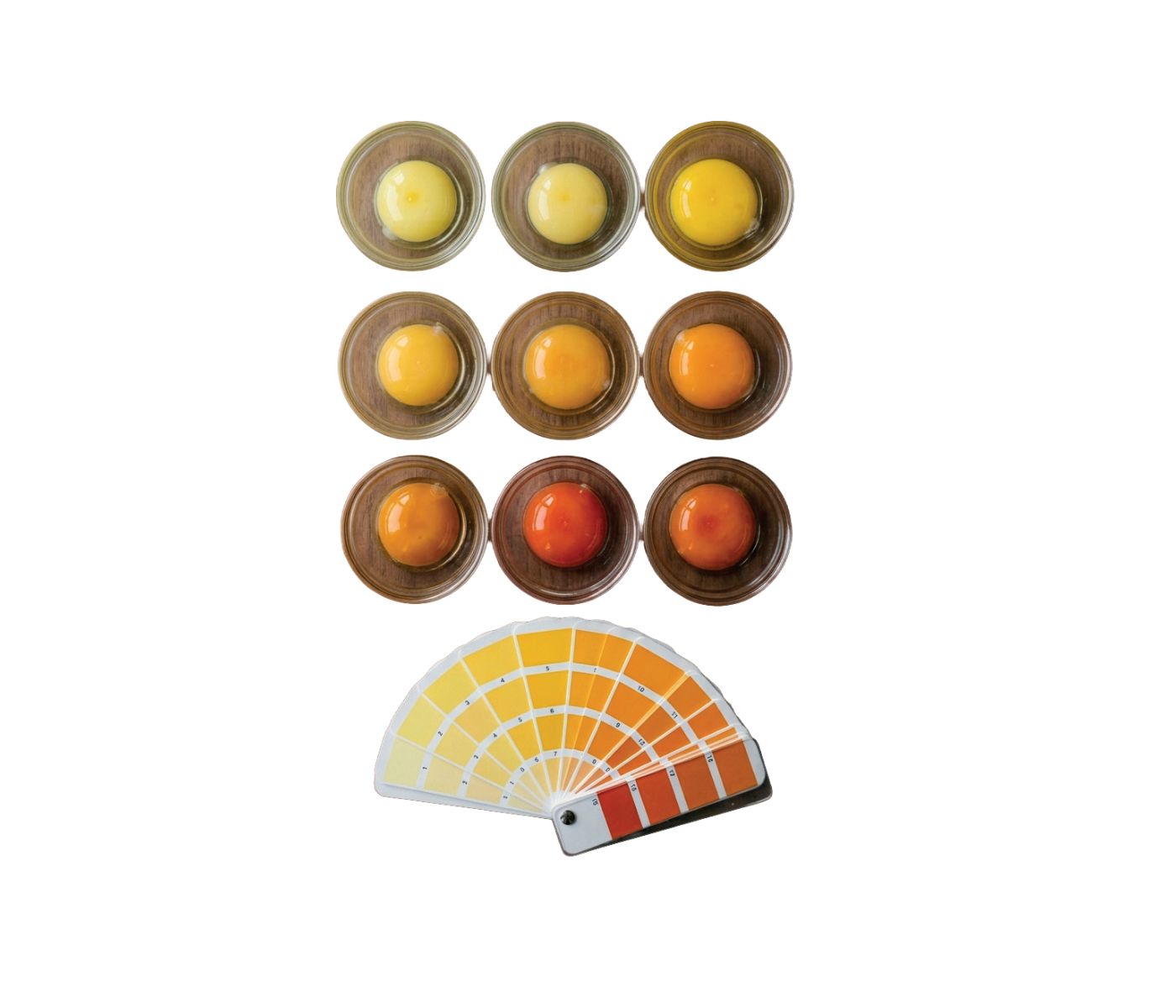
Improving Egg Yolk Pigmentation Through Better Nutrient Transport
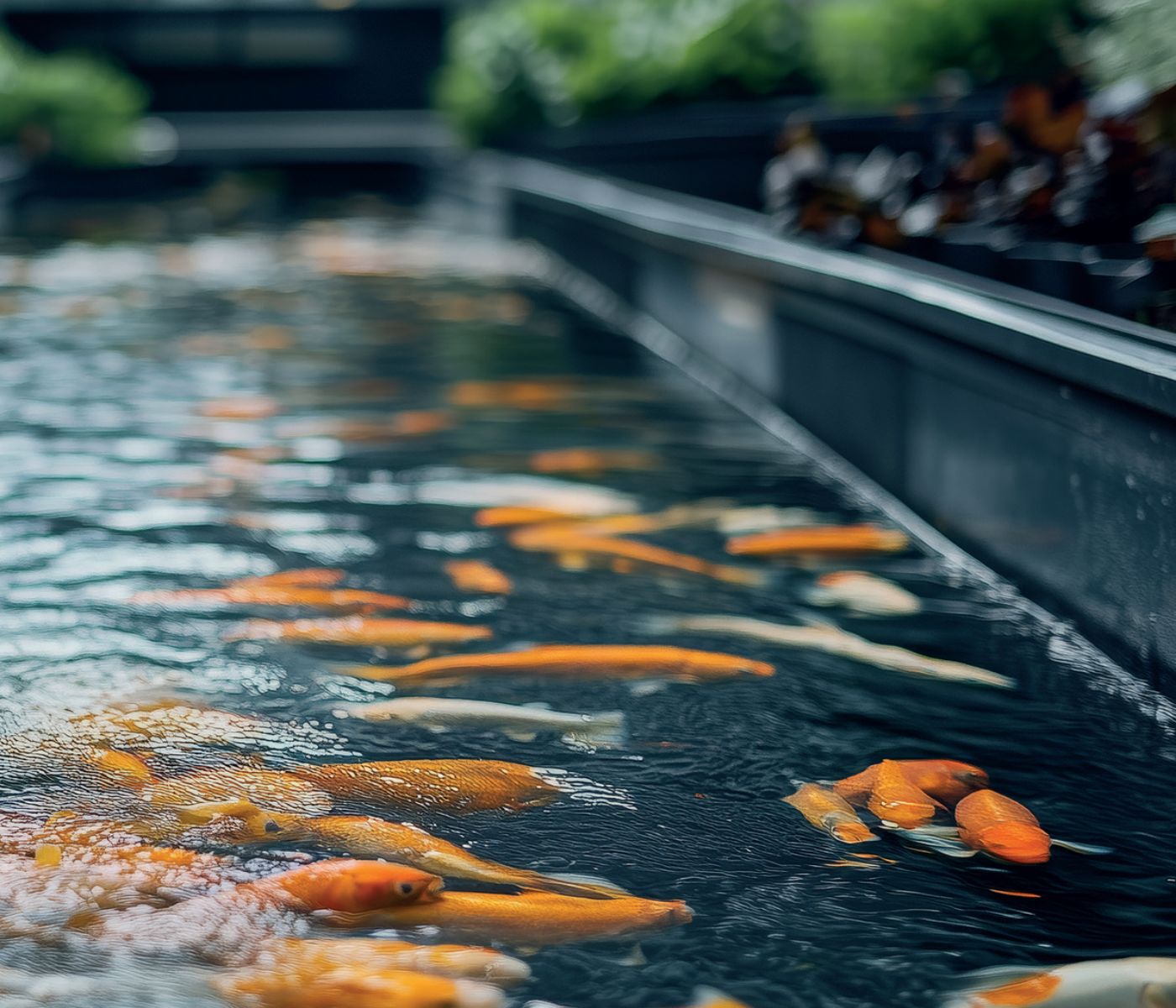
Aquaculture and Aquaponics Nutrition: How Fish Shape the Growth of Greens
Trenton Corby
Consistency in Soybean Meal Drives Performance and Sustainability