 14 Jul 2024


The tax, expected to be approved by Denmark’s parliament later this year, will start at 300 krone ($43) per ton of CO2-equivalent emissions from livestock in 2030, increasing to 750 krone ($107) by 2035. With a 60% tax break, farmers will effectively pay 120 krone ($17) per ton initially, rising to 300 krone ($43) by 2035.
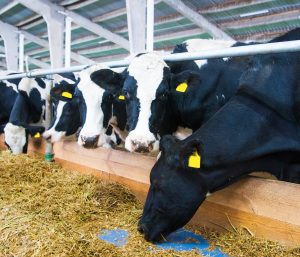
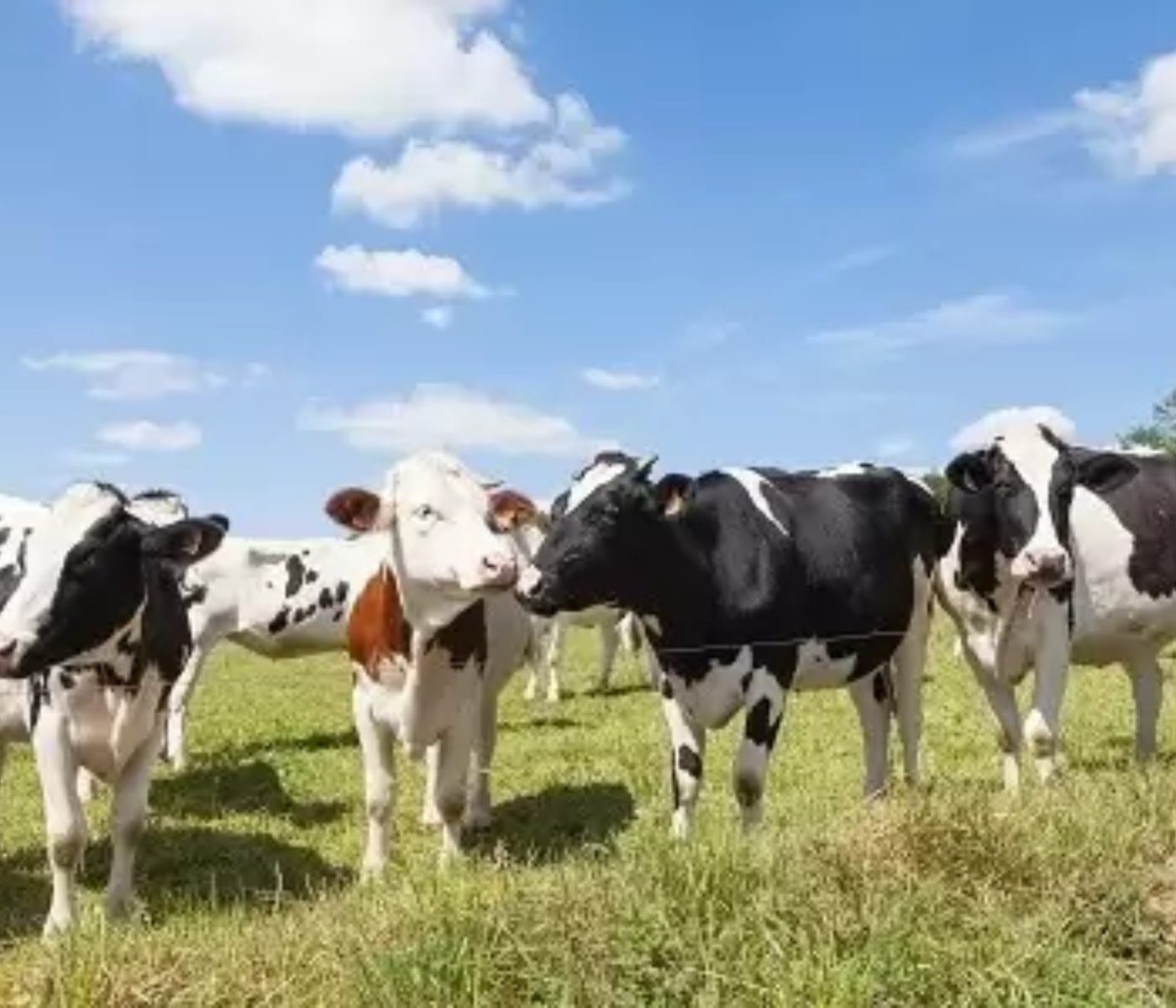
Danish dairy cows emit an average of 5.6 tons of CO2-equivalent per year, according to the green think tank Concito. Initially, this will result in a charge of 672 krone ($96) per cow, rising to 1,680 krone ($241) in 2035.
For the first two years, the tax proceeds will support the agricultural industry’s green transition and then be reassessed. Concito’s chief economist Torsten Hasforth noted, “The whole purpose of the tax is to get the sector to look for solutions to reduce emissions,” suggesting that farmers could alter their livestock feed.

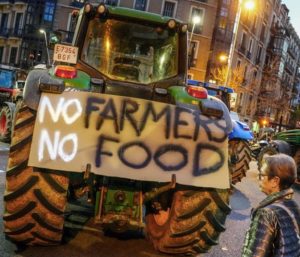
However, the Danish farmers’ group Bæredygtigt Landbrug criticized the measures as a “scary experiment.” Chairman Peter Kiær remarked, “We recognize that there is a climate problem, but we do not believe that this agreement will solve the problems.“
Arla Foods CEO Peder Tuborgh welcomed the agreement but stressed that farmers actively working to reduce emissions should not be penalized. DLG Group CEO Kristian Hundeboll emphasized the importance of aligning the tax with European Union legislation to maintain competitiveness.
In addition to Denmark, New Zealand had considered a similar law, set for 2025, but it was scrapped following a government change and criticism from farmers.
Denmark’s tax agreement, seen as a historic compromise by the Danish Society for Nature Conservation, still requires parliamentary approval but is expected to pass. As of June 30, 2022, Denmark had 1,484,377 cows, a slight decrease from the previous year. This new tax aims to reshape the country’s food industry beyond 2030 while addressing climate change.
Source: CNN
You may also like to read: “FDA Approves Methane-Reducing Feed Additive”


Subscribe now to the technical magazine of animal nutrition
AUTHORS
From 2025 Data to 2026 Decisions: Managing Mycotoxin Risk in a Changing Climate
Alterion® NE Celebrates 10 Years of Poultry Gut Health Innovation
The Science Behind Kolin Plus: Beyond Choline Replacement
Summer Infertility in Sows: Managing Heat Stress and Reproductive Performance
AO-Biotics® Amaferm®: Supporting Livestock Digestion and Performance

Interview with Güner Gövenç
Güner Gövenç,
Net Energy and Precision Feeding Shape the Future of Poultry Nutrition
Edgar Oviedo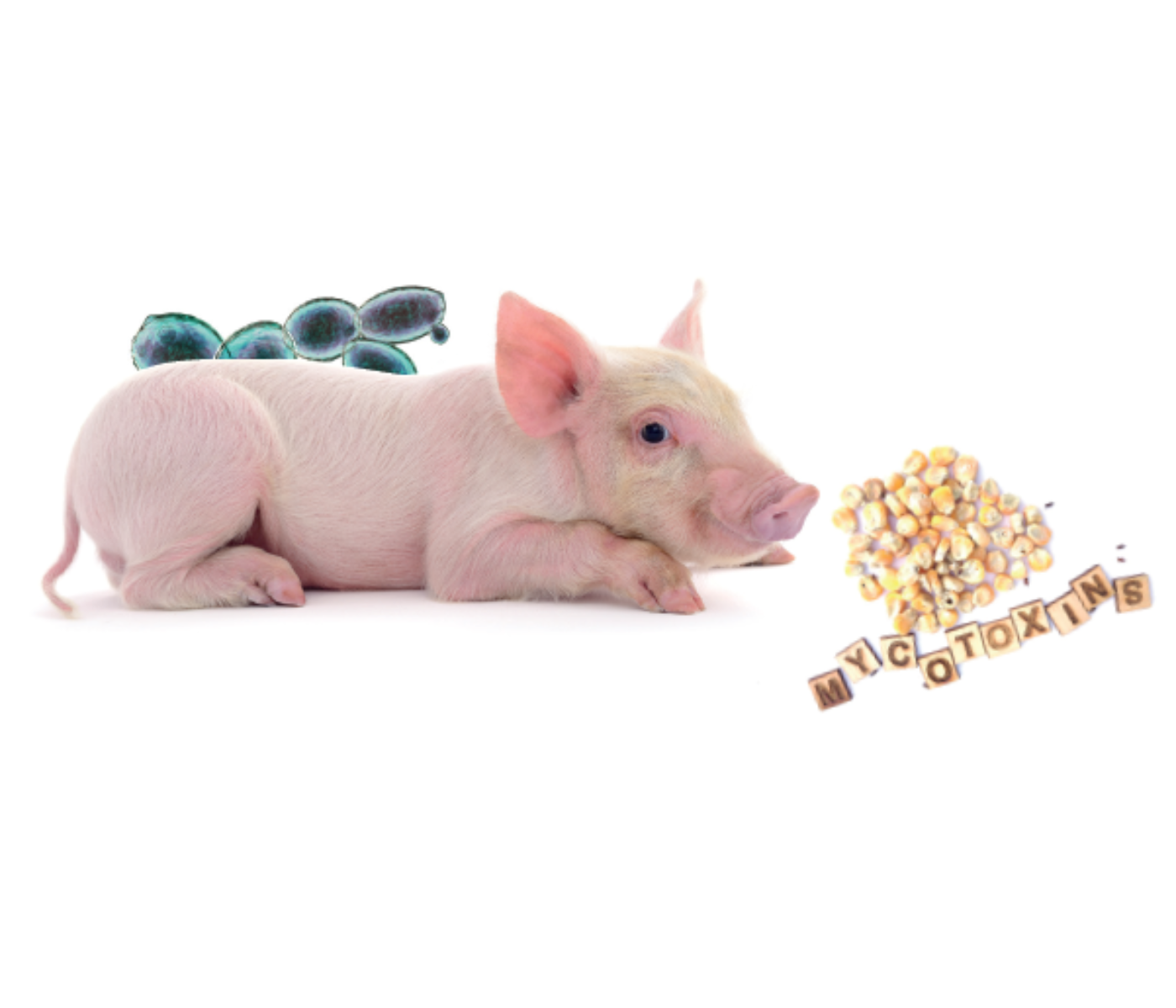
Mycotoxins in Swine: Health Risks and Nutritional Solutions
Giuseppe Carcò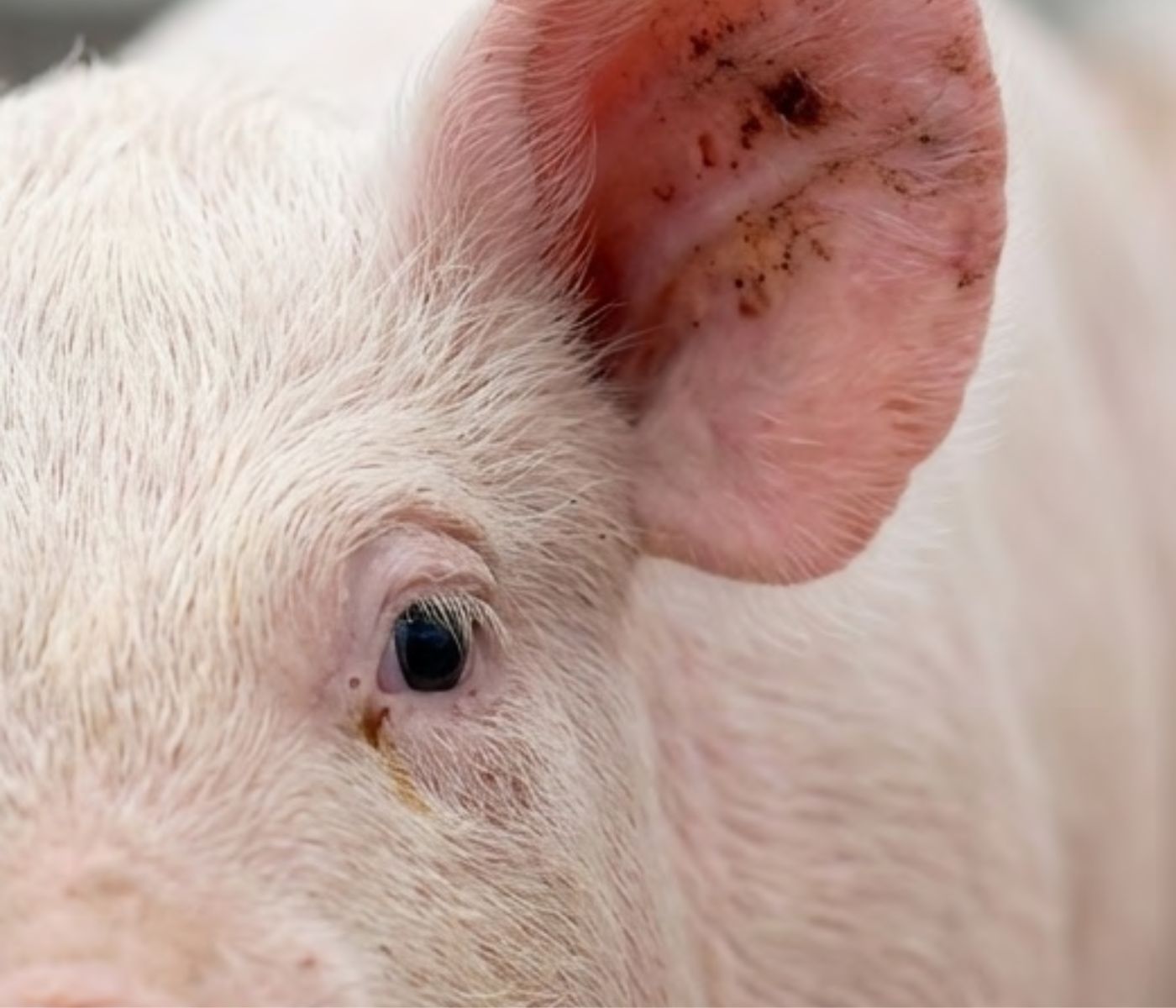
Mycotoxins and Piglet Ear Necrosis: Cause, Cofactor or Coincidence?
Alberto Morillo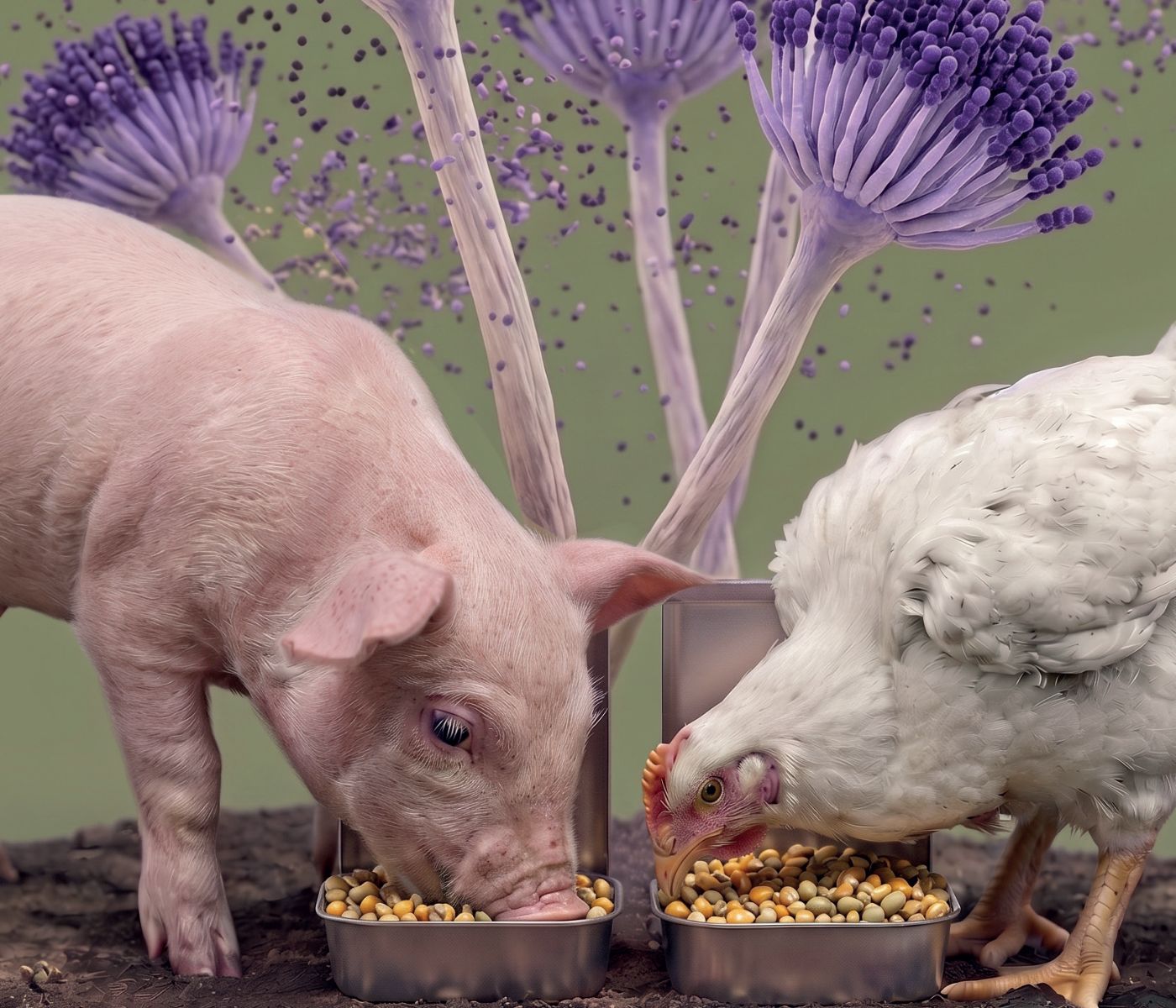
How Mycotoxins Affect Intestinal Health in Pigs and Poultry
Marcos Rostagno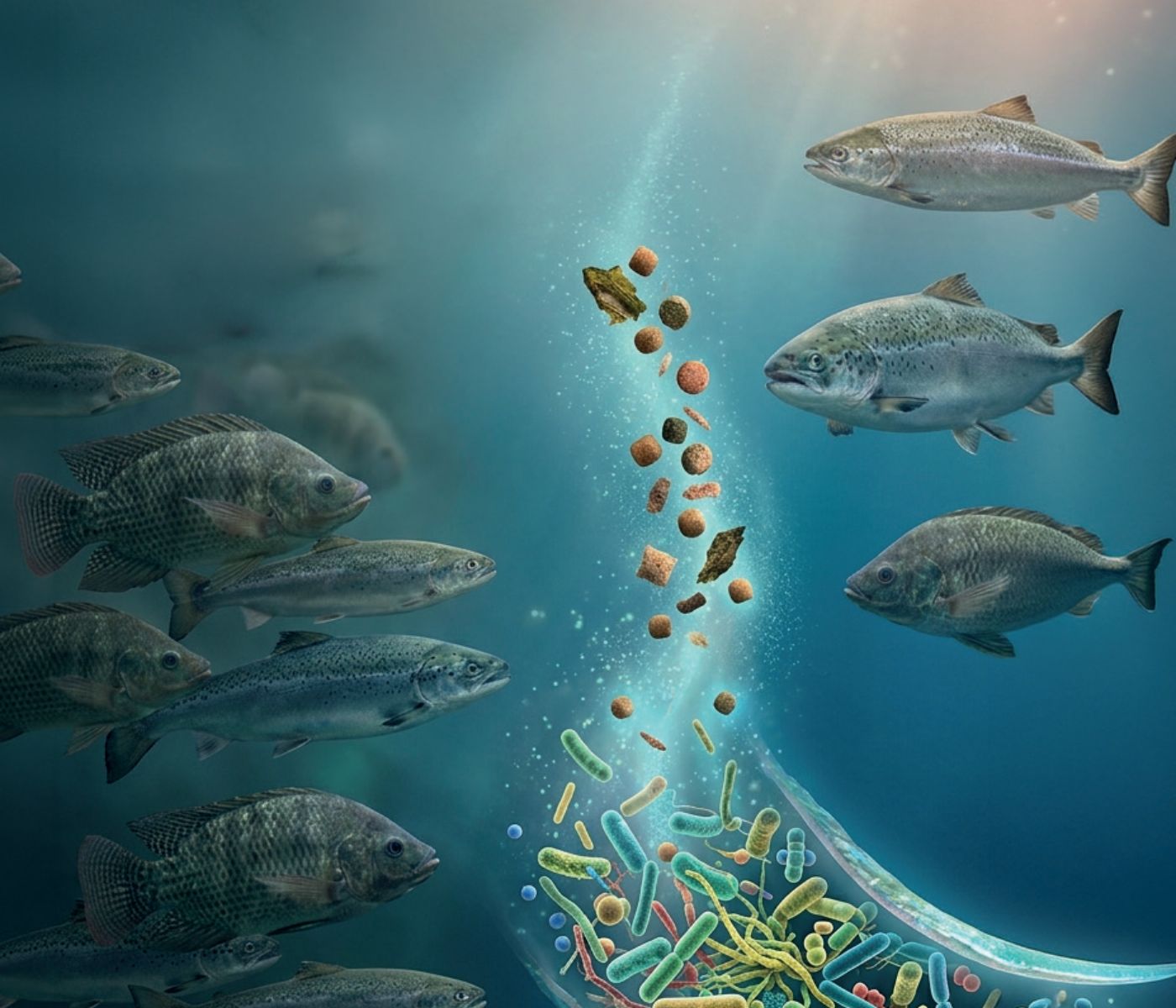
From Antibiotics to Functional Feeds in Aquaculture
Babatunde Saliu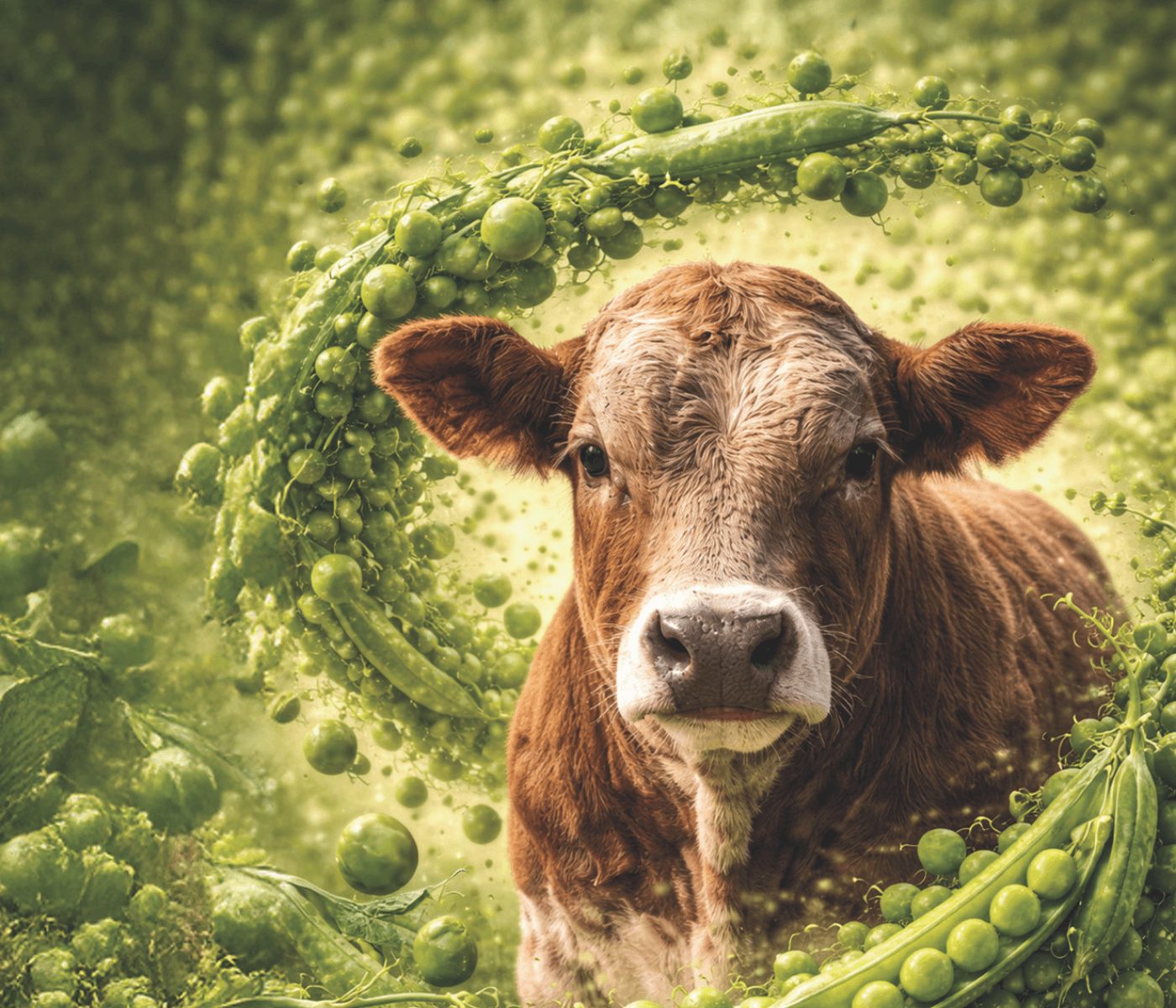
Peas as an Alternative to Soybean Meal in Beef Cattle Finishing Diets
Daniel Villalba Mata,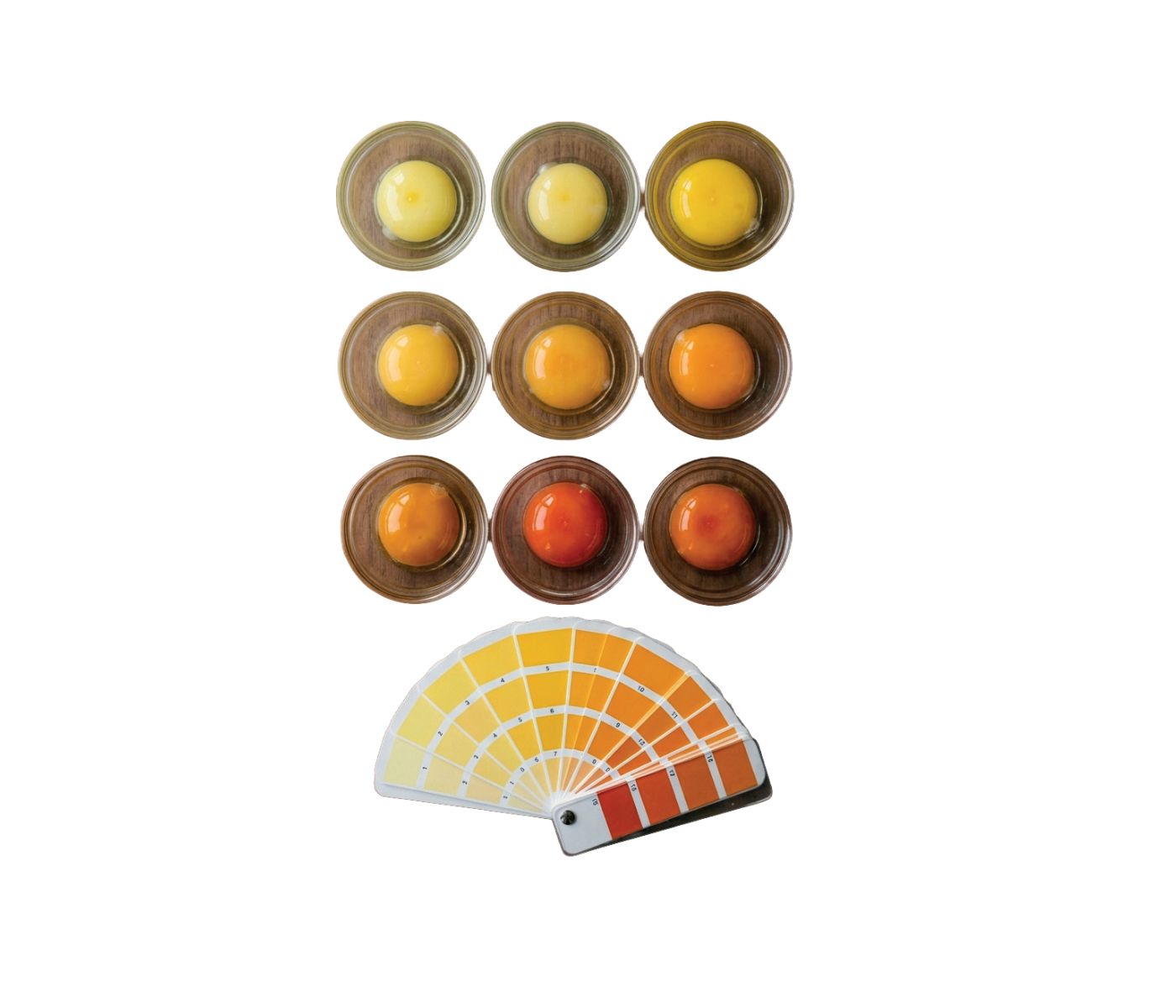
Improving Egg Yolk Pigmentation Through Better Nutrient Transport

Aquaculture and Aquaponics Nutrition: How Fish Shape the Growth of Greens
Trenton Corby
Consistency in Soybean Meal Drives Performance and Sustainability