 19 May 2026
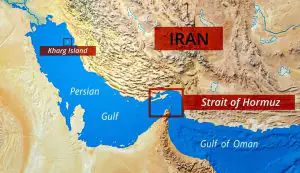
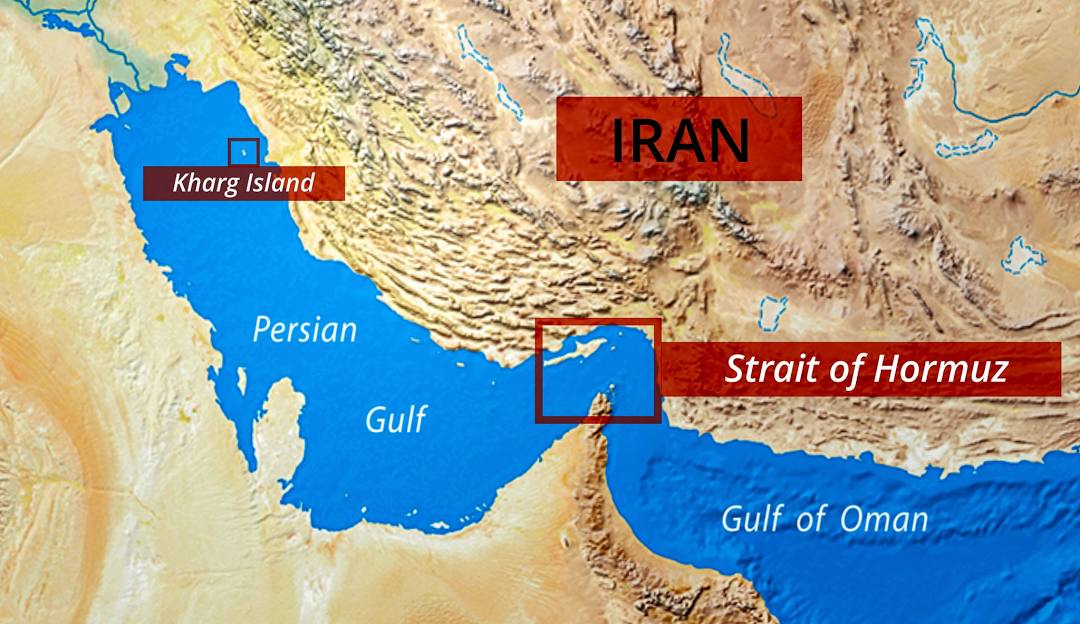
The ASEAN Food and Beverage Alliance (AFBA), ASEAN Business Advisory Council (ASEAN-BAC) and Food Industry Asia (FIA) call on the ASEAN Secretariat, ASEAN Member State governments, and key partner states to take immediate, time-bound action over the next six months to keep ASEAN’s food system stable in the event of renewed or extended disruption in the Strait of Hormuz and wider energy markets.
A Hormuz shock would not remain only an energy issue. In ASEAN it would move quickly into food manufacturing and food service through fuel, electricity, freight, insurance, fertilizer, packaging, imported ingredients, cold chain and working capital.
If left unmanaged, these pressures could reduce production runs, disrupt procurement from farmers and fisheries, weaken SME distributors and operators, and raise food prices for consumers.
The three institutions therefore urge five priority actions:

1 – Keep trade open and friction low for critical food-system goods
ASEAN governments should avoid new export bans, non-automatic licensing delays and inconsistent border treatment on food, feed, fertilizer, packaging materials, additives, sanitation chemicals and other essential processing inputs.
Customs authorities should activate crisis green lanes, pre-arrival processing and risk-based clearance for perishables and priority food system cargoes.
2 – Protect energy continuity for food manufacturing, cold chain and distribution
Member States should treat food factories, cold storage, warehousing, fisheries handling, reefer logistics and staple distribution as priority users for electricity and fuel continuity during acute stress.
Temporary, transparent and time-bound measures to prevent spoilage and production stoppages are justified where the alternative is physical shortage.
3 – Mobilize emergency finance, foreign-exchange access and insurance support
Member States should treat food factories, cold storage, warehousing, fisheries handling, reefer logistics and staple distribution as priority users for electricity and fuel continuity during acute stress.
Temporary, transparent and time-bound measures to prevent spoilage and production stoppages are justified where the alternative is physical shortage.
4 – Provide temporary regulatory agility without compromising food safety
Food safety must remain non-negotiable, but regulators should allow faster handling of low-risk administrative changes that support continuity, including approved supplier switches, origin changes, alternative packaging formats, pack-size adjustments and temporary label transition periods, provided traceability, documentation and recall readiness are maintained.
The objective should be continuity inside a science-based framework, not deregulation.
5 – Establish a standing ASEAN public-private resilience mechanism for the next six months
This mechanism should connect the ASEAN Secretariat, relevant economic, agriculture, energy and finance tracks, and industry bodies, with a simple operational mandate: share market intelligence, identify bottlenecks, flag emerging shortages, and coordinate fast responses before national problems become regional disruptions.
It should also protect farmer-manufacturer linkages by supporting continuity of procurement and prompt payment where commercially feasible.

Subscribe now to the technical magazine of animal nutrition
AUTHORS
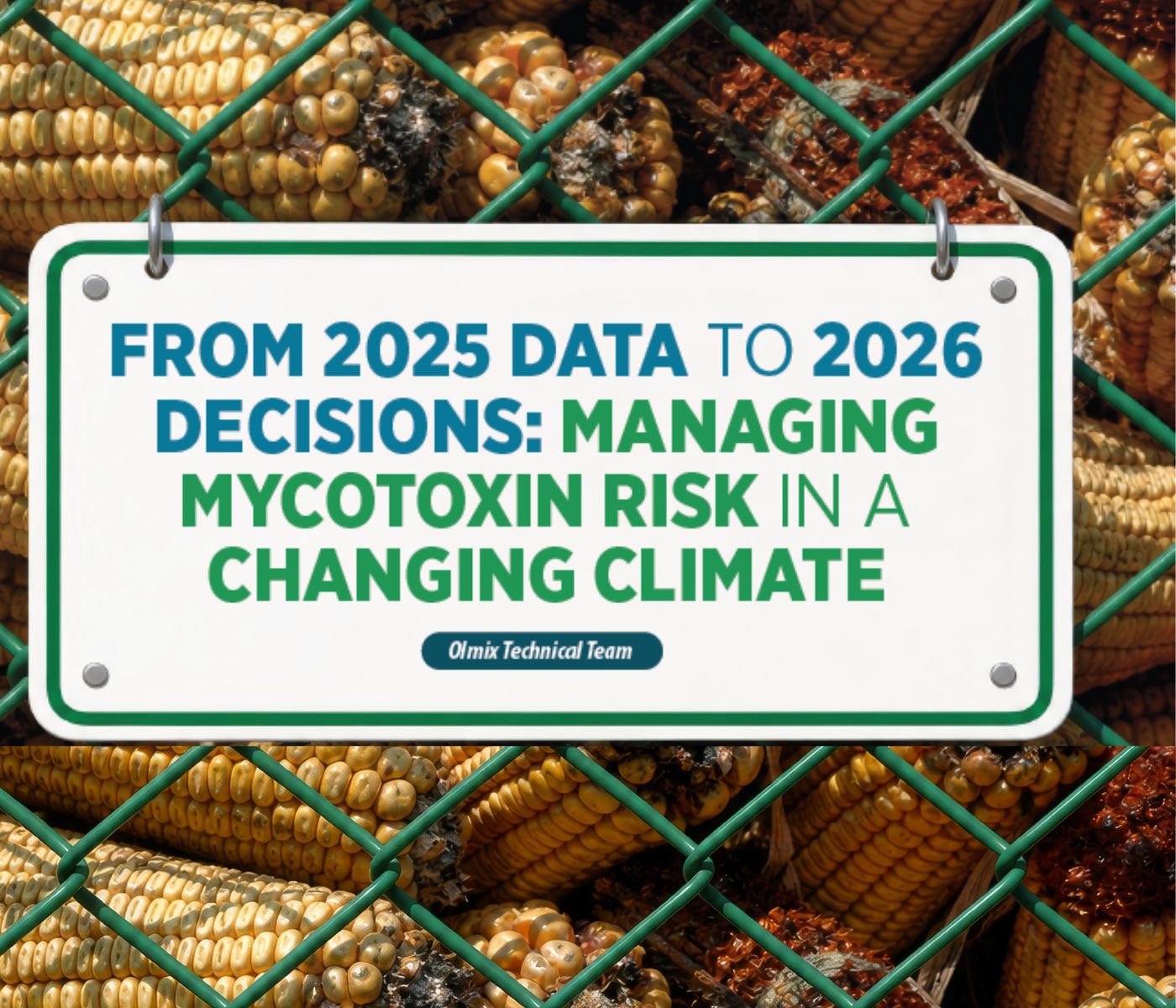
From 2025 Data to 2026 Decisions: Managing Mycotoxin Risk in a Changing Climate
Alterion® NE Celebrates 10 Years of Poultry Gut Health Innovation
The Science Behind Kolin Plus: Beyond Choline Replacement
Summer Infertility in Sows: Managing Heat Stress and Reproductive Performance
AO-Biotics® Amaferm®: Supporting Livestock Digestion and Performance

Interview with Güner Gövenç
Güner Gövenç,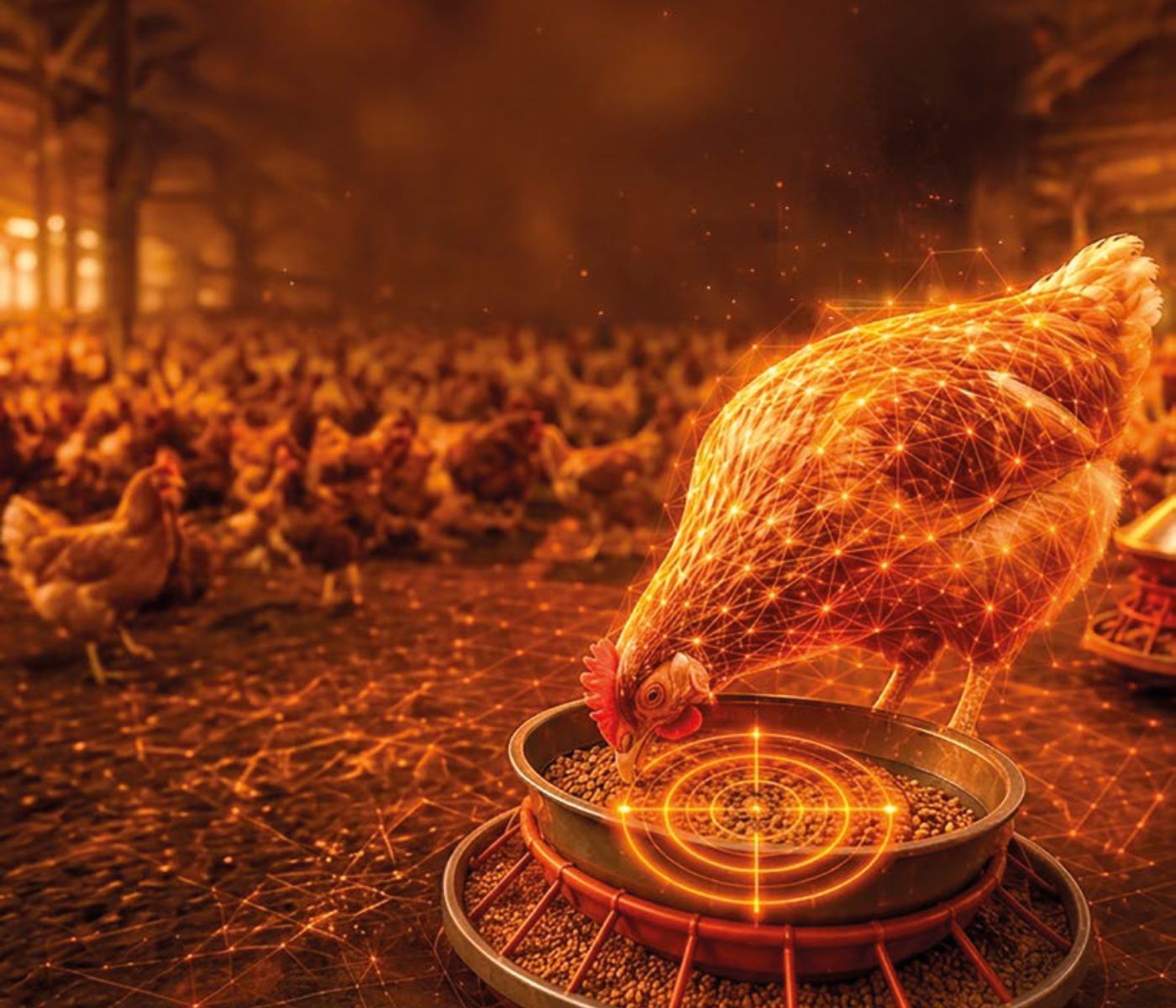
Net Energy and Precision Feeding Shape the Future of Poultry Nutrition
Edgar Oviedo
Mycotoxins in Swine: Health Risks and Nutritional Solutions
Giuseppe Carcò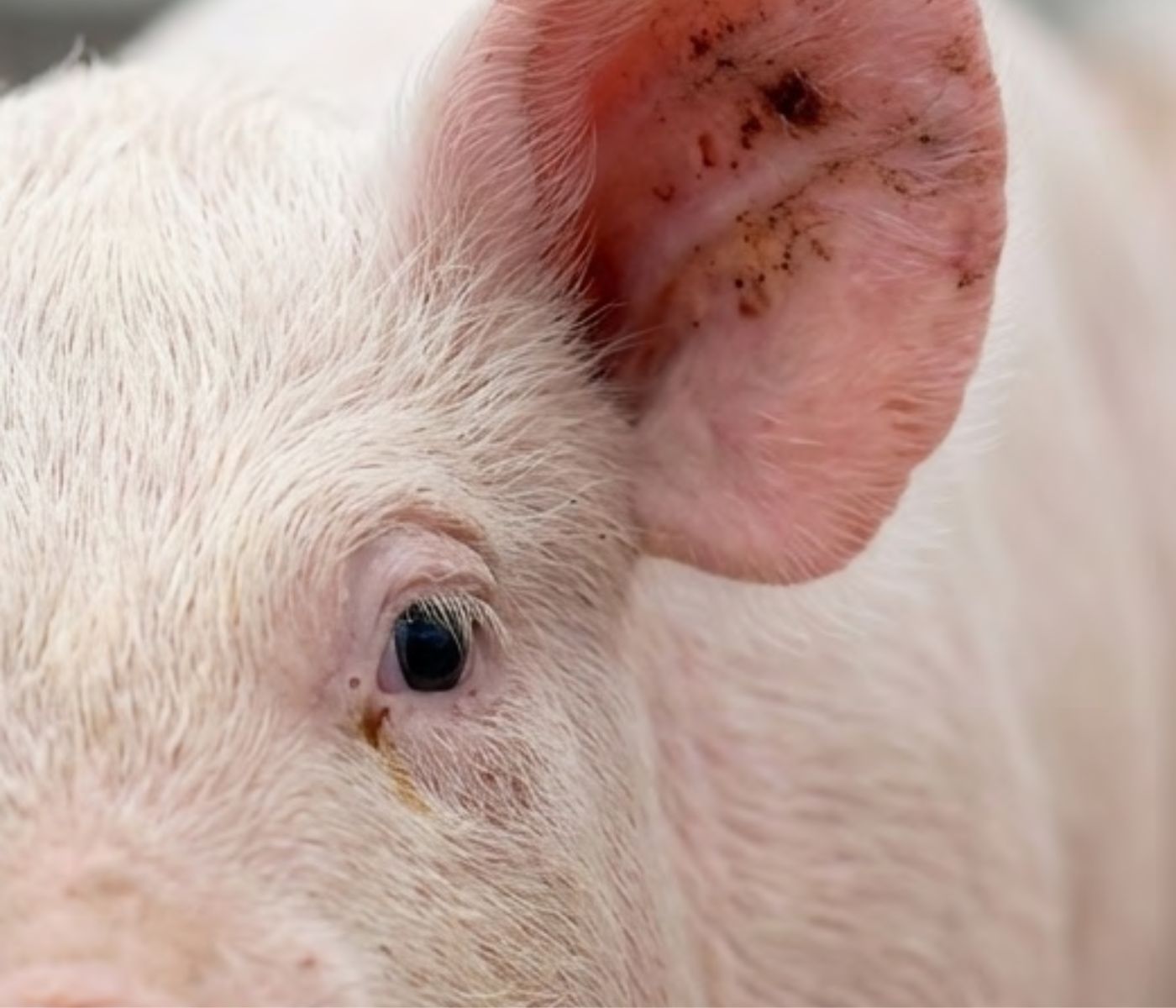
Mycotoxins and Piglet Ear Necrosis: Cause, Cofactor or Coincidence?
Alberto Morillo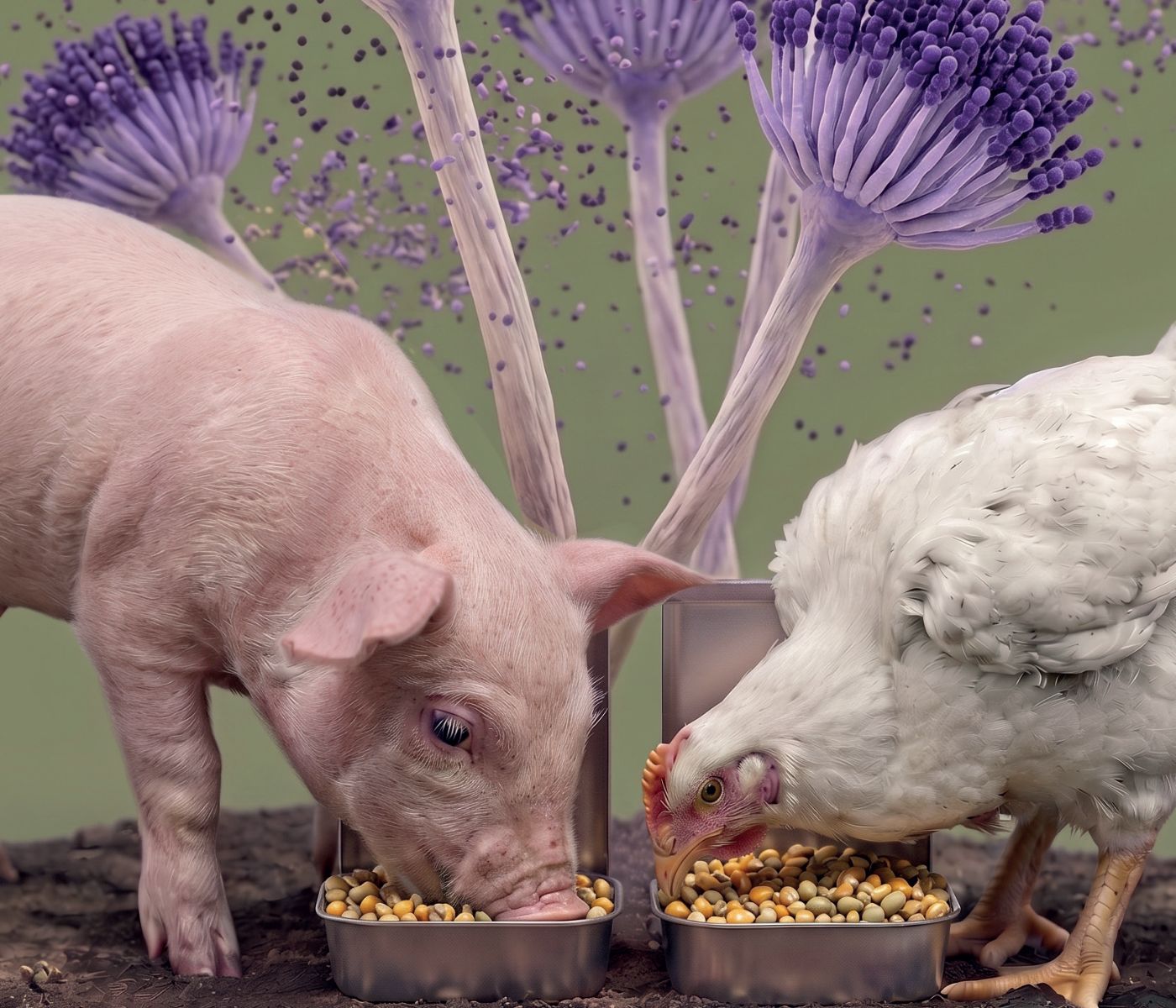
How Mycotoxins Affect Intestinal Health in Pigs and Poultry
Marcos Rostagno
From Antibiotics to Functional Feeds in Aquaculture
Babatunde Saliu
Peas as an Alternative to Soybean Meal in Beef Cattle Finishing Diets
Daniel Villalba Mata,
Improving Egg Yolk Pigmentation Through Better Nutrient Transport

Aquaculture and Aquaponics Nutrition: How Fish Shape the Growth of Greens
Trenton Corby
Consistency in Soybean Meal Drives Performance and Sustainability