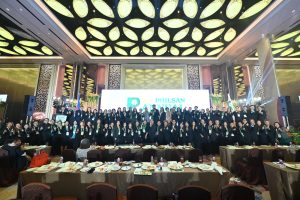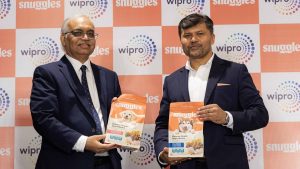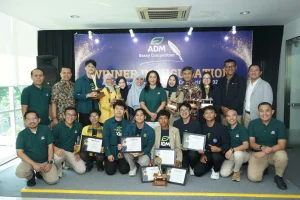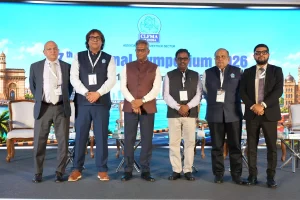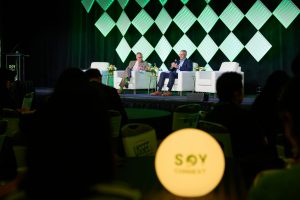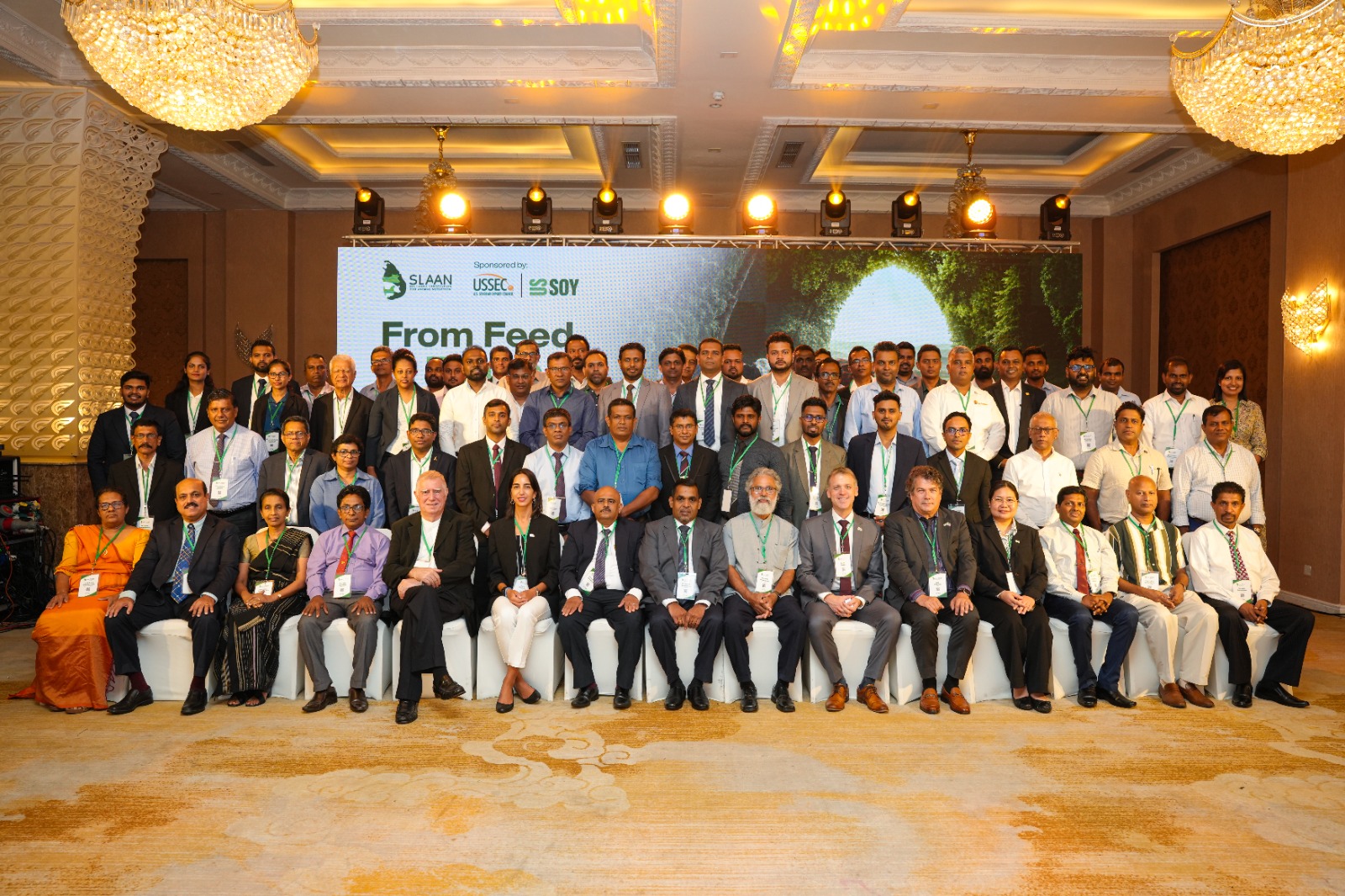
Sri Lanka’s industry marked a new chapter with the launch of the Sri Lanka Association of Animal Nutrition (SLAAN) at an event hosted in collaboration with the US Soybean Export Council (USSEC) in Kandy earlier this month.
“We established SLAAN as a professional body dedicated to advancing the livestock industry through science, innovation, and sustainability,” said SM Rohitha Samarakoon, Founder President of SLAAN.
“With partners such as USSEC, we remain committed to supporting the sector’s evolving needs through technical collaboration, knowledge sharing, and sustainable growth initiatives.”
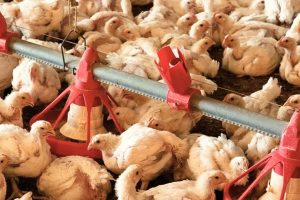
Sri Lanka’s growing poultry sector is playing a pivotal role in strengthening the nation’s food and nutrition security. Fueled by high-quality feed ingredients, the animal feed industry produces approximately 1.3 million tons of feed annually. Poultry remains the largest customer of this feed, meeting its demand through US soybean meal imports, which are up 30% year over year.

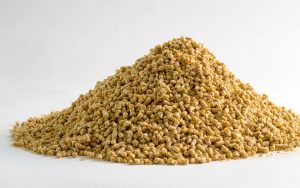
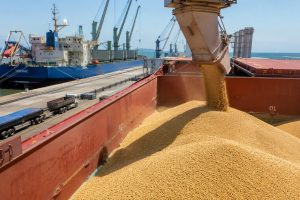
In 2025, Sri Lanka ranked as the largest market for containerized US soybean meal, importing 255,000 tons. This demonstrates Sri Lanka’s strategic sourcing as a lever for industry growth. Containerized US soybean meal shipments remain the industry’s preferred choice, offering greater procurement flexibility and ease of handling specific quantities.
“As South Asia’s largest market for US soybean meal, US Soy is proud to support Sri Lanka’s industry through high-quality and sustainable feed ingredients,” said Kevin Roepke, Executive Director at USSEC.
Sri Lanka’s industry has continued to show resilience even amid disruptions. Prioritizing long-term value in feed ingredients, such as US Soy, has strengthened the industry’s supply chain while boosting animal performance. Sri Lankan customers benefit from US Soy’s advantages of its ‘4Ds’, including naturally sun-dried, lower damage, higher digestibility, and deforestation-free production. These traits improve animal outcomes while increasing profit potential.
“As nutritionists, we are committed to using the highest quality raw materials to harness the best for our feed millers and farmers, and through our partnership with US Soy, we are strengthening performance, reliability, and long-term growth,” said Ajith Weerasinghe, Advisor to SLAAN and President of the Lanka Poultry Forum.
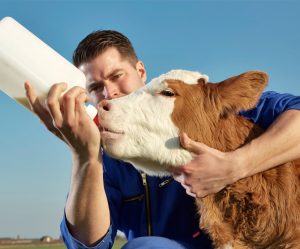
Feed made from US soybean meal also requires fewer synthetic amino acids, making it a more cost-effective and reliable option, especially in times of trade disruption.
With sustainability integration taking priority across Sri Lanka’s agriculture and feed value chain, US Soy, verified under the US Soy Sustainability Assurance Protocol (SSAP), allows users to meet customer and regulatory requirements.
To date, 16 Sri Lankan poultry producers and feed millers have also signed licenses to feature the Sustainable US Soy or Fed with Sustainable US Soy labels on their packaging, signaling a strong shift toward sustainable sourcing. To feature the label, qualifying companies must purchase more than 60% of SSAP-verified US Soy.
Subscribe now to the technical magazine of animal nutrition
AUTHORS
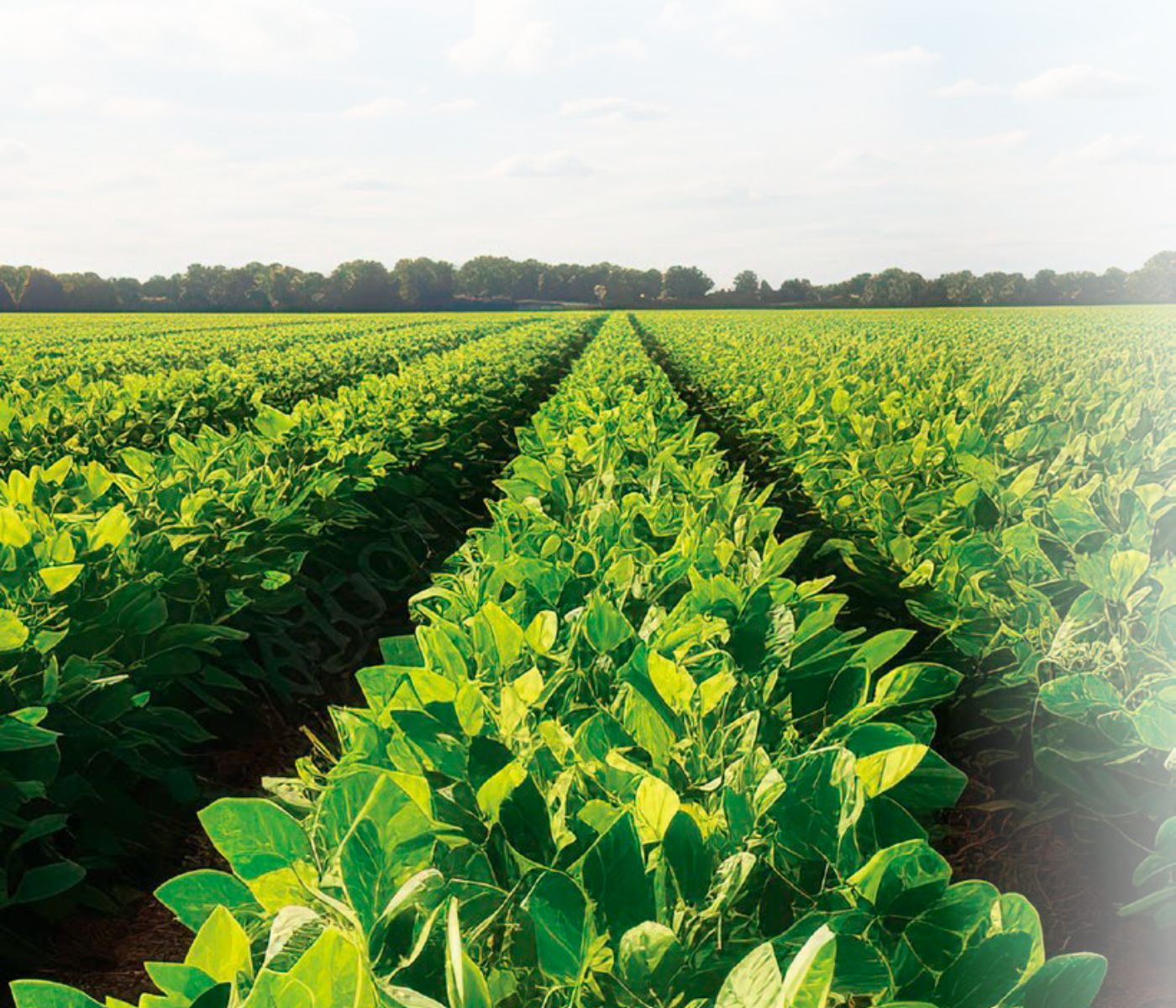
Consistency in Soybean Meal Drives Performance and Sustainability
Anna Cotcho
Kolin Plus FC: greener choline nutrition for poultry
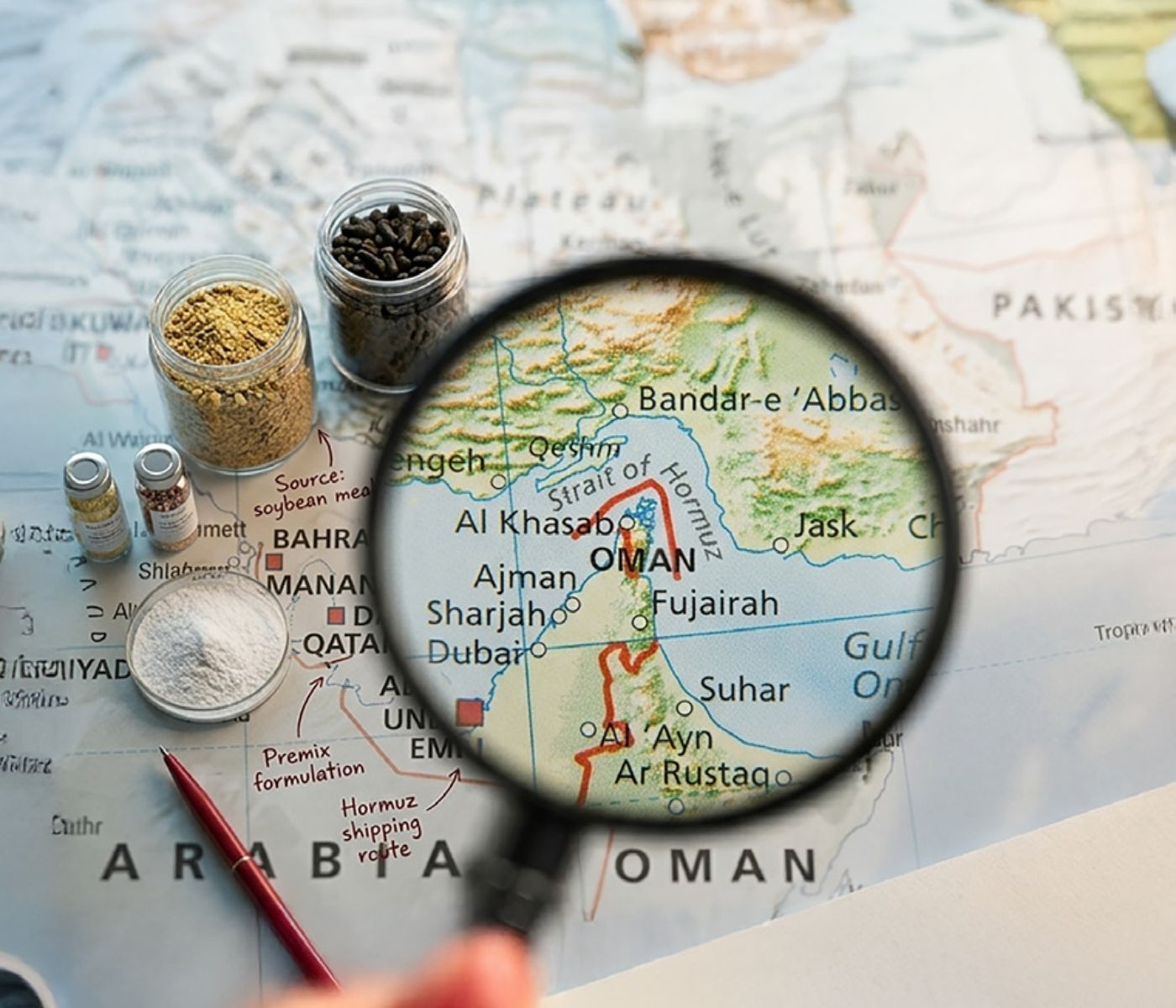
Middle East conflicts disrupt global feed markets
Edgar Oviedo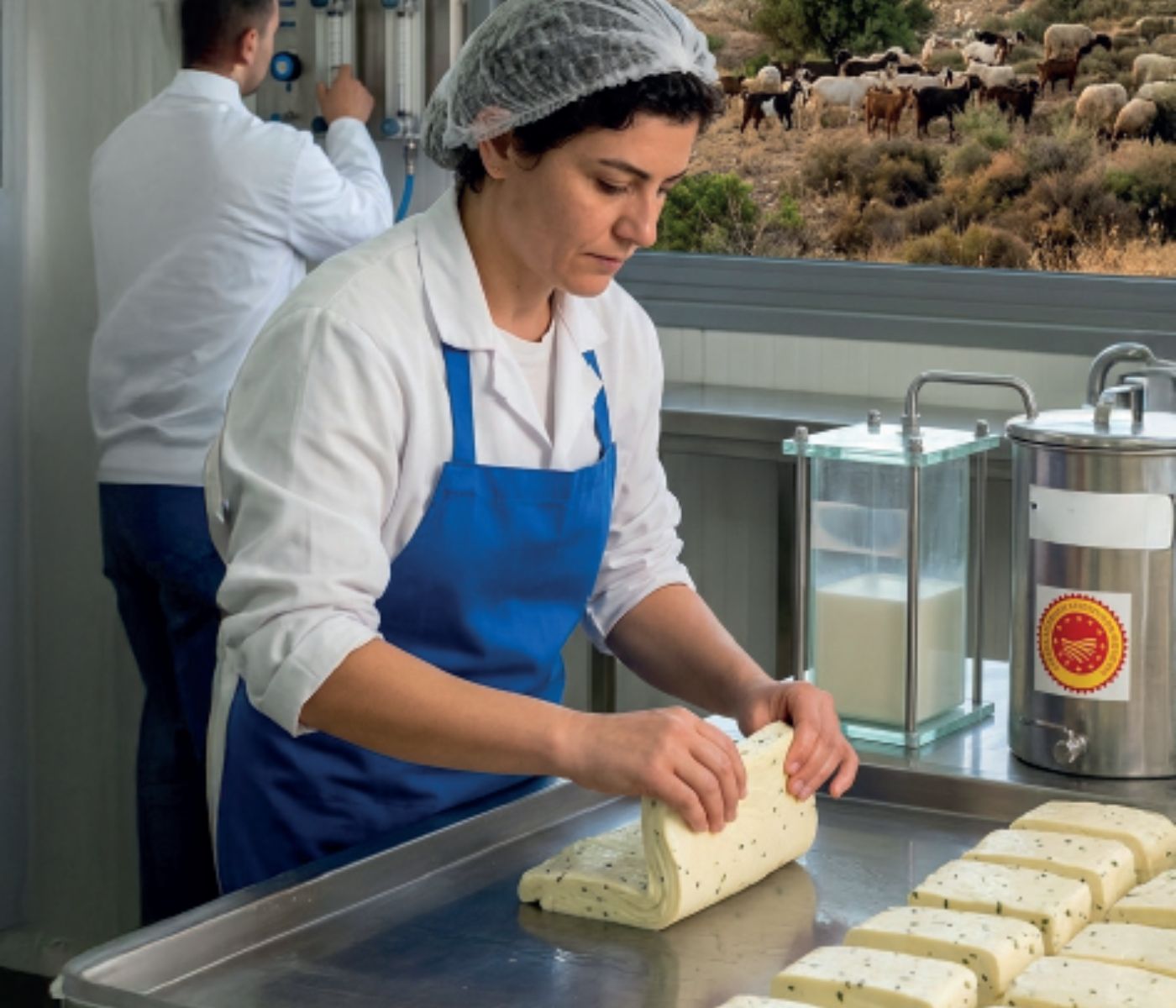
Optimizing nutrition for dairy goat and sheep productivity in Cyprus
Carolina Kyriacou
pHix-up improves rumen stability in dairy cows
Subacute ruminal acidosis
Net energy and growth: keys to better prediction in swine production
Gabriela Martínez
How starch structure & protein reduction shape gut health in weaned pigs
Diana Luise
Astaxanthin supplementation in aquaculture
Babatunde Saliu
What is intestinal health?
Marcos Rostagno
Calcium, phosphorus, and phytase optimization in broiler diets
Anna Cotcho