 07 May 2026
The animal nutrition industry is undergoing a structural shift. What was once a conversation centered on performance alone has evolved into a more complex equation—where return on investment (ROI) and sustainability must be delivered together.
As market volatility, regulatory pressure, and consumer expectations intensify, the sector is being pushed to redefine how value is created and measured.
Despite rapid innovation, one principle remains unchanged: producers prioritize profitability above all.
Tight margins and fluctuating raw material costs mean that every nutritional solution must demonstrate:
Today, ROI is no longer limited to feed conversion ratios. Instead, it encompasses whole-system efficiency, including animal health, longevity, and overall productivity.
Sustainability has moved beyond corporate messaging—it is now a key purchasing driver, particularly in developed markets.
Across the value chain, stakeholders are demanding:
This shift is transforming product development strategies and forcing companies to align innovation with environmental goals—without compromising performance.
One of the most significant developments is the growing importance of carbon footprinting.
Environmental impact is increasingly being quantified, making it:
As a result, animal nutrition solutions are now evaluated not only on performance, but also on their contribution to emission reduction and resource efficiency.
The complexity of modern production systems is accelerating a shift from product-based selling to partnership-driven models.
Companies are increasingly working alongside producers to:
This collaborative approach reflects a clear reality: sustainable performance cannot be achieved through isolated solutions.
Future innovation will focus on areas that deliver both economic and environmental value, including:
These priorities highlight a broader transition toward efficiency-driven, resilient production systems.
The future of animal nutrition lies in convergence, not compromise.
Profitability and sustainability are no longer opposing forces—they are becoming interdependent drivers of success.
Companies that can translate this balance into practical, measurable solutions will be best positioned to lead in an increasingly demanding global market.
Stay up to date with the latest innovations, expert opinions, and market developments on nutriNews. Watch the full video: https://www.youtube.com/watch?v=kUx8xUT8OnU

Subscribe now to the technical magazine of animal nutrition
AUTHORS
From 2025 Data to 2026 Decisions: Managing Mycotoxin Risk in a Changing Climate
Alterion® NE Celebrates 10 Years of Poultry Gut Health Innovation
The Science Behind Kolin Plus: Beyond Choline Replacement
Summer Infertility in Sows: Managing Heat Stress and Reproductive Performance
AO-Biotics® Amaferm®: Supporting Livestock Digestion and Performance

Interview with Güner Gövenç
Güner Gövenç,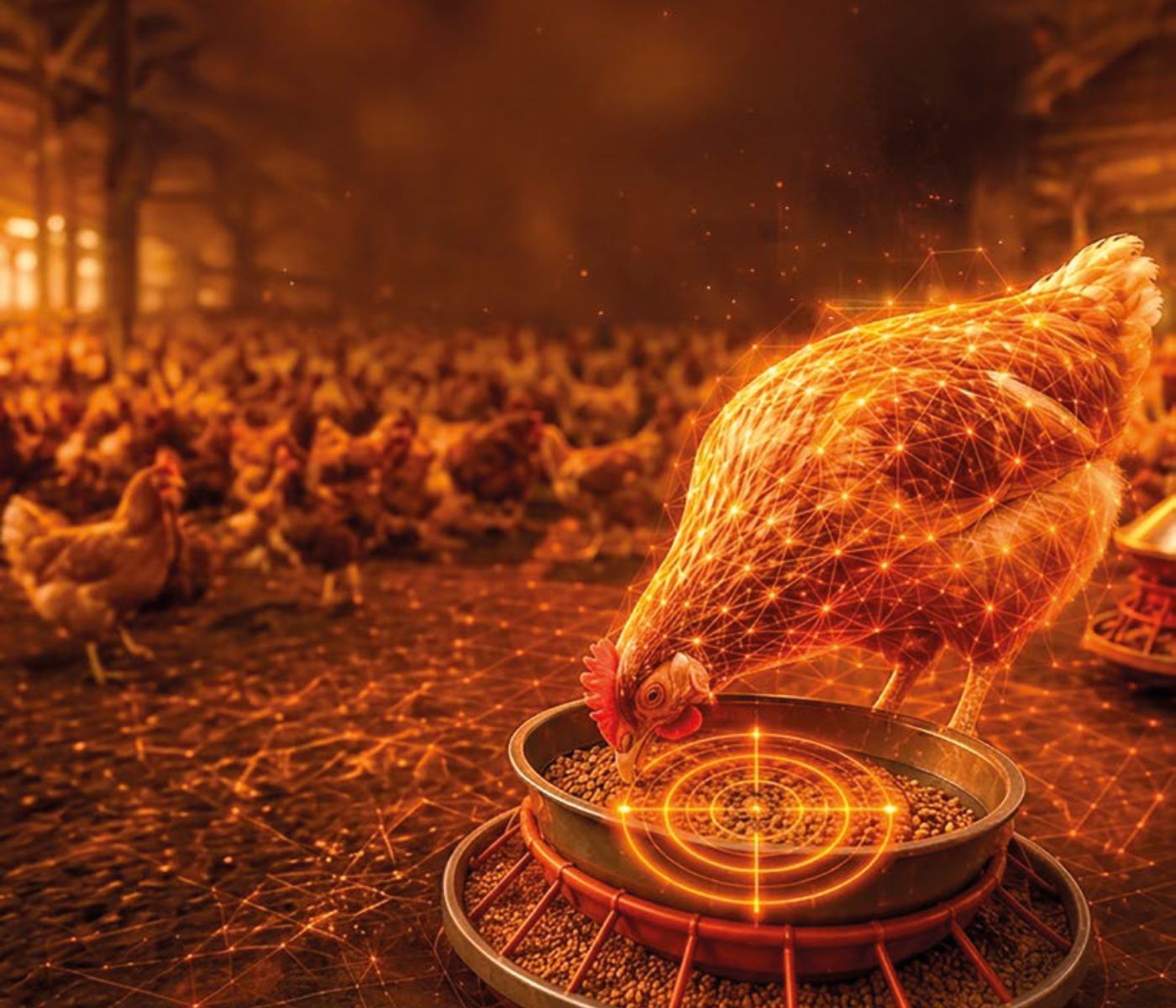
Net Energy and Precision Feeding Shape the Future of Poultry Nutrition
Edgar Oviedo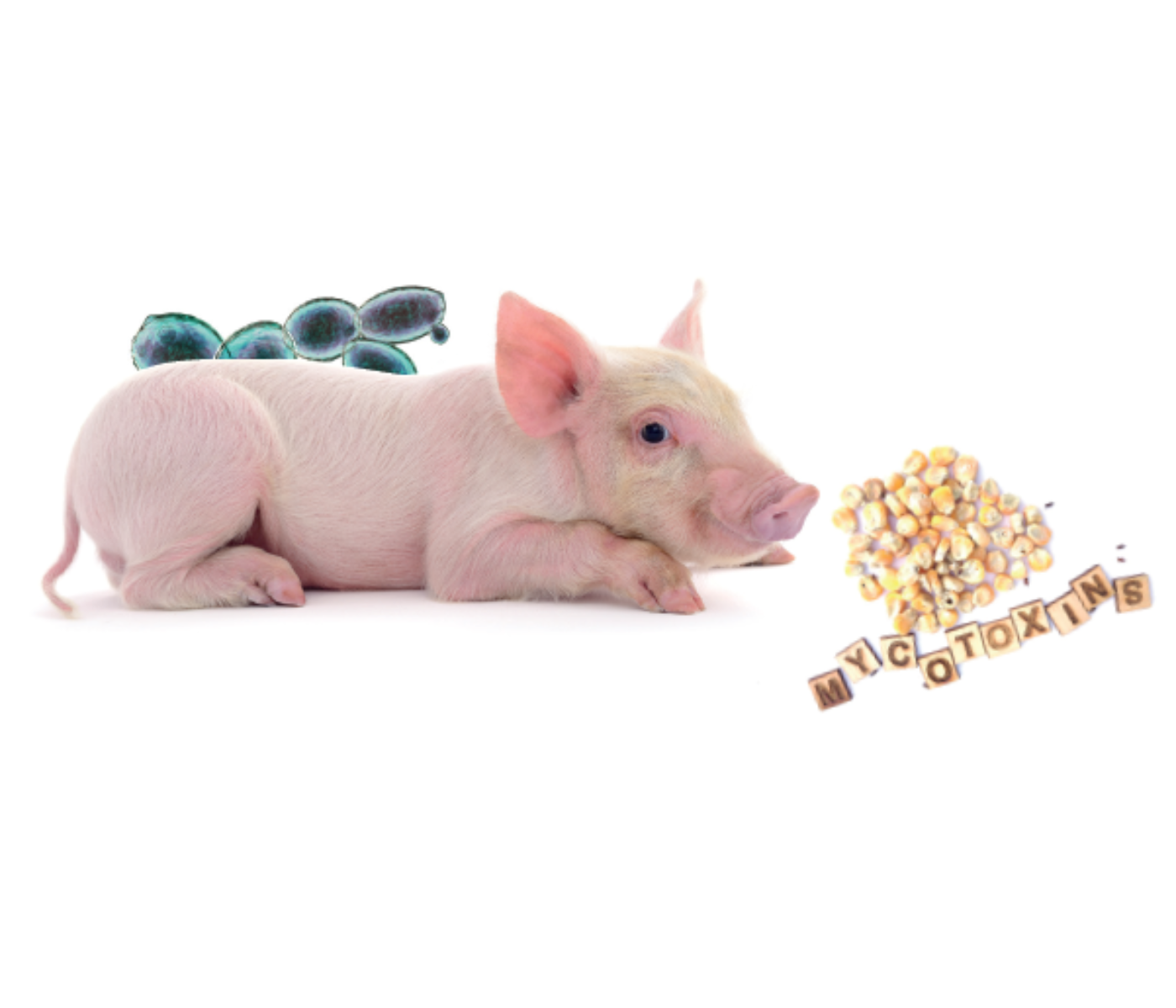
Mycotoxins in Swine: Health Risks and Nutritional Solutions
Giuseppe Carcò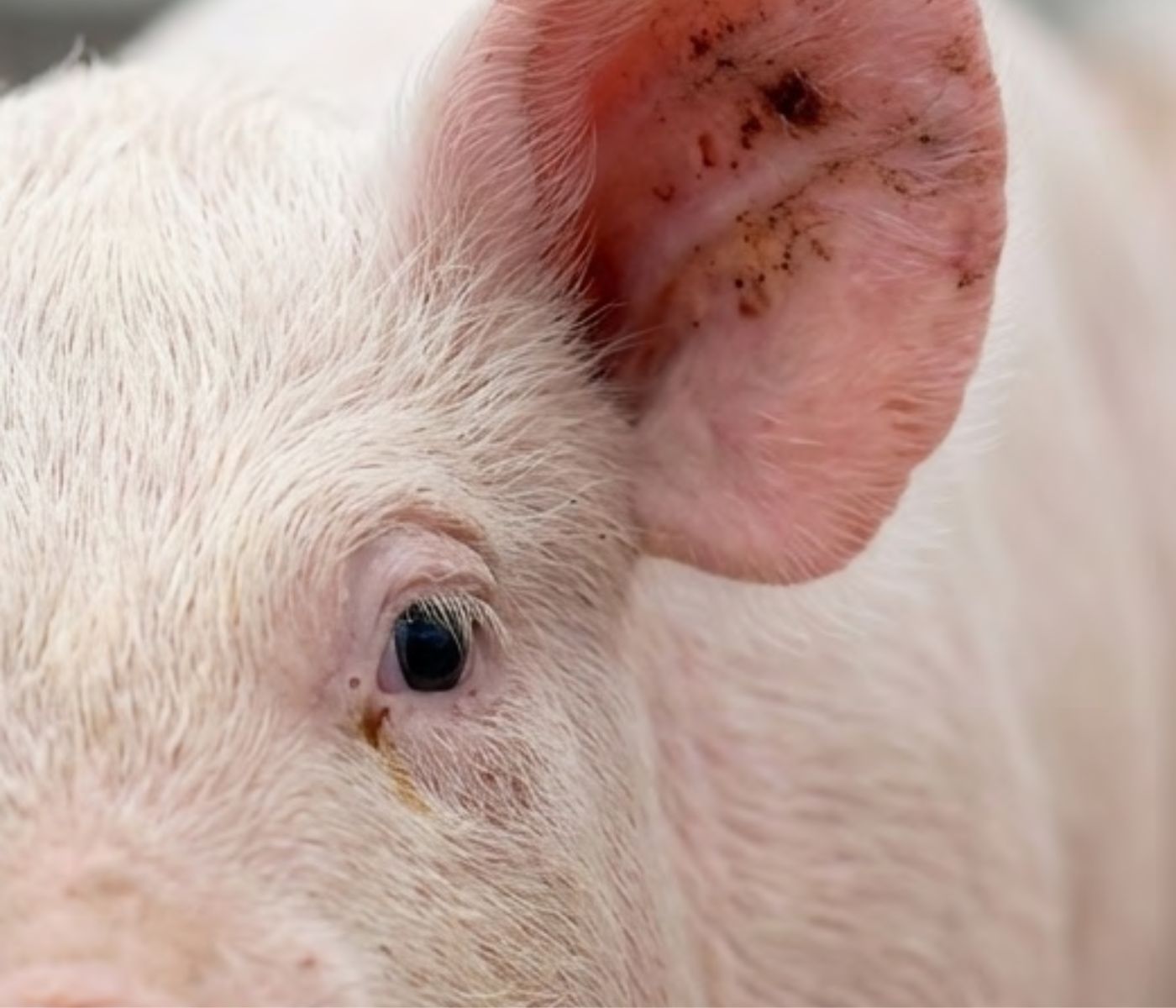
Mycotoxins and Piglet Ear Necrosis: Cause, Cofactor or Coincidence?
Alberto Morillo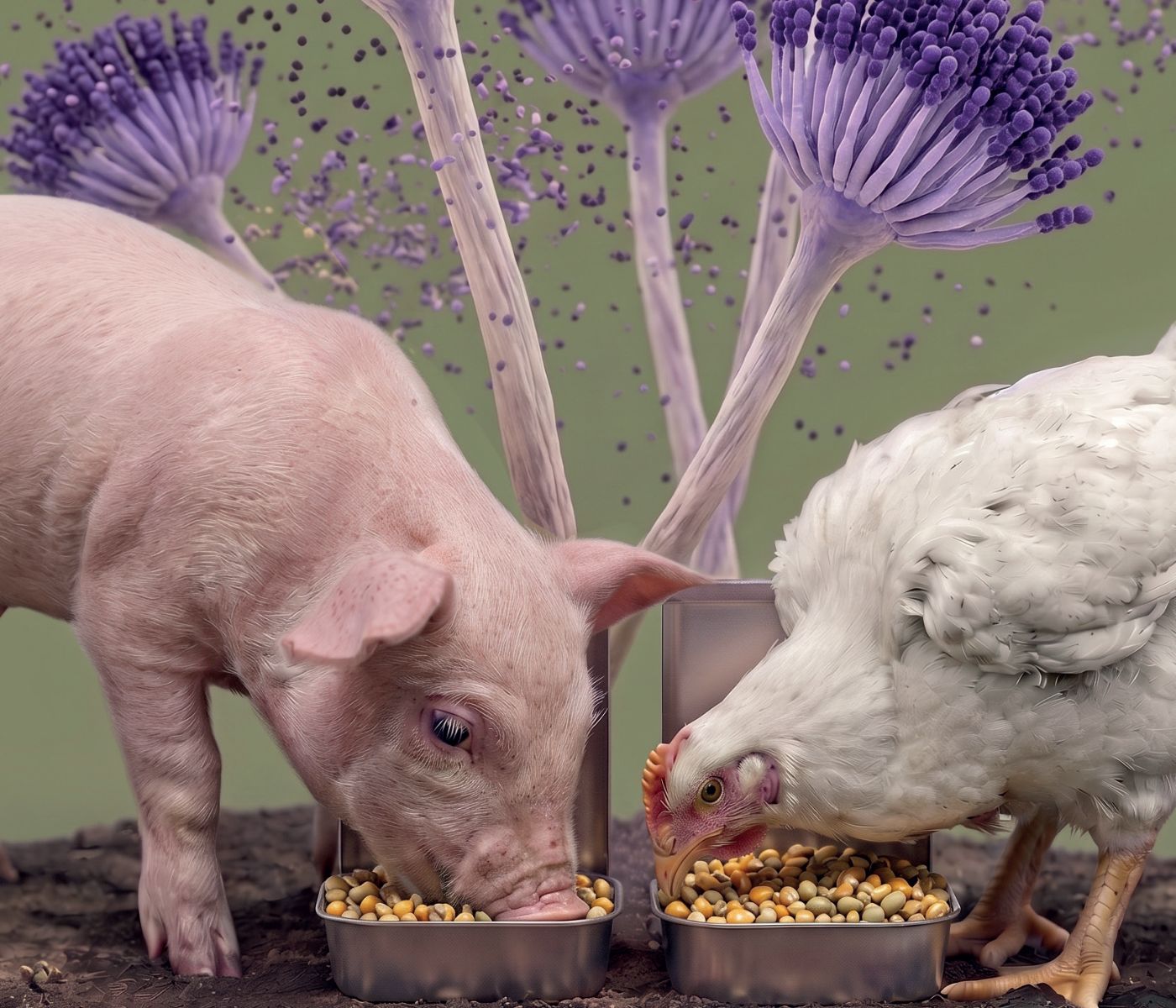
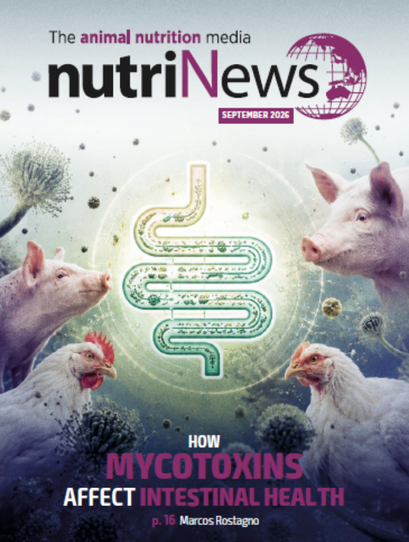
How Mycotoxins Affect Intestinal Health in Pigs and Poultry
Marcos Rostagno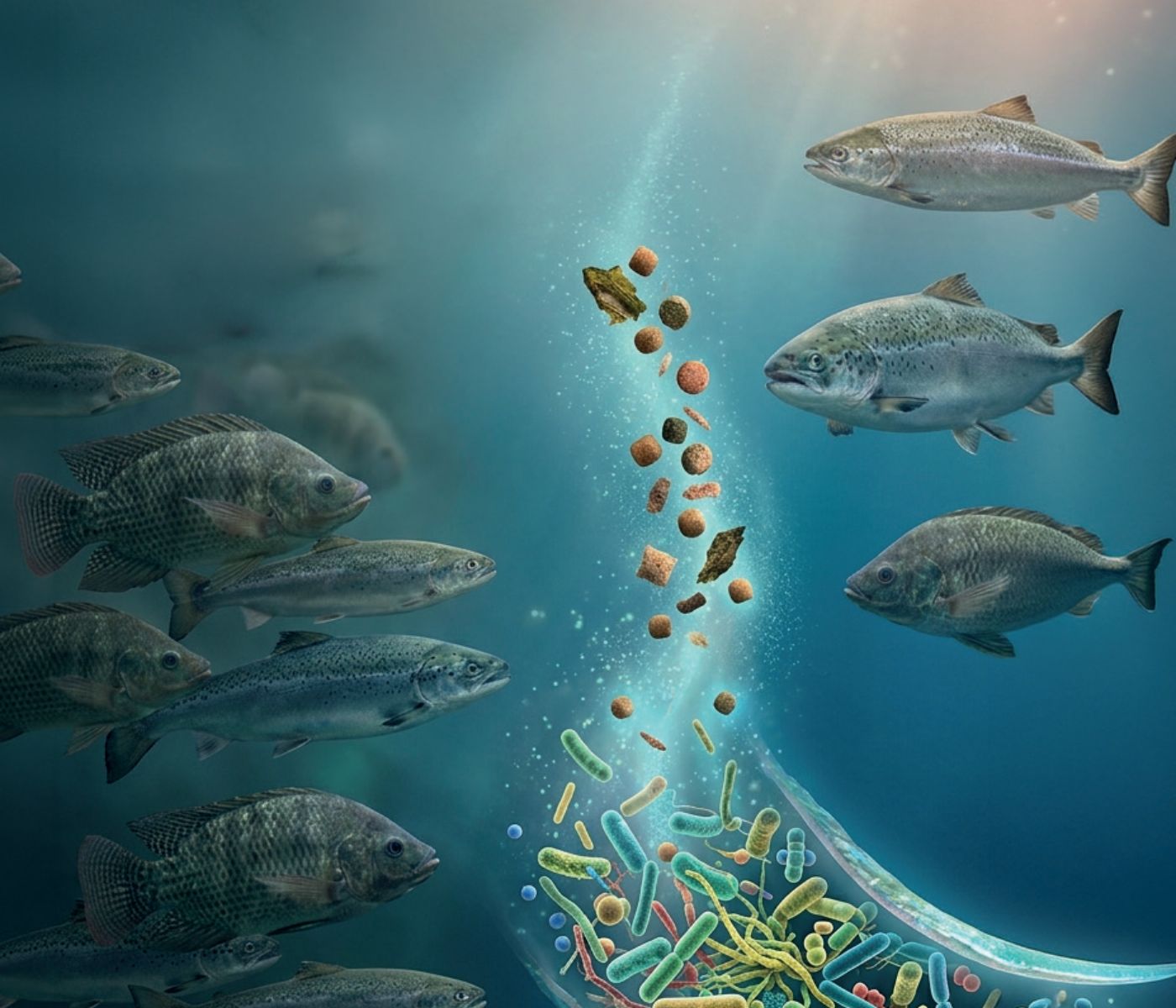
From Antibiotics to Functional Feeds in Aquaculture
Babatunde Saliu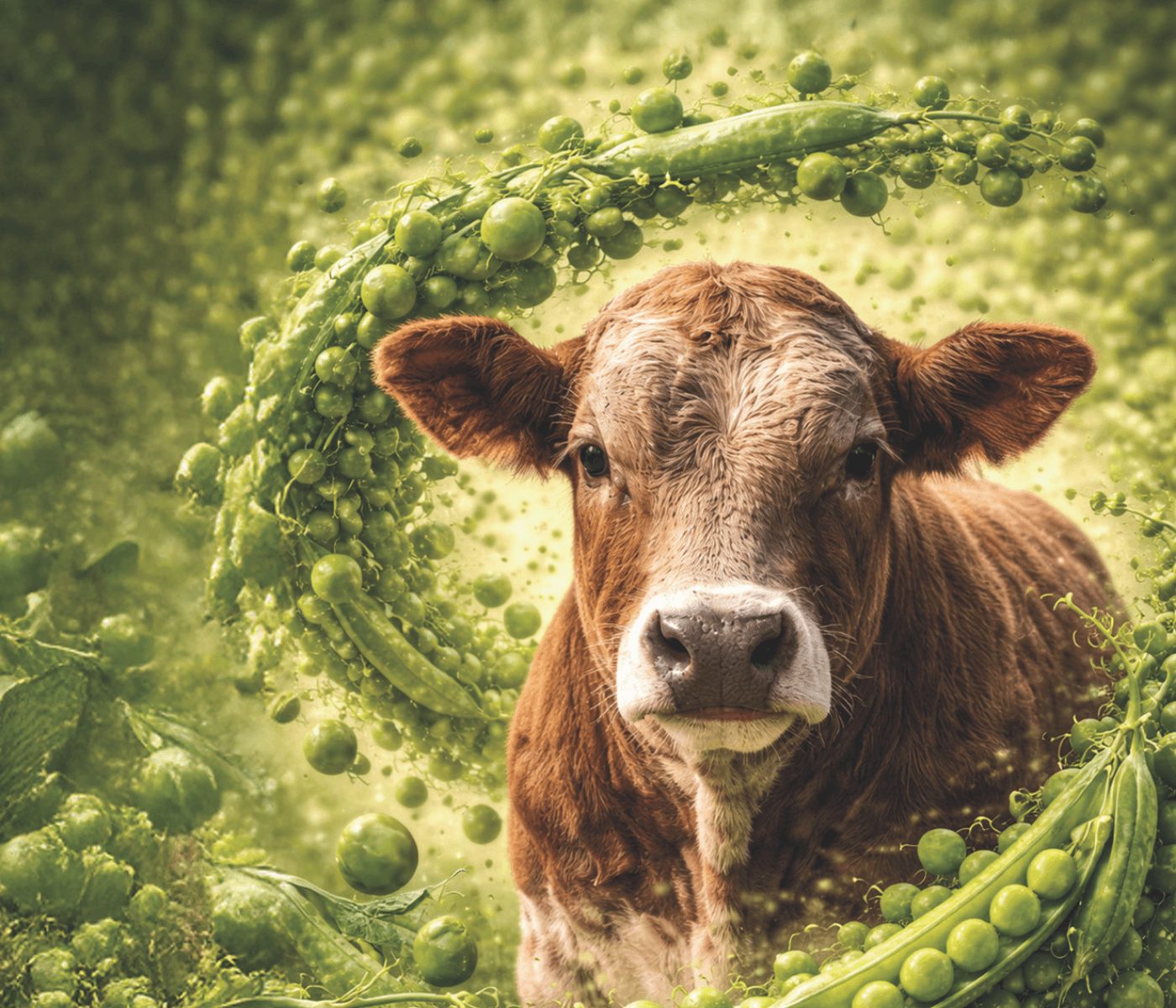
Peas as an Alternative to Soybean Meal in Beef Cattle Finishing Diets
Daniel Villalba Mata,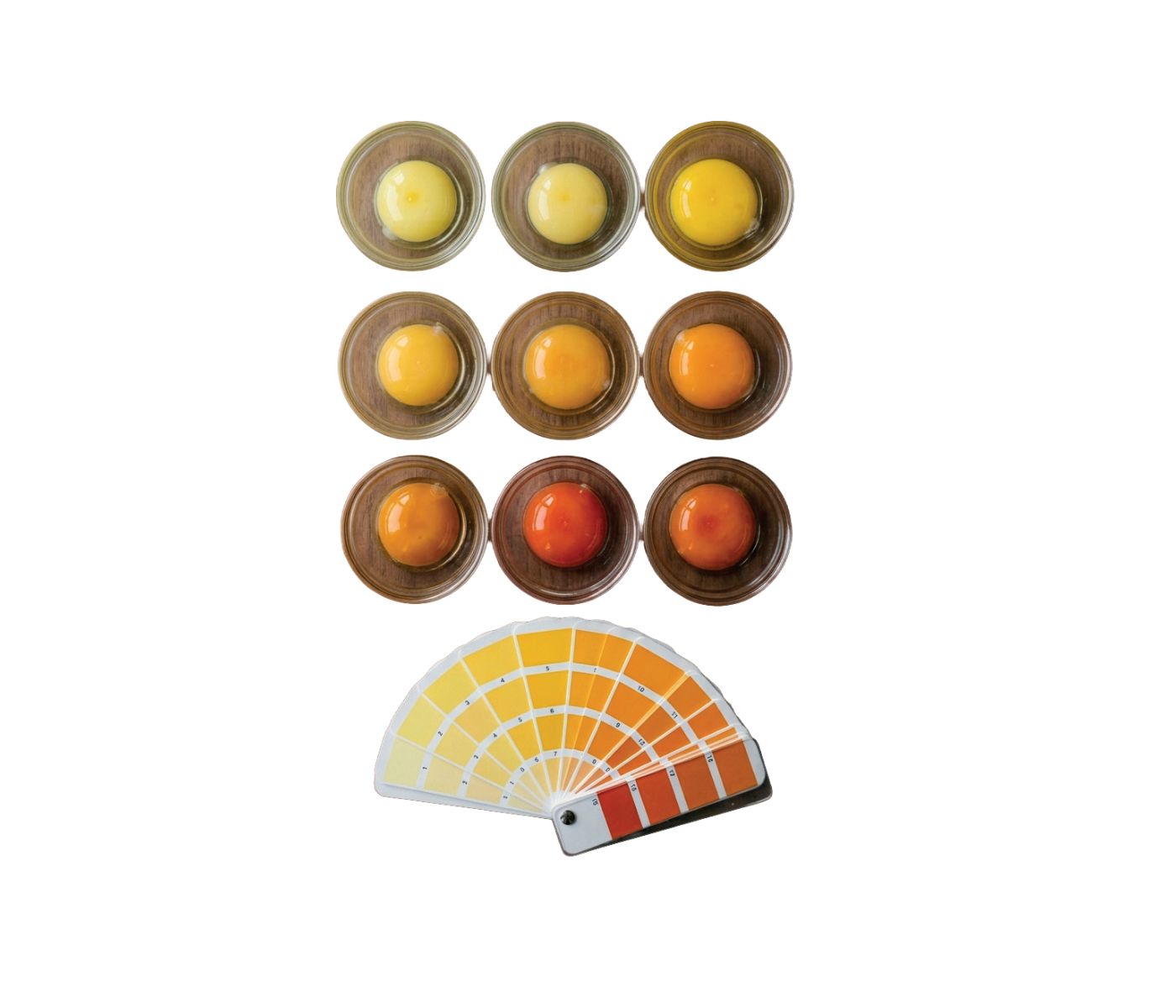
Improving Egg Yolk Pigmentation Through Better Nutrient Transport

Aquaculture and Aquaponics Nutrition: How Fish Shape the Growth of Greens
Trenton Corby
Consistency in Soybean Meal Drives Performance and Sustainability