 07 Oct 2022
Threonine, arginine and glutamine have been shown to have a positive influence on broiler intestinal physiology and health.
Although intestinal tissue accounts for only about 5% of body weight, it consumes 15 to 30% of the body’s O2 supply and protein(Gaskins, 2001). As well as 20% of the body’s energy (McBride and Kelly, 1990) due to its rapid renewal rate and intense metabolic activity.
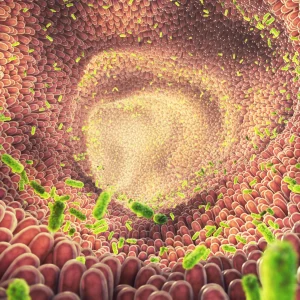
An intact intestinal mucosa protects animals from the absorption of toxic substances found in feed, as well as from pathogenic microorganisms and the antigens they secrete.
In combination with the intestinal mucosa, microbiota plays a role as part of the animal’s first line of defense. Exerting its influence by regulating of cell permeability, altering gene expression in goblet cells to increase mucus production and stimulating the secretion of antimicrobial peptides (Laparra and Sanz, 2010).


As such, a well-established gut microbiota brings benefits to the host, while microbial imbalance can contribute to the onset of disease and increase the competition for nutrients with the host.
In addition to causing direct morphological damage, diseases such as coccidiosis and necrotic enteritis (NE) can reduce the number of desirable groups of bacteria which modulate the host’s immune system (Antonissen et al., 2016).
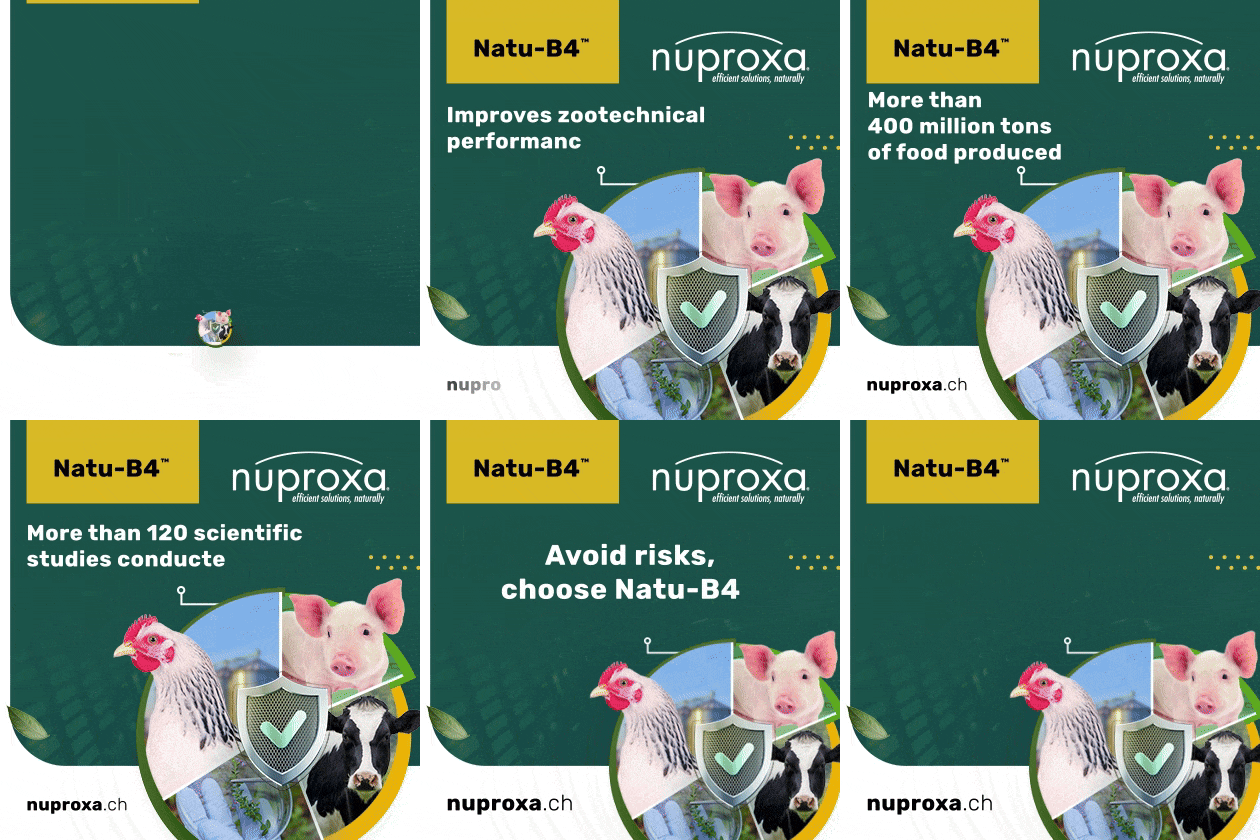

Nutrition affects the composition of microbiota (Pan and Yu, 2014) and the functions that such microorganisms perform for the host.
Nutritional strategies aimed at the regeneration of injured intestinal mucosa have the potential to improve recovery through beneficial effects on the microbiota, digestive physiology, immune system and inflammation. Increasing the density of amino acids seems to be a possible way through which such beneficial effects can be generated.
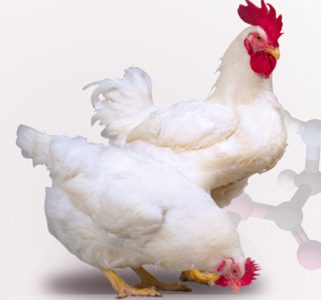
Coccidiosis and Necrotic Enteritis
Coccidiosis is the most important parasitic disease in commercial poultry production systems and is considered a major predisposing factor for the development of NE. Considering that mucus provides a suitable substrate for the proliferation of Clostridium perfringens.
Two main components are responsible for maintaining the integrity of the intestinal mucosa:
>> The first one is the mucous layer, which acts as a barrier between luminal contents and the enterocytes that line the intestine.
>> The second component of the intestinal barrier is the enterocyte layer: the intestinal epithelium is constantly renewed as proliferating cells in the mucosal crypts differentiate and migrate to the top of the villi, where they are eventually lost by peeling. This renewal rate increases considerably during an intestinal challenge.
Intestinal inflammation in broilers infected with coccidia results in necrosis of the villi, which is characterized by a reduction in villi proportion: crypt, dilation of the crypts and depletion of goblet cells. As well as presenting increased expression of inflammatory genes (iNOS, IL-1β, IL-8 and MyD88).
Amino Acids and Intestinal Health
Besides its barrier role, the main function of the gastrointestinal (GI) tract is the efficient digestion and absorption of nutrients. In order to support these functions, nutritionists must understand the gut’s immune system and its relationship with the microbiota as an organ with specific nutritional needs.
Enteric challenges can alter the immune response and certain nutrients, such as amino acids, can become limiting factors when it comes to producing key proteins for an adequate immune function.


Subscribe now to the technical magazine of animal nutrition
AUTHORS

From 2025 Data to 2026 Decisions: Managing Mycotoxin Risk in a Changing Climate
Alterion® NE Celebrates 10 Years of Poultry Gut Health Innovation
The Science Behind Kolin Plus: Beyond Choline Replacement
Summer Infertility in Sows: Managing Heat Stress and Reproductive Performance
AO-Biotics® Amaferm®: Supporting Livestock Digestion and Performance

Interview with Güner Gövenç
Güner Gövenç,
Net Energy and Precision Feeding Shape the Future of Poultry Nutrition
Edgar Oviedo
Mycotoxins in Swine: Health Risks and Nutritional Solutions
Giuseppe Carcò
Mycotoxins and Piglet Ear Necrosis: Cause, Cofactor or Coincidence?
Alberto Morillo
How Mycotoxins Affect Intestinal Health in Pigs and Poultry
Marcos Rostagno
From Antibiotics to Functional Feeds in Aquaculture
Babatunde Saliu
Peas as an Alternative to Soybean Meal in Beef Cattle Finishing Diets
Daniel Villalba Mata,
Improving Egg Yolk Pigmentation Through Better Nutrient Transport

Aquaculture and Aquaponics Nutrition: How Fish Shape the Growth of Greens
Trenton Corby
Consistency in Soybean Meal Drives Performance and Sustainability